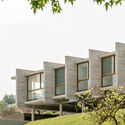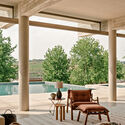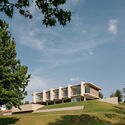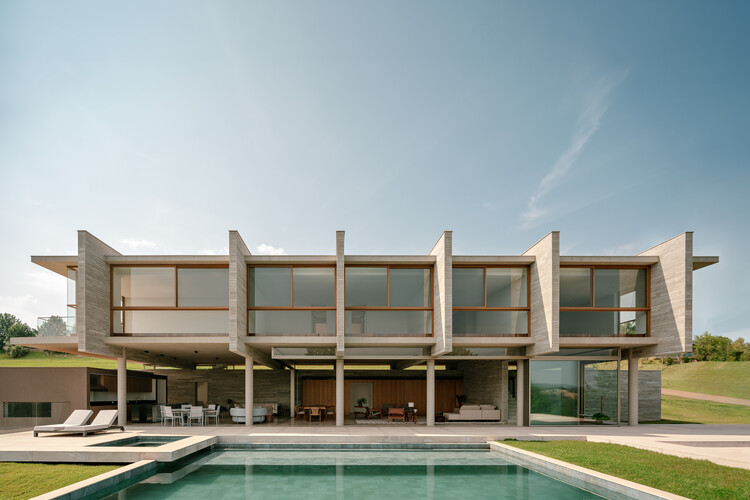


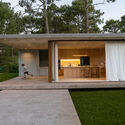
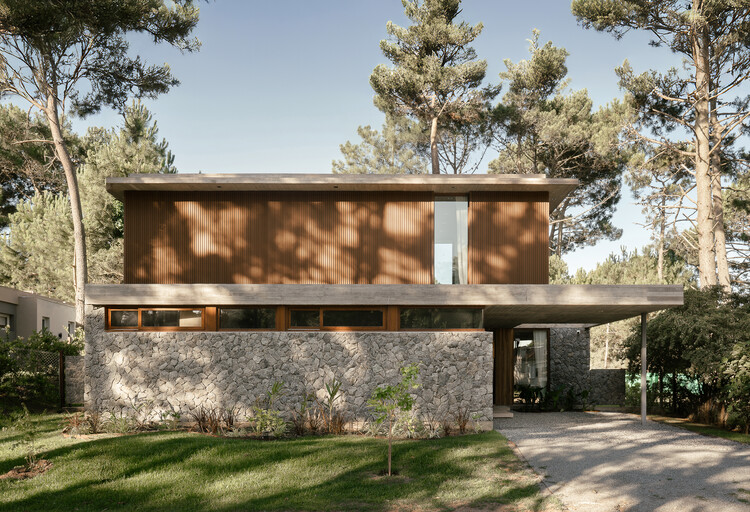
-
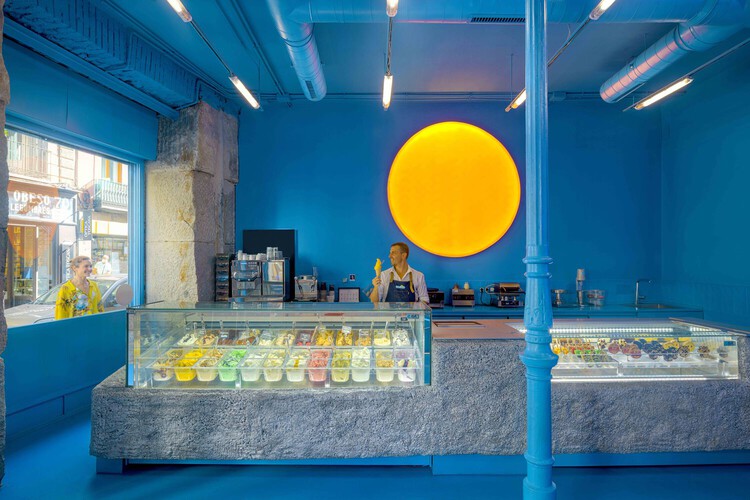
Architects: En Obra Arquitectos
- Area: 250 m²
- Year: 2025


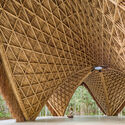
When Francis Kéré set out to build a school in his home village of Gando, Burkina Faso, he chose clay, a material his own community associated with scarcity, not architecture. To prove it could hold, he built test bricks and submerged one in water for five days before showing his neighbors it hadn't failed. Then he trained the villagers themselves to raise the walls, rather than bringing in a construction crew from the city. More than 200 people from Gando have since worked as builders because of that choice. The school carries something a materials list alone cannot: the trace of the hands that will go on living in the village long after the scaffolding came down.
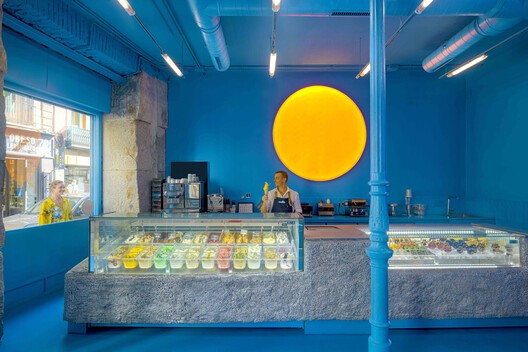
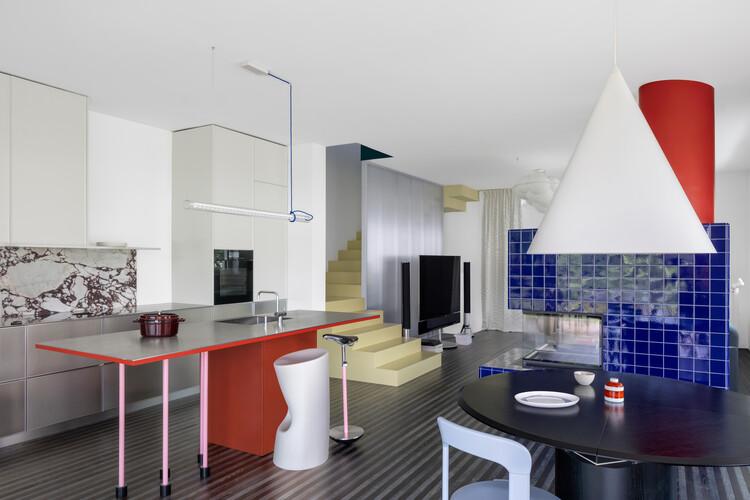
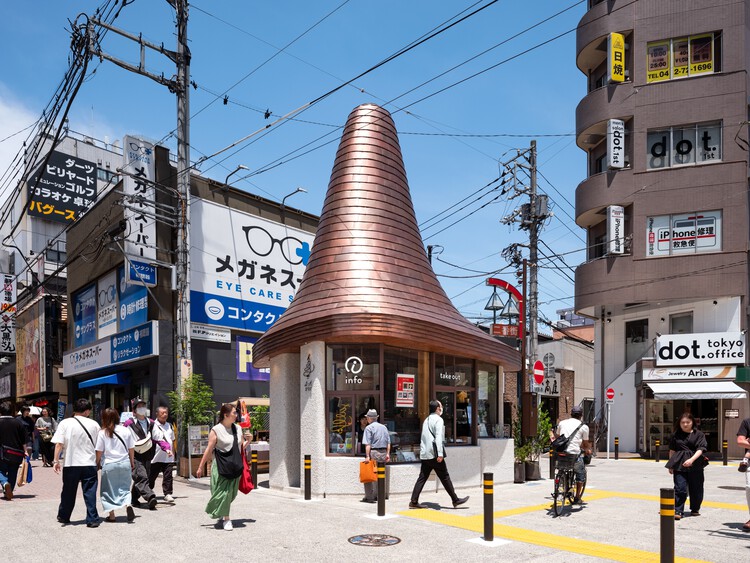
The ice cream shop functions as an exercise in branding through playfulness in retail and commercial spaces, a small architectural gesture designed to draw people in off the street or across the park. From dense urban cores to quiet coastal towns, designers return again and again to color, materiality, and childlike curiosity as the primary tools for these spaces. This consistency appears to persist regardless of climate, culture, or context, signifying that the common threads of design are connected by experience and indulgence.

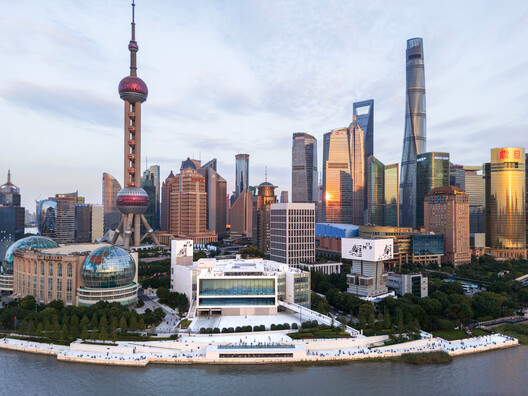
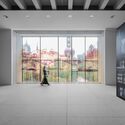
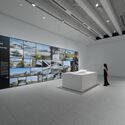
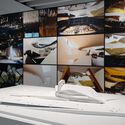
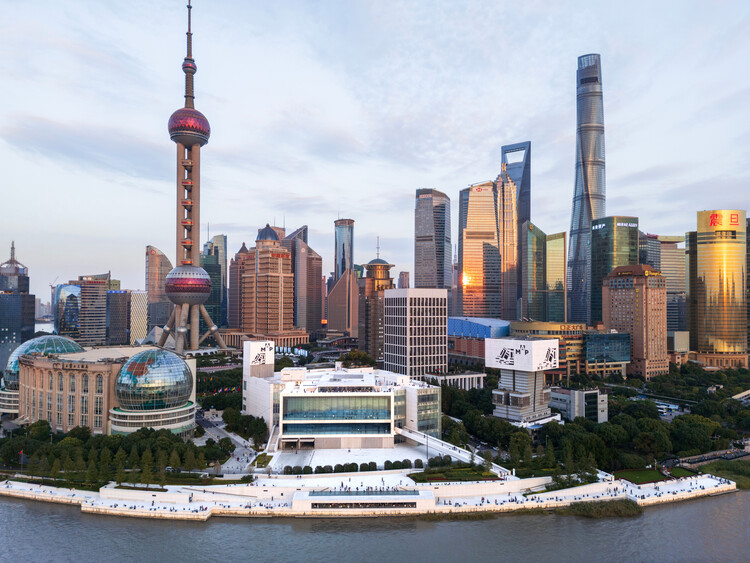
Museum of Art Pudong (MAP) in Shanghai is presenting "Jean Nouvel: Without the Artist, Architecture Disappears" until August 31, 2026. Marking the museum's fifth anniversary, the exhibition is dedicated to the work of Pritzker Prize laureate Jean Nouvel and represents the first time the French architect has staged a solo exhibition inside a building of his own design. Organized by the Museum of Art Pudong in partnership with Ateliers Jean Nouvel, the exhibition brings together architectural models, films, archival documents, installations, and a reconstruction of the architect's Paris studio to examine more than fifty years of architectural practice.


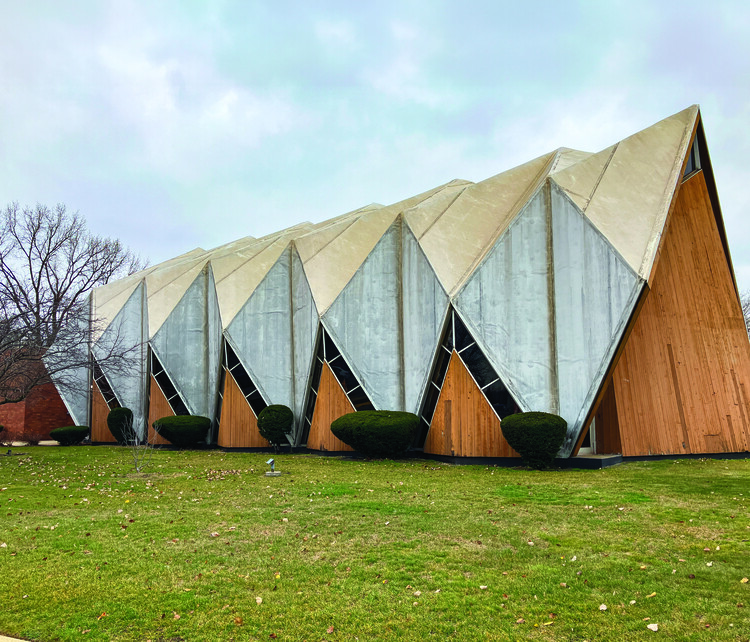
The Getty Foundation's Conserving Black Modernism initiative is a program dedicated to preserving and celebrating the architectural contributions of African American architects in the Modernist movement across the United States. It was launched in 2022 as part of the National Trust's African American Cultural Heritage Action Fund, the largest preservation campaign to support the longevity of African American sites. Established initially as a two-year initiative, it has since expanded to support 26 historic modern sites and is launching its fourth funding cycle this year. The grants are given to support conservation planning, professional training, and storytelling across a diverse array of building types in 17 states and D.C., including academic, spiritual, residential, civic, cultural, and commercial sites of historic importance.

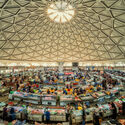
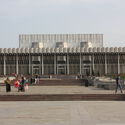
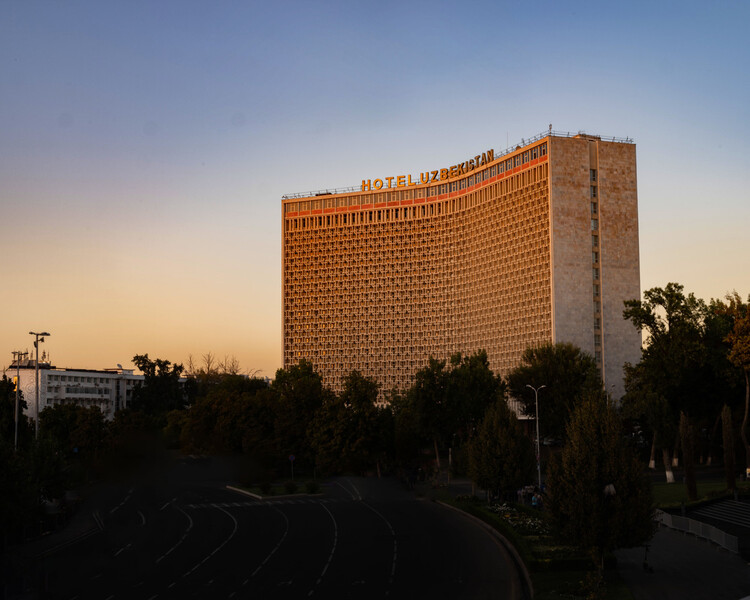
Over the last decade, Uzbekistan has done what most post-Soviet countries still hesitate to do: it formally included dozens of modernist buildings constructed between 1960 and 1980 on its national cultural heritage list. Among them were the Panoramic Cinema, the Tashkent Circus, and the Palace of Peoples' Friendship—structures that, until just a few years ago, were viewed as routine, recent Soviet architecture lacking heritage status.
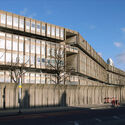
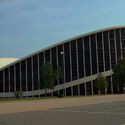
This decision, however, points to a challenge shared by almost every heritage system worldwide: how to legally protect architecture that has not yet reached the minimum age—formal or informal—to be considered "historic"?