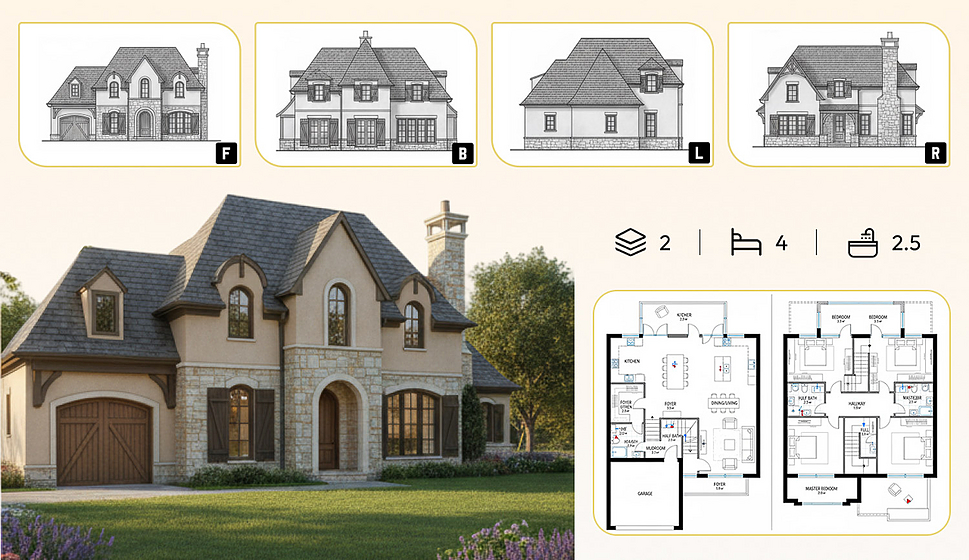
This guide covers a workflow that moves from project parameters to generated floor plans, 3D perspective views, exterior design exploration, and site context visualization, using AI tools in place of preliminary CAD and rendering work.
This guide covers a workflow that moves from project parameters to generated floor plans, 3D perspective views, exterior design exploration, and site context visualization, using AI tools in place of preliminary CAD and rendering work.
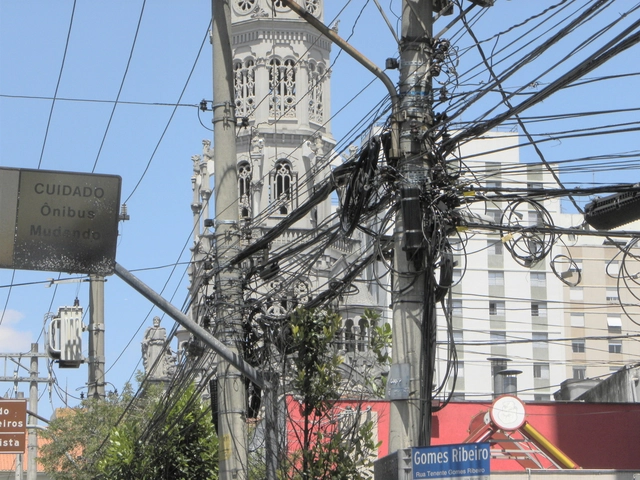
About 14% of the population of Porto Alegre, nearly 200,000 people, live in favelas, classified by IBGE as "subnormal agglomerations." These residents typically lack guaranteed property rights and do not have access to basic public utilities and services such as sanitation, drainage networks, or street lighting. Around 4,000 people experience homelessness. The city's public transit system, which carries over 20 million passengers per month, is facing the worst crisis in its history, with unsustainable operations. Our public spaces are dominated by cars, whose drivers enjoy the privilege of parking for free on public streets. Dumpsters, which are meant to receive only organic waste and non-recyclables, end up filled with all kinds of trash, undermining proper waste collection in the city.
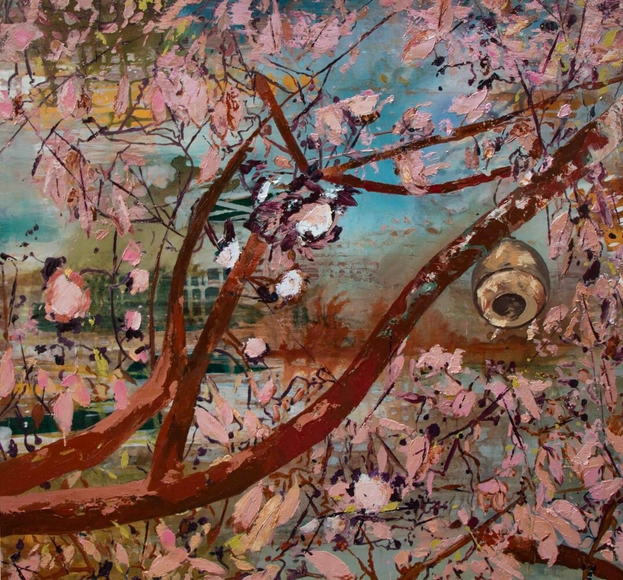
“Ana Durães – Landscape Dialogues”
Celebrating 40 years of her career, the artist presents new paintings and prints at Casa de Petrópolis, in the Rio de Janeiro mountains, where she maintains her studio.
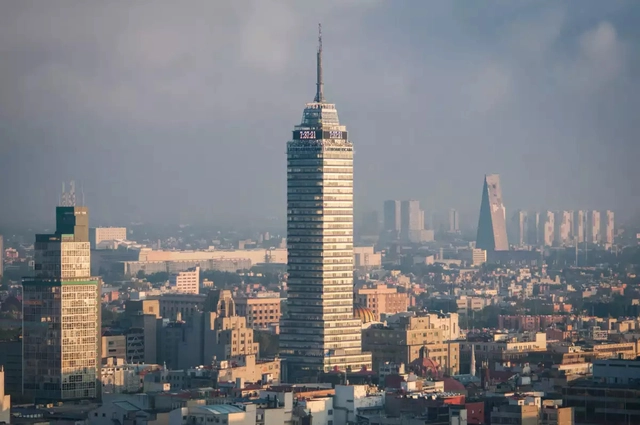
Amid the bustle and majesty of Mexico City, the iconic buildings that adorn its skyline boast not only imposing architecture, but also stories and secrets that spark curiosity. During this month dedicated to architecture, we bring you some of the curiosities and myths surrounding CDMX's buildings, which serve as the pillars of multiple narratives.

From the competition for the Gabriela Mistral Cultural Center to the competition for the restoration of Palacio Pereira, architectural competitions have enabled the design and construction of many iconic buildings in Chile's history. To recognize architectural competitions as a platform for professionals and students to not only showcase their creativity and skills, but also to secure the preliminary design that best meets a building's requirements, we have selected some of Chile's most successful architectural competition results.

A study released by Project Drawdown shows that at this very moment, we have immediate access to at least 76 solutions to curb climate change. The proposed solutions are relatively simple, and the cost of implementing them is less than the cost of inaction.
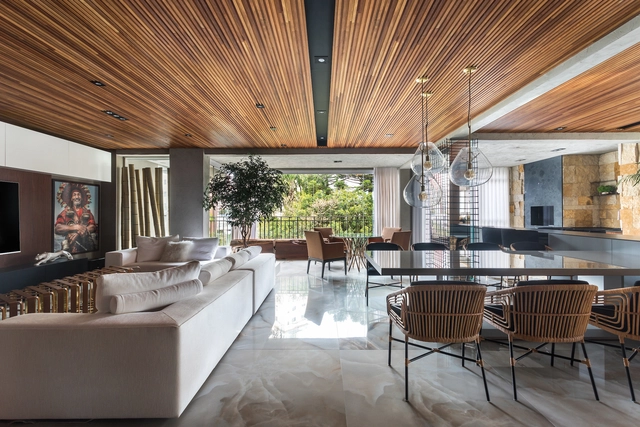
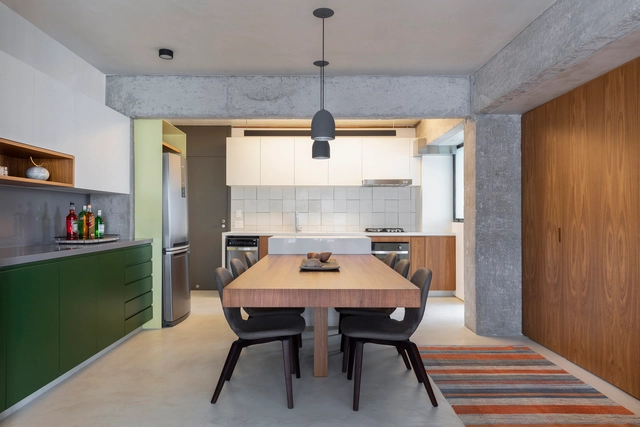

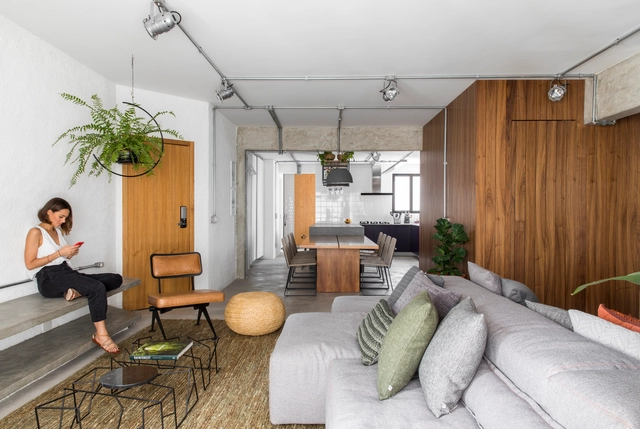

Learn about rammed earth and plaster techniques by intervening in and transforming an abandoned tobacco house next to the Zaza River, in the central region of Cuba.
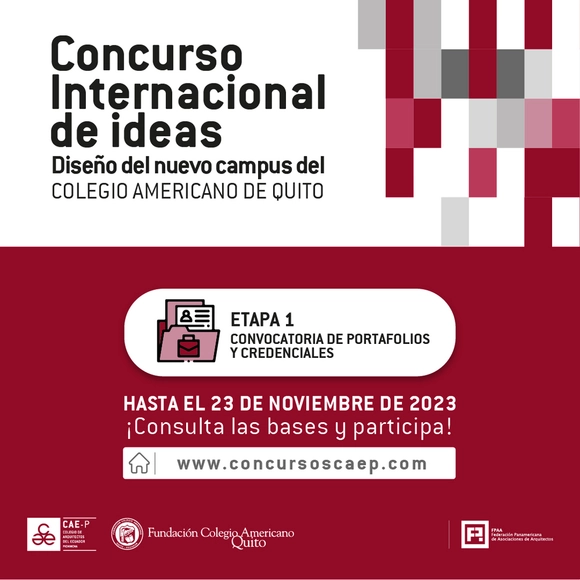
The Fundación Colegio Americano de Quito (FCAQ) and the Colegio de Arquitectos de Pichincha (CAE-P) have joined forces to officially launch the International Ideas Competition for the design and architectural direction of the institution's new campus, which has been recognized for its academic excellence for over 80 years.

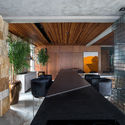
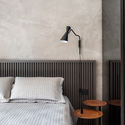
Through the incorporation of various elements, interior design creates comprehensive spaces that blend functionality and aesthetics. Among these components, suspended ceilings are a solution that integrates finishes suspended from the main structure. While adapting to a wide range of styles through a diversity of materials, colors, and textures, suspended ceilings also address acoustic needs, contribute to thermal insulation, and integrate lighting systems.
Among its solutions for interior applications, Hunter Douglas combines aesthetics, comfort, and sustainability to develop the WoodLines suspended ceiling line. Integrating innovation with natural materials, the manufacturing process continuously bonds a natural wood veneer to a roll-formed metal profile. As a result, linear ceilings composed of continuous slats are obtained, combining the functionality of a metal ceiling with the warmth and aesthetic appeal of natural wood.

The capacity of urban planning laws to yield results entirely different from those anticipated is notorious. As is often the case, the numerous failed attempts recorded in cities worldwide are not enough to prevent new laws and regulations from being enacted.


On the first of this month, São Caetano do Sul (SP) implemented free fares on municipal buses through its "Zero Fare Program." Far from an isolated initiative, the measure aims to encourage public transportation use, providing direct savings to residents while improving air quality.