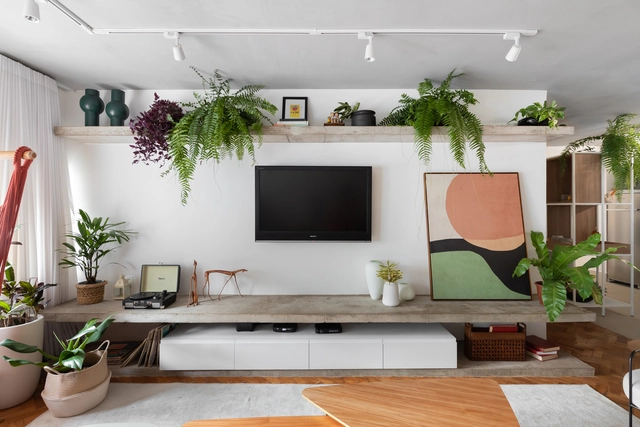
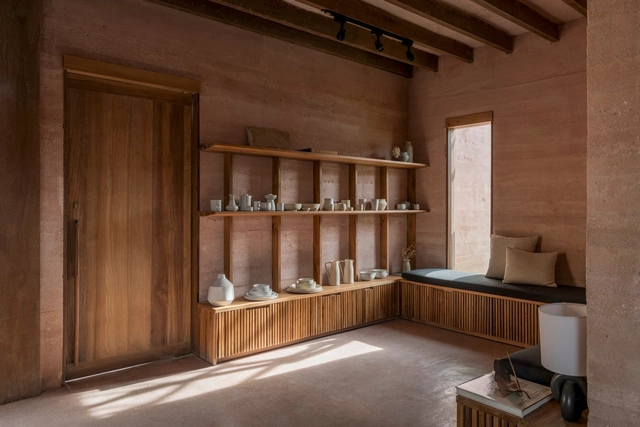
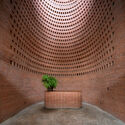
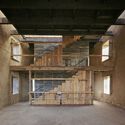
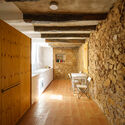
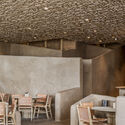
Shelves are incredibly versatile furniture items that are vital in organizing, decorating, and maximizing efficiency in various spaces, including homes, businesses, and industries. Crafted from a wide range of materials and available in numerous designs, shelves enhance compact environments by adding flexibility and easy access. With this in mind, we've compiled suggestions to elevate these ubiquitous solutions — temporary additions or integrated architectural features — into prominent elements within interior design.
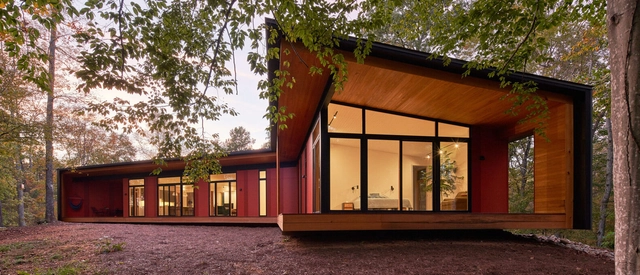
Auction houses, secondhand furniture stores, and realtors make small fortunes from a nomenclature that, despite the fuzziness surrounding its indeterminate span and whether everything made during its indefinite duration ought to be stamped with the same label, continues to demand attention. Years from now, serious collectors of architectural magazines may search for that single issue of the 21st century magazine Dwell, absent a major spread of a house designed in the midcentury modern (MCM) manner or a restoration of a building from that era. MCM is the very blood that pulses through the publication’s arteries, promulgating a view of a squeaky-clean and well-lighted lives lived almost invariably by (often childless) ectomorphic couples, blissfully happy under a flat roof with floor-to-ceiling windows affording fine views of distant landscapes best enjoyed behind insulated glass in an ambient temperature of 72 degrees Fahrenheit. But what are we to make of this term, this period—some even call it a “movement”—so well-known globally it goes by initials?
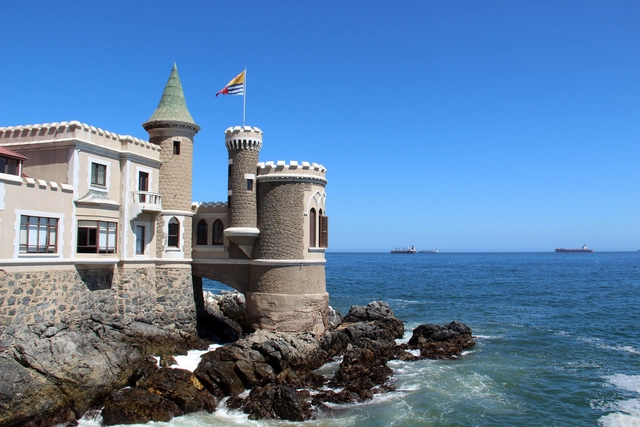
Wulff Castle in Viña del Mar is a renowned landmark, celebrated for its appearance and architectural style inspired by Liechtenstein Castle in Germany. The structure features German and French design elements, along with medieval characteristics—qualities that captivate both locals and the thousands of tourists who visit it.
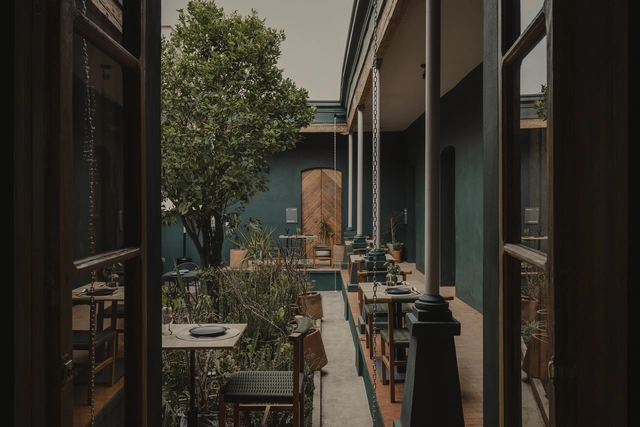
As part of a new project by the architecture firm WORC, "Moradores" emerges: a space located just steps from Jardín Zaragoza in Toluca, State of Mexico. Housed within a 342-square-meter residence with nearly a century of history, it is one of the few surviving structures from the evolution of a representative neighborhood in the city's historic center. The studio, directed by Ricardo Martínez and Camila Ureña, describes the space as a “public house” comprising a restaurant, art exhibitions, and a community gathering point.
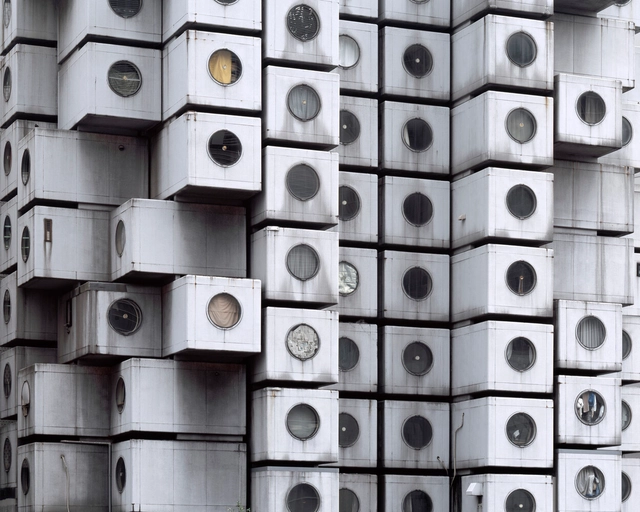
When Kisho Kurokawa designed his now iconic Nakagin Capsule Tower in 1972, the structure was meant to represent the core principles of Metabolism, experimenting with ideas of growth and change borrowed from biological processes. The emerging style in postwar Japan aimed to create buildings and megastructures that emulate living organisms that can evolve, expand, contract, and adapt to their changing conditions. Following this concept, the Nakagin tower was composed of 140 identical cell-like capsule units, each individually bolted to the two central shafts. The capsules were intended to be replaced and upgraded every 25 years, allowing for flexibility and mutation. The innovation proved to be impractical, however. Almost 50 years after its construction, the tower was demolished, but not in its entirety. A total of 23 capsules were saved and removed from the building to be given a new life. Now, the capsules are scattered around the world, continuing to represent Metabolist ideals in unexpected ways.
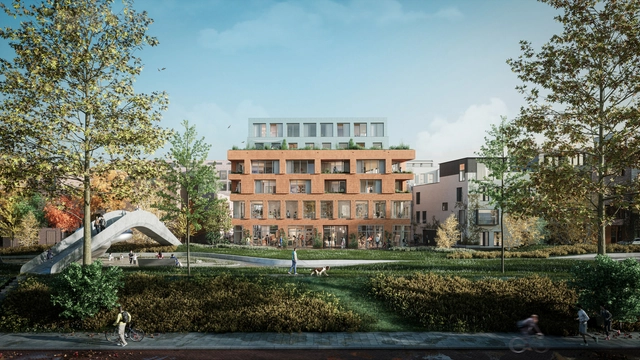
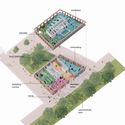
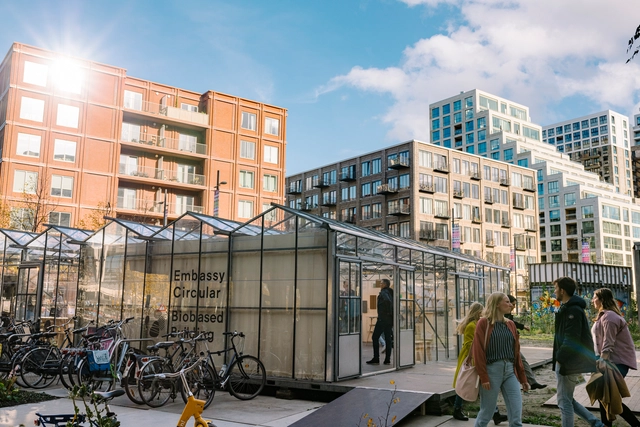
In Nieuw Delft, a newly developed city area next to the historic city center of Delft and in close proximity to the central train station, Common City is developing the winning LeeuwenPart plan in collaboration with Space&Matter. The project includes a residential building located on the edge of the future Van Leeuwenhoek Park. The project is developed as a co-commissioning, a process where the future residents are included in the design process, resulting in a well-adapted building and a close-knit community.
via Shutterstock | mariakray, Boca Raton Aerial View
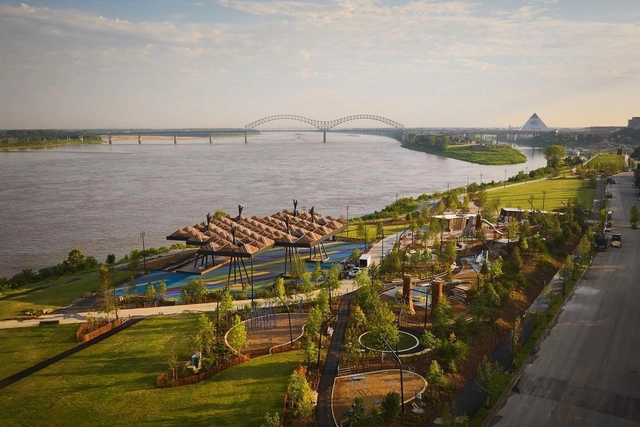
The Center for Arts and Innovation has just selected Pritzker Prize-winning architect Renzo Piano to design its new creative campus. The campus is situated in the heart of downtown Boca Raton in Florida and aims to become a global hub for creative excellence. Ultimately, The Center is on a mission to transform Boca Raton into an internationally recognized destination for culture, arts, innovation, and technology.
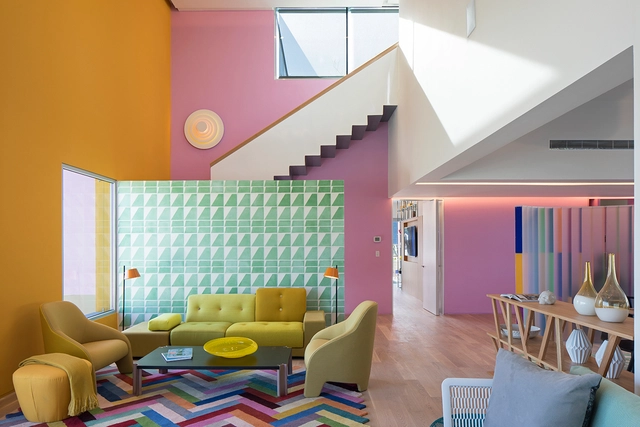
Color plays a significant role in the world. Partly because of the significance attached to each hue, the use of color in architecture – especially in interiors – changes the ambiance of each project. In commercial establishments, color has a considerable influence on highlighting a given brand, and in homes, it can reflect the resident’s personality and complement the language adopted in the project. This exploration can take place directly in the tectonic object (architecture) through the surfaces that constitute the building, or it can take advantage of mobile elements, easily changeable.
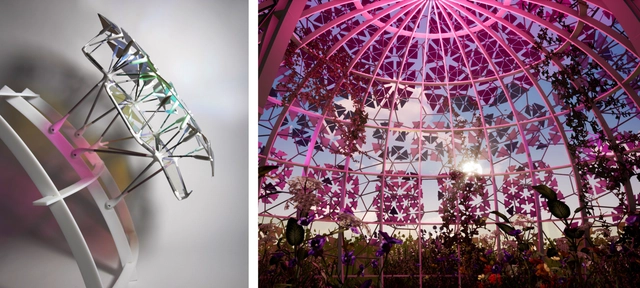
Agrivoltaic Pavilion prototype & designs in 'Sustainable Architecture & Aesthetics.' Transforming BIPVs with custom 3D-printed filters and panels for site-specific solar collection. Courtesy Sabin Design Lab at Cornell College of Architecture, Art, and Planning and the DEfECT Lab at Arizona State University. Image Courtesy of Jenny E. Sabin
Why research and innovate in architecture? In a conversation with architectural designer Jenny E. Sabin, we delve into the critical link between research and practice in architecture. Seeking the development of a new model, her team incorporates an interdisciplinary approach that introduces connections between these areas, fostering collaboration with both scientists and engineers.
Observing nature’s behavior, the proposed method integrates biological and mathematical discoveries into the design process. After undergoing a systematic testing process, these insights are applied in the project’s generative design phase to create adaptive and responsive material solutions. Analyzing her research and design strategies, we showcase how she translates research into architectural practice.
The international architecture and city festival Open House will take place in Madrid from September 21 to 24, 2023, inviting residents to visit and explore some of the capital's most iconic buildings. Extending beyond Madrid to open several spaces in San Lorenzo de El Escorial, this ninth edition will open the doors of over 120 buildings and studios, while also offering 13 outdoor routes and itineraries to discover Madrid's architecture.
Between April 2 and 16, students from Latin America, together with architects, worked on the analysis, design, and construction of public infrastructure for the city of Suchitoto in El Salvador, within the framework of the XIX Latin American Social Workshop (TSL).
Since its first edition held in Barranquilla in 2002, the TSL has annually brought together public and private entities, university students, architects, professors, and members of Latin American civil society to develop practical architectural exercises with a strong community and local focus. This year, the XIX TSL was led by the Latin American Coordinator of Architecture Students (CLEA) and the local organization, the National Association of Architecture Students of El Salvador (ANEA).
The following is the work produced by the workshops led by architects from El Sindicato, Taller Bugambilias, Taller de Tierra, Colectivo Hormiga, ACCIÓN, Laborateca, Sen Sos Hábitat, Alejandro Alcázar, and Coonvite:
https://www.archdaily.com/1136241/discover-the-four-projects-built-at-the-latin-american-social-workshop-el-salvador-2023ArchDaily Team
Most biennales and architecture events, especially the recent ones, have influenced and shaped the dialogue of the ones that followed. In fact, during a conversation earlier this year with Lesley Lokko, the curator of the 2023 Venice Architecture Biennale, she explained and affirmed that “all exhibitions […] take sustenance from those that came before”, further noting that “if I look back at the dozen or so Architecture Exhibitions over the past twenty years, each one has contributed in some way to the discourse of the next.”
In the realm of architectural design and interior furnishings, achieving a balance between form and function is a daily challenge that designers encounter. This interplay between utility and aesthetics has not only evolved over time but also involves a constant exchange of styles and production methods. Frequently, this interchange leads to standardization and generic designs, potentially causing a depletion of authenticity in the design process.
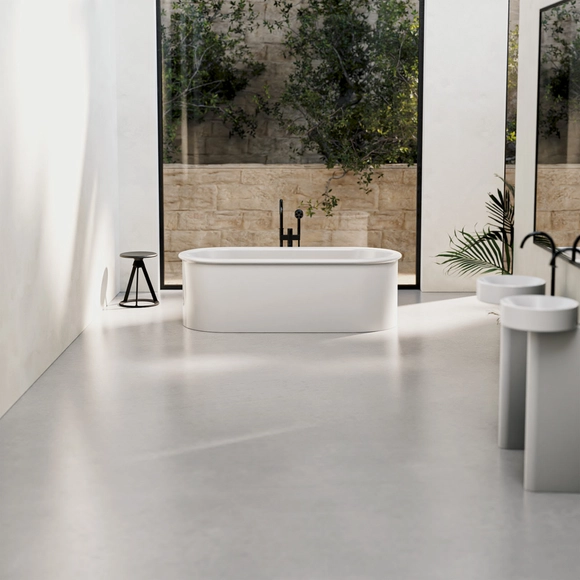
For this reason, in the contemporary era, designers are revisiting the fundamentals, rediscovering manual design processes that range from sketching to model making, all while embracing pure forms. Designers and manufacturers alike are embracing conscientious approaches to develop proposals that maintain simplicity in design while retaining a distinctive identity. In response to this, Bette, in collaboration with the British design studio Barber Osgerby, proposes the creation of minimalist-style bathrooms through the BetteSuno bathroom collection, stripping away complex shapes and seeking a light visual design.
https://www.archdaily.com/1005100/handcrafted-design-for-minimalist-washbasins-and-bathsEnrique Tovar
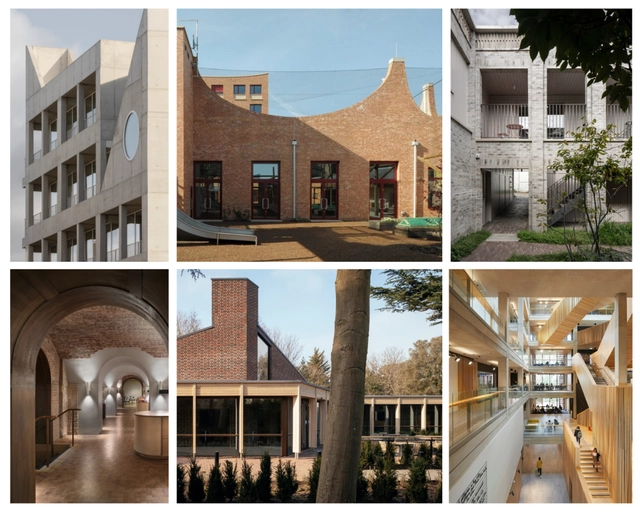
The Royal Institute of British Architects (RIBA) has announced the six projects selected for the shortlist of the 2023 RIBA Stirling Prize. The annual award is one of the United Kingdom's most prestigious recognitions in the field of architecture, judging projects on a range of criteria, including design vision, innovation, originality, and the capacity to engage and delight the occupants and visitors. Sustainability and accessibility are also crucial conditions for the selection. This edition’s shortlist includes projects by architects such as Apparata, Sergison Bates Architects, and Adam Khan Architects, featuring for the first time at the Stirling Awards Shortlist, as well as practices that have previously won, Witherford Watson Mann Architects and Feilden Clegg Bradley Studios.
Earthy tones, from those used in traditional vernacular constructions to contemporary interior design trends, are instrumental in crafting inviting, organic, and harmonious environments. These tones encompass a spectrum of shades reminiscent of natural elements such as earth, clay, sand, and stone, fostering a deep connection with nature. They are readily available in various construction materials, paints, and coatings, allowing for captivating texture combinations. In the following section, you'll find inspiring projects that exemplify the potential of these color palettes.
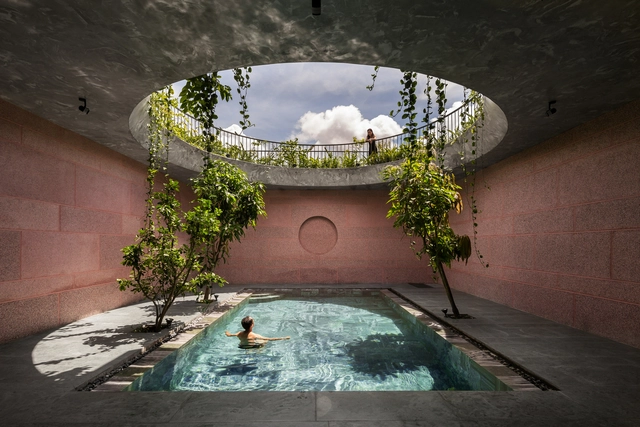
Designer pools bring status to luxury homes and five-star hospitality spaces. But adding the cooling, calming, energizing, and environmental benefits of a hyper-local water body to a residence can far outweigh the cost of installation. With a range of long- and short-term landscaping options possible, meanwhile, luxury is available, whatever the budget.
Most pools are built below ground to retain unobstructed visuals above. While all in-ground pools start off the same way – with excavation, then connecting the plumbing and filtration systems – the main difference is in the construction of the pool’s basin. The simplest and quickest method is to lower a pre-fabricated reinforced plastic pool or pre-cast concrete basin into the cavity, before connecting the pipework and backfilling the recess with sand. But this is only suitable for off-the-shelf pools with simple geometries. In order to make the most efficient use of all available space, bespoke pool shapes and sizes are best achieved by pouring or spraying concrete into a rebar or timber frame.
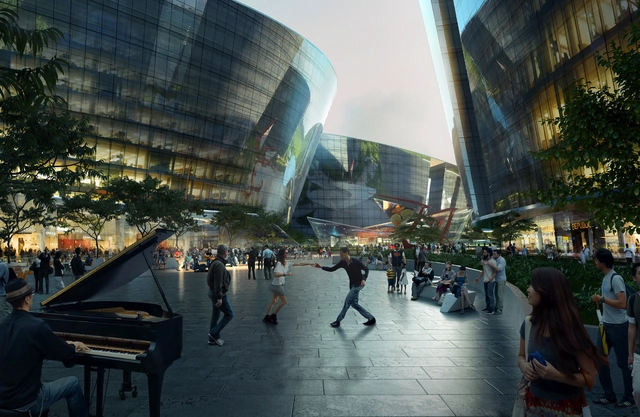
Project by Form4 Architecture investigating the opportunities for unsolicited participatory interaction in space, like street dancing, something that could be replicated in the Metaverse if its spatial quality had similar depth. Image Courtesy of Form4 Architecture
This article is the second in a series focusing on the Architecture of the Metaverse. ArchDaily has collaborated with John Marx, AIA, the founding design principal and Chief Artistic Officer of Form4 Architecture, to bring you monthly articles that seek to define the Metaverse, convey the potential of this new realm as well as understand its constraints.
For architects, one of the most captivating aspects of AI and the Metaverse is that of placemaking. How do we create compelling places that bring people to this new world and enable them to enjoy their experience there, getting them to return once the novelty has worn off? How much of this digital world needs to connect back with our day-to-day physical environs for it to feel meaningful and how do these artificial cities, towns, and neighborhoods come to life?
With the goal of highlighting Chilean women who embody female empowerment, Forbes magazine has compiled a list of the 30 most influential women in the country today. The selection is based on key attributes such as leadership, public inspiration, and an ongoing contribution to shaping a more gender-equitable nation.
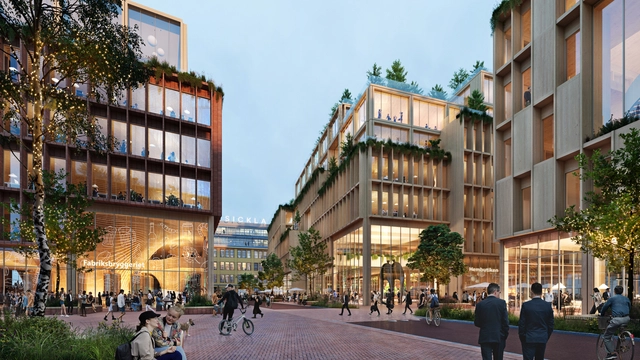
La construcción del proyecto de desarrollo urbano de madera más grande del mundo comenzará en 2025. Image Cortesía de Atrium Ljungberg | White Arkitekter
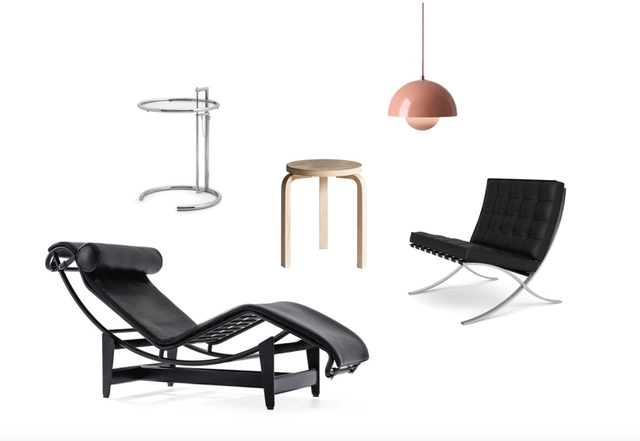
Big meeting: Le Corbusier's LC4 Chaise Longue meets Eileen Gray's Adjustable table, Alvar Aalto's Stool 60, Verner Panton's Flowerpot pendant and Mies van der Rohe's Barcelona chair
The 20th century is almost certainly the most important period when it comes to interior design icons. The list of protagonists who have contributed to making this era of design such a great one is certainly too long to truly do justice to all of them and their classic furniture designs. For this reason, here we present just a small selection of architects and designers such as Eileen Gray, Le Corbusier and Verner Panton, who have written design history over the past century, and which still continue to make an impression to this day – all of whom can be found on the Architonic Platform. Our journey includes extraordinary talents from all corners of the world: A look back at the furniture world of yesterday, which was then of tomorrow, and today still shines as brightly and timelessly as ever.
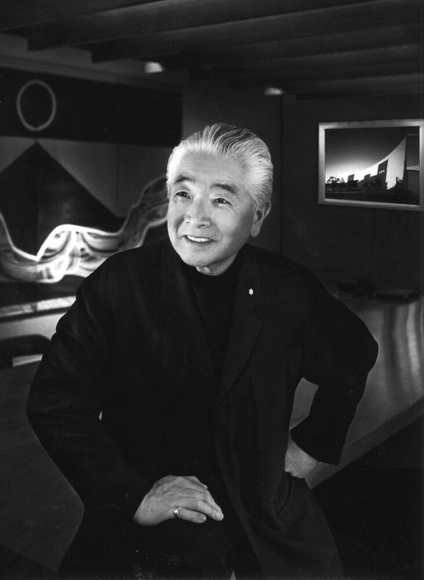
Visionary architect Raymond Moriyama, co-founder of Moriyama Teshima Architects and the designer behind some of Canada’s most influential buildings, has passed away at the age of 93. Renowned for designing major buildings across the world, including the Canadian War Museum, Ontario Science Center and the Canadian Embassy in Tokyo, Moriyama focused on creating humane buildings reflecting ideals of democracy, equality, and inclusivity. Moriyama passed away on September 1st, 2023, according to a statement from his firm, Moriyama & Teshima Architects.
Zofia Chom�towska, Rubble clearance effort at the site of the Blank Palace on Theatre Square, 1945. Image Courtesy of Museum of Warsaw
The exhibition “Warsaw 1945-1949: Rising from Rubble” took place this year at the Museum of Warsaw, exploring the postwar reconstruction and rebuilding process that took place after the war. After the Second World War, Warsaw’s entire urban fabric, architecture, and social and economic status had to be rebuilt from the ground up. Curated by Adam Przywara, the exhibition “offered a new perspective on the myth of the postwar reconstruction of the Polish capital city and one of the most interesting pages in its history.”
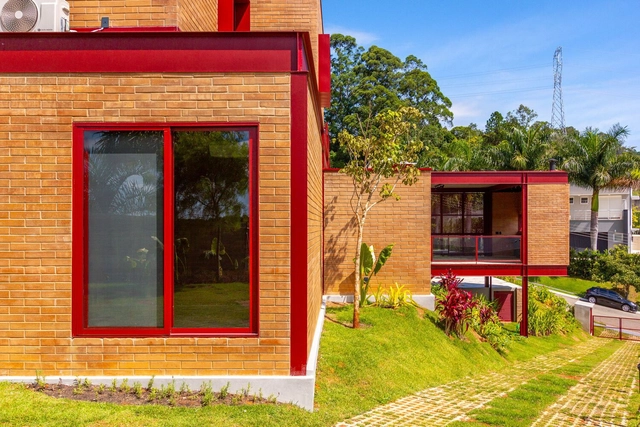
Although the use of color can be employed to hide or disguise a specific characteristic, it can also be used to highlight them. Within the Latin American territory, we can observe that shades of red, green, and blue have predominated in residential architecture, aiming to integrate a language appropriate to the context in which it is implemented.