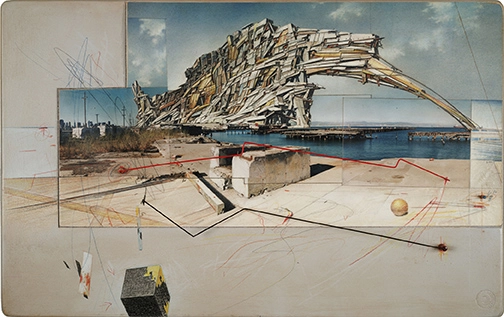
From November 22 through March 2, 2014, the Eli and Edythe Broad Art Museum at Michigan State University presents Lebbeus Woods, Architect, bringing together over 100 works from the past 35 years by one of the most influential architects working in the field. Recognized beyond architecture, Lebbeus Woods (1940–2012), who was born in Lansing, Michigan, has been hailed by leading designers, filmmakers, writers, and artists alike as a significant voice in recent decades. Notably, Zaha Hadid, architect of the Broad’s newly inaugurated building, cities Woods as a key influence.
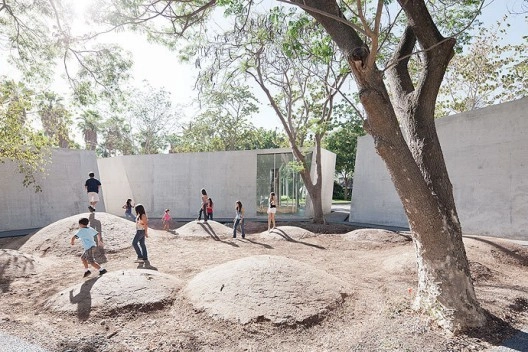
The simple concrete-hewn structures designed by Tatiana Bilbao acknowledge their context in a way that most buildings don't. In a recent interview with uncube Magazine, Bilbao explains how her outlook on design shifted after she realized that "the quality of architecture relies heavily on the people who build it and what techniques and materials they are used to." And it seems this novel approach hasn't gone unnoticed - she recently showed her work at Berlin's Architekturgalerie and is on a star-studded shortlist to design the Menil Drawing Institute. Read the full interview here.
https://www.archdaily.com/444493/redefining-context-with-tatiana-bilbaoKatherine Allen
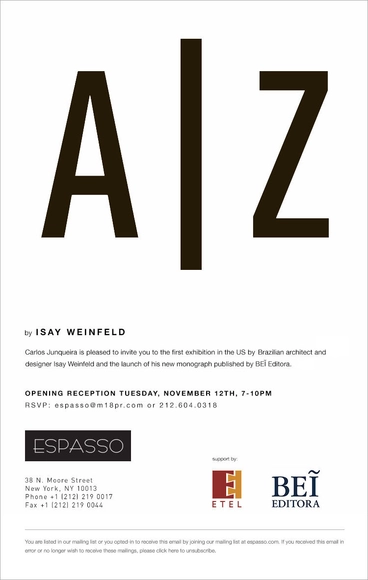
Isay Weinfeld, the multi-award winning Brazilian architect and designer, will be opening his first ever US exhibit at Espasso in conjunction with the launch of a new monograph that takes a closer look at his recent projects.
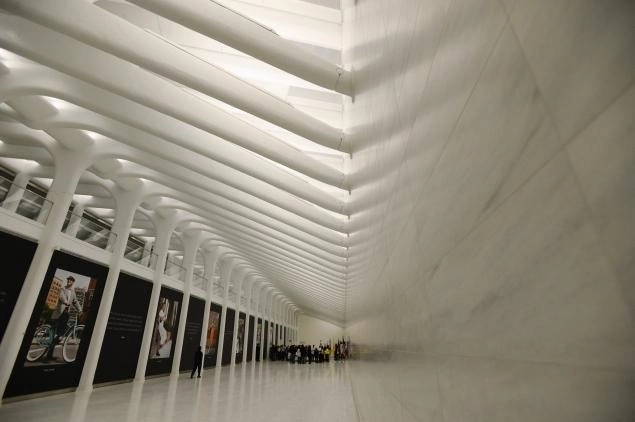
A portion of Santiago Calatrava’s $4 billion PATH station has opened. According to NY Daily News, the Western Concourse will now relieve New Yorkers from “cramped sidewalks and temporary bridges” crossing West St. with a 600-foot underground passage lined in “bright white marble” that connects the World Trade Center to the neighboring office complex formerly known as the World Financial Center. Once complete in 2015, the controversial transit hub will double as a massive shopping and retail complex, which aims to “transform” the cultural experience of lower Manhattan.
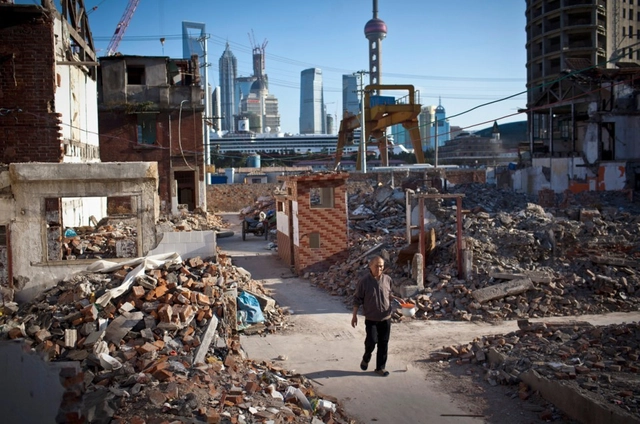
Chinese city-dwellers are waking to find eight stories of construction debris outside of their homes. Over two billion tons of waste, outside Beijing and other major cities, is a result of a booming construction industry. "There's no systematic way to deal with [the garbage]," says Wilson W.S. Lu, architecture professor at the University of Hong Kong, "The illegal dumping is everywhere." Recycling efforts have just begun, but local activists believe it will require a radical paradigm shift in the way Chinese residents reclaim material. Read the full New York Times article, "China's Mountains of Construction Rubble."
https://www.archdaily.com/443367/mountains-of-construction-debris-accumulate-outside-chinese-citiesJose Luis Gabriel Cruz
The latest Future Trends Survey, published by the Royal Institute of British Architects (RIBA), indicates both stability and optimism. The Future Trends Workload Index increased to +26, a rise of four balance points from August 2013, "building upon the steadily increasing positive trend" seen since the start of this year. The survey also shows evidence that "the growing optimism about an upturn in overall workloads is now widespread" throughout the UK.
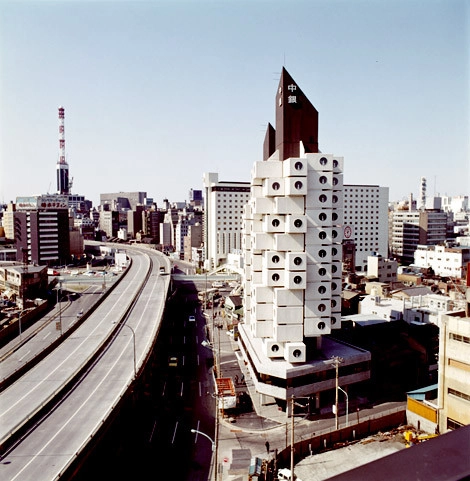
Seizing on the current trend for 'micro-apartments' in cities such as New York, Fast Company has an interesting profile (including some great photos) of the Nakagin Capsule Tower, the 1972 Japanese building, one of the first (and still one of the most extreme) examples of small-plan living. The article explores both the successful and unsuccessful elements of the design, such as the difficult maintenance and non-openable windows, as well as the ongoing battle for preservation since the residents voted to replace the tower with a conventional building. You can read the full article here.
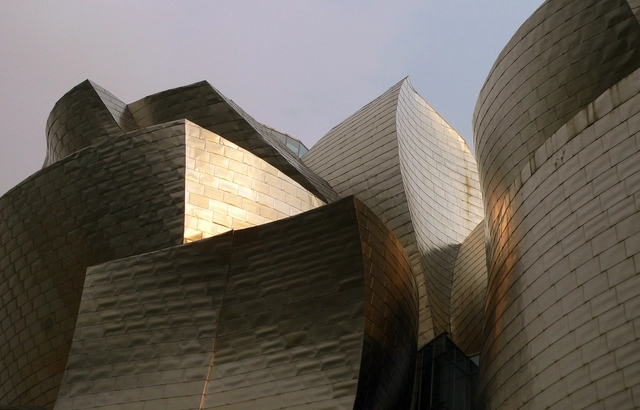
Do we prefer straight lines or curves? According to Eric Jaffe's article on Fast Co.Design, it seems we subconsciously prefer the latter. Our brains, he claims, have evolved to perceive potential threat in sharp edges. "Square watches, pointy couches, and the like activate the amygdala. The part of the brain that processes fear." Thus, our feelings, buying habits and favorite buildings are subject to our affection of curves. Investigate for yourself and make sure to read the full article here, “Why Our Brains Love Curvy Architecture.”
https://www.archdaily.com/442283/straight-lines-or-curves-which-do-we-preferJose Luis Gabriel Cruz
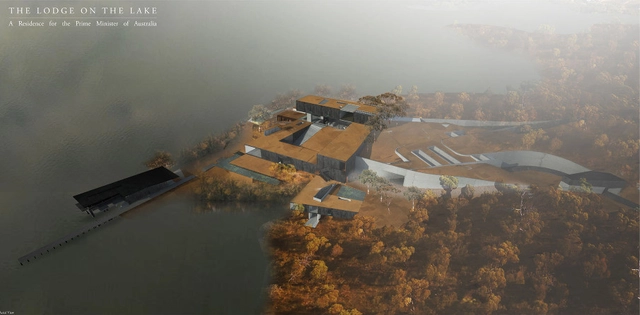
In light of the strong responses to their Lodge on the Lake competition, organized in collaboration with the University of Canberra and won by Henry Stephens, Nick Roberts and Jack Davies in May, the Gallery of Australian Design is hosting an exhibition of the submissions to the competition, including models of the entries created specially created for the exhibition.
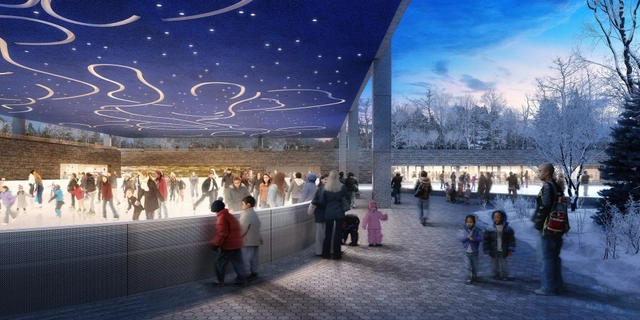
Courtesy of Tod Williams Billie Tsien Architects / Dbox
After sitting derelict for years, the Kate Wollman Memorial Rink in Brooklyn's Prospect Park is poised for something of a rebirth. Tod Williams and Billie Tsien's plans for a sports complex, known as Lakeside, is expected to restore the rink's role as the park's chief attraction. Michael Kimmelman recently stopped by the site to explore the project as it nears completion - click here to read his thoughts on what he calls one of the last "parting gifts of the Bloomberg era to the city."
https://www.archdaily.com/443090/tod-williams-and-billie-tsien-architects-design-ice-rink-for-nycKatherine Allen
Videos
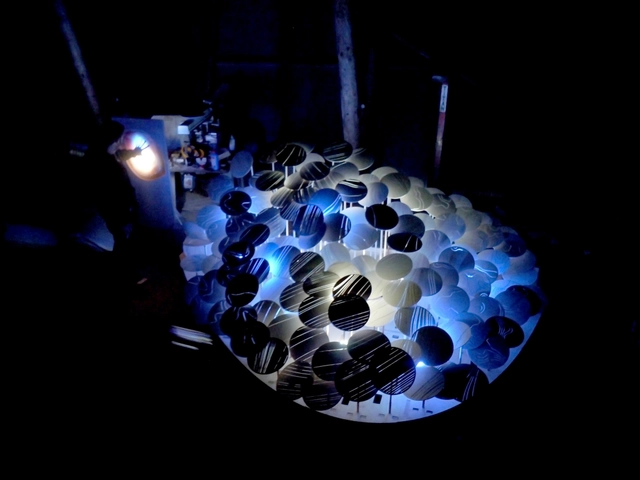
Light Forest installation, AA DLAB: Blue, London / Hooke Park, July - August 2013 (photo: Elif Erdine)
Light Forest is the final working prototype of the Architectural Association (AA) DLAB Visiting School, which took place in AA London and AA Hooke Park, a 350-acre working forest in Dorset, south west England, where the AA has a small educational facility centred on a woodworking workshop.
The Royal Institute of British Architects (RIBA) has announced the winners of the President’s Awards for Research 2013. The awards recognize high-quality research and encourage its distribution and incorporation into the wider profession to foster innovation and strategic thinking. From an urban healing agenda for reform in Bahrain to a book that explores the incredible potential of concrete, the 2013 winners of the President’s Awards for Research are:
RIBA President's Award for Outstanding Master's Degree Thesis
The theme of this year's Archifest, located on the tiny nation-island of Singapore, was aptly named indeed: "Small is Beautiful." Organized by the Singapore Institute of Architects, the annual architecture festival includes a host of activities, ranging from architecture tours to urban picnics, and featured a curated selection of several leading local architects.
https://www.archdaily.com/438927/archifest-2013-small-is-beautifulGracia Vera
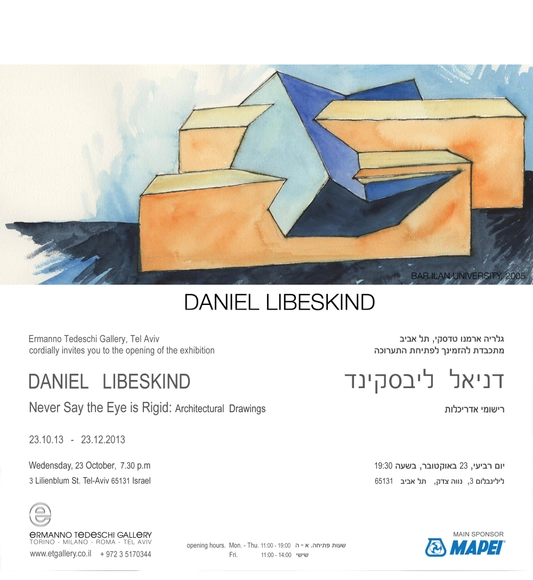
On October 23, 2013, Tel Aviv’s Ermanno Tedeschi Gallery will open its newest show, “Never Say the Eye Is Rigid: Architectural Drawings of Daniel Libeskind”. The exhibition, in collaboration with the Ermanno Tedeschi Gallery (Milan, Turin, Rome ,Tel Aviv), which brings together 52 original drawings will include depictions of the architect’s signature work, the Jewish Museum Berlin (2001), and his 2003 master plan for Ground Zero in New York City.
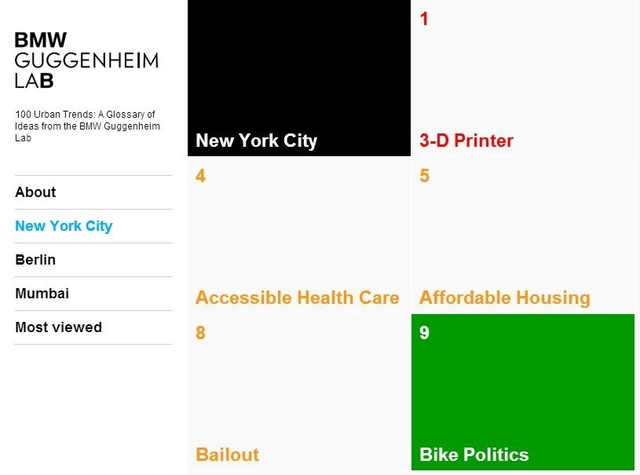
The BMW Guggenheim Lab, a mobile think-tank focused on the study of urban life, has returned to New York City for its homecoming exhibition currently on view at the Guggenheim Museum till January 5, 2014. After two years of research and touring Berlin and Mumbai, the lab aims to present major urban themes in art, architecture, education, science, sustainability and technology."100 Urban Trends: A Glossary of Ideas" is a compilation of definitions of the most pressing issues in urban centers today, contextualized to reflect how different cities interpret them. Architects, planners and students take note: From street facades to bailouts, gentrification to trash mapping, this resource archives years of discussion into one user-friendly interface. Explore the glossary, here.
https://www.archdaily.com/441064/100-urban-trends-a-glossary-of-ideasJose Luis Gabriel Cruz
For architects, it’s a dream come true: the studio building at the Bauhaus is now open to visitors (and pilgrims) looking to spend a night in the famous building. This new development will undoubtedly solidify the school’s place on the modern “Grand Tour” list, but is also meant to foster a creative and lively atmosphere that hasn’t been seen there for almost a century. Learn more here.
https://www.archdaily.com/439891/bed-breakfast-and-bauhausKatherine Allen