
2026, the major comprehensive event focused on habitat
2026, the major comprehensive event focused on habitat

Showcase your project at the 25th Tile of Spain Awards

Cobe and ArchDaily invite you to the launch of the guest-edited edition of Cobe Notes x ArchDaily, on June 10, 2026. Focused on the theme of Thresholds, the event will explore architecture as a condition of ongoing transition.
Hosted at the Cobe Bookcafé, the public launch will feature a live conversation with Christele Harrouk, Editor-in-Chief of ArchDaily, Mads Birgens, Head of Urbanism at Cobe, and Jacob Blak, Head of Sustainability, moderated by Kristoffer Lindhardt Weiss, CEO and Publisher of the Danish Architectural Press.

The City of Amsterdam has launched an international architectural competition for the design of the National Slavery Museum, in partnership with the National Slavery Museum Foundation.

There's a quiet rebellion happening in the bathroom. Forget glossy marble and showy gold fittings; the new mood in design is one of calm confidence. Luxury today is understated, sensory and precise. It celebrates craftsmanship over extravagance and authenticity over spectacle. The bathroom, once the most functional room in the house, has become a space where materiality, touch and light are orchestrated to create a sense of calm.

In contemporary interior design, acoustics have evolved from an afterthought into a defining design language. Architects and specifiers are increasingly seeking materials that perform both visually and functionally – where surface texture, light interplay and sound absorption converge to shape human experience. As open-plan workspaces, hospitality interiors and education hubs embrace more tactile, sustainable finishes, the market for high-performance acoustic materials has surged. Within this landscape, Woven Image has emerged as a global leader, continually pushing the boundaries of what acoustic surfaces can achieve.
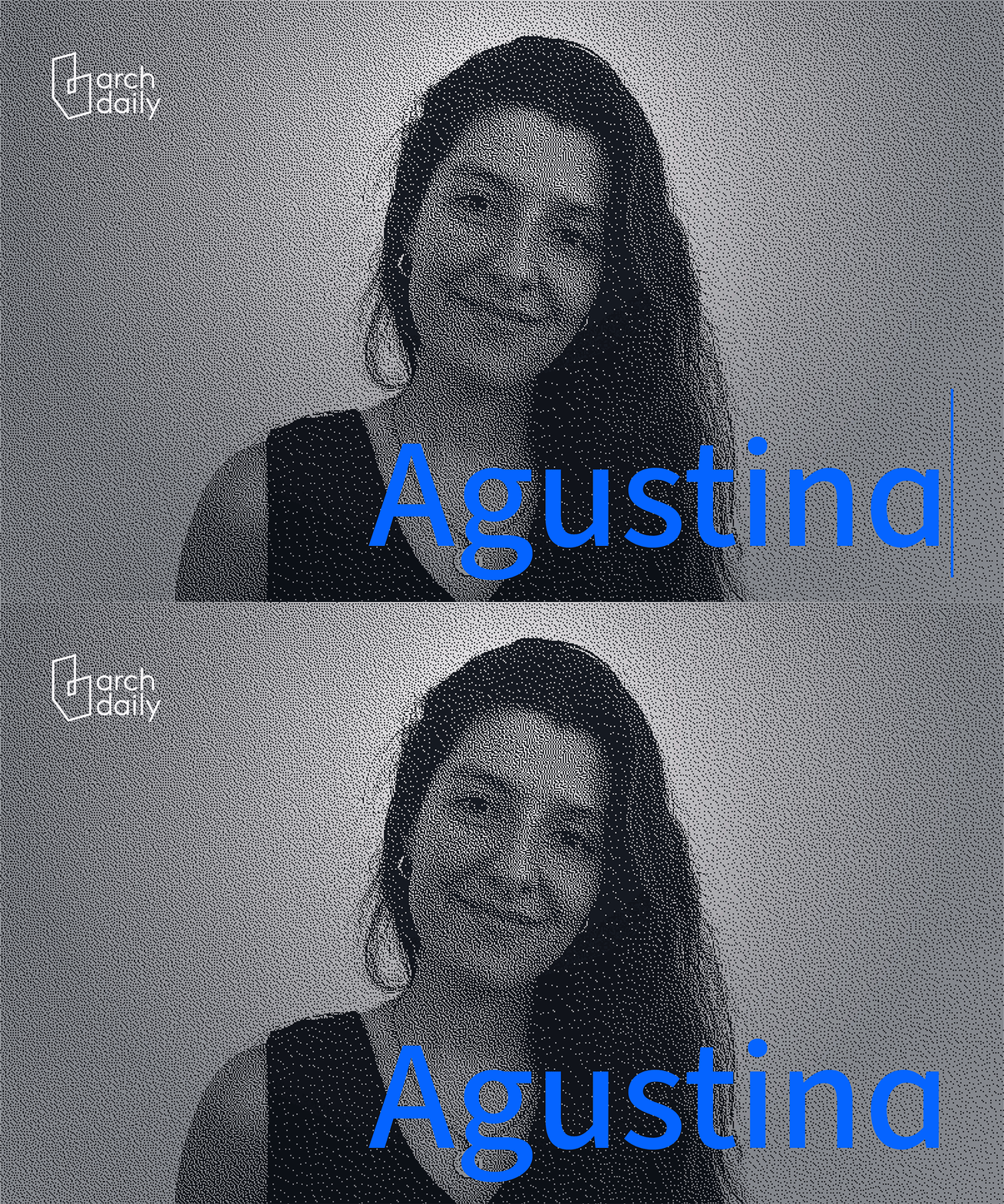
Agustina Iñiguez's journey into architecture was rooted in a deep appreciation for art, drawing, and craftsmanship, interests that naturally evolved into a formal architectural education beginning at age 18. Based in Buenos Aires, Agustina balances her professional architectural practice with an active role in academia, serving as a teaching assistant at the University of Buenos Aires and as an assistant professor at Torcuato Di Tella University. Since joining ArchDaily's Editorial Team in 2021, she has brought a thoughtful and interdisciplinary approach to curating content that bridges theory, practice, and social engagement.
Her editorial focus centers on exploring architectural projects and themes that carefully consider materials, building techniques, and site integration, with a consistent emphasis on improving quality of life through design. Agustina is particularly drawn to adaptive reuse, urban rewilding, and inclusive design strategies that respond to the needs of diverse communities. She advocates for interdisciplinary collaboration and champions work that thoughtfully connects architectural innovation with environmental and cultural contexts.

From 26th to 28th November 2025, the Salone will light up the King Abdullah Financial District in Riyadh in red. In a strategic partnership with the Architecture and Design Commission at the Saudi Arabia Ministry of Culture, the event will feature an installation curated by the Giò Forma architecture studio, a packed cultural programme and a B2B platform, a meeting point for the Salone and the Saudi design ecosystem – a taster of the first ever edition of the event to be held in the Kingdom in 2026.

Jonathan Yeung's architectural journey began through his deep appreciation for the physical and bodily experience of moving through carefully crafted spaces. Having grown up and studied across diverse places—Hong Kong, Kyoto, Cambridge, and Berkeley—he developed a sensitivity to how architecture resonates culturally, often in ways that transcend straightforward explanation. For Jonathan, architecture evolved from an embodied experience to a powerful form of expression, encompassing design, construction, and writing. Editorial work has naturally become an extension of this exploration, offering him a platform to reflect on architectural ideas from multiple perspectives.
He approaches editorial curation with a focus on issues that remain persistently relevant—topics that invite complex, multi-layered conversations grounded in social, cultural, or architectural dilemmas. He looks for projects marked by intentionality and excellence: works that push boundaries, refine the everyday into something exceptional, or reveal subtle spatial and material nuances that shape our experience of the built environment. His interest in architectural detailing stands out as a recurring theme, highlighting the craft and precision that contribute to enduring, timeless spaces often overlooked in broader discourse.
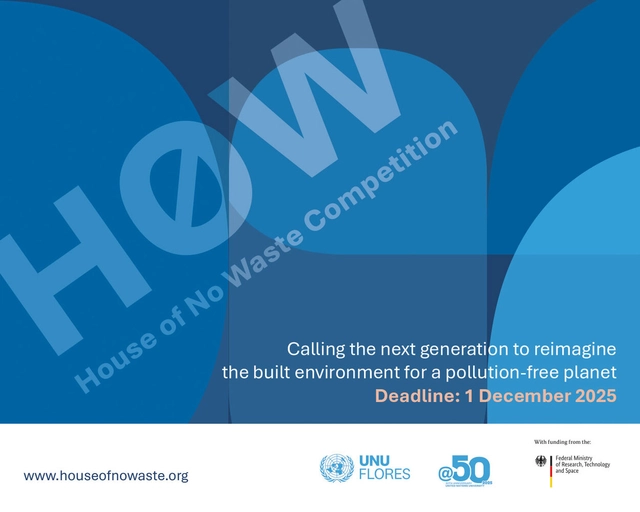
The House of No Waste Competition (HØW) calls upon aspiring young architects, landscape architects, building and structural engineers, planners, builders, material and environmental scientists, product designers, and built environment professionals to engage in a global competition that tackles pressing issues of the circular economy and waste management in the built environment. The competition is organised by the United Nations University-FLORES, to mark the 50th anniversary of the UNU. Its Institute for Integrated Management of Material Fluxes and Resources (UNU-FLORES) is marking the anniversary with the launch of the HØW initiative, of which the competition is a central element.

Susanna Moreira's path into architecture was shaped early by her involvement in architectural theory and research during her undergraduate studies. Born in Salvador, Brazil, she has also lived and studied in Milan and São Paulo—experiences that have enriched her understanding of the dynamic intersections between art, architecture, and urban environments. These interdisciplinary interests continue to inform her curatorial approach and editorial work.
As ArchDaily's Project Curator for Portuguese-speaking countries, Susanna seeks out projects that offer meaningful contributions to architectural discourse. She values originality, quality, and relevance, always questioning what lessons a project might offer in terms of innovative materials, construction techniques, or conceptual approaches. In an era of information overload, she believes careful curation is essential to build trust, enhance learning, and highlight work that truly stands out.

Utopian Hours is the festival that tells the story of "making cities": the ideas, projects, and places that are improving urban life around the world.
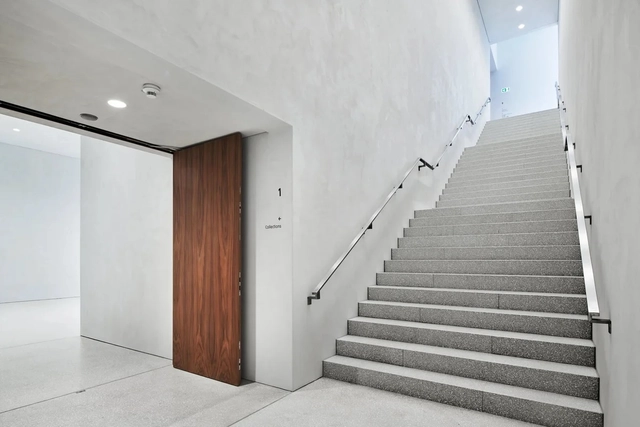
14 individual brands and two subsidiaries are represented under the Swiss brand Arbonia. Although the brand, which is now making its long-overdue public debut, maybe new, the list of realized projects certainly is not. A glance at the reference archive, which Arbonia presents prominently, shows this. These include construction projects for the healthcare sector as well as offices and administration, historical buildings, educational institutions, hospitality and residential developments. Three particular distinct highlights stand out, as they uniquely embody Arbonia's motto: 'open to aspiration'.
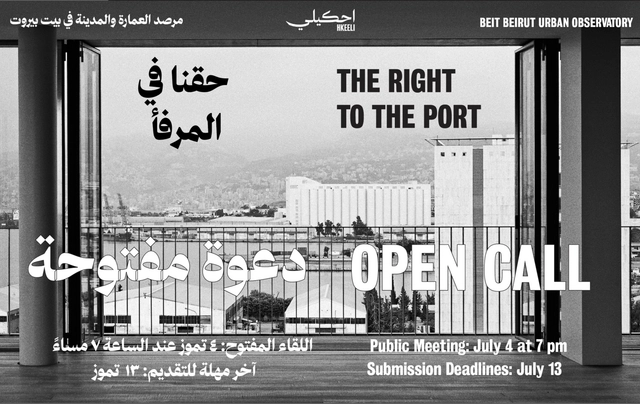
THE RIGHT TO THE PORT is a multi-layered initiative about the Beirut Port — a space of connection, labor, memory, and future possibilities; a vital space that has long been disconnected from the city.
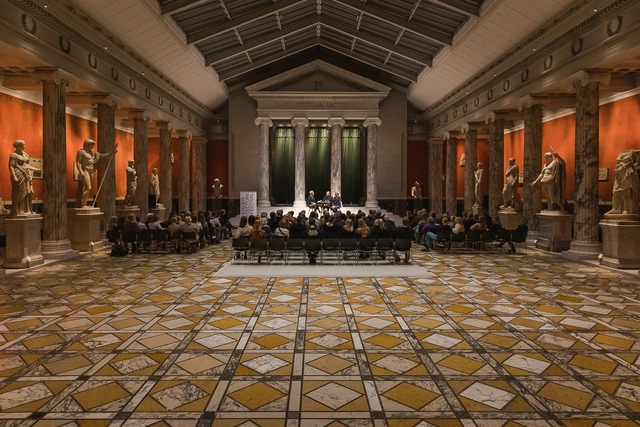
The ecological crisis demands a building sector operating within planetary boundaries. But significant structural barriers block the road. Over two action-packed days, you'll gain the tools, strategies, and narratives to overcome them.
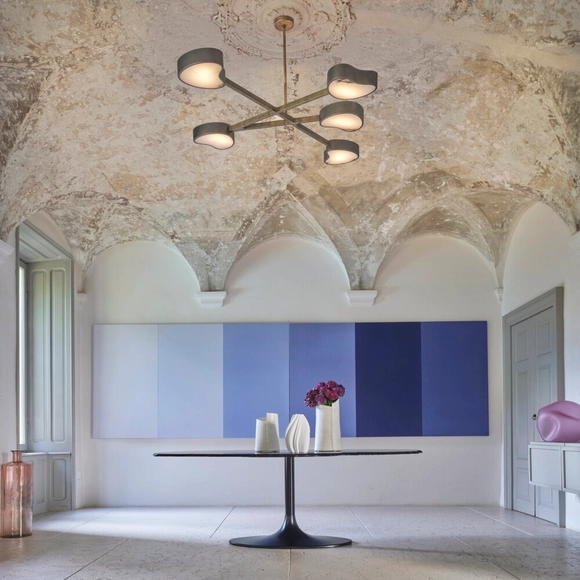
ICFF returns to New York's Javits Center this May 18–20 with a refreshed sense of purpose and a global perspective. With its 2025 theme, 'Designing in Harmony', the fair sets out to explore how design can bridge divides — between materials and methods, cultures and climates, past and future.
At a time when balance feels elusive, ICFF is aiming to create it through a curated mix of furniture, lighting, objects and conversations around regeneration, resilience and collaboration positioned as practical frameworks. Architonic spoke to ICFF Brand Directors Odile Hainaut and Claire Pijoulat ahead of the fair to elaborate on this through-line and tease what else to expect.

"Provoking the Territory: Bernard Khoury" is the third volume in the Dongola Architecture Series, and it takes a bold look at the work of one of Lebanon's most provocative architects. This book launch will be accompanied by a panel discussion that dives into Khoury's trajectory—from early experiments to his reinvention in his fifties—unpacking how his architecture embodies the contradictions of Beirut and the broader region.
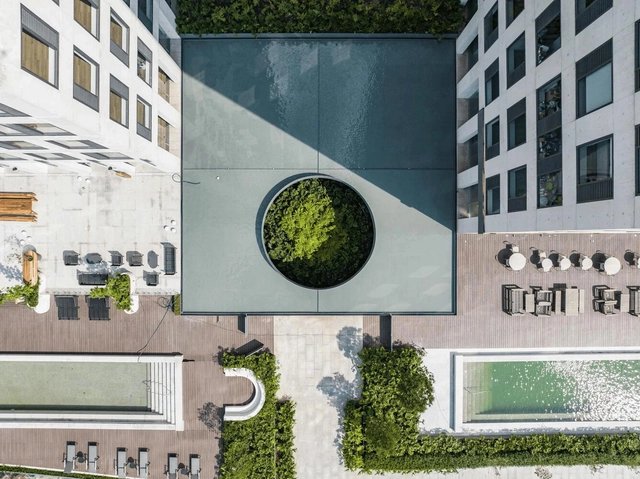
When the seeds that would bloom into BoConcept were planted by cabinet makers Tage Mølholm and Jens Ærthøj, in the small Danish town of Herning in 1947, its founders could hardly have foreseen that their nascent furniture company would eventually become a global leader in contemporary Scandinavian design.
But such is the way. BoConcept now operates 300 dedicated stores in over 65 countries, and many of its pieces – from the minimal, organic and ergonomic Adelaide chair, designed by Henrik Pedersen; to Morten Georgsen's classically-inflected, ceramic-topped Santiago dining table – have become touchstones for interior designers and aesthetically minded consumers alike. Its global reach is supported by dedicated franchisers, such as Carlos Salamonovitz, who recently brought BoConcept's vision to a new residential project in Mexico City.