

-
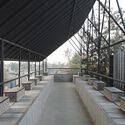
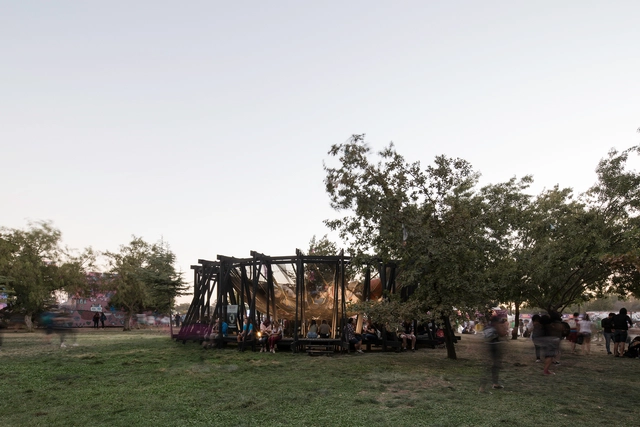
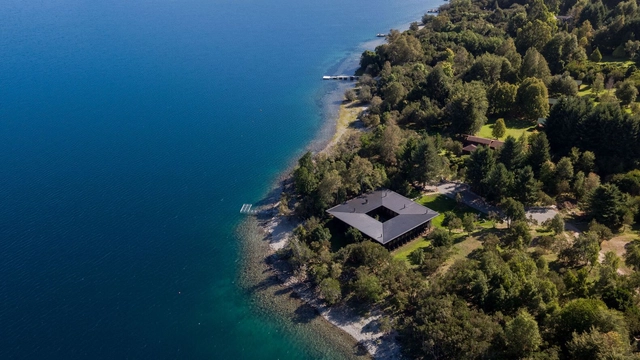
Architects: Guillermo Hevia García
- Area: 1884 ft²
- Year: 2018
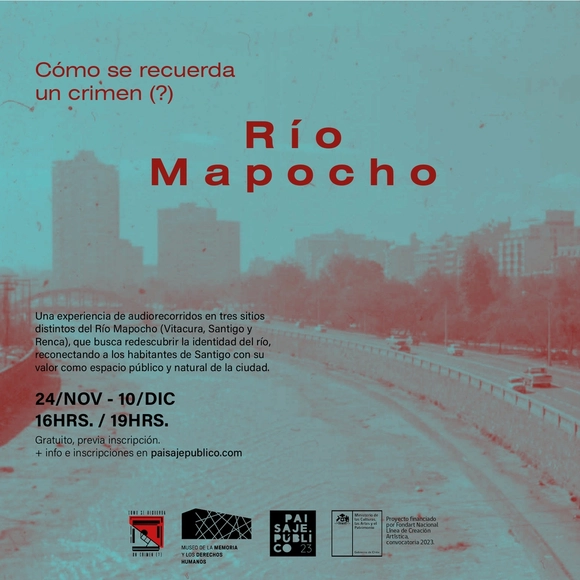
“How to Remember a Crime: Mapocho River” is a free performance that, through a walking tour guided by soundscapes, voiceovers, and testimonies, encourages reflection on the connection to nature, civic development, fundamental rights, and crimes against humanity committed during the dictatorship.
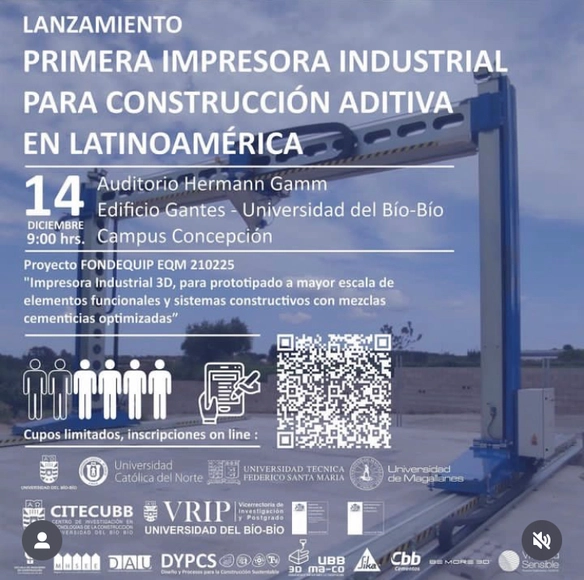
The launch of the first industrial printer for additive construction in Latin America will take place on Thursday, December 14, at the Universidad del Bío-Bío's Concepción campus. This printer will enable the construction of entire houses in Latin America for the first time. It represents a significant advancement in additive construction developed by the UBB's Center for Research in Construction Technologies (CITEC), which has already produced various pieces of furniture and residential walls using an industrial robot in collaboration with several industry partners.
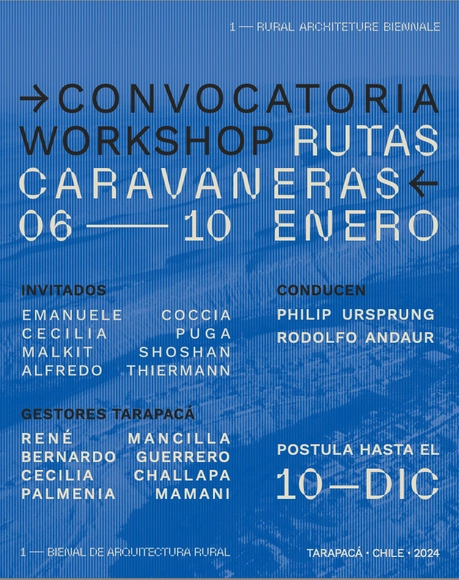
“Ruta Caravanera” is an interdisciplinary workshop based on the itinerant methodology of Swiss curator and historian Philip Ursprung and the territorial research trips led by Tarapacá-based curator Rodolfo Andaur in Tarapacá and other regions of the Americas. The workshop’s objectives revisit the ancestral practices of the first Andean nations as alternative frameworks for reading and understanding geography.
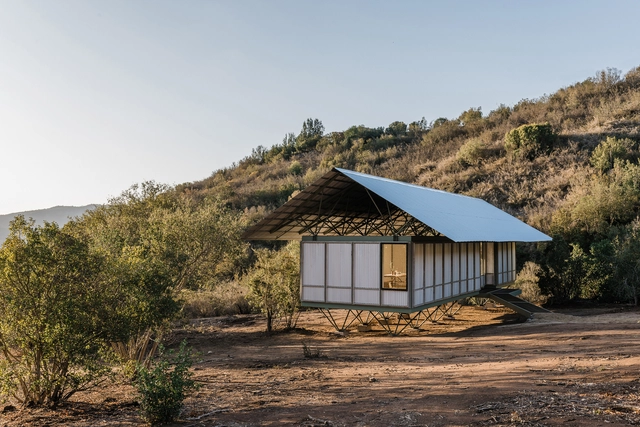

Remote Residencies is an initiative emerging from the Architecture program at Campus Creativo in collaboration with the Outreach department of the Universidad Andrés Bello. It is an [inter-trans-multi]disciplinary project that aims to open a discussion on contemporary topics based on a question and an image, which will be materialized as an installation at Galería Rocamar, located on the first floor of Campus Creativo in Viña del Mar, Chile.
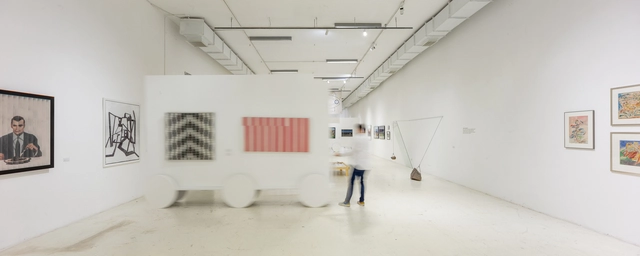
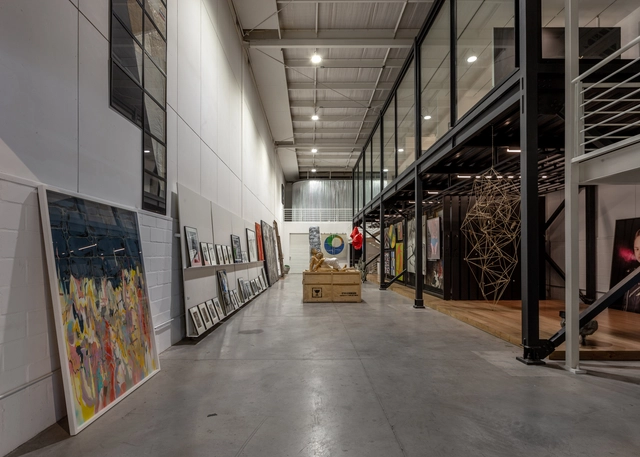
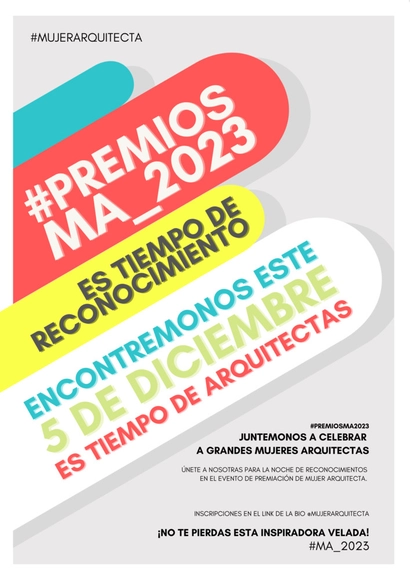
The second edition of the "Premios MA 2023" seeks to promote and highlight the work of contemporary women architects in Chile, featuring two award categories: Emerging and Established. Both categories aim to identify and recognize architectural production in areas such as Housing, Public Architecture, Urbanism, Landscape, and others.

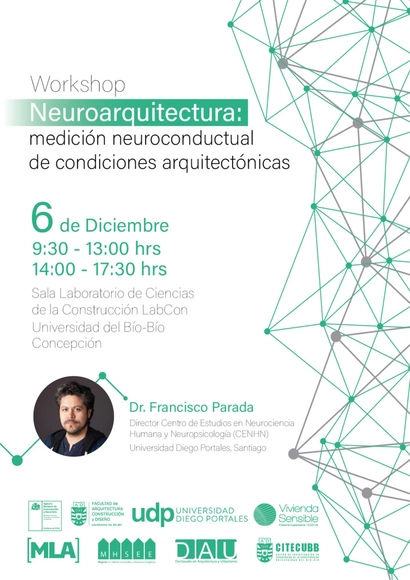
Architectural environments impact human well-being. Neurobehavioral measurements can be used to determine the most appropriate conditions for spatial environments.
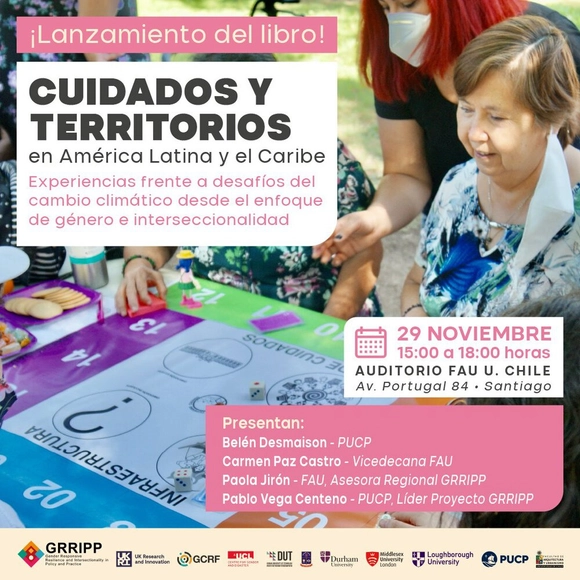
The Pontificia Universidad Católica del Perú (PUCP) will host the book launch event for "Care and Territories in Latin America and the Caribbean: Experiences Facing the Challenges of Climate Change from a Gender and Intersectionality Perspective," at the auditorium of the Faculty of Architecture and Urbanism (FAU) at the University of Chile.
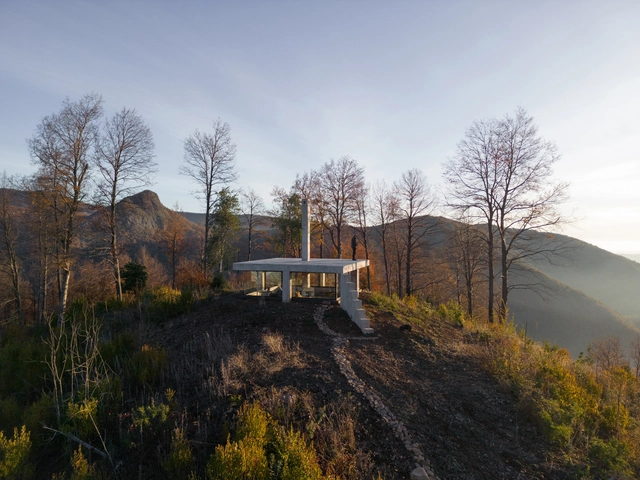

The 17th edition of the "From Territory to Detail" International Architecture Seminar serves as a space for dialogue and reflection, bringing together students, academics, and professionals alongside renowned Latin American architects. These architects share a common trait: they balance teaching with professional practice across various fields, ranging from editorial work to artistic experimentation.
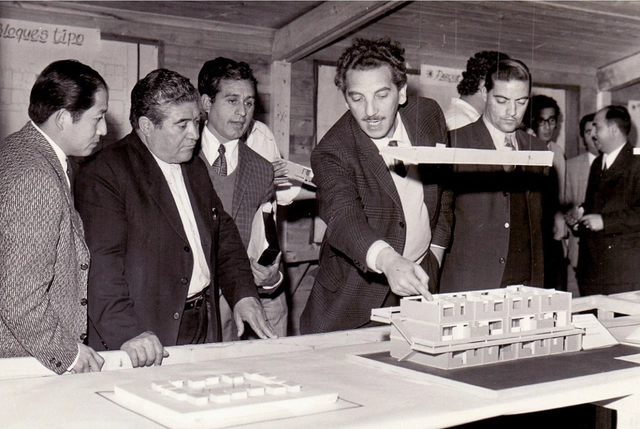
On November 16, the University of Santiago de Chile (USACH) will award an honorary doctorate to architect and 2019 National Architecture Prize recipient Miguel Lawner Steiman, in recognition of his distinguished career and commitment to social housing.