Content Editor at ArchDaily Mexico. Architect by UNAM (2018). Her interests focus on exploring the relationship of the body with architecture through dance. She has collaborated with different international choreographers who explore dance and architecture as an event. Twitter / Instagram: @monicarellano_
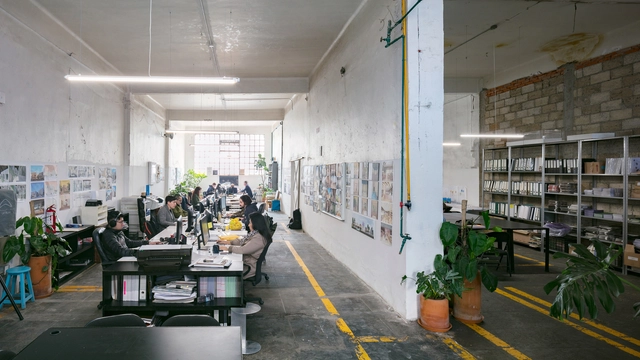
After having previously photographed the architecture offices in the Netherlands, Dubai, London, Paris, Beijing, Shanghai, Seoul, the Nordic countries, Barcelona and Los Angeles, the architectural photographer Marc Goodwin continues the series with an exploration of some of the most recognized architecture offices in Mexico. With a set of emerging and world-renowned offices alike, the series offers insight into the lives of designers in Mexico City.
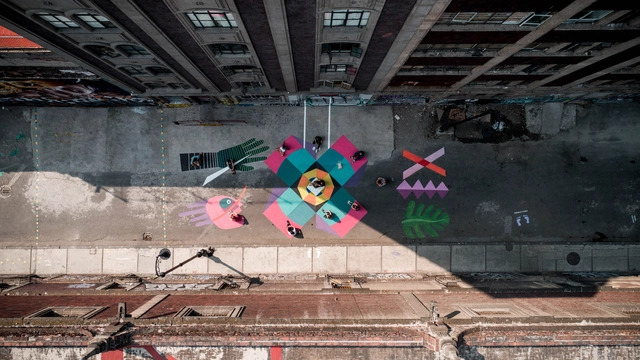
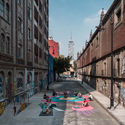
As part of the 2nd Placemaking Latinoamérica gathering –organized by Lugares Públicos A.C.– which took place in Mexico City during the first and second weeks of November, various activities were carried out, including the restoration of eight public spaces led by Mexican and Latin American participatory urban planning specialists in the boroughs of Cuauhtémoc, Iztacalco, and Miguel Hidalgo.
One of the most important factors when designing is the specific climate of the site. This can often present challenges when dealing with extreme climates and it is necessary to use insulating materials that adapt to changing conditions. However, Mexico and its privileged climate can be in an architect's favor. Here, architects can create microclimates and spaces that blur the transition of inside and outside.
Currently, project production within universities in Mexico is immense, and we believe it is the perfect time to showcase some of their best work. Many undergraduate theses—also known as graduation projects—address truly interesting and valuable topics for our country. Unfortunately, the vast majority remain stored on library shelves or in a computer folder, missing the opportunity to drive real change in our cities and the way we inhabit them.
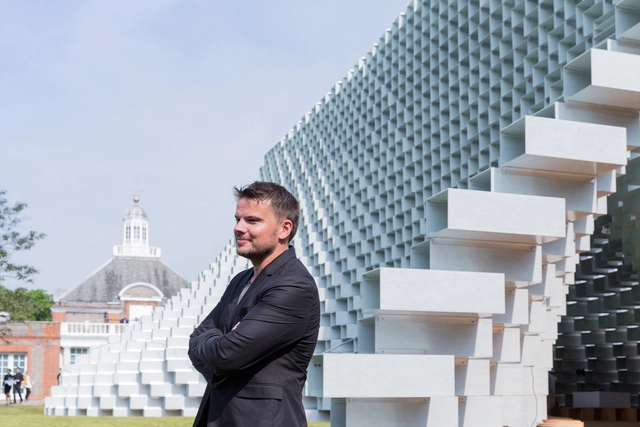
The Kalmanani Prize is an annual event held in Mexico City that has recognized the work of various prominent architects over the years, including SANAA, Sou Fujimoto, Steven Holl, and Álvaro Siza. This year, NODE is honored to present Bjarke Ingels of BIG in Mexico City, recognizing the career of one of today's most innovative and prominent architecture firms. Recently named Chief Architect of WeWork, Bjarke Ingels will deliver a keynote lecture in addition to receiving the eighth edition of the Kalmanani Prize.
Colonia Roma is considered one of Mexico City's architectural jewels, shaped by early 20th-century trends that stood as a symbol of Porfirian aspirations. The neighborhood, one of the city's most prominent and home to a large community of creatives, is a living entity that constantly evolves. It attracts both domestic and international tourists who enjoy walking along its tree-lined streets, taking in the vibrant architectural styles and diverse culinary scene.
It is true that designers, architects, and the general public share an endless fascination with abandoned architecture. Throughout history, shifting economies, disasters, regime changes, and sheer incompetence have forced the evacuation of striking architectural structures, which today serve as curious—and even haunting—monuments to bygone eras.
This fascination has led to the publication of several articles on our site exploring the mysteries of some of the most famous sites through text and photography. Yet, this curiosity has also driven individuals to venture out and document their experiences firsthand. Such is the case of Mike Corey, a YouTuber who, through his channel Fearless & Far, has dedicated himself (among other pursuits) to exploring some of Mexico's most famous abandoned buildings.
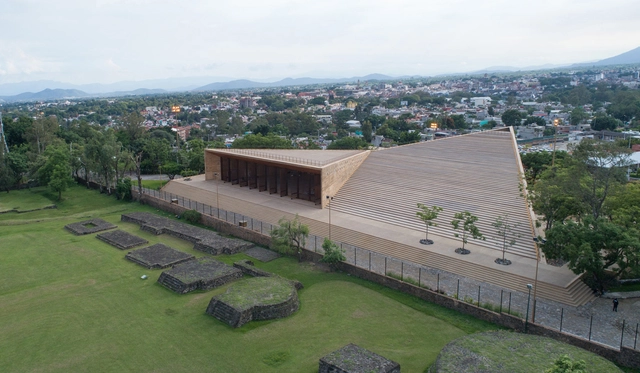
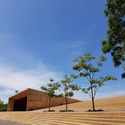
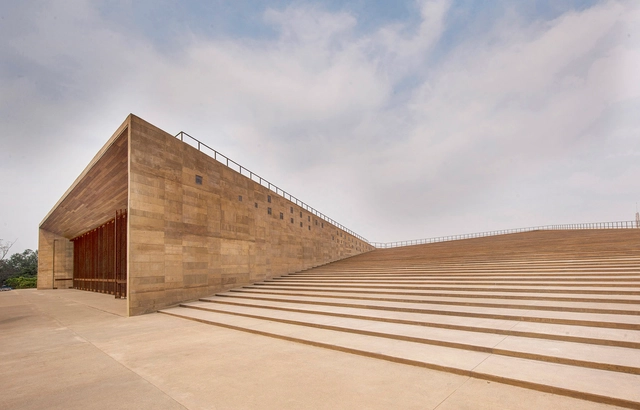
The year 2018 has been filled with achievements and surprises for the architectural community. As the year draws to a close, we reflect on the crucial role competitions play in reinforcing the global image of each region or country. Mexico was no exception, securing nearly 18 international recognitions (including grants, competitions, nominations, etc.) that showcased its key interests and goals for the coming years to the rest of the world. This selection highlights the prominent participation of Mexican architects Frida Escobedo and Rozana Montiel—both invited and recognized on multiple occasions at some of the industry's most prestigious events—as well as outstanding projects like the Teopanzolco Cultural Center by Isaac Broid + Productora, which received several national and international awards.
As the end of the year approaches, and after celebrating six years in Mexico, we would like to thank you all once again for making 2018 our best year yet. Thanks to your ongoing support and our close connection with our readers, we are now reaching many more architects worldwide to inspire them to create better urban environments for everyone.
A quintessential characteristic of Mexican culture — in addition to its architecture and rich pre-Colombian identity — is its gastronomy. In 2010, UNESCO's Intangible Cultural Heritage list inscribed Mexican Traditional Cuisine. The foundation remarked that "their knowledge and techniques express community identity, reinforce social bonds, and build stronger local, regional and national identities." However, from Mole to Birria and Pozole to Cochinita Pibil, the most iconic, versatile, and tasty meal is the taco.
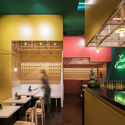
In honor of Mexico's rich history, tradition, and food, take a look at 7 taquerias that can inspire your next project.
As the end of the year approaches, and after celebrating six years in Mexico, we would like to thank you all once again for making 2018 our best year yet. Thanks to your continued support and our close relationship with our readers, we now reach many more architects worldwide, inspiring them to create better urban environments for everyone.
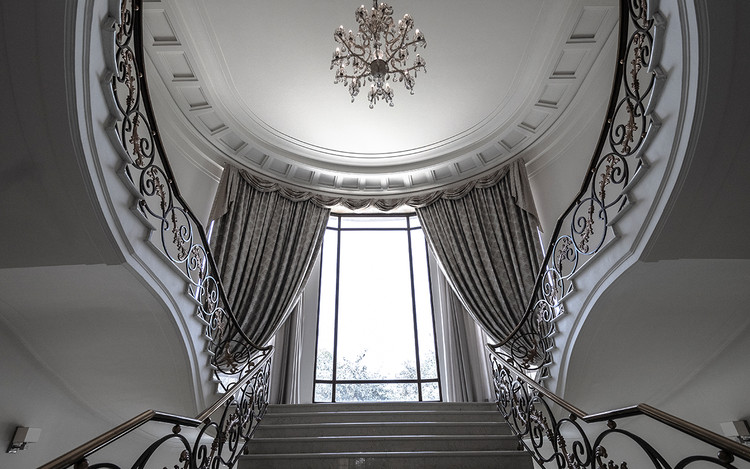
The history of the former official presidential residence "Los Pinos" dates back to 1935, when President Lázaro Cárdenas decided that Chapultepec Castle was too ostentatious to live in during his six-year term, choosing instead to move to the "Los Pinos" ranch. This set a precedent for subsequent administrations to embrace the idea of residing there and, over time, constructing much larger facilities to better accommodate official functions.
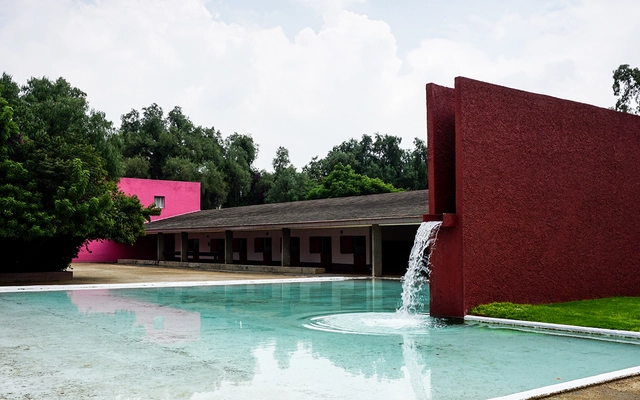
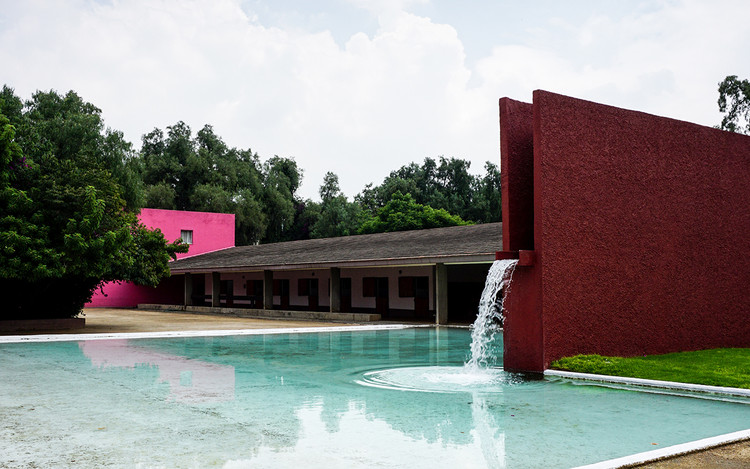
On November 22, 1988, one of the most important and revered figures in the history of Mexican and international architecture died in Mexico City. Luis Barragán Morfín, born in Guadalajara and trained as a civil engineer left behind an extensive legacy of published works, conferences, buildings, houses, and gardens that remain relevant to this day. While Barragán was known for his far-reaching research in customs and traditions, above all, the architect spent his life in contemplation. His sensitivity to the world and continued effort to rewrite the mundane has made him a lasting figure in Mexico, and the world.
Undoubtedly, Luis Barragán's legacy represents something so complex and timeless that it continues to inspire and surprise architects across generations. It is because of this that, 30 years after his death, we've compiled this series of testimonies from some of Mexico's most prominent contemporary architects, allowing them to reflect on their favorites of Barragan's works and share just how his work has impacted and inspired theirs.
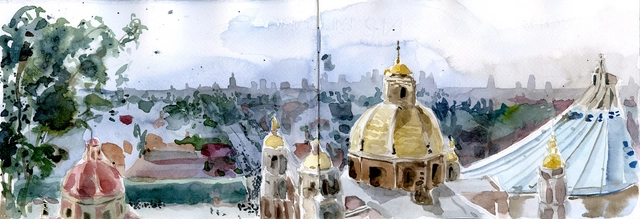
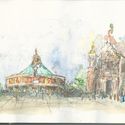
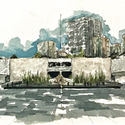
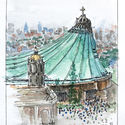
Urban Sketchers is an international non-profit organization dedicated to fostering a global community of artists who practice on-site drawings to enhance the artistic, narrative, and educational value of drawing. Connecting people from all over the world, the organization brings people in touch with their environment to illustrate drawings of their lived experiences.
Cuernavaca, located just a few hours from Mexico City, is one of the most visited places in the country thanks to its history, weather, and architecture. The city has eleven declared historical sites, such as the Cortés Palace, the Cuernavaca Cathedral, the Borda Garden, the Calvario Spire, Teopanzolco, Chapultepec Nature Park, the Cuernavaca Kite, and the Hotel Casino de la Selva, among others. For the past few years, Cuernavaca has experienced a boom in contemporary architecture, starting with the Tallera building which was built in 2010 by Mexican architect Frida Escobedo. The project gave life to the Siqueiros murals and all the history behind them.
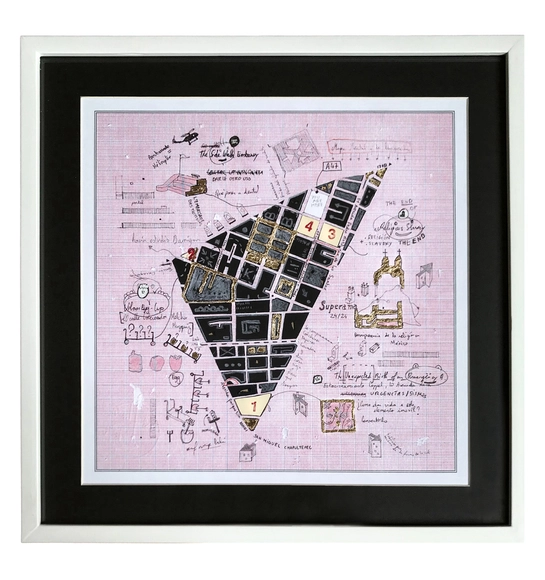
'Oso Hormiguero' is an exhibition presented on November 21 at Fundación Alumnos 47. It serves as a metaphor for an experimental urban research practice that explores the fictional potential of a dormant urbanization, seeking to demonstrate that by challenging our habits and everyday objects, we can limitlessly reinvent how we view the surrounding urban landscape.
This exhibition is an opportunity to propose an unusual reading of the urban environment of Colonia San Miguel Chapultepec through the revaluation of the ordinary elements that make up the everyday yet forgotten landscapes of Mexico City. - We Are An Event
The second edition of Living Places - Simon Architecture Prize is a competition organized in collaboration with prestigious international architecture firms, featuring 145 projects from 12 European countries and Mexico. Although European in scope, this edition of the prize includes Mexico as a special guest. The award is presented in two categories: Personal Places and Collective Places, with a €10,000 prize for the winner of each.
The jury comprised various professionals, including renowned Mexican architect Frida Escobedo, founder of her eponymous studio, the youngest designer of a Serpentine Pavilion and recently awarded a RIBA International Fellowship; Davide Rapp (Milan), an architect and filmmaker who created the film “Elements” for the 2014 Venice Biennale as the introductory video to the central exhibition; Cecilia Tham (Hong Kong, Barcelona), founder of the creative community MOB Makers of Barcelona; and Ricardo Flores (Buenos Aires, Barcelona) of Flores & Prats Arquitectos, one of the winners of the prize's previous edition.
Moisés Hernández (Mexico City, 1983) is a Mexican designer who graduated with honors in Industrial Design from the Monterrey Institute of Technology and Higher Education in 2007. Hernández has always been drawn to the simplicity and refinement of objects; his inspiration stems from Mexican objects, traditions, textures, contrasts, and the chromatic diversity of his surroundings, as well as the experience of living in a chaotic, overpopulated city.










.jpg?1547587025)