Content Editor at ArchDaily Mexico. Architect by UNAM (2018). Her interests focus on exploring the relationship of the body with architecture through dance. She has collaborated with different international choreographers who explore dance and architecture as an event. Twitter / Instagram: @monicarellano_
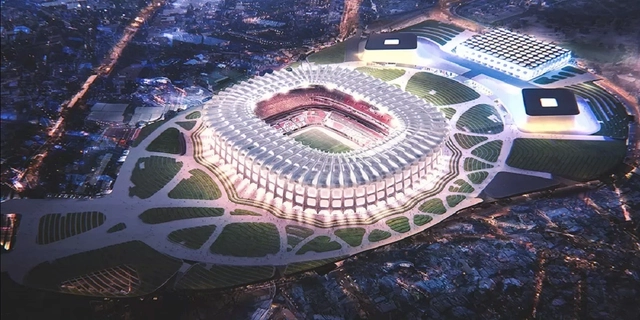
As part of the preparations for the 2026 FIFA World Cup—co-hosted by Mexico, the United States, and Canada—the remodeling proposal for Mexico City's Estadio Azteca has been unveiled. The historic venue has hosted countless milestone events over the decades and remains one of the capital's premier event spaces.
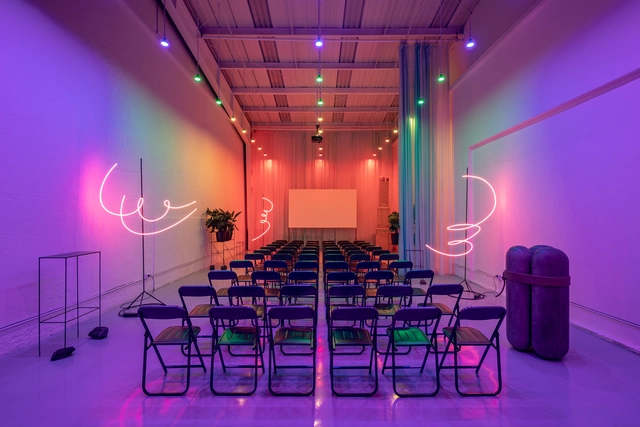
One of the defining features of cities is their undeniable capacity to bring together creative talent through multiculturalism and transdisciplinarity. Today, it is increasingly vital to generate spaces and platforms within these urban environments that serve as creative laboratories—places not only to share but, above all, to reflect on contemporary practice, viewing design not as a decontextualized entity, but as an integrated concept that bridges diverse disciplines.
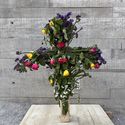
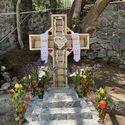
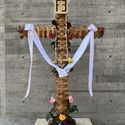
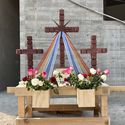
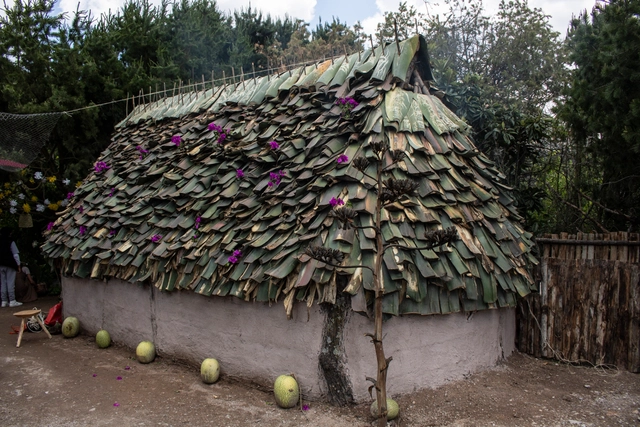
May 3rd is a holiday originating from the Finding of the Holy Cross (also known as May Cross or Feast of the Crosses), which traces its roots back to Roman rites celebrating the Cross of Christ. Over time, this commemoration has evolved and been adopted across cities in Mexico, Chile, Spain, Ecuador, El Salvador, Guatemala, Paraguay, Peru, Trinidad and Tobago, Argentina, Colombia, and Venezuela, where traditions include floral decorations, processions, and dances.
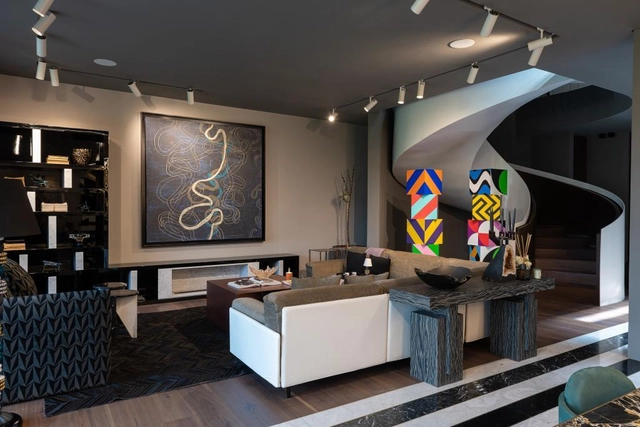
Mexican interior designer and artist Olga Hanono has been invited to present her latest exhibition, DREAMVILLE, at La Biennale de Venezia Modigliani Opera Vision, from May 1 to July 31, 2022. The collection is inspired by the human capacity to dream, reflecting on imaginary objects that might exist within a dreamscape, along with the variety of colors and shapes found in distant stars, planets, and galaxies. Hanono has created art pieces and furniture using unconventional, luxurious materials.
Every year, the National Fund for Culture and the Arts (FONCA), through the National System of Art Creators (SNCA), recognizes those who represent excellence in national culture through the Jóvenes Creadores Program. By providing grants, the program supports the creative and training processes of young Mexican artists, fostering favorable conditions for the development of original, significant, and positive creative projects.
Molière Street Renovation / PPAA Pérez Palacios Arquitectos Asociados. Image
Over the years, interior design has evolved in response to changing needs, and above all, to the experiences it seeks to evoke for the user. Over the last two years, we have witnessed a radical shift and a heightened interest in this field, as the pandemic forced us to pay closer attention to how we configure the spaces we inhabit. This has brought about much more holistic designs aimed at user well-being, combining colors, sensory experiences, technology, and natural elements that promote health.
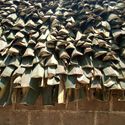
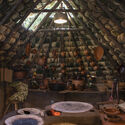
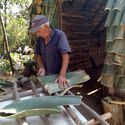
Today, understanding the properties of materials used in vernacular construction is essential to ensuring a better quality of life and spatial habitability, both of which have evolved alongside new technologies in the market. Spatial design now represents a commitment to the natural environment and, consequently, to improving quality of life.
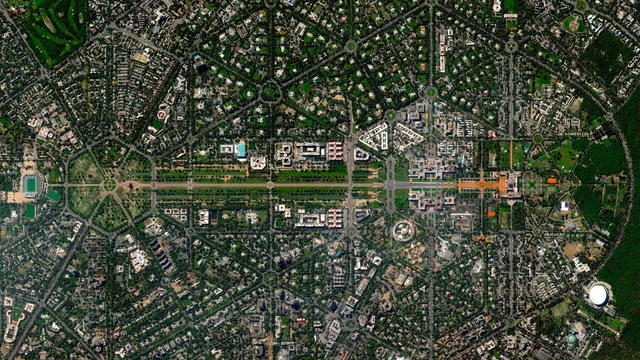
Today, technology is increasingly ubiquitous in major cities, driven by the rapid pace of capital-driven movement. A popular term to describe the relationship between urbanism and technology is “Smart Cities,” which centers on leveraging data to enhance building connectivity. However, widespread access to these new technologies has revealed how our unique experiences as citizens—driven by a strong desire to document urban environments—allow us to map and experience cities from alternative perspectives.
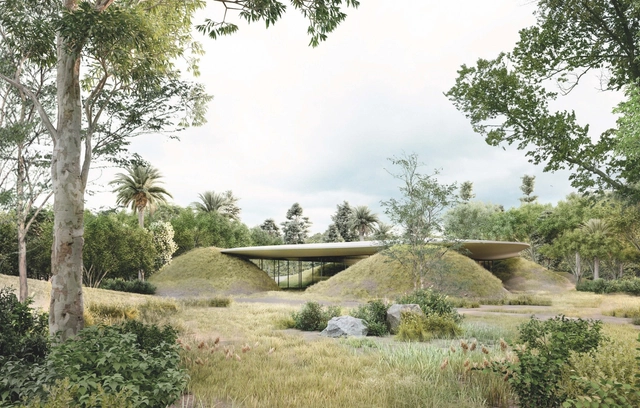
In August 2021, the call for entries was launched for the ideas competition for the "Scenic Garden and Pavilion" project. The primary goal was the reorganization and comprehensive recovery of the area known as the "ecological parking lot" to integrate it with the Centro Cultural del Bosque (CCB). The project called for the design of a Scenic Pavilion conceived as "a permanent space with unobtrusive, harmonious architecture that blends into the Forest's environment, establishing a point of connection with both the performing and visual arts ecosystems, looking toward the Zoo and the Museum of Modern Art."
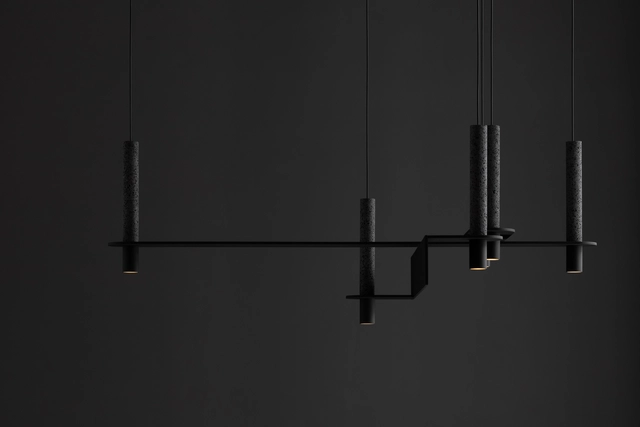
Founded in 2013 and based in Mexico City, David Pompa is a studio comprising designers, engineers, and makers established in Mexico and Austria. David Pompa grew up in both countries and studied product design in London. Over time, the studio has shown a strong interest in traditional materials and techniques, maintaining a commitment to Mexican culture since its inception—a dedication reflected in the creation of aesthetic and accessible design objects. On this occasion, they are presenting a new collection for Milan Design Week 2022 on Via Simone Saint Bon as part of Fuorisalone from June 5 to 12.
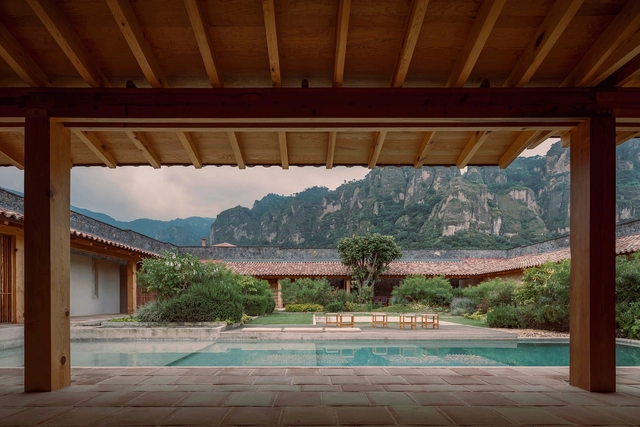
La Hacienda Jardín / Práctica Arquitectura. Image via DNA Paris Design Awards
The DNA Paris Design Awards have announced the winners of the 2022 edition in the categories of architectural design, interior design, landscape design, product design, and graphic design. The results were announced at the end of June, and the awards ceremony will take place in Paris in September 2022.
On this day 117 years ago, Juan O'Gorman—the first Mexican functionalist architect—was born, whose work marked a turning point in the architectural production of his era. He trained at what was then the National School of Architecture, where he completed and integrated his studies in architecture and engineering. Considered the father of modern architecture in Mexico, O'Gorman trained in the style of Le Corbusier and the stripped purism of Villagrán, eventually evolving toward the "New Mexican Baroque" movement. His works were characterized primarily by the use of reinforced concrete, asymmetric exteriors, and a constant search for air and light.
Architectural visualization is a branch of the profession that has gradually evolved to show more than just a final image of the projects presented. Over the years, with new tools made available by technology, it has become increasingly interesting to explore the different facets that speak not only to an author's language, but to a firm's own processes. At ArchDaily, architectural visualization has been a topic we have explored through various articles that reveal different ways of working, but above all, of communicating.
In November 2022, the Network of Latin American Architecture Biennials REDBAAL will mark its first ten fruitful years, celebrating this milestone by launching the Fourth Edition of the Oscar Niemeyer Award for Latin American Architecture, the prestigious ON-04 Prize. This August, the jury's decision was announced, revealing the top three winners and recognizing the work of architects from Brazil and Mexico.
The results of the XIV Yucatan Architecture Biennial have been announced. A total of 17 accolades were awarded, including 1 gold medal, 6 silver medals, and 10 honorable mentions across 15 different categories. The jury comprised architects Edgar Herrera, Manuel Herrera, Felipe Leal, and Carlos Rodríguez. Read on to discover the winners.
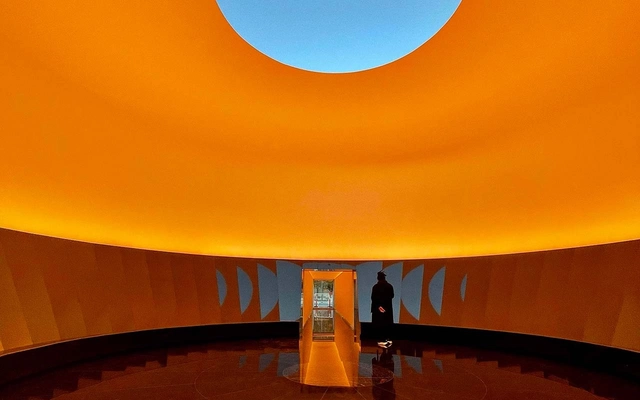
Recently, Tec de Monterrey unveiled “Skyspace: Espíritu de Luz,” an installation designed by American artist James Turrell that now joins DistritoTec in Monterrey, Mexico, as a cultural destination that enhances spatial quality through innovation. Arising from the “Light & Space” art movement, this piece was designed as an observatory to generate a unique visual experience through a sequence of lights every 12 hours, at dawn and dusk. It also serves as a tribute to the life and legacy of Don Eugenio Garza Sada and Eugenio Garza Lagüera.
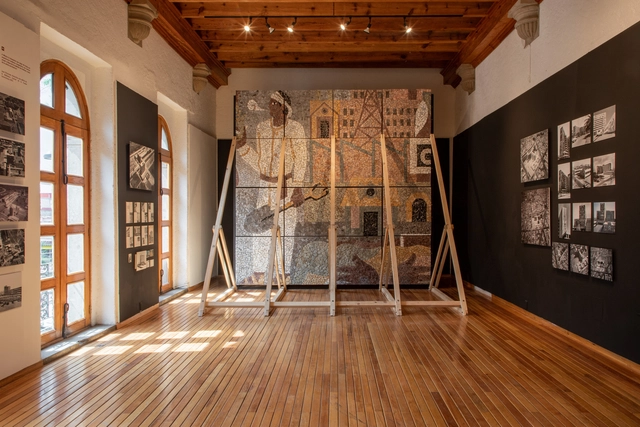
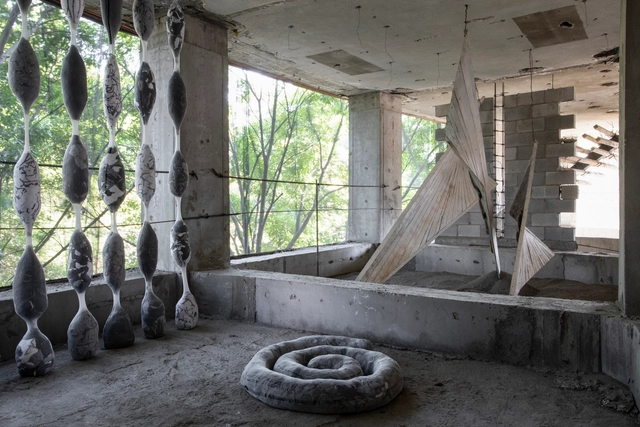
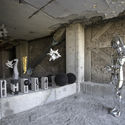
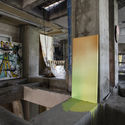
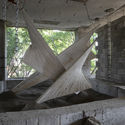
As part of the cultural agenda for Art Week 2022 in Mexico City, guadalajara90210—in collaboration with Michan Architecture and Luis Young—presented the exhibition "YACIMIENTOS," featuring works by 53 artists and architects. The venue, a building currently under reconstruction in the Condesa neighborhood, hosted the exhibition from February 12 to 20.