Arturo Arrieta
Content Editor at ArchDaily Mexico. Architect by UNAM (2018). Her interests focus on exploring the relationship of the body with architecture through dance. She has collaborated with different international choreographers who explore dance and architecture as an event. Twitter / Instagram: @monicarellano_
Arturo Arrieta
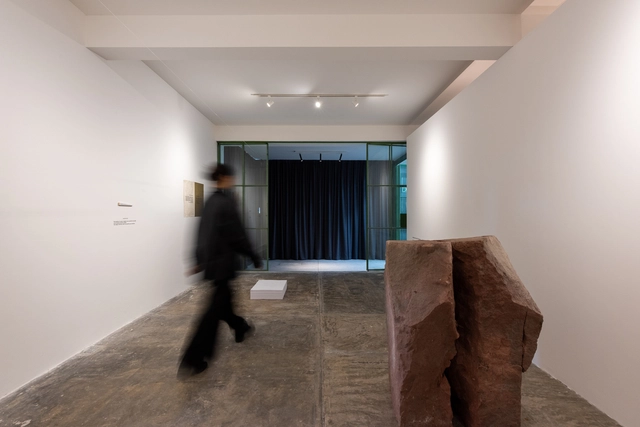
As part of the cultural agenda of LIGA, Espacio para arquitectura in Mexico City, the work of a Cuban architecture office is presented for the first time: Infraestudio. The studio, composed of Anadis González and Fernando Martirena, addresses various conflicts and challenges in their daily practice, including job precarity in a context where private architectural practice is illegal. Despite this obstacle, they have managed to develop a provocative body of built work, intertwining it with proposals linked to artistic practices.
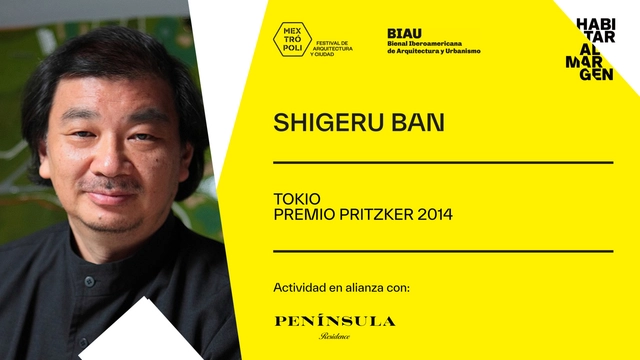
The Mextrópoli Architecture and City Festival presents its new 2022 edition in collaboration with the Ibero-American Biennial of Architecture and Urbanism, cementing its status as a benchmark event in Mexico City's cultural agenda and a global point of interest among specialized architecture events. Maintaining a high-level curatorial standard, MEXTRÓPOLI brings the voices of globally recognized architects, artists, mayors, and humanists to the public, offering affordable access for students and anyone interested in the present and future directions of the city. Mextrópoli is a platform that allows for experiencing the city, as well as reflecting on its political, civic, and aesthetic dimensions.
Periodically, we have witnessed how the coasts of Quintana Roo have suffered from severe sargassum algae blooms, representing a major problem for local residents who, year after year, dedicate themselves to exhaustively cleaning the beaches during the April-August season. Various media outlets have reported that the cause of the sargassum is still unknown; however, some theories link it to climate change and variations in the Atlantic Ocean. Currently, the non-governmental organization Red de Monitoreo del Sargazo de Quintana Roo (Quintana Roo Sargassum Monitoring Network) monitors sargassum presence in the region. According to its latest alert level system, there are 22 locations with an excessive presence of this macroalgae, and the same number considered abundant.
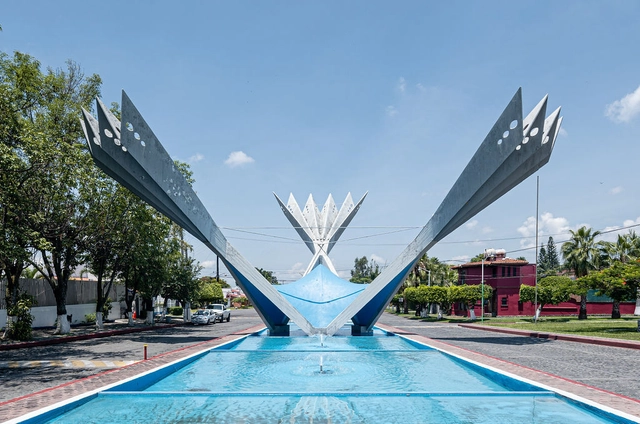
The Spanish-Mexican architect Félix Candela is one of the world's most renowned twentieth-century architects, celebrated for a career that explored reinforced concrete through experiments resulting in his famous cascarones (thin-shell structures)—structural and design elements that support many of his works, such as the Cosmic Rays Pavilion at UNAM in Mexico City (1951); the Palmira Chapel in Cuernavaca (1958); the Los Manantiales Restaurant in Xochimilco (1958); and the Palacio de los Deportes for the 1968 Olympic Games in Mexico City.
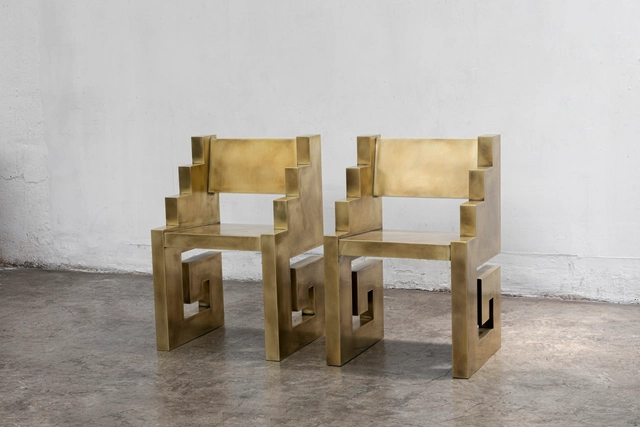
"Harmonious Contradiction" is the third and final summer exhibition at Sotheby's East Hampton Gallery New York and the first collaboration between MASA and Sotheby’s. Running from August 24 to September 18, this group exhibition features brass and polished bronze floor works by eight contemporary artists from Mexico City-based Masa Gallery, in conversation with a curated selection of contemporary and post-war works from Sotheby's.
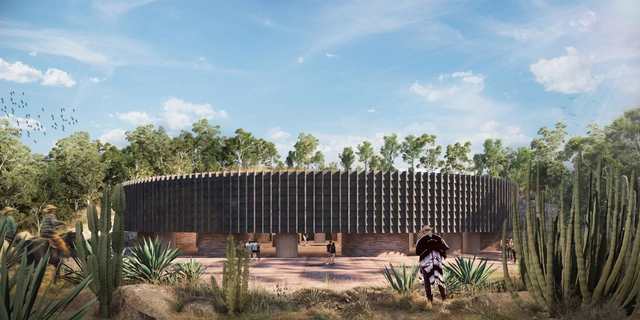
As part of a new collaboration between the Mexico City-based firms, Esrawe Studio and Francisco Pardo present "Biodynamic Community," a new project in Los Altos de Jalisco, Mexico. The development will be built on an 820,000-square-meter site and will have a total built area of 29,700 square meters.
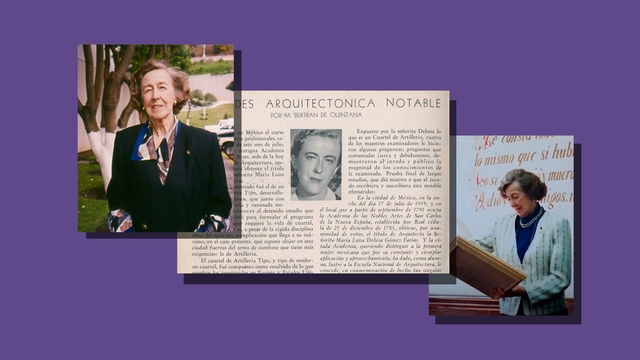
María Luisa Dehesa Gómez Farías (1912–2009) was a Mexican architect from Xalapa, Veracruz, who became the first woman in Mexico to earn a degree in architecture. Her professional training began in 1933 when she entered the Royal Academy of San Carlos. This required her to relocate to Mexico City—renting a rooftop room in Coyoacán from which she commuted by streetcar—to join a class of 113 students, only five of whom were women.
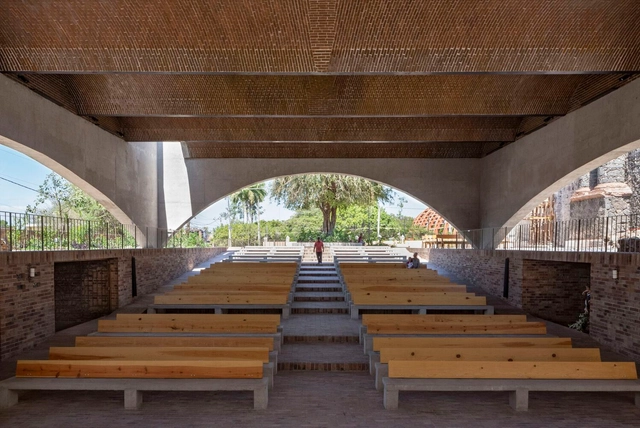
The Federation of Colleges of Architects of the Republic of Mexico, A.C., invited all Mexican architects to participate in the XVII National and International Biennial of Mexican Architecture 2022. This event sought to identify the country's best architectural works, as well as publications, research, and theses, recognizing their authors and promoting the most outstanding projects to foster, through analysis and critique, a reflection on responsible contemporary architecture and sustainable solutions. In this biennial, a single Gold Medal was awarded, and the projects were classified into 23 categories, featuring various Honorable Mentions and Silver Medals. Read on to discover the winners.
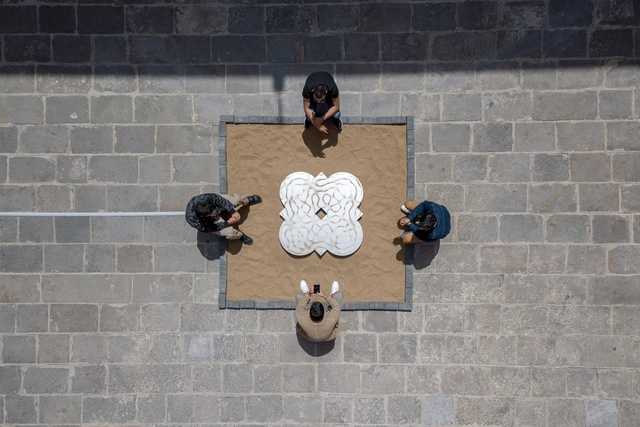
Initiated by Patio Efímero—a collective of young creatives—the open call for the "Patio 3 Competition: Encounter of Ephemeral Interventions" was launched in early 2022. Organized in collaboration with the National System of Art Creators of the Federal Ministry of Culture, the Puebla State Ministry of Culture, Museos Puebla, the Municipal Institute of Art and Culture of Puebla, the Municipal Ministry of Economy and Tourism of Puebla, and the Historic Center and Cultural Heritage Management Office of the Municipality of Puebla, the call invited established and emerging graphic, visual, and multidisciplinary artists, as well as architects, to participate in the third edition of Patio Efímero.
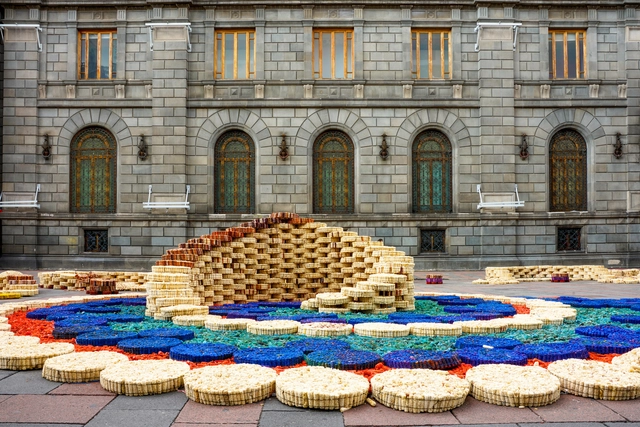
For the eighth time, the MEXTRÓPOLI Architecture and City Festival held the Arquine No. 24 | MEXTRÓPOLI 2022 Pavilion competition, a platform where architecture, urban planning, and art meet to contemplate and celebrate Mexico City. The event also aims to engage citizens by occupying public space with architectural installations that can be activated by visitors. Celebrating public spaces or offering a fresh perspective on everyday routes is the driving force behind MEXTRÓPOLI’s exhibition of these ephemeral architectural installations.
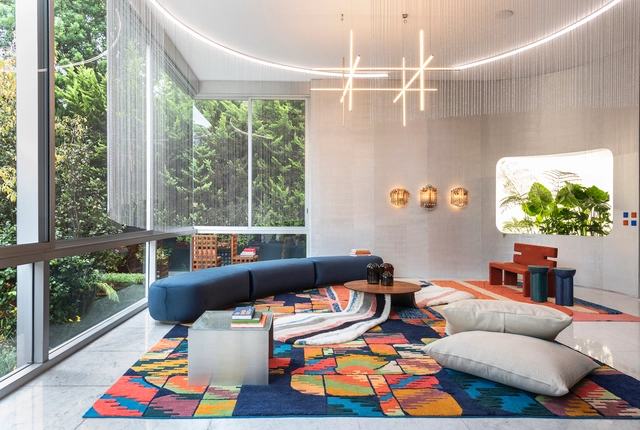
On October 13, Design House opened in Mexico City. As it does every year, the event showcases a series of installations integrating disciplines such as design, architecture, and interior design. Over the course of ten years, across various properties, it has presented cutting-edge proposals from more than one hundred participating firms in collaboration with the showrooms of the Ruta del Diseño (Design Route), which provide the pieces and accessories that bring the diverse spaces to life.
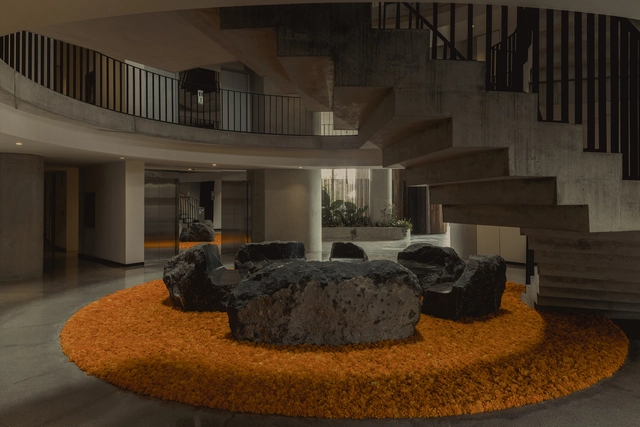
To mark one of Mexico's most important celebrations, architect Miguel de la Torre designs an annual installation for November 1 and 2. The celebration features cempasúchil (Mexican marigold) flowers, a plant native to Mexico that blooms in autumn. According to traditions dating back to pre-Hispanic times, the yellow and orange petals are used to guide the deceased during their visit, as they are believed to hold the light and warmth of the sun.
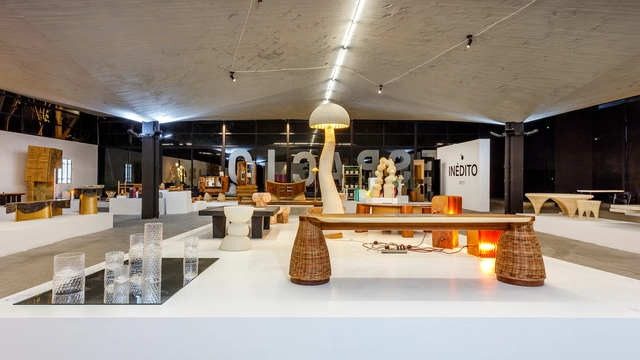
As part of the annual collaborative efforts of the Design Week team in Mexico City, the "Inédito" exhibition opened on October 14 at the Espacio CDMX Arquitectura y Diseño gallery. This showcase is part of the seventh consecutive edition of this open call, which aims to support, disseminate, and promote utilitarian design projects across several categories: social impact, environmental impact, innovation, function, aesthetics, concept, user experience, materials, and processes. Rather than being competitive, the exhibition—divided into professional, university, and limited-edition categories—opens up new opportunities in both national and international markets for exceptional design with commercial and production viability.
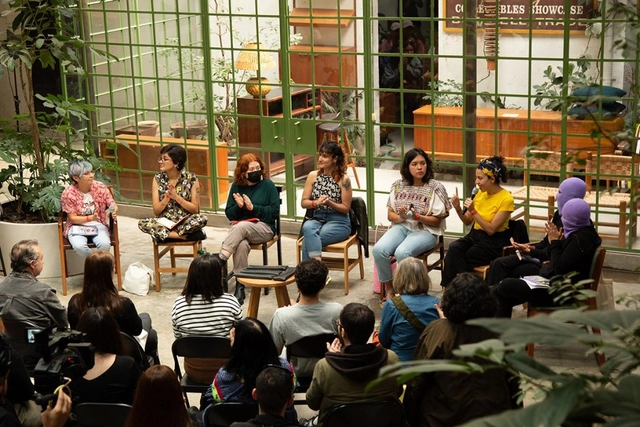
On October 19, 21, and 22, Laguna in Mexico City hosted the second edition of the first design festival created by Coolhuntermx, conceived by and for projects led by cis women, trans women, and dissident communities. This festival was conceived with an inclusive, diverse, and collective approach, curated by designers Andrea Soler and Taina Campos. Following a first edition filled with key learnings and shared knowledge, the objective remains the same: to serve as an inclusive platform for design proposals and other creative expressions seeking alternative dialogues to those taking place during Design Month. This year, various forums were held to address topics such as "Social and Community Impact," "Representation and Decision-Making," "Activism for Transformation," and "Design of Care." In addition, the "Voces Estudiantiles" (Student Voices) exhibition showcased posters addressing various contemporary topics being explored in universities. Similarly, a mural by Artsynonym and Flaminguettes captured some of the core concepts and guiding principles of the festival. The event also featured 'Mujeres de la Tierra' (Women of the Earth), a collective of Indigenous women who defend the land and their lives against violence: "we stand in solidarity with the struggle by planting, cooking, and sharing knowledge." Attendance and participation during the event were highly diverse, enriching the panels to foster a horizontal dialogue addressing specific concerns. It is increasingly necessary to create these spaces to bring visibility to the collective struggles resisting day-to-day dynamics. Therefore, if you were unable to attend, the full talks are available below on coolhuntermx's Twitch channel; simply click on the link for each session. DAY 1
Panel: Social and Community Impact
WATCH THE RECORDING HERE
The panel featured Alessandra Cireddu (Moderator): National Director of the Architecture Program, Tecnológico de Monterrey (@alitac); Talachas Girl (Speaker): EXCLUSIVE SERVICE FOR WOMEN AND LGBTQ+. Remodeling, interior design, recycling, savings, construction, and creation (@talachas.girl); CACEH. Marcelina Bautista (Speaker): Domestic worker for 22 years, currently director of CACEH, a civil society organization that empowers and professionalizes domestic workers (@caceh_nacional); and Colectiva Argamasa (Speaker): A women's collective seeking to coordinate the presence of women in spaces through cross-cutting architectural interventions (@colectiva_argamasa). Panel: Representation and Decision-Making
WATCH THE RECORDING OF THE TALK HERE
The panel featured Vulvísima, Avelina Fonseca (Moderator): Feminist activist, B.A. in Political Science from UNAM, specializing in emancipatory feminist economics and the social organization of care. Creator of Vulvísima (@vulvisima); Ashby Solano (Speaker): Creative Direction. Digital Fabrication Jedi. Multidimensional creative being (@ashbysolano); GirlUp (Speaker): Passionate advocates for gender equality, sexual and reproductive rights, climate action, mental health, and other social injustice issues (@girlupmx); Marbella Figueroa (Speaker): Co-creator and collaborator of Afrochingonas, a self-managed project addressing and problematizing Afro-descent and racism in Mexico (@marbellabrilhinho); and Astra Lem (Speaker): Graphic designer and trans activism (@astra.lem). DAY 2
Panel: Activism for Transformation
WATCH THE RECORDING OF THE TALK HERE
The panel featured Dora Bartiloti (Moderator): Multimedia artist. She explores the material qualities of textiles and electronics as tactical mediums for feminist activism and collective action (@dorabartilotti); Zines por Morras (Speaker): The project aims to share experiences of harassment against lesbian and bisexual women in Mexico City (@zinespormorras); Alina Kiliwa (Speaker): "As a lettering artist, I seek to reclaim the sign-painting tradition and revalue the practice through participatory processes" (@alinakiliwa); Mi calle Nuestra Calle (Speaker): Urban laboratory of participatory futures [futures + feminist urbanism + community art] (@micalle_nuestracalle); and MOFA (Speaker): Feminist collective of young women from the urbanism, landscape, architecture, and industrial design programs at the Faculty of Architecture, UNAM (@mujeres_organizadas_fa). Panel: Design of Care
WATCH THE RECORDING OF THE TALK HERE
The panel featured Sofía Probert (Moderator): Illustrator. Through her work, she invites political and philosophical questioning around socio-environmental issues (@sofia.probert); Jovenas Comuneras de Milpa Alta. Daniela Moreno (Speaker): "We are a space for meeting and constructing action-participation to defend and care for our territories, land, and our existence within them" (@jovenascomuneras); Eli Caballero (Speaker): Environmental care and support for ADHD (@hazcompitas); Madres desobedientes (Speaker): Mothers parenting and transforming the world. Disseminating women's artistic projects and supporting feminist parenting (@madresdesobedientes); and Mariana Robles (Speaker): Gynecologist with a feminist perspective. Non-conscientious objector. Health at Every Size. Mom of two (@dra.mariana.robles). For more information, visit Diseña Mexicana.
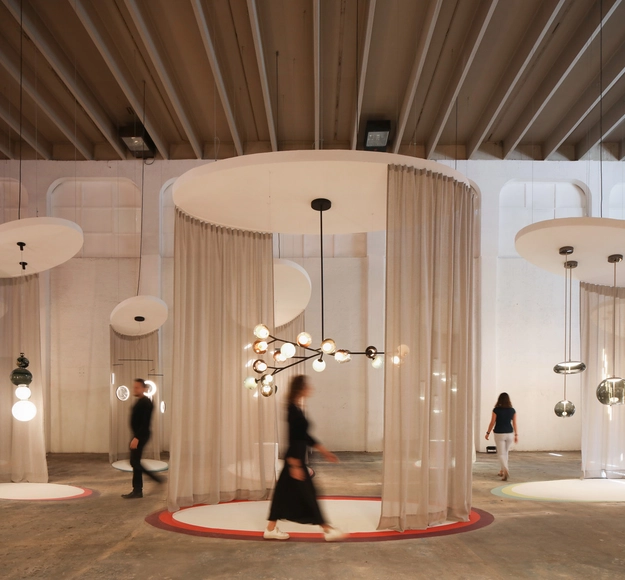
On November 10, Diez Company launched the fourth edition of Maison Diez Company to Mexican and international audiences. This space, dedicated to lighting design, brings together designers, creatives, architects, interior designers, business partners, lighting experts, and representatives of international brands to celebrate light.
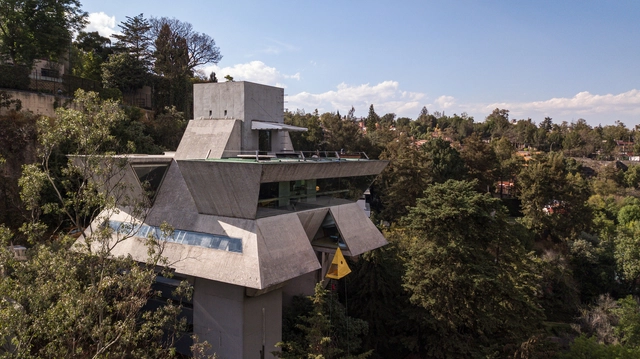
Today, November 10, the National Academy of Architecture, through a statement issued by Arch. José F. Reygadas Valdéz (President) and Arch. Antonio Gallardo E. (Secretary General), announced the passing of Mexican architect Agustín Hernández Navarro, an Emeritus Academic of the institution.
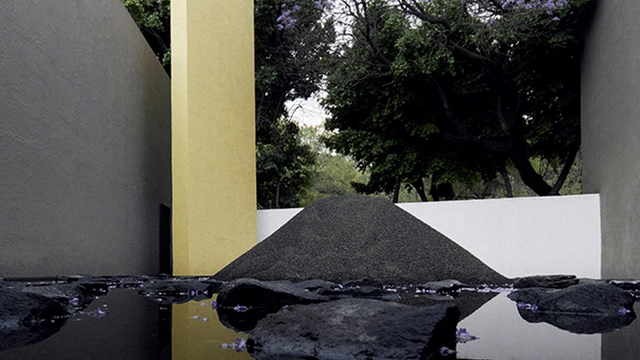
Following the open call for the Eco Pavilion 2023, 172 entries were received from 16 Mexican states and three countries. After reviewing all first-phase portfolios, the Technical Committee announced the selection of seven teams to develop a specific project based on the guidelines of the curatorial proposal “ZERO TIME. A reflection on time, the Anthropocene, and tangential resistance,” curated by architect Gabriela Carrillo.