Mónica Arellano
Content Editor at ArchDaily Mexico. Architect by UNAM (2018). Her interests focus on exploring the relationship of the body with architecture through dance. She has collaborated with different international choreographers who explore dance and architecture as an event. Twitter / Instagram: @monicarellano_
BROWSE ALL FROM THIS AUTHOR HERE
↓
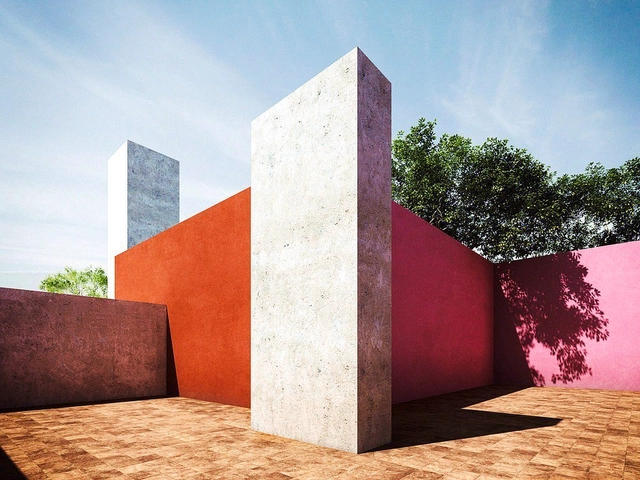
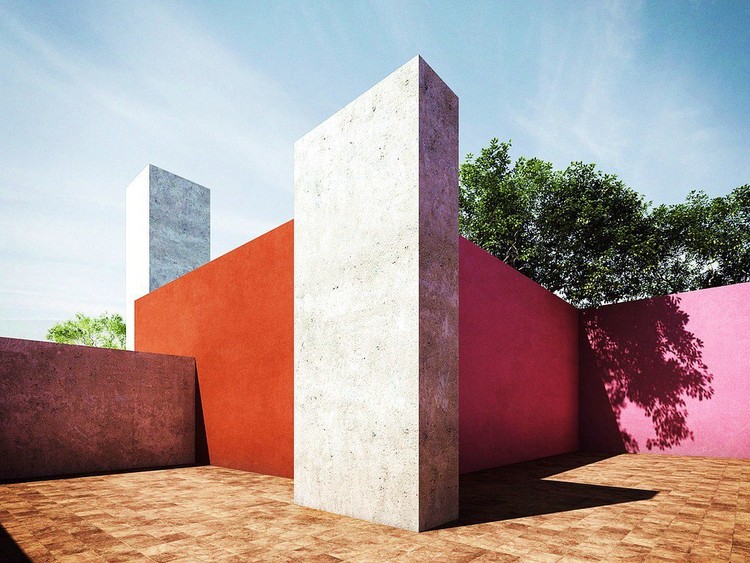
Architecture Guide: Luis Barragán


https://www.archdaily.com/906682/architecture-guide-luis-barraganMónica Arellano
Community Central Pavilion: A Momentary Structure to Collect Seismic Waves in Mexico
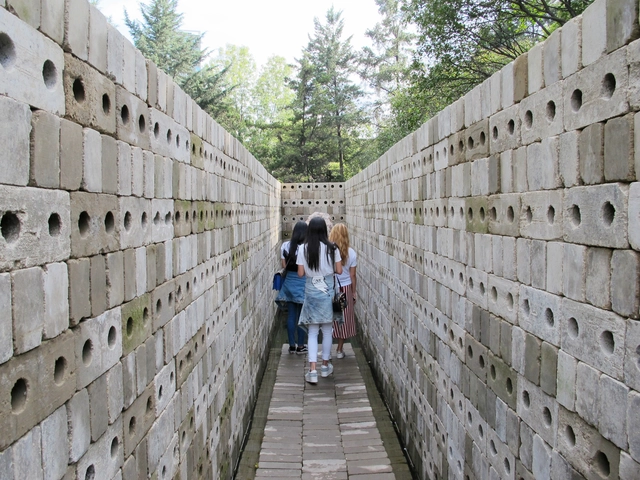
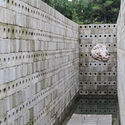
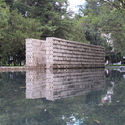
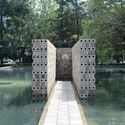

'Central Community Pavilion' was a response to an invitation to design a variety of temporary pavilions by different creators as a part of Arch Days CDMX and Design Week 2018. For the occasion, three up-and-coming architectural firms have joined forces to design and construct a single pavilion with a common theme. The design process between TO Arquitectura, LANZA Atelier, and Alberto Odériz reinforced the idea of a generation plagued with a certain collective curiosity and concern.
https://www.archdaily.com/906372/community-central-pavilion-a-momentary-structure-to-collect-seismic-waves-in-mexicoMónica Arellano
8 Mexican Projects That Use Bamboo
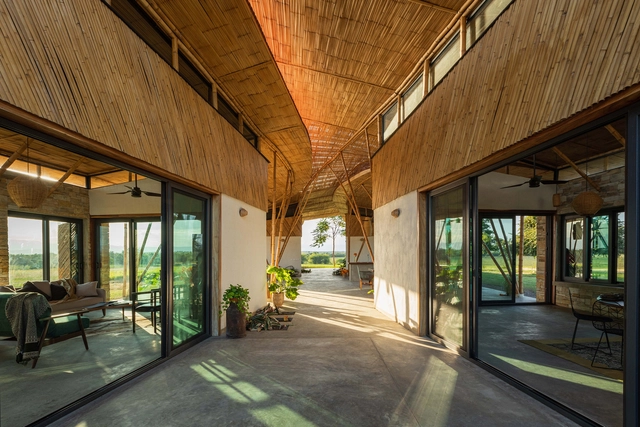


Mexico is a country known globally for its traditional and contemporary architectural elements. The construction techniques characteristic of each region and the use of materials according to thermic, economic, or aesthetic needs result in unique spaces.
https://www.archdaily.com/905959/8-mexican-projects-that-use-bambooMónica Arellano
Enrique Norten to Receive the Fine Arts Medal for Architecture
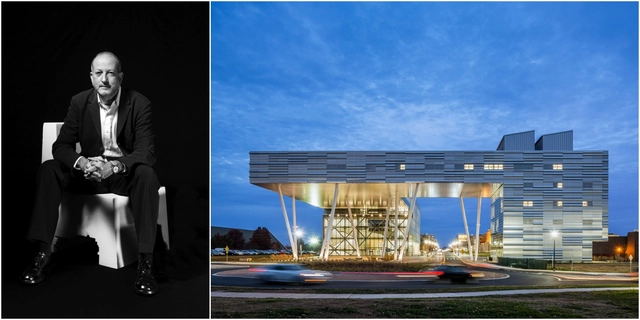
Mexican architect Enrique Norten will receive the Fine Arts Medal in Architecture, the highest honor awarded by the National Institute of Fine Arts (INBA) to individuals who have made outstanding contributions to Mexico's art and culture. With this award, the Institute celebrates his career and his contributions to the country's culture.
Born in Mexico City on February 27, 1954, Norten was drawn to the world of design and determined to pursue creative work early on. At the age of 20, he began his architecture studies at the Universidad Iberoamericana.
https://www.archdaily.com/1114561/enrique-norten-to-receive-the-fine-arts-medal-for-architectureMónica Arellano
Broissin Arquitectos Reinterprets the Tree House in Glass
.jpg?1540326849 "© Alexander D'La Roche")
.jpg?1540326883 "© Alexander D'La Roche")
.jpg?1540326905 "© Alexander D'La Roche")
.jpg?1540326894 "© Alexander D'La Roche")

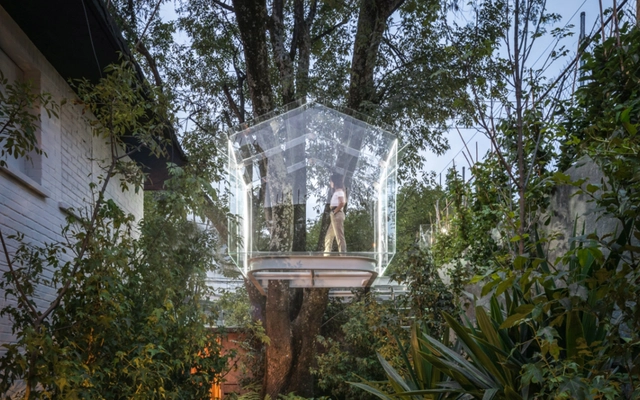
Design House, which is held annually within the framework of Design Week Mexico, is celebrating its tenth anniversary. In this year's edition, 24 local designers and architects transformed an abandoned home, each restoring a room or outdoor area. One of these interventions, by Broissin Architects, reconstructed the outdoor patio into a micro-forest with the small, glass house placed on a centenary ash tree.
https://www.archdaily.com/905535/broissin-arquitectos-reinterprets-the-tree-house-in-glassMónica Arellano
Meet the Winners of the 2018 CEMEX Building Award
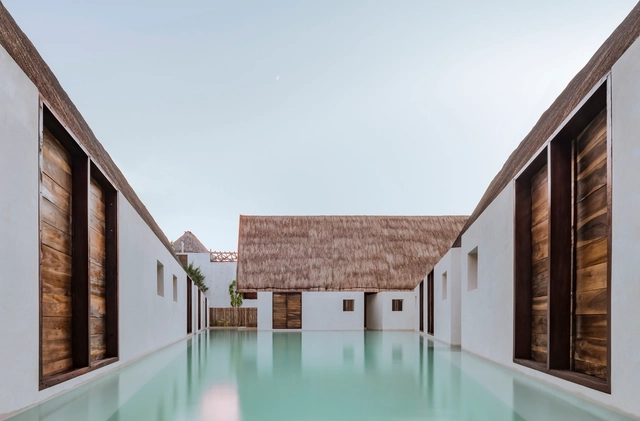
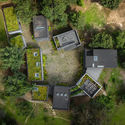

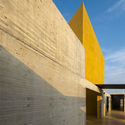

CEMEX has announced the Mexican winners of the 2018 CEMEX Building Award across its various categories, including Affordable Housing, Residential Housing, Building, Collective Space, and Infrastructure. This year's winners include projects from across Mexico, with each entry evaluated on comprehensive sustainability, architectural solution, structural solution, and construction process. Read on to discover the winning projects of this edition.
https://www.archdaily.com/1114433/meet-the-winners-of-the-2018-cemex-building-awardMónica Arellano
Alberto Kalach: 'We Have Been Deforesting for Hundreds of Years & We Have Not Given Ourselves the Task of Recovering It'
_08.42.56.jpg?1540910727&format=webp&width=640&height=580)
Alberto Kalach is a Mexican architect whose career has focused on creating site-specific works that blend into the natural environment. In his most recent exhibition in Mexico City, Territories and Housing, Kalach shows a series of drawings that highlight his concern for the environment. In these drawings, we can see a master plan that proposes ways of living with an environmental conscience.
https://www.archdaily.com/905480/alberto-kalach-we-have-been-deforesting-for-hundreds-of-years-and-we-have-not-given-ourselves-the-task-of-recovering-itMónica Arellano
What does the future hold for design (and architecture) in Mexico?

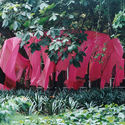
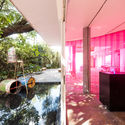

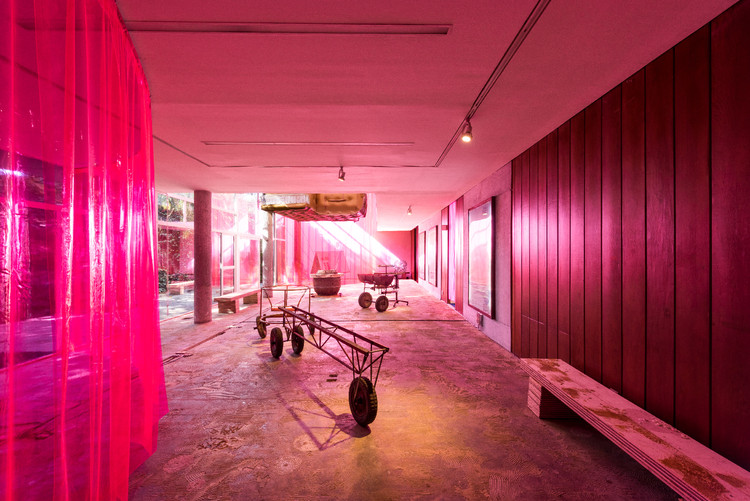
For the third time this year, ARCHIVO opens its doors to host the third installment of the series belonging to the México Ciudad de Diseño project. This project was divided into three exhibitions exploring Mexican design production across three distinct timelines. This edition explores objects belonging to the collective imagination of the future of design in Mexico through a speculative diagnostic of the challenges and opportunities ahead for design and its relationship with this city.
https://www.archdaily.com/1114633/what-does-the-future-hold-for-design-and-architecture-in-mexicoMónica Arellano
Discover the history of the restoration of an icon in Guadalajara: La Minerva






La Minerva is an iconic monumental sculpture in Jalisco's capital, created by Joaquín Arias in 1957 and commissioned by then-governor Agustín Yáñez. Years passed, and it was during the 1986 World Cup in Mexico that, following a victory by the Brazilian team, their coach gave the players the afternoon off, and the celebration ended up taking place there—at the intersection of López Mateos, Vallarta, Golfo de Cortés, and Circunvalación Agustín Yáñez avenues. Since then, La Minerva has become the preferred venue for both celebrations and demonstrations. However, weathering and traffic-induced vibrations took a heavy toll on its structure.
https://www.archdaily.com/1114530/discover-the-history-of-the-restoration-of-an-icon-in-guadalajara-la-minervaMónica Arellano
Discover the 'Metropolitan Landscape' Diploma Program by Tec de Monterrey + Architectural Association
Tec de Monterrey, in collaboration with the Architectural Association (AA), is launching a new certificate program titled Metropolitan Landscapes / Escenarios Metropolitanos. This program combines Tec's commitment to urban development with the AA's experimental tradition, addressing the emergence of a metropolitan discipline worldwide.
Based in Mexico (Mexico City, Guadalajara, and Monterrey) and the United Kingdom (London), the program explores the visionary role that design can play within the so-called "urban age" and "Anthropocene epoch," given the scale of global urbanization processes. To do so, it utilizes the latest urban, critical, technological, ecological, and landscape concepts to shape the discipline.
https://www.archdaily.com/1114765/discover-the-metropolitan-landscape-diploma-program-by-tec-de-monterrey-plus-architectural-associationMónica Arellano
Foster + Partners and FR-EE's Mexico City Airport Cancelled Following Public Vote
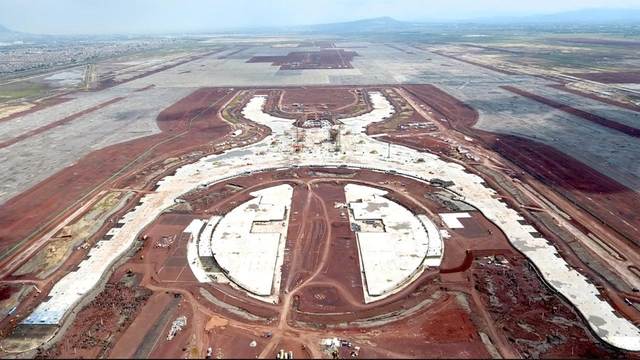
Following his election a few months ago, the current president-elect of Mexico, Andrés Manuel López Obrador, announced that a referendum would be held to determine whether or not the government should proceed with the Foster + Partners and FR-EE's proposed 13 billion dollar project for the International Airport of the Mexico City.
Making good on his campaign promise, a public vote on the project's fate was held from 25-28 October, asking citizens to answer the following question: Given the saturation of the International Airport of Mexico City, which option do you think will be best for the country? The two options given to voters were:
- "Recondition the current airport in Mexico City, Toluca and build two runways at the Santa Lucia Air Base"
- "Continue with the construction of the new airport in Texcoco and cease operations of the current International Airport of Mexico City."
https://www.archdaily.com/904870/foster-plus-partners-and-fr-ees-mexico-city-airport-cancelled-following-public-voteMónica Arellano
Attend the activities of the 2nd Placemaking Latin America Meeting in Mexico
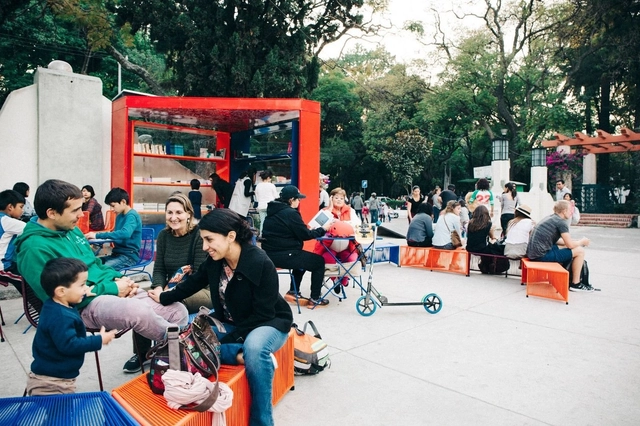
Placemaking is a dynamic concept that inspires people to collectively reinvent their public spaces, transforming them into destinations, gathering places, and social hubs. It serves as a practical tool to revitalize public life by focusing on key locations—a process of social empowerment that helps build local, everyday democracy from the ground up within the public realm. This paradigm encourages diverse stakeholders to assume shared responsibility in shaping and developing the city. As part of the Placemaking Latin America program, more than 40 activities are scheduled, including a first complete training course in Placemaking to be held in Mexico City, as well as a Participatory Urbanism Forum featuring panels, workshops, project pitches, and networking events.
https://www.archdaily.com/1114760/attend-the-activities-of-the-2nd-placemaking-latin-america-meeting-in-mexicoMónica Arellano
Sordo Madaleno Arquitectos Proposes a New Design for Mexico's Querétaro Cathedral
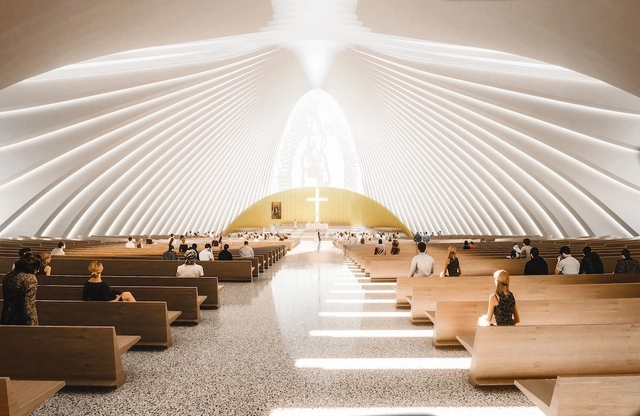




In response to calls for a larger space, the Santiago Apostle Cathedral is the proposed home for the Queretaro Diocese. The proposed building lies on a 20,000 square meter plot of land on the city's south central side. The project aims to turn the building into not only a new religious and community space, but also an architectural icon for the city.
The project's design is based on a guiding axis that points towards the rising sun. The nave's geometry begins in the circle and then spreads throughout the structure from the principal entrance all the way towards the altar. The cathedral's roof is made up of a grand staircase that also houses a reflection pool.
https://www.archdaily.com/904625/sordo-madaleno-arquitectos-proposes-a-new-design-for-mexicos-queretaro-cathedralMónica Arellano
Teopanzolco Cultural Center by Isaac Broid + PRODUCTORA Wins the Oscar Niemeyer Award
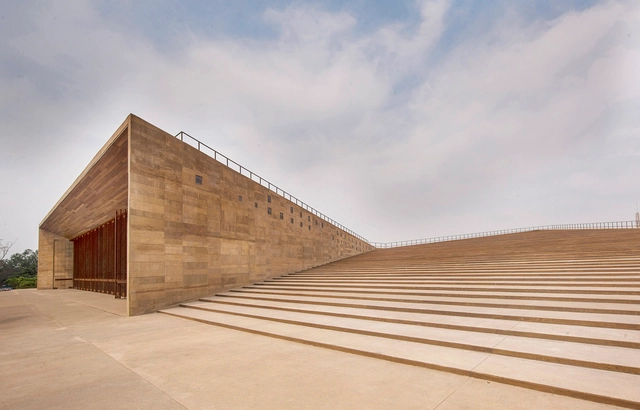


The Oscar Niemeyer Award for Latin American Architecture is a renowned initiative by the Latin American Architecture Biennial Network (REDBAAL). This award recognizes the best architectural production, unquestionable empowerment, and presence of Latin American architecture in the international context.
https://www.archdaily.com/904622/teopanzolco-cultural-center-by-isaac-broid-plus-productora-wins-the-oscar-niemeyer-awardMónica Arellano
Julio Gaeta to Be the New Director of the Instituto Superior de Arquitectura y Diseño in Mexico

The Instituto Superior de Arquitectura y Diseño (ISAD) in Chihuahua, Mexico, has announced the appointment of Julio Gaeta as its new Director, effective November 1 of this year.
Julio Gaeta, founder and principal of the firm Gaeta-Springall Arquitectos, has received international recognition through awards in national and international competitions. Among his most recognized and award-winning projects are the Cuernavaca Railway Linear Park, the Memorial to the Victims of Violence, the New Cathedral of Celaya, the Central Park of Distrito Tec de Monterrey, the Siroco and Mistral Towers, the 4 LCC Houses, and the GS House-Studio.
https://www.archdaily.com/1114378/julio-gaeta-to-be-the-new-director-of-the-instituto-superior-de-arquitectura-y-diseno-in-mexicoMónica Arellano
'Utopía' and 'Proyecta' bring together more than 20 firms to showcase the present and future of Mexican architecture
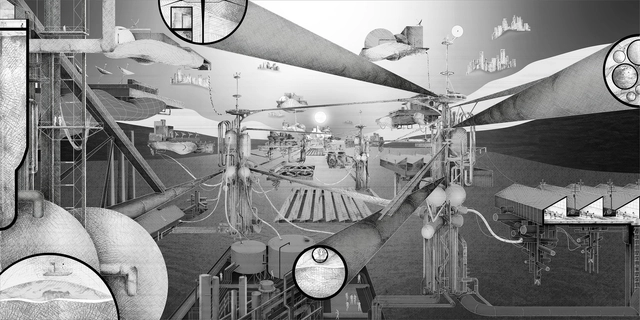
.jpg?1539810935 "Proyecta. Image Cortesía de Design Week México")
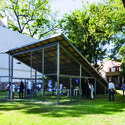
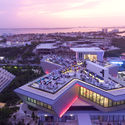

As part of the activities for Arch Days CDMX and Design Week 2018, two exhibitions titled Proyecta and Utopía opened on October 13 at Espacio CDMX, bringing together projects by renowned Mexican architects around two different conceptual frameworks.
https://www.archdaily.com/1113850/utopia-and-proyecta-bring-together-more-than-20-firms-to-showcase-the-present-and-future-of-mexican-architectureMónica Arellano
What is the character of urbanization in Mexico City? We Are An Event
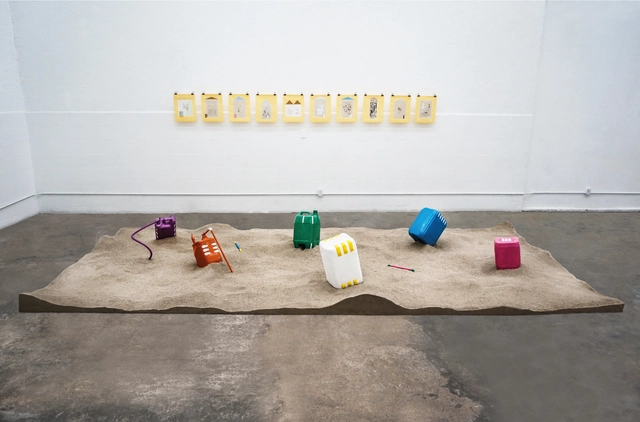

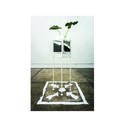

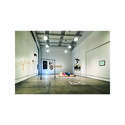

We Are an Event is a fictional character born from the collaboration between Quentin Laurens-Berge and Lambert Moiroux, both French nationals. Created to address questions about the city in which they reside, this character acts as a sphere of exchange and a tool to establish distance from the work produced. As seen in their recent work, Quentin and Lambert belong to a generation of young architects questioning conventional modes of architectural production through an everyday perspective on aesthetics.
https://www.archdaily.com/1114758/what-is-the-character-of-urbanization-in-mexico-city-we-are-an-eventMónica Arellano
The Ruins of Tijuana's Housing Crisis

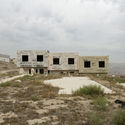
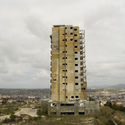
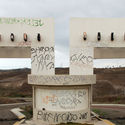

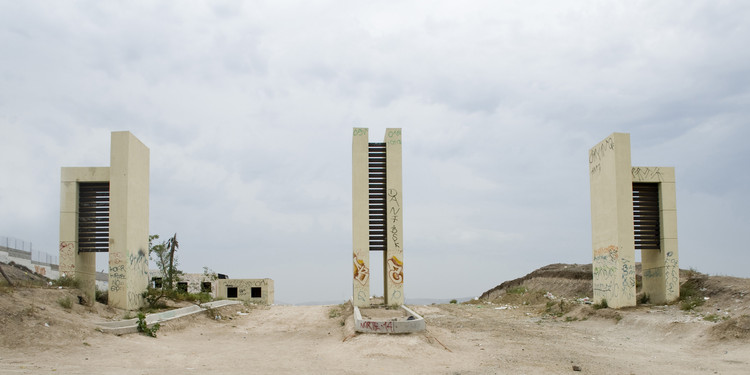
Tijuana is one of the most populated cities in Mexico. In 2000, the construction of collective housing boomed. This phenomenon completely transformed the limits of the city; the periphery exhibited a new appearance: a modernized future, new urban schemes, and a new lifestyle.
https://www.archdaily.com/904333/the-ruins-of-tijuanas-housing-crisisMónica Arellano