Camilla Ghisleni

BROWSE ALL FROM THIS AUTHOR HERE
↓

Eyes on the Street: Jane Jacobs’ Concept and Contemporary Residential Architecture in Brazil

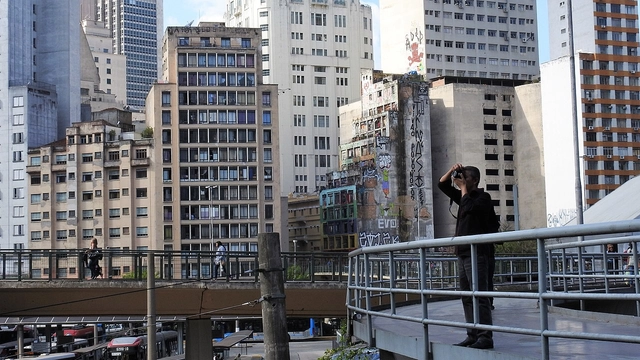
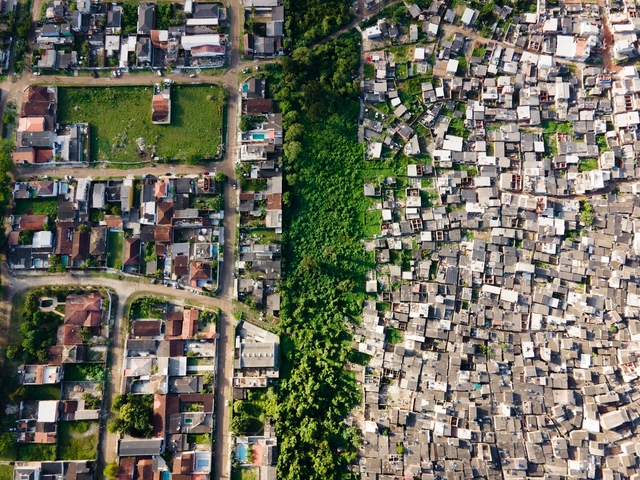
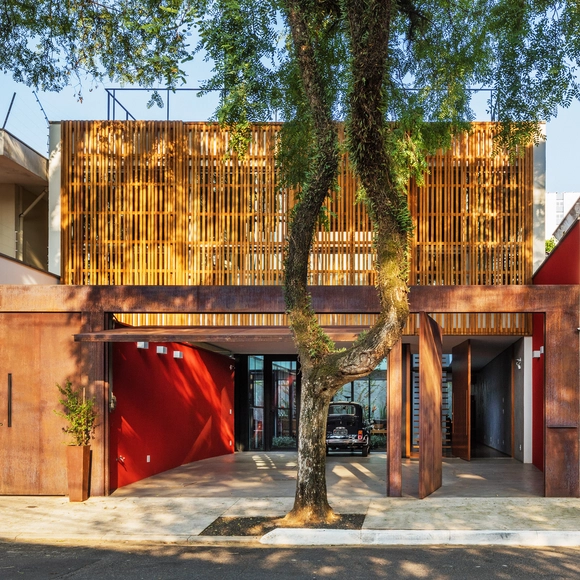
The concept of "eyes on the street" is perhaps the most famous within architectural and urban literature when it comes to urban security. Jane Jacobs uses this expression to refer to people who - consciously or unconsciously - use public spaces or observe them from their homes, generating natural surveillance. A movement that, within our discipline, is encouraged both through quality public spaces and through the powerful relationship between the public and private created through building facades. Advocating for this daily control, Jacobs believes in a way of making architecture and cities that condemns excessive verticalization, reinforced by isolated buildings and single-use ones that deny contact with the street

Eyes on the Street: Jane Jacobs’ Concept and Contemporary Residential Architecture in Brazil - Imagen 1 de 4Eyes on the Street: Jane Jacobs’ Concept and Contemporary Residential Architecture in Brazil - Imagen 2 de 4Eyes on the Street: Jane Jacobs’ Concept and Contemporary Residential Architecture in Brazil - Imagen 3 de 4Eyes on the Street: Jane Jacobs’ Concept and Contemporary Residential Architecture in Brazil - Imagen 4 de 4Eyes on the Street: Jane Jacobs’ Concept and Contemporary Residential Architecture in Brazil - More Images+ 5

Successes and Contradictions in Urban Center Retrofitting: The Case of São Paulo

Subscriber Access | 

Considered the fifth most populous city in the world as of 2022, São Paulo is confronted with a multitude of challenges befitting its over 22 million inhabitants. Among the numerous urban issues faced, the depopulation of the city's historic center has been a recurring topic for at least four decades, with governments announcing measures that could potentially reverse the situation. In the meantime, the same center has witnessed a rise in housing occupations in abandoned buildings, highlighting the importance of its redefinition and residential potential.

How to Pre-Size a Gutter

As commonly understood, gutters are elements installed along the edges of roofs and balconies to channel rainwater. Their primary function is to collect water flowing over the roof's surface and direct it to the appropriate downspouts. Proper sizing is crucial regardless of the material—whether aluminum, PVC, concrete, galvanized steel, or others. Depending on the climate in which the project is situated, the damages caused by incorrect application can be considerable.

How to Pre-Size a Gutter - Image 1 of 4How to Pre-Size a Gutter - Image 2 of 4How to Pre-Size a Gutter - Image 3 of 4How to Pre-Size a Gutter - Image 4 of 4How to Pre-Size a Gutter - More Images+ 7

Brazilian Pavilion at the Venice Art Biennale 2024: Resistance and Resurgence of Indigenous Peoples

Subscriber Access | 

Hãhãwpuá is the name used by the Pataxó Indigenous people of Brazil to refer to the land, the soil, or, more precisely, the territory that after colonization became known as Brazil, though it has had—and still has—many other names. Amidst all these “Brazils,” Brazil as Indigenous land is the focus of the country's pavilion at the Venice Art Biennale 2024, which has consequently been renamed the Hãhãwpuá Pavilion.

Artificial Intelligence and Urban Planning: Technology as a Tool for City Design

Subscriber Access | 

The convergence of artificial intelligence (AI) and urban planning holds significant promise for creating more intelligent, efficient, and sustainable cities. This fusion entails the integration of cutting-edge technologies that can guide decision-making, enhance resource allocation, predict trends, engage citizens, and more. In this framework, where AI is seen as a tool for advancing various urban aspects, there has been a surge in the development of applications, software, and other technological systems tailored to support urban planning. Below, we have highlighted some global studies and technologies applied from urban morphology to community involvement.

The ephemeral beauty of the ice hotel that melts every year

Subscriber Access | 

When the first rays of sun strike the Swedish town of Jukkasjärvi, as winter gives way to spring, this ice hotel begins to melt. Five hundred tons of water flow toward the Torne River. What were once walls, floors, and ceilings are now drops of water seeking their natural course. In this scene, which has occurred every year since 1989, everything is a contradiction: the solidity and longevity of construction versus the ephemerality and transience of ice sculpture.

The ephemeral beauty of the ice hotel that melts every year - Image 1 of 4The ephemeral beauty of the ice hotel that melts every year - Featured ImageThe ephemeral beauty of the ice hotel that melts every year - Image 2 of 4The ephemeral beauty of the ice hotel that melts every year - Image 3 of 4The ephemeral beauty of the ice hotel that melts every year - More Images+ 4

Gross National Happiness as Public Policy: The Case of Bhutan

Subscriber Access | 

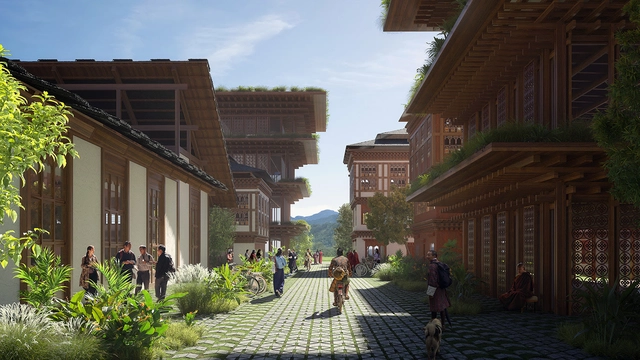
Recently, the renowned Danish office BIG announced the launch of its project for the city of Gelephu in Bhutan. This masterplan is inspired by the country's culture and its principles of happiness. The "Mindfulness City" aims to offer numerous possibilities for public engagement, fostering investments in infrastructure, education, and sustainable technologies—all aligned with the precepts of Gross National Happiness (GNH).

5 Interviews to Understand the Relationship between Architecture and the Environment

Subscriber Access | 

The relationship between architecture and the environment is multifaceted. It involves a dynamic interaction between built spaces and the surrounding natural context. It shapes how buildings and cities function, impacts ecosystems, and influences the well-being of inhabitants.

Many factors link architecture and the environment. They span from practical considerations such as natural materials and renewable energy sources to broader aspects like integrating and appreciating local culture. Within this wide range of possibilities, we have selected five interviews that showcase different approaches to this theme. These interviews stimulate essential reflections on the contemporary architectural context.

Water in Public Spaces: 15 Urban Projects That Incorporate Water Resources in Their Designs

Subscriber Access | 

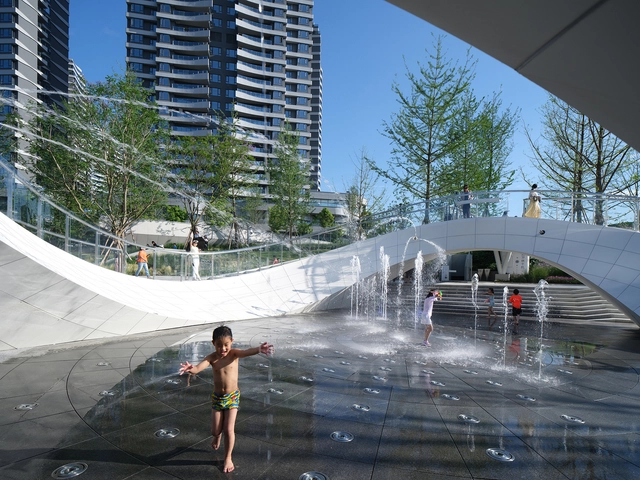
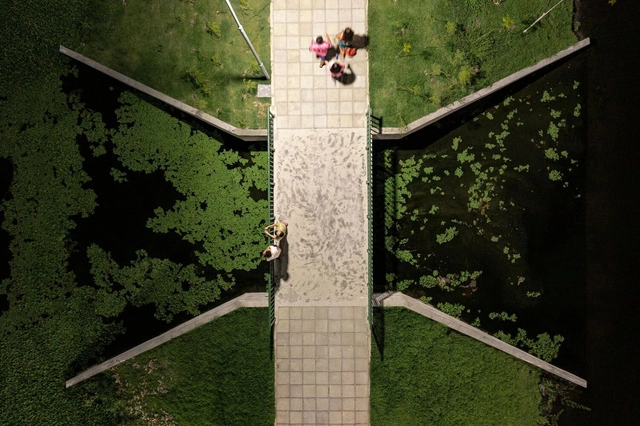
Water is indispensable for all forms of life on Earth, as it plays a vital role in maintaining biological processes, supporting ecosystems, and contributing to human well-being. Additionally, water holds cultural significance in many societies, being associated with rituals and ceremonies and carrying diverse symbolic meanings.

Water in Public Spaces: 15 Urban Projects That Incorporate Water Resources in Their Designs - Imagem 1 de 4Water in Public Spaces: 15 Urban Projects That Incorporate Water Resources in Their Designs - Imagem 2 de 4Water in Public Spaces: 15 Urban Projects That Incorporate Water Resources in Their Designs - Imagem 3 de 4Water in Public Spaces: 15 Urban Projects That Incorporate Water Resources in Their Designs - Imagem 4 de 4Water in Public Spaces: 15 Urban Projects That Incorporate Water Resources in Their Designs - More Images+ 17

Brazilian Homes: 10 Landscaping Projects with Native Plant Species

Subscriber Access | 

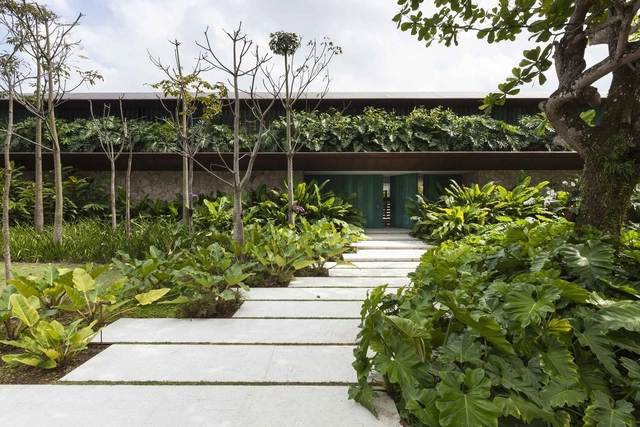
A 2020 Rio de Janeiro Botanical Garden study revealed that over 46,000 native species have been cataloged in Brazilian territory. Nearly half of them are endemic, meaning they occur exclusively in Brazil and nowhere else in the world in a natural way. This staggering number reflects the diversity of the flora found in the country.

Brazilian Homes: 10 Landscaping Projects with Native Plant Species - Image 1 of 4Brazilian Homes: 10 Landscaping Projects with Native Plant Species - Image 2 of 4Brazilian Homes: 10 Landscaping Projects with Native Plant Species - Image 3 of 4Brazilian Homes: 10 Landscaping Projects with Native Plant Species - Image 4 of 4Brazilian Homes: 10 Landscaping Projects with Native Plant Species - More Images+ 14

Artificial Intelligence as an Ally in Architectural Decarbonization: From Conception to Building Implementation

Subscriber Access | 

For a long time, sustainability in the architectural field was synonymous with technology. Efficiency was directly linked to innovative technological devices that adorned buildings with gadgets. Nowadays, however, sustainability increasingly encompasses different strategies that also involve acknowledging vernacular techniques and local materials as crucial for creating sustainable and carbon-neutral buildings.

Nevertheless, regardless of the technique or materials employed, the common denominator is the pursuit of reducing the carbon footprint of our architecture, which demands changes in how buildings are conceived, constructed, and operated. In other words, whether returning to vernacular methods or utilizing cutting-edge applications, these strategies aim to reach the same destination and, therefore, are equally valid despite being vastly different.

Inter-Generational Homes: Addressing Diverse Needs Under One Roof

Subscriber Access | 

Designing a home is always a significant challenge. Technical and construction expertise must align with the expectations of its future resident, gently embracing their daily routine and tasks. Thus, mapping out the needs and rituals that will unfold within the house is fundamental for the success of the task. In the abundance of personalities, preferences, and quirks, residential architecture needs to mediate intentions and embrace diversities.

Inter-Generational Homes: Addressing Diverse Needs Under One Roof - Image 1 of 4Inter-Generational Homes: Addressing Diverse Needs Under One Roof - Image 2 of 4Inter-Generational Homes: Addressing Diverse Needs Under One Roof - Image 3 of 4Inter-Generational Homes: Addressing Diverse Needs Under One Roof - Image 4 of 4Inter-Generational Homes: Addressing Diverse Needs Under One Roof - More Images+ 17

Brazilian Houses: 15 Residences Integrated into the Natural Topography

Subscriber Access | 

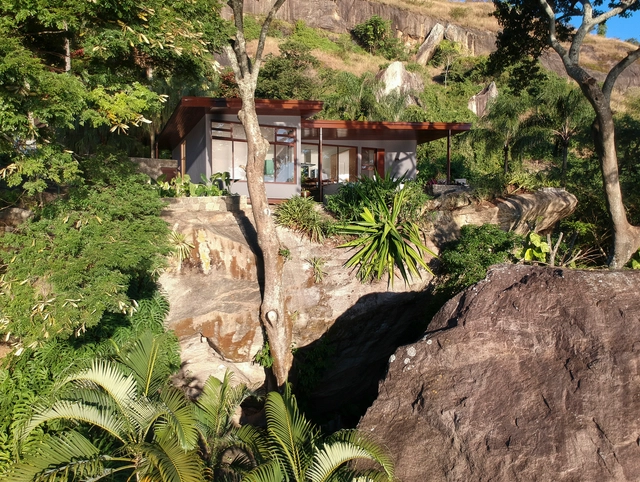
Italian architect Vittorio Gregotti frequently asserted that “creating the place” is the primordial architectural act, its very origin, since simply placing a stone on the ground already marks the beginning of the “modifications” that will transform a site into architecture. Driven by this urge for transformation, we see ideas materialize into relationships and concepts that often bring the genius loci to the fore through a phenomenological approach, establishing an intimate connection between architecture and context, redefining places, and reaffirming the human connection to the world.

Brazilian Houses: 15 Residences Integrated into the Natural Topography - Image 1 of 4Brazilian Houses: 15 Residences Integrated into the Natural Topography - Image 2 of 4Brazilian Houses: 15 Residences Integrated into the Natural Topography - Image 3 of 4Brazilian Houses: 15 Residences Integrated into the Natural Topography - Image 4 of 4Brazilian Houses: 15 Residences Integrated into the Natural Topography - More Images+ 33

How Environmental and Climate Racism Manifests in Cities

Subscriber Access | 

A few days before the end of November, Gramado, a city known as one of the most sought-after tourist destinations in southern Brazil, grabbed the attention of national and international media. Unfortunately, it wasn't due to its film festival or the traditional lavish Christmas festivities. The city, already suffering from weeks of persistent rain, witnessed the emergence of massive geological rifts tearing through its streets, creating a post-apocalyptic movie-like scenario.

The imminent danger of ground movement alerted the population and the authorities, who promptly evacuated the buildings on the hills of the condemned neighborhood. This course of action proved entirely effective and responsible, as one of the buildings within the designated area did indeed collapse three days after the evacuation. However, it is worth noting a detail: the affected neighborhood consisted of upscale residences and luxury hotels and inns, which raises a question: would the efforts have been the same if the situation occurred in lower-income peripheral neighborhoods?

Urban Anti-Flooding Strategies in Latin American Cities

Subscriber Access | 

In several cities in Brazil, the amount of rainfall has already surpassed the total accumulated for the rest of the year. Flooding, inundations, and landslides are commonplace news in regional newspapers. In this chaotic scenario, a study presented by the National Confederation of Municipalities states that, amidst the rains in the south and drought in the north, 5.8 million Brazilians have been directly affected by disasters in 2023, whether by loss of lives, displacements, or significant economic damages.

Unfortunately, the outlook is not promising either. The national version of the renowned IPCC climate change report, compiled by the Brazilian Panel on Climate Change (PBMC), has already warned that Brazil, along with other countries in Latin America, will not only experience rising temperatures due to climate change but will also witness a drastic shift in its rainfall patterns. In other words, here in the south, we better get used to the sound of rain on our windows, while the north should brace for historic droughts.

Urban Anti-Flooding Strategies in Latin American Cities - Image 1 of 4Urban Anti-Flooding Strategies in Latin American Cities - Image 2 of 4Urban Anti-Flooding Strategies in Latin American Cities - Image 3 of 4Urban Anti-Flooding Strategies in Latin American Cities - Image 4 of 4Urban Anti-Flooding Strategies in Latin American Cities - More Images+ 9

Building Upon the Built: Adaptive Reuse of Industrial Architecture in Brazil

Subscriber Access | 

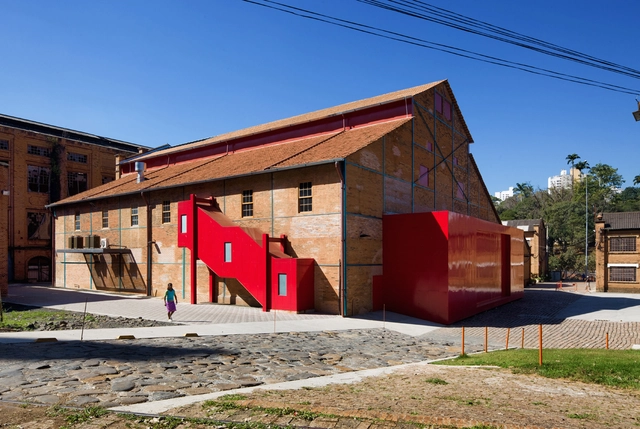
In the global context, the first factories emerged in the latter part of the 16th century, primarily housing typographic workshops. Over time, their purposes expanded to include carpentry, tapestry, and porcelain workshops. However, the recognizable form of industrial buildings we see today only took shape in the 18th century, closely tied to the transformations brought about by the Industrial Revolution. The shift from human labor to machinery fundamentally altered the scale of these structures, turning them into expansive warehouses.

Building Upon the Built: Adaptive Reuse of Industrial Architecture in Brazil - Imagen 1 de 4Building Upon the Built: Adaptive Reuse of Industrial Architecture in Brazil - Imagen 2 de 4Building Upon the Built: Adaptive Reuse of Industrial Architecture in Brazil - Imagen 3 de 4Building Upon the Built: Adaptive Reuse of Industrial Architecture in Brazil - Imagen 4 de 4Building Upon the Built: Adaptive Reuse of Industrial Architecture in Brazil - More Images+ 13

Solar Panels in Residential Projects: Efficiency Without Compromising the Aesthetics

Subscriber Access | 

Including sustainable strategies in architectural projects is not just a trend, it is a necessity. Each day we become more aware of the importance of responsibly managing natural resources and understanding the environmental factors involved in designing a project.

Solar energy is one of the most commonly employed strategies in residential architecture, both active and passive. Many countries around the world offer incentives to encourage the use of solar systems, and the benefits of installing these systems can be seen in a short period of time, with a reduction of up to 95% in the monthly energy expenses, which makes this strategy one of the most attractive of all sustainable solutions. Furthermore, the average lifespan of a solar panel is 25 years, operating entirely on its own and requiring only basic cleaning once a year.

Solar Panels in Residential Projects: Efficiency Without Compromising the Aesthetics - SustainabilitySolar Panels in Residential Projects: Efficiency Without Compromising the Aesthetics - SustainabilitySolar Panels in Residential Projects: Efficiency Without Compromising the Aesthetics - SustainabilitySolar Panels in Residential Projects: Efficiency Without Compromising the Aesthetics - SustainabilitySolar Panels in Residential Projects: Efficiency Without Compromising the Aesthetics - More Images+ 10

Daily Rituals: Home Spaces for Praying and Spiritual Connection

Subscriber Access | 

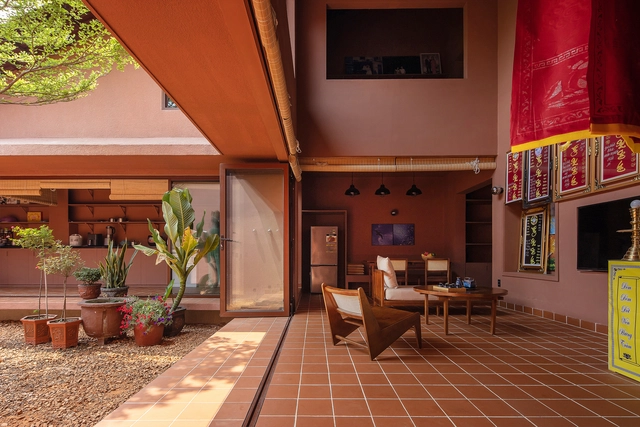
A home is a sacred realm, a place that embraces and honors a variety of emotions and sensations. As Gaston Bachelard asserts, it serves as our refuge in the world, our initial universe, a true cosmos in every sense of the term. Its intricate symbolism transcends mere functional aspects like room count or bathroom size. Entire universes find their place within its walls.

Daily Rituals: Home Spaces for Praying and Spiritual Connection - 1 的图像 4Daily Rituals: Home Spaces for Praying and Spiritual Connection - 2 的图像 4Daily Rituals: Home Spaces for Praying and Spiritual Connection - 3 的图像 4Daily Rituals: Home Spaces for Praying and Spiritual Connection - 4 的图像 4Daily Rituals: Home Spaces for Praying and Spiritual Connection - More Images+ 9