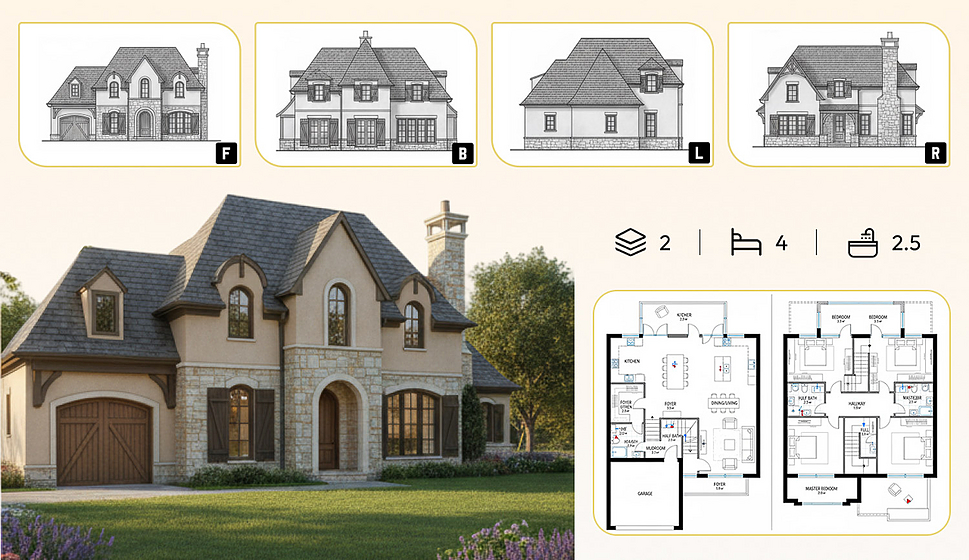
This guide covers a workflow that moves from project parameters to generated floor plans, 3D perspective views, exterior design exploration, and site context visualization, using AI tools in place of preliminary CAD and rendering work.
This guide covers a workflow that moves from project parameters to generated floor plans, 3D perspective views, exterior design exploration, and site context visualization, using AI tools in place of preliminary CAD and rendering work.
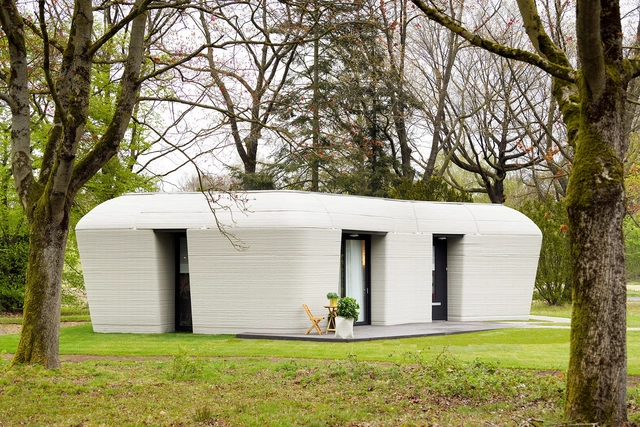
Years ago, the construction industry was among the most technologically lagging; today, however, we can confidently say that automation is here to stay.
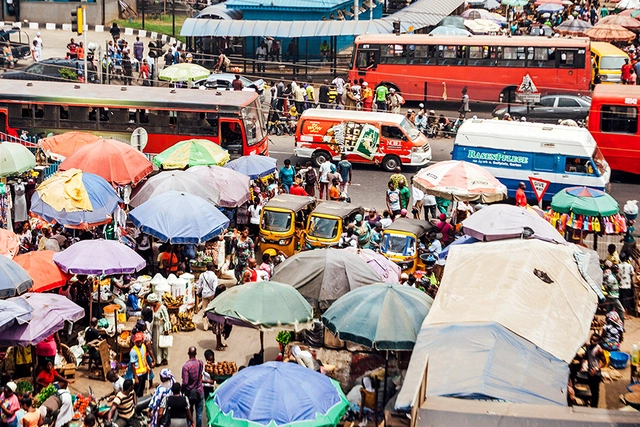
Crises typically spark shifts in how we move. Post-war prosperity turned the automobile into a household staple and a lifestyle. The global fiscal and oil crises of the 1970s brought a short-lived bicycle boom alongside a withdrawal of municipal funds from public transit. Meanwhile, the 2008 financial crisis paved the way for Silicon Valley venture capital to surge, backing new platforms like Uber and Waze.
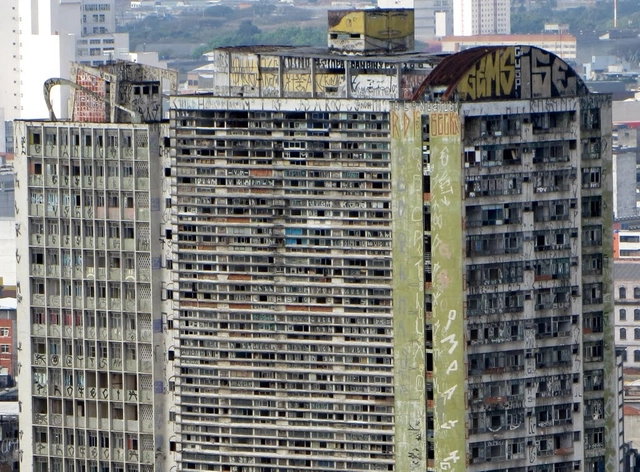
Are there more homes without people than people without homes? This recurring claim had already been described as a “myth” by urban planner Nabil Bonduki in 2018, but the persistent suggestion of a simplistic formula for solving the housing crisis deserves to be addressed once again. Recently, an article in Folha de São Paulo by urban planner Alexandre Benoit suggested that the approximately 300,000 vacant properties in São Paulo could be designated to “eradicate the city’s housing deficit.”
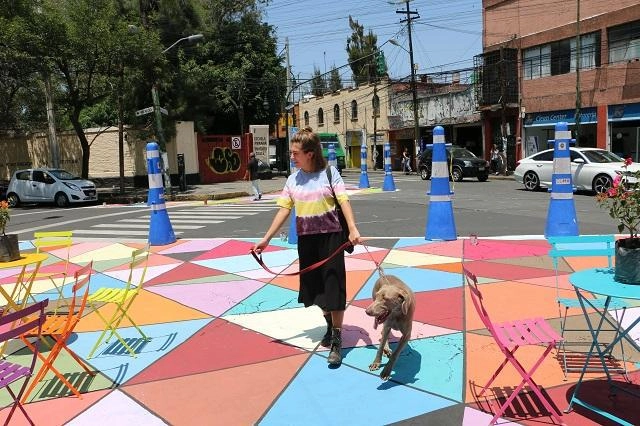
As the Covid-19 pandemic altered urban landscapes and drew more people toward active mobility, there is a heightened urgency to make streets safer for pedestrians and cyclists. Many cities are now tasked with protecting the most vulnerable users, while also creating safe public spaces that enable economic recovery and allow people to enjoy the outdoors. At the same time, there are long-term reasons to support this transition.
“Walking and cycling are among the most sustainable ways to get around cities – but not if they are extremely dangerous options,” says Claudia Adriazola-Steil, interim director of Urban Mobility and director of Health & Road Safety at the WRI Ross Center for Sustainable Cities.
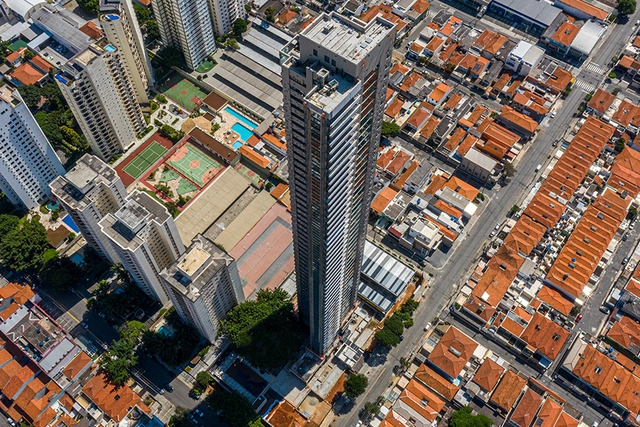
In urban planning, population density is a subject that sparks discussion, doubt, and debate. A common point of confusion, for instance, is conflating built density (the amount of built area in a given location) or even building height with population density (the number of residents in a given location).
In New York, for example, Midtown Manhattan has perhaps the city's highest concentration of skyscrapers, despite having a population density of "only" 18,000 residents/km²—less than half of the Upper West Side, which boasts 44,000 residents/km² with lower but predominantly residential buildings, whereas Midtown has fewer residential buildings. In Brazil, this discrepancy is far more extreme: the densest neighborhoods in major Brazilian cities tend to be the most horizontal, as they consist of informal settlements (favelas) with small housing units, minimal space between structures, and larger families living in (or cohabiting) these units.
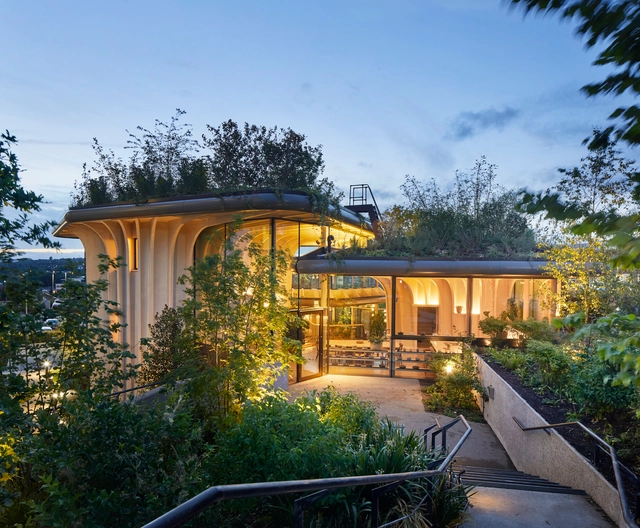
A year and a half of the global coronavirus pandemic has—or should have—made everyone realize the importance of national public health systems. Never before has a health crisis and its impact on society, the economy, and public spaces been so widely discussed and reported.
Against this backdrop, to celebrate spaces dedicated to physical and mental health, we have compiled a selection of small- and medium-scale healthcare clinics, medical offices, and therapy centers. These projects, designed for treatment or prevention, prioritize patient well-being above all else.

When entering a dark, unfamiliar room, our hands instinctively grope along the wall, searching for a keypad to turn on the lights—and, with luck, finding it. It is one of those many things we only truly notice when they are poorly designed. When designing a space, placing controllers in accessible and intuitive locations requires careful attention from designers. Keypads belong to that category of objects we want to be easily found when needed, yet prefer to remain hidden when not in use. This is because their design often draws more attention than it should, potentially clashing with the space's aesthetic. But this does not always have to be the case. There are options that seamlessly combine design and functionality, offering customization that allows controllers to fit into any type of project.
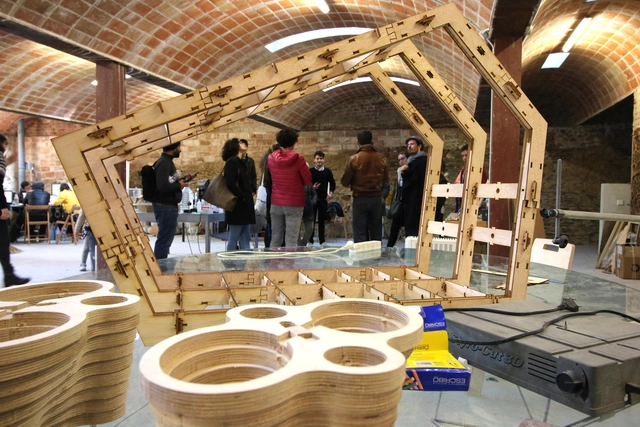
The maker movement is a philosophy centered on the creative activity of making, which is intrinsic to human beings. This process occurs through the use, adaptation, and modification of existing resources without professional assistance (HATCH, 2013). Moreover, it is rooted in "do-it-yourself" culture, with its main distinction being the use of digital tools that facilitate and enhance collaboration, documentation, and sharing. Consequently, projects remain open and adaptable, allowing anyone to access and modify them.
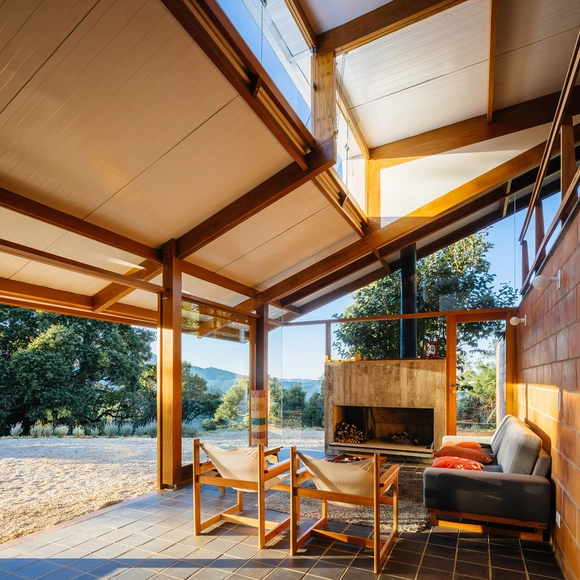
Spanning over 500 kilometers across the states of Rio de Janeiro, São Paulo, and Minas Gerais, the Serra da Mantiqueira has become in recent years one of the favorite destinations for travelers seeking mild climates and a countryside atmosphere. Towns like Gonçalves, Monte Verde, Campos do Jordão, Santo Antônio dos Pinhais, and Camanducaia are just a few of the municipalities in the Mantiqueira region that have attracted a growing number of visitors seeking a closer connection with nature.
The mountain range has altitudes varying between 1,000 and 3,000 meters, resulting in low temperatures for its latitude. Additionally, mist and occasional frost lend the landscape a bucolic character quite distinct from other nearby, lower-elevation areas—an effect that becomes even more pronounced in the winter.
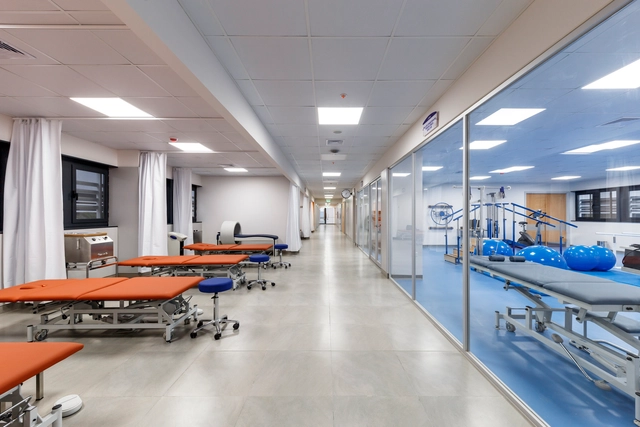
On July 2, Brazil celebrated Hospital Day. The date commemorates the founding of the Santa Casa de Misericórdia de Santos Hospital, in the state of São Paulo, in 1945—considered one of the largest in the country—and today serves as a way to honor healthcare professionals, from doctors and nurses to social workers, technicians, and administrative staff.
Naturally, in the current context, this date takes on an even deeper layer of meaning, becoming also an opportunity to celebrate the immeasurable efforts of healthcare professionals who fight daily to ensure the survival of hundreds of thousands of people infected by the coronavirus. To mark the occasion beyond national borders, we have gathered ten Latin American hospital projects here.
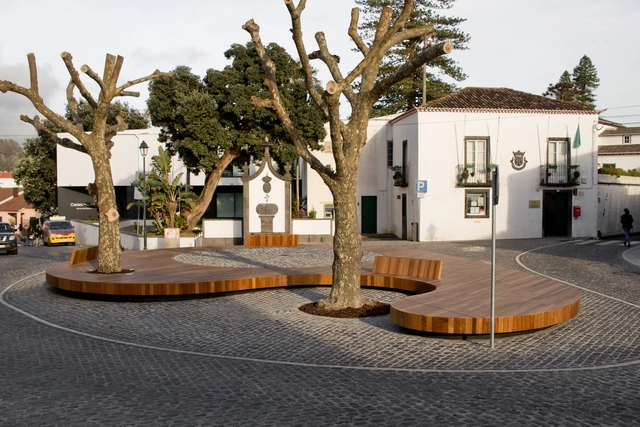
Squares are open spaces within the urban fabric, defined by buildings or streets, that facilitate a variety of gatherings and social and cultural activities. Whether intentionally planned or remnants of the urban layout, squares are fundamental to the life and culture of the community, and they proved even more vital following the COVID-19 pandemic. Here, we present nine small-scale squares that demonstrate the diverse uses and functions these spaces can assume in contemporary cities.
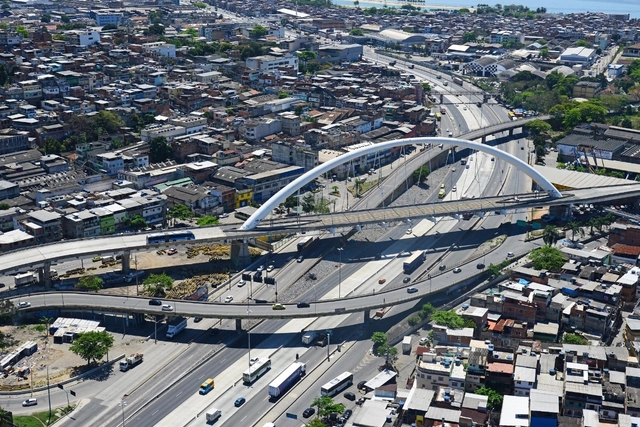
Under construction since 2014 and scheduled for completion in 2022, the TransBrasil BRT has the potential to become one of the highest-capacity BRT corridors in the world. The corridor could redefine the land use and occupation of Avenida Brasil, one of Rio de Janeiro's main thoroughfares, which last year led the ranking of traffic collisions involving casualties. The avenue cuts through and divides several predominantly low-income neighborhoods, segregating them and hindering access between both sides of the roadway. Completing the TransBrasil corridor is an opportunity for the urban restructuring of these neighborhoods and the improvement of public spaces for residents, workers, and visitors in the region.

Economic crises, health emergencies, and natural disasters, followed by social conflicts, political instability, and the search for new places to live, have historically driven the displacement of hundreds of millions of people. Consequently, entire populations have had to adapt to changes in residence, habitat, and culture.
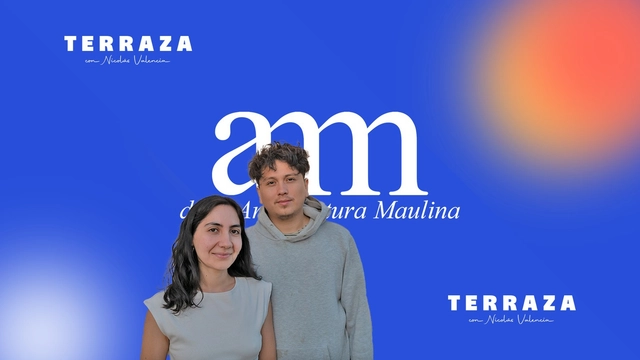
Nicolás Valencia speaks with Chilean architects Matías González Ulloa and Sofía Carrión Bobadilla, creators of Área Verde and leaders of Arquitectura Maulina, a digital platform focused on the architecture, territory, and reflections of Chile's inspiring Maule region.
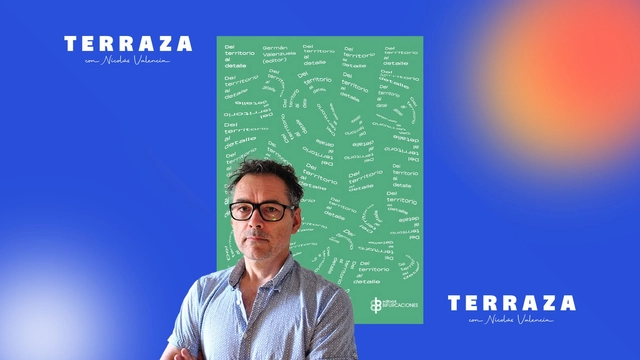
Nicolás Valencia speaks with Chilean architect Germán Valenzuela about the book Del territorio al detalle (Bifurcaciones), a selection of the most interesting contemporary architects in Latin America, from Al Borde to Rozana Montiel, including Mauricio Rocha, Inés Moisset, and Solano Benítez.
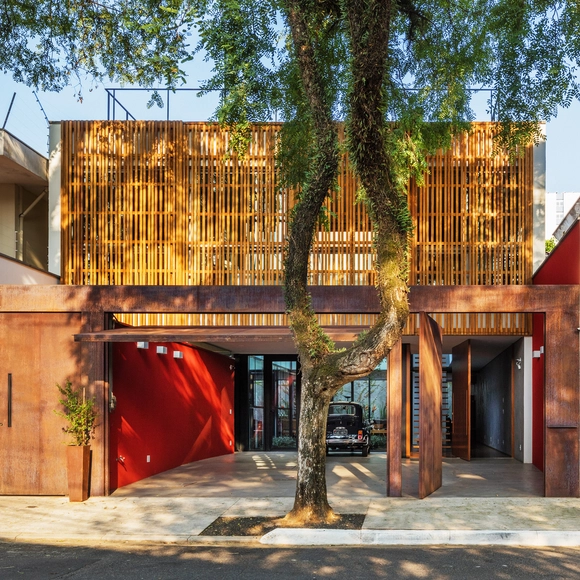
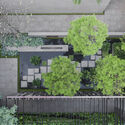
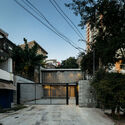
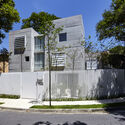
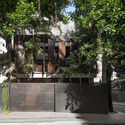
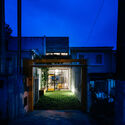
Houses are the most intimate structures we as architects can design. It is no coincidence that intimacy, security, and privacy are recurring concepts in residential architecture. Yet, like all architecture, houses are inevitably embedded in a context—an environment with which they must engage. There are many ways to achieve this, particularly within highly dense urban fabrics, as is the case in many Brazilian cities.
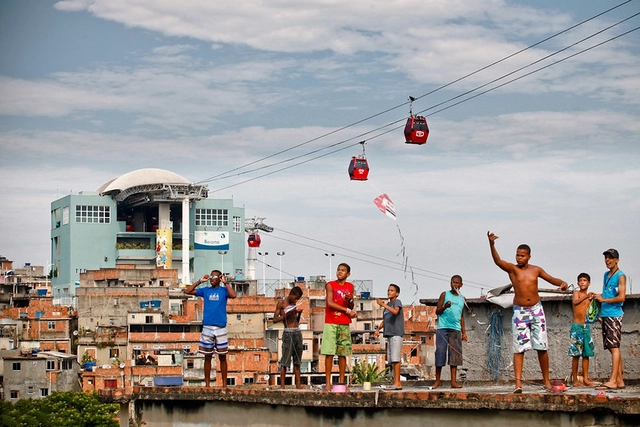
"There is coconut candy and peteca
Let the child play
Today is a day of celebration
The ibejada comes to bless."
— Song for the erês
Streets come alive when they belong to the erês and die when they belong to cars. I dream of a project that I intend to put into practice when time allows: writing a manual of the fabulous rules of hopscotch, carniça, button football, preguinho, capture the flag, ring-around-the-rosy, lenço-atrás, slope soccer, dodgeball, and the variations of marbles. The title is already set: "The Loving Ecology of Street Games."
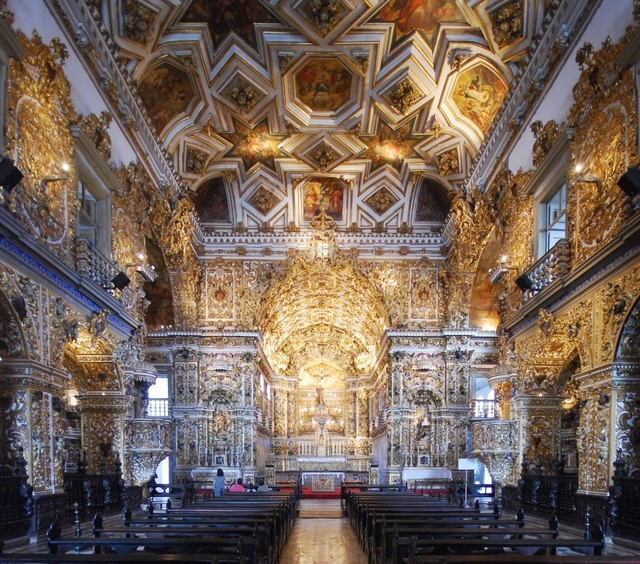
What happened at the conventual Church of Saint Francis of Assis in Salvador is yet another sad chapter in a process afflicting Brazilian cultural heritage, which has intensified in recent years with the fires at the National Museum in Rio de Janeiro, the Cinemateca, and the Museum of the Portuguese Language in São Paulo. Consequently, over the last few days, there has been intense debate regarding who is to "blame" for what occurred in Salvador, or who bore the "responsibility" to prevent this disaster, which also claimed the life of a young tourist: whether the church administrators, IPHAN (the National Institute of Historical and Artistic Heritage), or local cultural and heritage agencies. This is a difficult and indeed important issue to discuss, demanding careful investigation into the causes of the incident. Yet the debate must be broader, aimed above all at considering how we can prevent such events from happening: greater investment, greater appreciation of artistic and architectural heritage, stricter and more effective safety protocols, preventive conservation, and heritage education. In the days following the incident in Salvador, numerous colonial-period buildings were closed across the country under the claim that they, too, might collapse. Our heritage demands attention—in many cases, urgently.

“Waking up early, waking the kids, making and serving breakfast, showering, bathing them, heading to the bus stop. The bag drops, the child throws a tantrum, the bus is late. Arms, backpack, child... you lose track of the order. First task of the day: the first bus and the kids arrive at school; then, rushing to another stop and another wait until the second bus arrives. Boarding, standing, dodging fatigue and harassment on the way to work. At lunchtime, a quick run to the pharmacy, and maybe the nearby open-air market. Or is today the day to stop by the butcher? Heading home from work: bags, purse, and exhaustion. A stop along the way to pick up the kids, and an inconvenient reminder of what's missing at home drives a detour to the grocery store before finally arriving back home as the day ends—though not before making dinner. Phew!”
This excerpt recounts a fictional day. However, this routine is the daily reality in many households, especially low-income ones, in peripheral areas, and in single-parent homes headed by women, where the drama of constant back-and-forth travel can be intensified by intersectional factors such as gender, race, social class, generation, territory, physical ability, and sexual orientation.
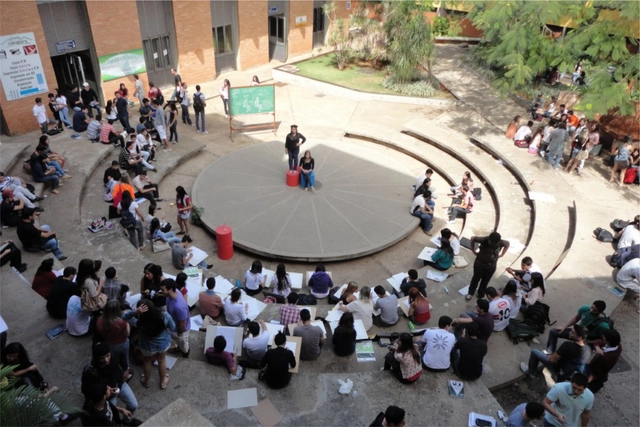
The administration of the Pontifical Catholic University of Goiás intends to dissolve the Professor Edgar Albuquerque Graeff School of Arts and Architecture.
The justification for this unexpected move is institutional cost-cutting. This argument might even be acceptable; managing or reducing expenses is standard practice, and not only for philanthropic universities. What is neither clear nor reasonable, however, is why reducing ordinary operating costs requires dissolving one of its oldest and most recognized divisions. This is a School that has stood out exceptionally on the national stage, with a history that must be recalled here to fully grasp the tragic nature of this unfolding decision—one made without dialogue with the professors, artists, and architects currently there, and without considering the identity and memory of the thousands of architects, artists, and designers who have passed through its doors over the last 70 years.
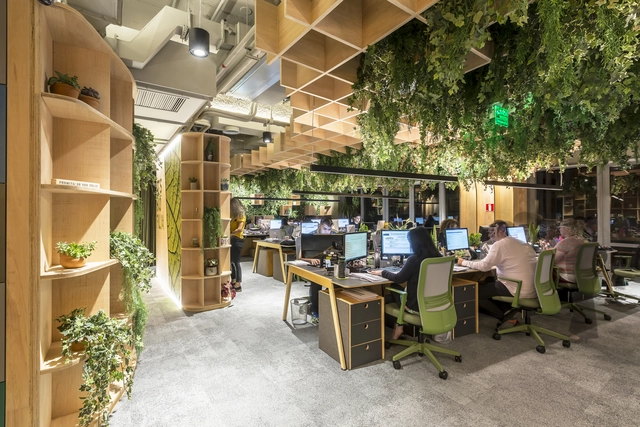
Designers and architects are looking to the future, challenged to think about how to create safe, functional, and comfortable environments. From more open floor plans to materials that help mitigate the spread of disease, professionals are looking ahead, considering what gives us room to breathe and live together.
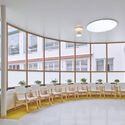




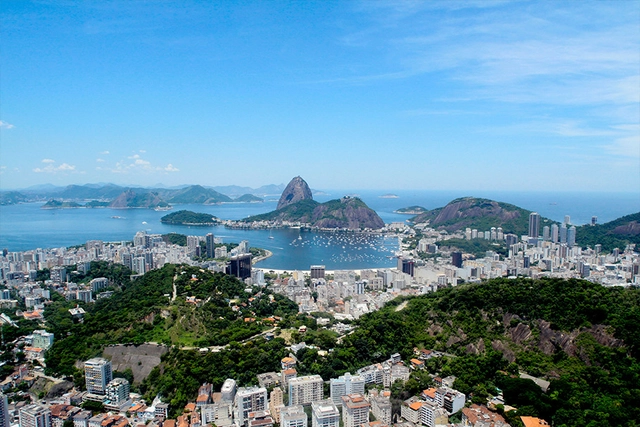
Nothing represents this change better than the habitat humanity has created for itself. The generation before Toffler knew an eminently rural world, of humans bound to the land, born and dying within their communities. The generation yet to be born will inherit an already urbanized, hyper-connected world, characterized by extreme mobility between cities and countries. We, who live today, have both the privilege and the responsibility of watching this urban phenomenon reshape the face of the planet.
Half a century ago, when Future Shock was published, just over a third of the world's population lived in cities. Today that figure stands at 55%, a share projected to rise to 70% by 2050. Nearly 90% of this growth will occur in Africa and Asia. The number of people living in informal settlements has already reached one billion worldwide, and the UN estimates that, by 2030, about three billion people will need adequate housing.
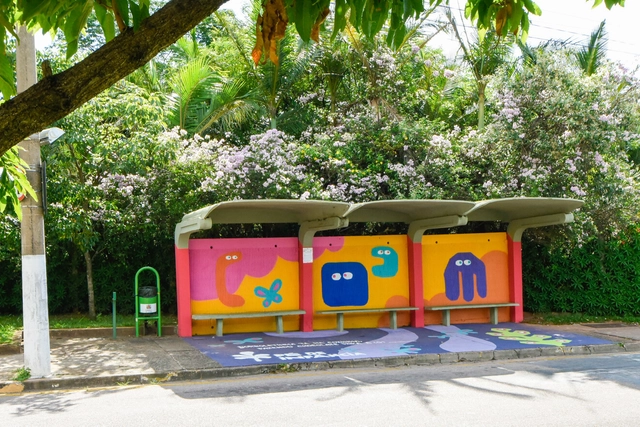
Cities that are good for children are good for everyone. They are more humane cities, building stronger and more sustainable communities. Therefore, urban mobility and early childhood are deeply interconnected. They are intrinsic, inherent to one another. Children and their caregivers—whether parents, grandparents, aunts, uncles, cousins, or nannies—experience the city more deeply than many adults caught in a daily home-to-work routine. And they need the city to grow well, both physically and socially. Cities must foster this necessary, holistic development. Without active participation in urban life, this development cannot occur as it should, resulting in the confinement of childhood—an outcome that benefits neither people nor cities.
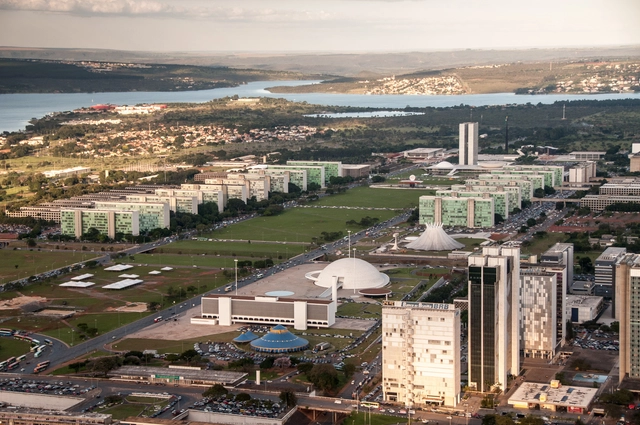
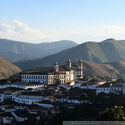
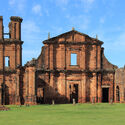
In July of this year, UNESCO designated the Roberto Burle Marx Site as a World Heritage site. As a result, Brazil now has 23 sites and practices inscribed on the World Heritage List, which brings together properties, ensembles, and practices of tangible and intangible value.
According to UNESCO, the 23 listed properties and practices in Brazil can be divided into Cultural Heritage—"composed of monuments, groups of buildings, or sites that have outstanding universal historical, aesthetic, archaeological, scientific, ethnological, or anthropological value"—and Natural Heritage—"outstanding physical, biological, and geological formations, habitats of threatened animal and plant species, and areas of outstanding scientific, conservation, or aesthetic value."