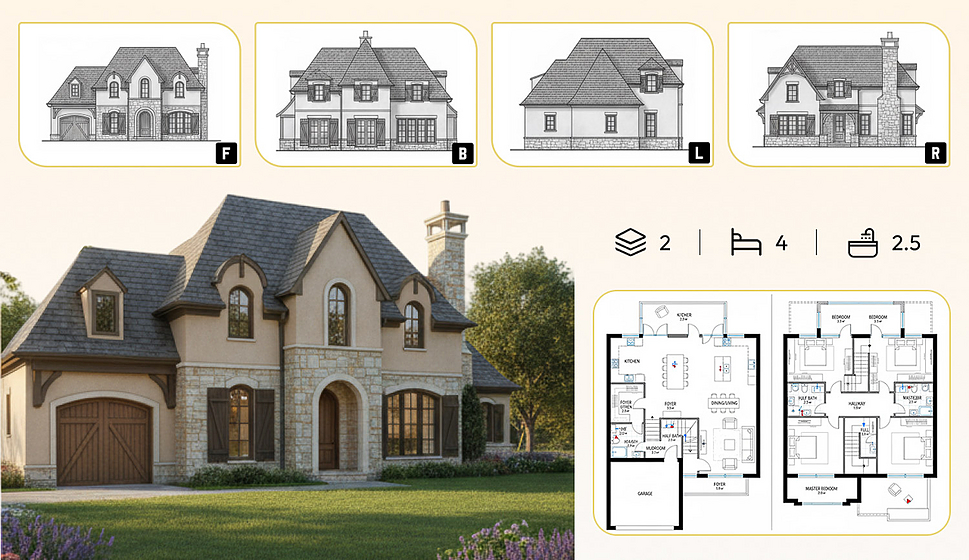
This guide covers a workflow that moves from project parameters to generated floor plans, 3D perspective views, exterior design exploration, and site context visualization, using AI tools in place of preliminary CAD and rendering work.
This guide covers a workflow that moves from project parameters to generated floor plans, 3D perspective views, exterior design exploration, and site context visualization, using AI tools in place of preliminary CAD and rendering work.
.jpg?1619126725&format=webp&width=640&height=580)
This article was originally published on Common Edge as "Five Women Architects Revitalize a Giant Public-Housing Project in Rome."
Corviale is one of Italy’s biggest postwar public housing projects and, arguably, one of the most controversial. Both revered and abhorred, the complex remains a pilgrimage site for architectural schools from around the world. Il Serpentone (The Big Snake), as it is affectionately called, stretches nearly a kilometer in a straight line, a monolithic, brutalist building that hovers over the countryside on the outskirts of Rome. But there is nothing sinuous about a construction made up of 750,000 square meters of reinforced concrete condensed into 60 hectares. This hulking horizontal skyscraper is formed by twin structures, each 30 meters high, connected through labyrinths of elongated hallways, external corridors, and inner courtyards. Divided into five housing units, each with its own entrance and staircase, it contains 1,200 apartments and houses up to 6,000 people.

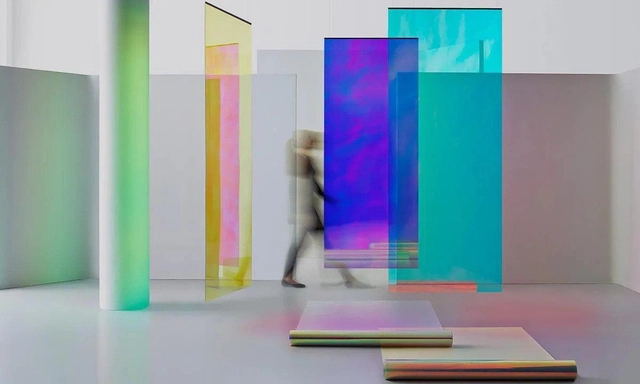
For total creative freedom in designing with glass, 3M has developed a diverse range of solutions for facades and interiors that change depending on the incidence of light.
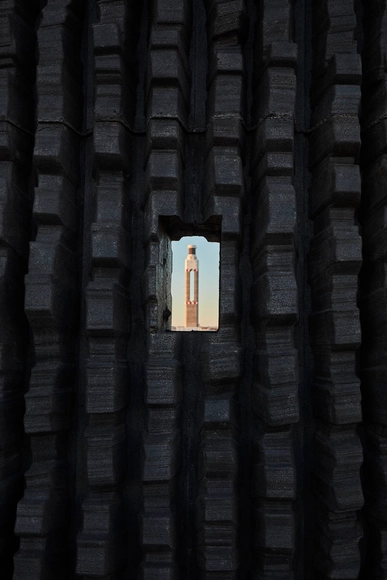
Not everyone is aware of the existence and operation of the Cerro Dominador solar power plant in the Antofagasta region of northern Chile.
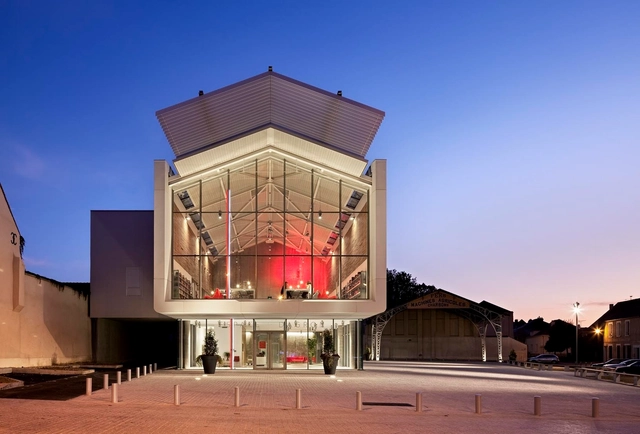
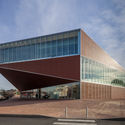
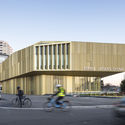
Designers have created civic institutions, governmental centers, public plazas, and many other spaces as testaments to individual and shared values. As spaces for gathering and exchange are necessary elements to urban life, architecture can also act as a vehicle to encourage understanding. Advocating knowledge while empowering the public, libraries celebrate ideas, curiosity and empathy.
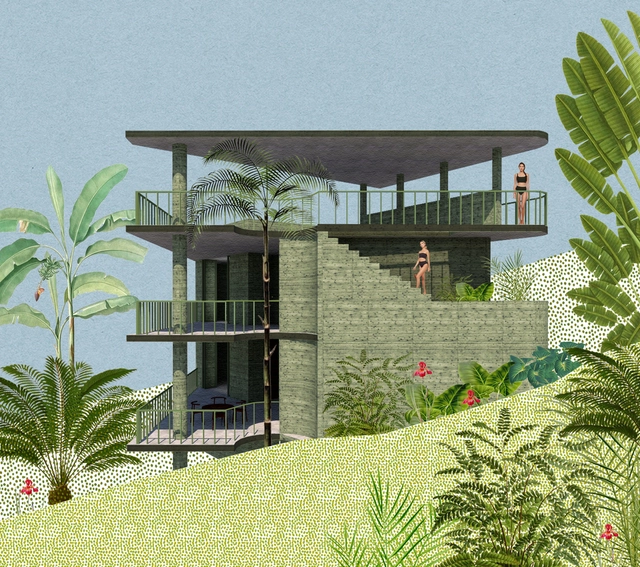
Renders are representations that can convey the three-dimensional aspect of a design through two-dimensional media, i.e., an image, providing a preview of how the project will look in the future. However, unlike what people often imagine, rendering is not always a realistic visualization of architecture.
Since it is a tool for visual communication, renderings can have different styles depending not only on the project itself but also on the specific targeted audience and, above all, on the identity of the architect or architectural firm responsible for the design.
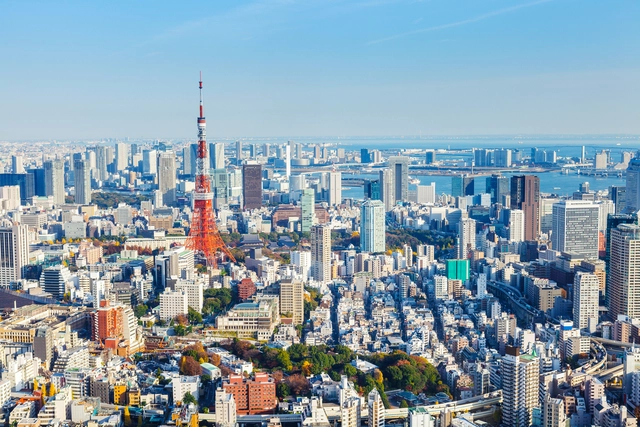
According to the United Nations’ latest report on populations in cities, by 2030, “urban areas are projected to house 60 percent of people globally and one in every three people will live in cities with at least half a million inhabitants”. Growing in both size and number, cities are hubs of government, commerce, and transportation, and in 2021, the world’s 20 largest cities are home to half a billion people. In fact, one in five people worldwide lives in a city with more than 1 million inhabitants.
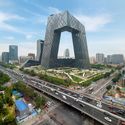
Below, we have rounded up the top 20 megacities in the world of 2021, according to the number of people that live in their metropolitan area. While Tokyo is the largest city on a global level, with a total of more than 37 million residents, the majority of the most populous cities in the world are in the two most populated countries, China and India. Among these, we have 5 metropolises in China, Shanghai, Beijing, Chongqing, Tianjin, and Guangzhou, and 3 in India, Delhi, Mumbai, and Kolkata. The largest city in the American continent is Sao Paulo in Brazil with 22 million people, followed by Mexico City and Buenos Aires in Argentina. Istanbul takes the 13th position with one part of the city lying in Europe and the other part in Asia.
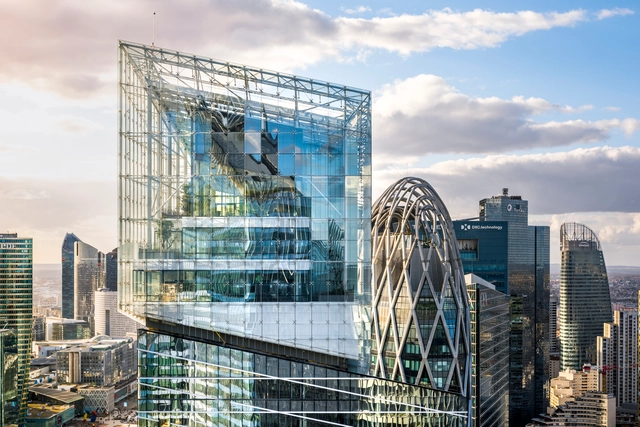
In a 2016 survey of 400 employees in the U.S., Saint-Gobain found that office building occupants commonly complained about poor lighting, temperature, noise, and air quality, leading the company to deduce a need for improved lighting and thermal comfort in buildings while also maintaining low energy consumption and freedom of design for architects and clients. Their solution was SageGlass, an innovative glass created first in 1989 and developed over the course of the past three decades. The glass, which features dynamic glazing protecting from solar heat and glare, simultaneously optimizes natural light intake. A sustainable and aesthetic solution, SageGlass’ adaptability to external conditions dispels the need for shutters or blinds.
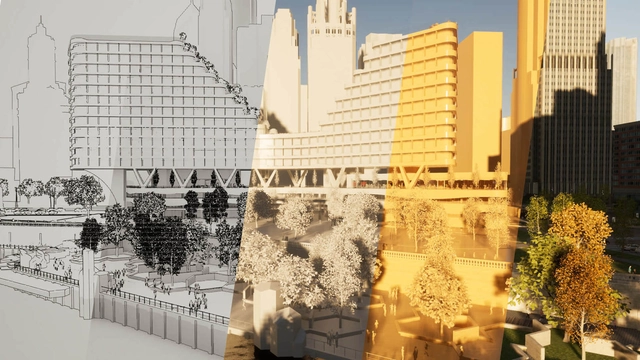
Working remotely throughout the past year has accelerated the introduction of new approaches to real-time rendering, and with it, a new necessity was born: how can a person feel physically present inside a space, without actually being there? Ultimately, designers resorted to the virtual world, a vast realm of interactive built environments that can be accessed from the comfort of one's home. Even the tools utilized, such as headsets and goggles, have become more accessible to the vast majority of the public and are being sold at a lower price than they initially were. We have become accustomed to build, modify, and navigate between different environments, going back and forth between what is real and what isn't. Truth is, virtual has become the new normal.
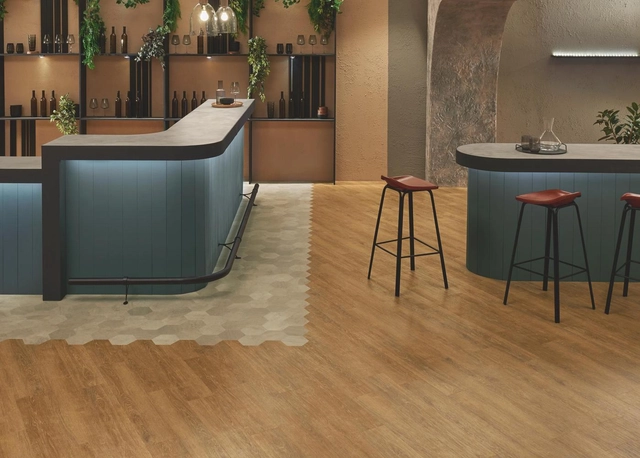
Amtico’s flooring products not only look like the real thing, they’re also more robust than the natural materials which they imitate, offering architects versatile surface solutions and greater planning freedom.
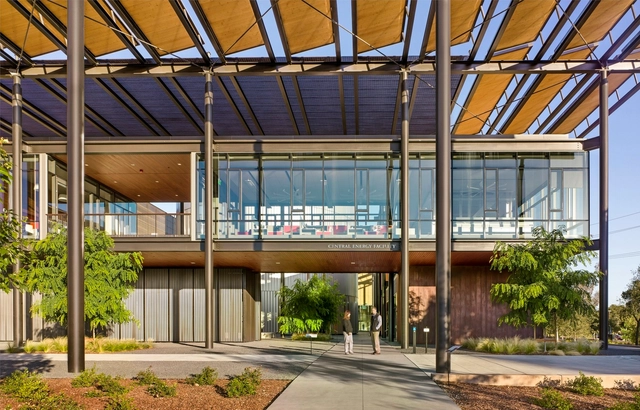
Solar design in contemporary architecture is rooted in the profession's sustainable turn. The relationship between architecture and energy is tied to both passive strategies and performance via more recent innovations in technology. As one way to begin addressing the global climate crisis and greenhouse gas emissions, solar design is reshaping cities and architecture around the world.

Premium kitchen brand next125’s award-winning ‘Trolley’ brings multifunctional mobility beyond the kitchen and into other increasingly connected home spaces.
.jpg?1612451460&format=webp&width=640&height=580)
In a past life, I completed a master's degree in semiotics, where I learned to pay attention to the words we choose. For example, open any book on Brazilian architecture and you will find subtitles that help organize our built environment chronologically: Indigenous Architecture, Colonial Brazilian Architecture, Imperial Brazilian Architecture, Brazilian Modern Architecture, Contemporary Architecture in Brazil. Notice the subtle difference: the word *Brazil*, which names this land, appears in every post-colonial period, but is absent from the one representing the original way of building in this place.
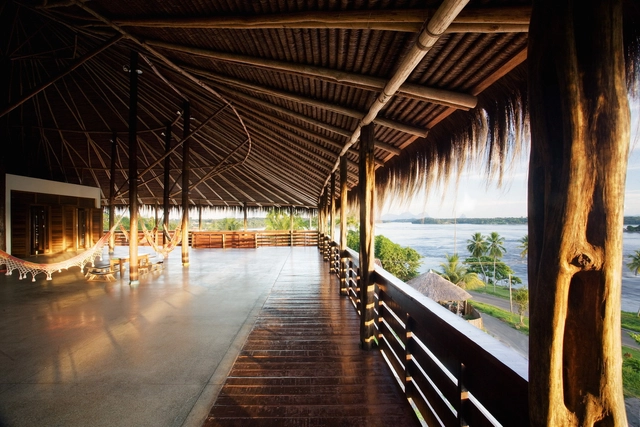
Architects, urbanists, and students in the field have much to learn from the construction models of the first inhabitants of the Brazilian territory, who have long built shelters adapted to their local contexts. Establishing a common set of characteristics for indigenous architectural solutions proves to be a highly superficial approach, as the shapes and dimensions of indigenous ocas or malocas vary depending on the community and the number of people living there. However, by studying the diverse examples of indigenous architecture, it is possible to rethink the notion of “advanced technology” and assimilate sustainable solutions adapted to environmental conditions.
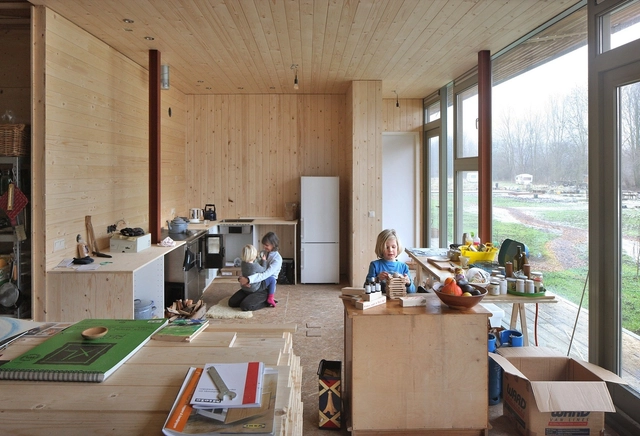
Many of us have already lived, are living, or will live in a shared student house - a good mix of cheap housing and intense socializing with friends and school mates. For a reasonable price, it is possible to have a single private room and share common spaces. In fact, not only university students are living this way nowadays. The concept of co-living is becoming more and more an attractive and effective solution.
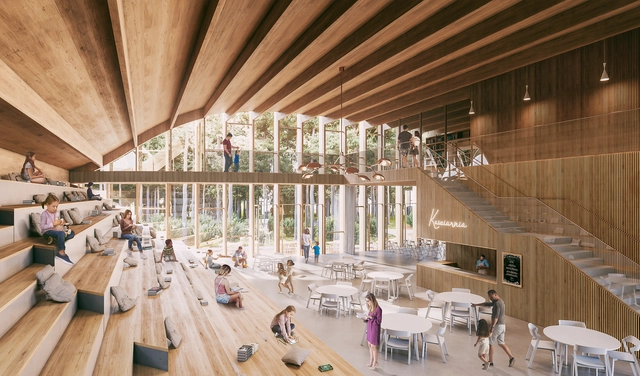
This week’s curated selection of the Best Unbuilt Architecture focuses on projects related to learning, research and culture submitted by the ArchDaily Community. From kindergartens to libraries and universities, the article explores how different spaces of knowledge around the world are designed to inspire their users.
Featuring an array of scales and architectural programs, the list of projects includes a circular library in South Korea, a bridge-like kindergarten in Poland, as well a university in Tel Aviv that creates a series of opportunities for unmediated interactions and unscripted learning. The following are architectural programs that cater to the dissemination of knowledge in all its forms and to all age and social groups.
Occhio+ represents a broadening of the Occhio product portfolio into the larger contract sector, and, as such, is aimed explicitly at architects and planners.
_OMA.jpg?1616763505&format=webp&width=640&height=580)
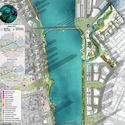
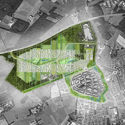
In any planning process, a series of documents—comprising both graphic and textual materials—establishes a framework for future development. In urban planning, the master plan stands out as one of the most common instruments for this purpose.
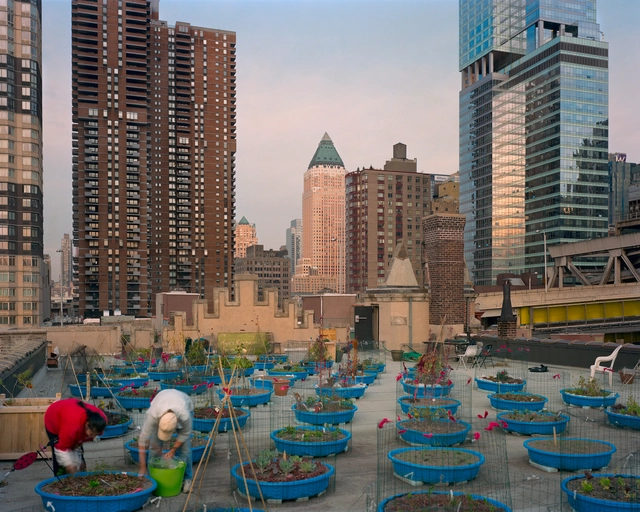
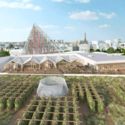
Twelve thousand years ago, our ancestors noticed that wherever a seed or fruit fell, a plant grew. Realizing they could intentionally plant seeds and harvest them later, they stopped migrating in search of food and settled permanently where they could cultivate. In doing so, they began establishing the world's first cities and inventing what we now call agriculture.
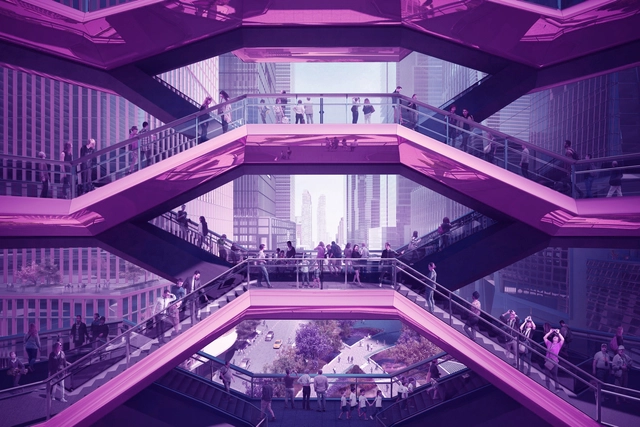
Fifty-one years ago, in 1970, a Japanese roboticist named Masahiro Mori came up with the concept of the “Uncanny Valley”. Around the same time, architectural renderings done using analog methods were still in vogue – collages and photomontages used to get ideas across to clients. A decade later, personal computers came along, and that saw the emergence of CAD and the wider adoption of digital rendering. Today’s architectural renderings are almost imperceptible from reality, with the increase in sophistication of rendering sofware. We struggle to tell the difference between what is a rendering and what is not – or rather we are able to tell a slight difference and it leaves us slightly uncomfortable, which brings us to Mori’s uncanny valley.
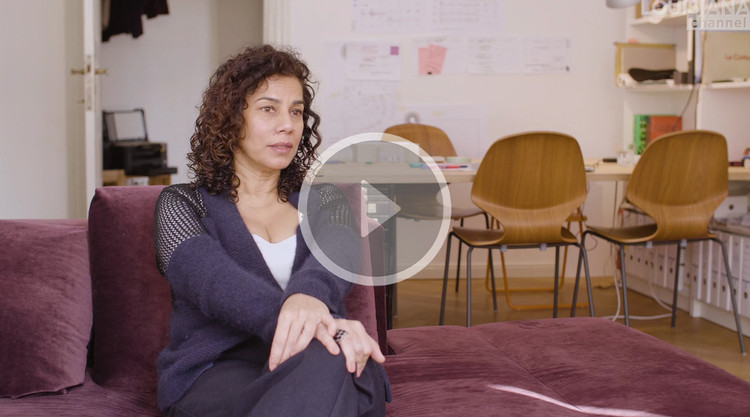
In Louisiana Channel's latest interview, Indian architect Anupama Kundoo shares her thoughts on the importance of balancing between traveling and being in solitude with oneself. "I think travel is important, but if you're not rooted yourself, you will go to a hundred places and not see anything", explained the architect, "traveling helps you step back from what you take for granted".
This episode of Architecture w/ Stewart explores the only five ways of organizing the plan of a building, at least they are the only ones according to Francis Ching as listed in the canonical text Form, Space, and Order. Each of the five: central, linear, radial, clustered, and grid, offer unique benefits and opportunities to architects, clients, or visitors. Some of the strategies are reserved for formal ceremonial buildings, while others are better for providing less rigid and more organic exploration by occupants. Some yield complete and autonomous forms while others can shrink or grow at ease. However, every single building is, in some way, a combination of these five basic strategies. Using paper cutout shapes, plastic human figures, and representative examples from history and recent constructions, Stewart demonstrates the value and possibilities of each organizational strategy.
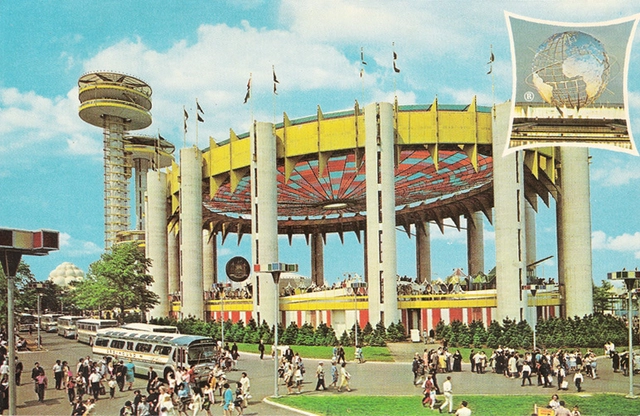
World’s Fairs seem to be a memory of the distant past. These mega-scale events once brought us culinary staples, technological advancements, and introduced some of the most notable examples of architecture and landmarks that impact how we think about design and construction even in the present day. Throughout the numerous fairs and expos that were held, architectural discourse itself significantly advanced and the pomp and circumstance that surrounded these muscular flexes of international innovation reimagined what life would be like in the decades to come.

INCLUSIVE ARCHITECTURAL PRACTICE is a pioneering international firm integrating architecture, interiors, landscape, and graphic design. Composed primarily of designers with extensive study, work, and life experience both in China and abroad, the team is dedicated to creating cutting-edge, inclusive architecture that brings future-oriented change to the educational, cultural, R&D, office, and commercial sectors.

Heritage buildings are precious treasures passed down to us by our ancestors. They are also intangible cultural gifts for all mankind, a discovery of the past. Nevertheless, as time changes, ancient Chinese architecture, either destroyed by the forces of wars or nature, is gradually losing its original glory, making the protection and restoration of ancient buildings an urgent matter in this contemporary world.


.jpg?1617889198 "Courtesy of BIG")











.jpg?1612365973 "Barraca do Bem Viver. Image © Wanny Melo")
.jpg?1612365999 "Barraca do Bem Viver. Image © Wanny Melo")
.jpg?1612366021 "Barraca do Bem Viver. Image © Wanny Melo")
.jpg?1612366053 "Barraca do Bem Viver. Image © Wanny Melo")
.jpg?1612451460)


.jpg?1571925498 "Roof of the Socio-Environmental Institute - ISA / Brasil Arquitetura. © Daniel Ducci")








_OMA.jpg?1616763505)
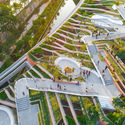



.jpg?1618071837 "Courtesy of BIG")
.jpg?1618071843 "Courtesy of Alexis Christodoulou")
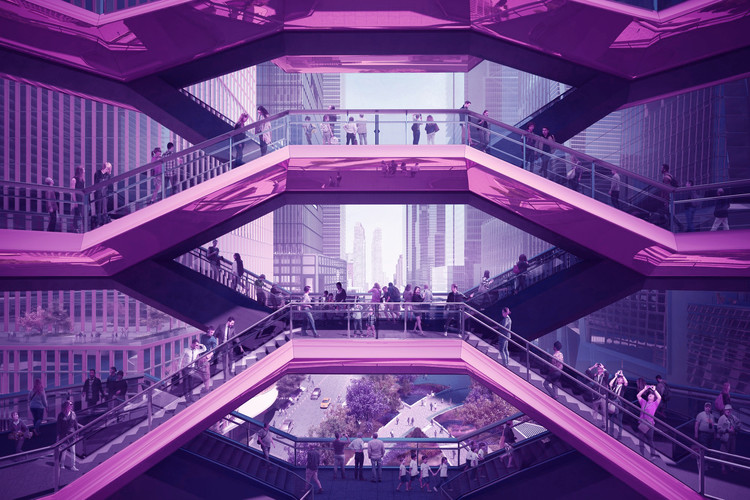
.jpg?1618576449 "Wall House. Image © Javier Callejas")

.jpg?1618576436 "Wall House. Image © Javier Callejas")