
In light of the coronavirus pandemic, the relationship between people and the spaces around them has had to be reimagined. As enclosed spaces that typically draw crowds, museums had no choice but to close their doors as the number of infections rose. Yet, their programming did not necessarily grind to a halt. Although some major architecture and urbanism events were postponed to a time when the pandemic is expected to be under control (such as the 17th Venice Architecture Biennale), many museums, galleries, and exhibition spaces saw the moment as an opportunity to deepen their engagement with virtual formats.
.jpg?1608552262 "View of the AA Earth Gallery virtual exhibition")

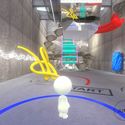


Spurred by the limitations of the pandemic, museums turned to various strategies to maintain an active dialogue with the public. The methods chosen to host an exhibition while ensuring social distancing went far beyond simply publishing collections online. Instead, they explored virtual reality exhibition design, the use of robots navigating museum galleries on behalf of visitors, and shifting exhibitions to websites, games, and video formats.


