Scale dramatically shapes how we experience architecture and the built environment. Whether looking at buildings by volume, square area or height, the larger a project gets, the greater our perception changes. Monumental projects tell incredible stories of spatial experience, programming and design. Towering above us and around us, these large-scale works become landmarks in rural and urban contexts.
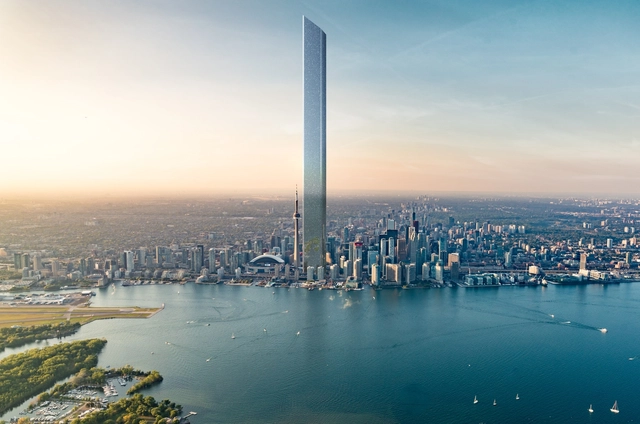
This week’s curated selection of the Best Unbuilt Architecture focuses on large-scale architecture located around the world. Drawn from an array of firms and local contexts, they represent proposals submitted by our readers. They showcase a wide array of approaches to designing at larger and larger scales, from an expansive arena in Vienna and a lush memorial in Singapore to the world's tallest tower designed to draw attention to poverty in Toronto.
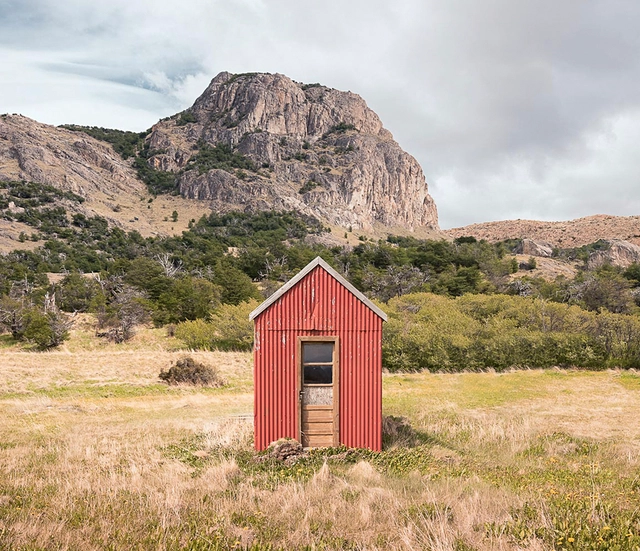
Argentina's Patagonia region is a vast swath of land that spans the provinces of Chubut, Neuquén, Río Negro, Santa Cruz, Tierra del Fuego, and even parts of La Pampa, Mendoza, and Buenos Aires. Although it is the largest region within the country, it is also the least populated and, therefore, markedly rural and isolated. This isolation forms the basis for Thibaud Poirier 's“Houses of Patagonia”, where he offers a visual registry of the houses found throughout the region in an attempt to capture the similarities that define the region's architectural style.
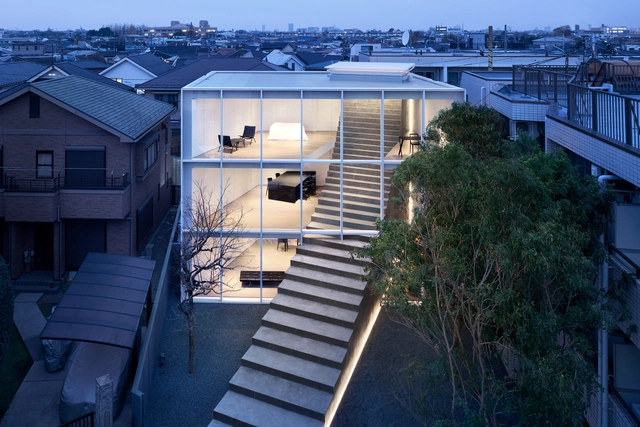
Residential architecture is one of the most popular categories among our readers. During 2020 we’ve published more than 2,000 houses, featuring projects from different regions of the world and offering a variety of solutions, materials, contexts, environments, scales, and typologies. Providing a broad source of inspiration for those seeking references for their own residential project.
Below you will find the 20 most-visited residential projects featured on ArchDaily during 2020. This selection represents the best content created and shared by the ArchDaily community over the past 11 months.
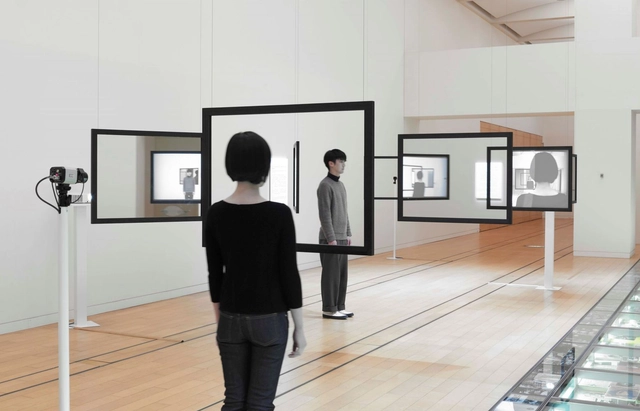
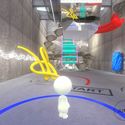
Windowology virtual exhibition. Courtesy of Japan House LA
In light of the coronavirus pandemic, the relationship between people and the spaces around them has had to be reimagined. As enclosed spaces that typically draw crowds, museums had no choice but to close their doors as the number of infections rose. Yet, their programming did not necessarily grind to a halt. Although some major architecture and urbanism events were postponed to a time when the pandemic is expected to be under control (such as the 17th Venice Architecture Biennale), many museums, galleries, and exhibition spaces saw the moment as an opportunity to deepen their engagement with virtual formats.
Videos
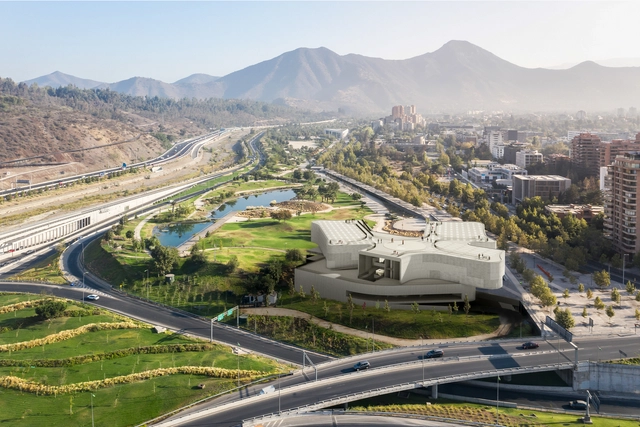
First Place: Cristián Fernández. Image Courtesy of Fundación Engel
The team led by Chilean architect Cristián Fernández has won the National Architecture and Landscaping Competition for the New Museum of Santiago (NUMU, Nuevo Museo de Santiago), a cultural project that will house the Fundacion Engel art collection in the Bicentennial Park in Santiago, Chile.
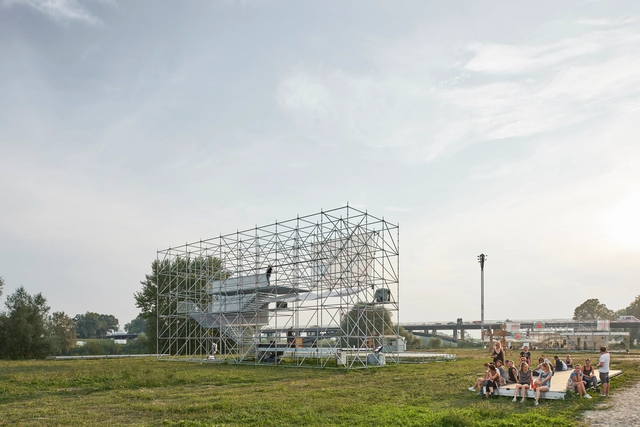
Little has been said about the contribution of scaffolding to the history of construction. These structures are generally treated as mere equipment and, as a result, their records are very scarce. Without scaffolding, however, it would be almost impossible to construct most of the buildings we know. Scaffolding allows workers to reach and move materials at difficult points in a construction, providing safety and comfort. But in addition to its role as a support structure for buildings, we have also seen that scaffolding can be used for mobile, temporary, and even permanent structures. Below, we explain its history and possibilities for use.
It is difficult to start any retrospective text on 2020 without sounding too cliché. While facing an invisible enemy that changed everyone’s lives, this past year has taught us that humanity is more fragile than we ever imagined. At Archdaily, it’s our job to synthesize how the buildings and the world we live in will be impacted by COVID-19 not only in the short term but in the distant future as well. Has our perception of the built environment changed this year? And has our relationship with the tectonics of buildings changed with all of the obstacles we’ve faced along the way?
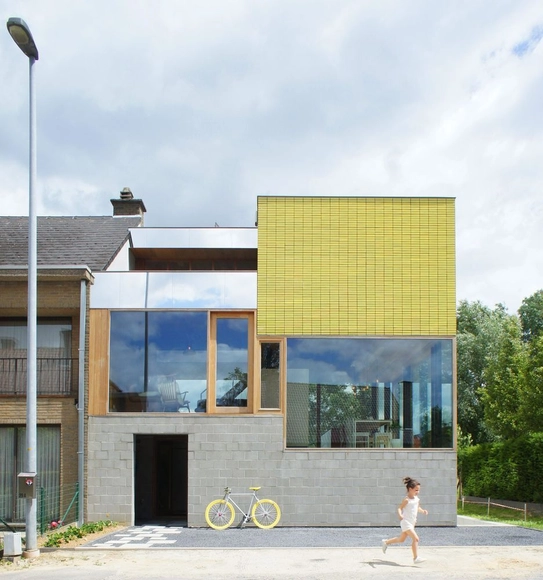
Stephanie & Kevin / Atelier Vens Vanbelle. Image Courtesy of Atelier Vens Vanbelle
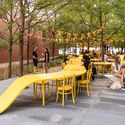
On December 9, Pantone announced its color(s) of the year for 2021: PANTONE 17-5104 Ultimate Gray and PANTONE 13-0647 Illuminating. Selecting two colors for only the second time in 22 years, Pantone described the chosen yellow and gray as independent but complementary, representing a theme of unity and mutual support. Whereas PANTONE 13-0647 Illuminating is bright and vivacious, PANTONE 17-5104 Ultimate Gray is firm and dependable, the marriage of which represents strength, optimism, and fortitude following a markedly challenging year. In architecture, this palette combining playfulness and solemnity has been used in social spaces, domestic spaces, care spaces, and more to communicate similar themes of resilience and positivity.
Below are 14 examples of projects using Pantone’s 2021 colors of the year.
https://www.archdaily.com/953768/pantones-color-of-the-year-2021-yellow-and-grey-in-architectureLilly Cao
Videos
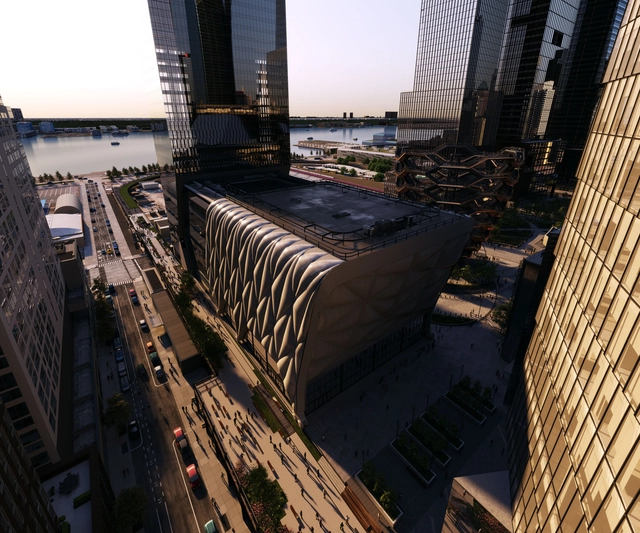
Neoscape NYC / Chaos Vantage. Image Courtesy of Chaos Group
This year, real-time became really important. For architects and arch-viz artists, the ability to explore and design interactively is nothing short of game-changing, drastically shortening project life cycles and making it easier to present and discuss ideas with co-workers and clients. With remote collaboration becoming a normal part of day-to-day life, real-time views of projects have become invaluable.
Cities would be nothing without the sense of experimentation and the future-forward push to always break the status quo in demand of a better urban life. As many successful urban designs and strategies as there have been, the world has also seen some not-so-successful ones, that have been pushed to the sidelines becoming a forgotten memory over time. While we look ahead and speculate about what the future of cities could and should be, maybe it’s time to take the lessons learned from these failed projects and pay homage to their misfortunes, so that history’s mistakes aren’t repeated in the present day.
In light of today's climate emergency, our current urban model—defined by rapid, uncontrolled growth that fosters social segregation and harms the environment—must be replaced.
Against this backdrop, the concept of Sustainable Transit-Oriented Development (TOD) emerges to break with existing spatial planning paradigms. As the name suggests, TOD proposes action strategies that integrate urban design with transport and mobility planning, which can be implemented through public policies or urban projects.
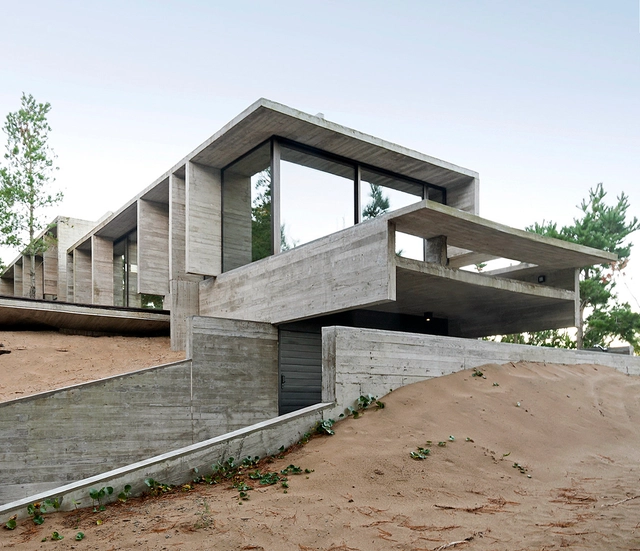
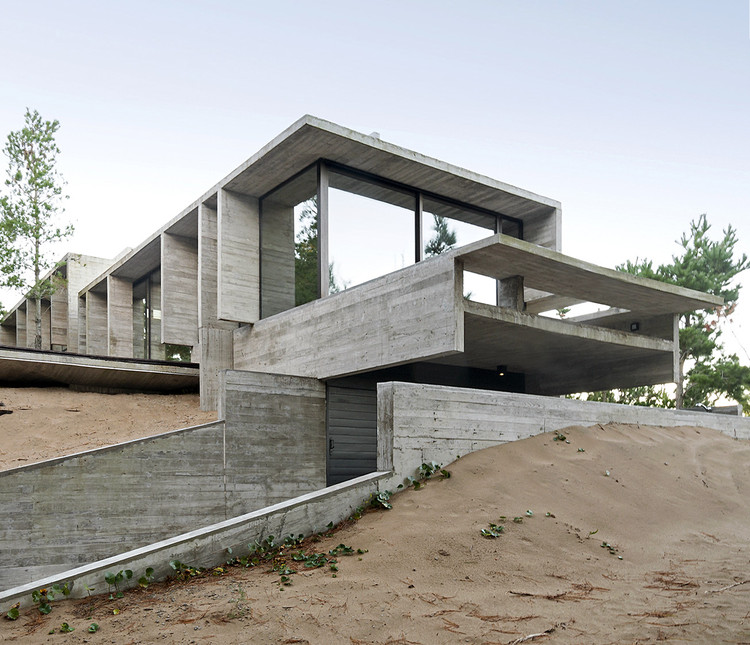
Thanks to its aesthetic qualities and malleability, concrete is the darling of the world's builders and architects. In Argentina in particular, concrete's durability and adaptability to a range of climatic conditions makes it one of the most sought after construction materials, demonstrated by, not only the country's countless museums, hotels, hospitals, but by its residential and smaller-scale buildings as well.
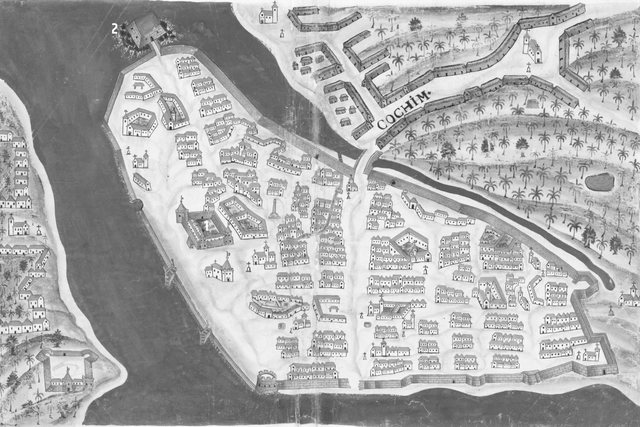
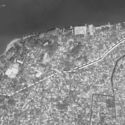
FIG. 5: Plan of the city of Cochin, by Pedro Resende, 1635 (BOCARRO, 1635). Source: BIBLIOTECA NACIONAL DIGITAL DE PORTUGAL. Edited by the author
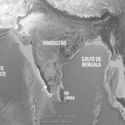
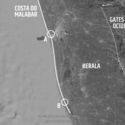
The following text contributes to the debate on a topic crucial to understanding the Portuguese presence in the world: urbanization processes. Focusing on the landscape of Cochin as a case study, we seek to build alternative pathways for thinking about “Portuguese” cities around the globe and their relations with the diverse agents and cultures with whom the Portuguese interacted during their overseas activities across practically the entire planet. Amid this sea of options, the choice of Cochin is guided by two main aspects.
First, Cochin was the first location where the Portuguese established a solid foothold in the Indian Ocean, in the early sixteenth century. While the Portuguese had previously accumulated a wealth of experience on the West African coast and the Atlantic islands, the same could not be said of the Indian Ocean: Cochin served as the first permanent laboratory of the Portuguese experience on Asian shores. In this context, the case allows us to analyze how the Portuguese accommodated themselves to an unfamiliar environment, as well as to debate their strategies and instruments.
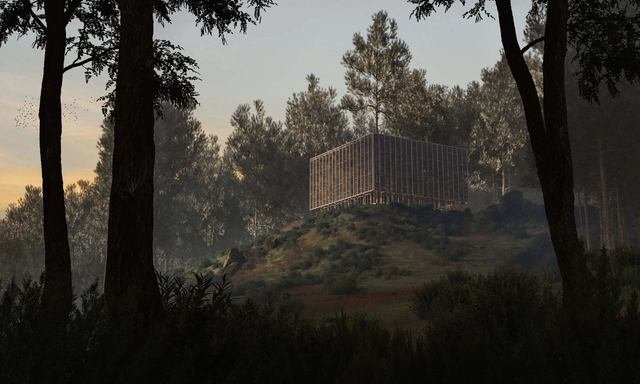
Tucked beneath the dense trees of Al-Ozer Forest in Mount Lebanon, Byblos-based architects and visual artists of JPAG Atelier created a secluded retreat away from humans and the chaos of the urban life. The Earth Chapel is a unique sanctuary that lets its visitors experience both the simplicity of the architecture and the richness of the surrounding landscapes, all at once.
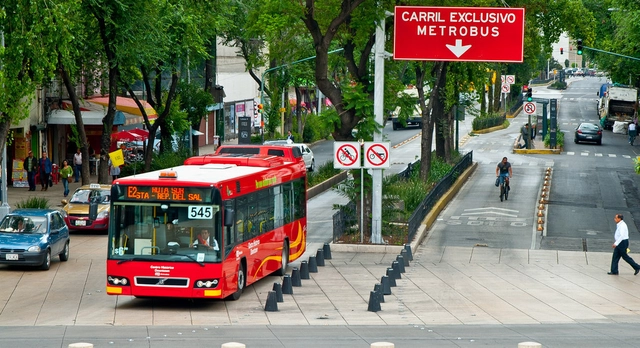
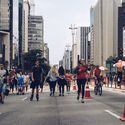
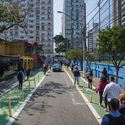
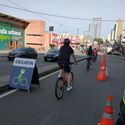
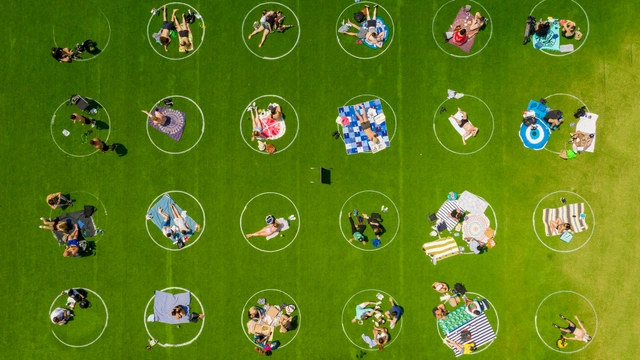
The pandemic provided a unique circumstance for city-scale experiments regarding mobility, while immediate responses showed the transformative power of tactical urbanism. In many cities, the measures meant to ensure social distancing are to be kept in place post-pandemic, paving the path towards recovery with less traffic and more outdoor activities. How did the pressure of rethinking streets, functions, and transportation systems transform public space in 2020?
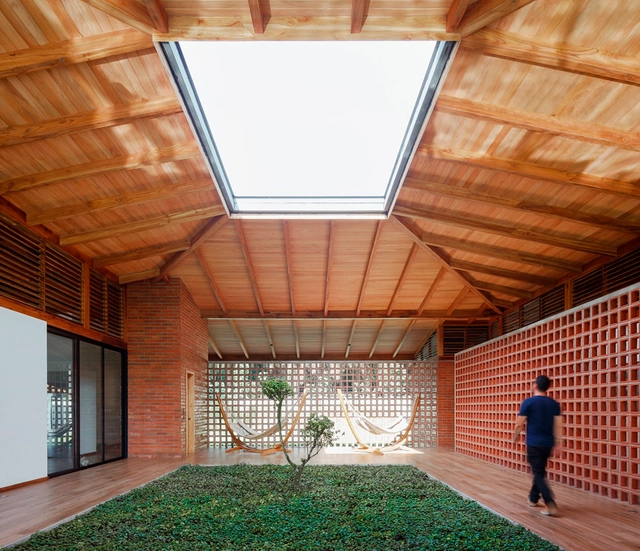
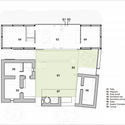
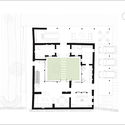
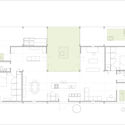
Inner courtyards and gardens can provide many benefits, such as natural light, better ventilation, and increased contact with nature without losing privacy.
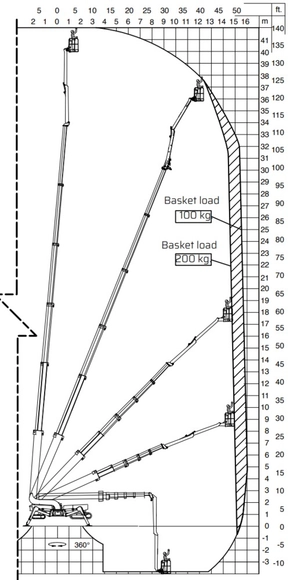
Diagram of Falcon Lift's Falcon FS 420C. Image Courtesy of Falcon Lift
For companies or leasers that own large buildings, building maintenance can seem daunting, costly, or even superfluous, particularly when building functions appear to be running smoothly. But proper and consistent building maintenance is imperative for a number of reasons. Buildings inherently function less effectively over time due to natural causes such as climate, daily occupant use, mechanical obsolescence, and more. When left unresolved, these issues can devalue user experiences, create dangerous and unhealthy environments, and even incur costs higher and more sudden than consistent building maintenance costs.
https://www.archdaily.com/928044/why-is-building-maintenance-importantLilly Cao
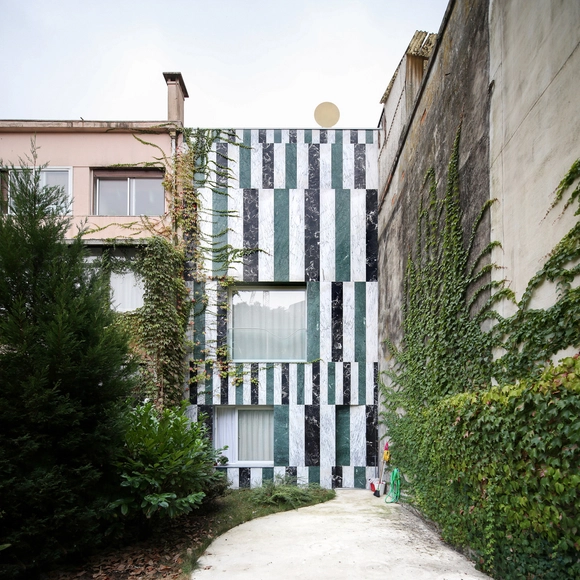
House In Rua do Paraíso / fala. Image Courtesy of fala
Five emerging architecture studio profiles from Portugal, Spain, France, and the Czech Republic have been chosen by New Generations, a European platform that analyses the most innovative emerging practices at the European level, providing a new space for the exchange of knowledge and confrontation, theory, and production. Since 2013, New Generations has involved more than 300 practices in a diverse program of cultural activities, such as festivals, exhibitions, open calls, video-interviews, workshops, and experimental formats.




.jpg?1608552262 "View of the AA Earth Gallery virtual exhibition")

.jpg?1608057697&format=webp&width=640&height=580)