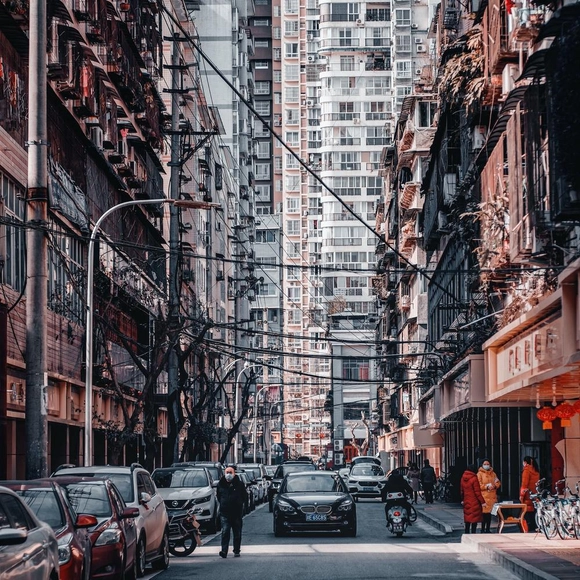
In today's global landscape, bridging architectural studies and public health is highly critical. The year 2020 brought the world to a standstill, underscoring the urgent need to focus on the most vulnerable areas. How can we guarantee high-quality public services equally to an entire population when the urban environment of one segment is so deeply compromised? Finding answers to this question is essential to planning a sustainable future for humanity.
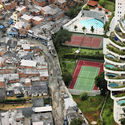
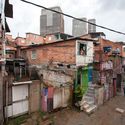
To this end, this article reflects on spatial socioeconomic inequality, positioning architecture as a tool for transforming these spaces. It presents data on the housing and urban conditions of substandard settlements (referred to by the Brazilian Institute of Geography and Statistics - IBGE as "subnormal agglomerations") and analyzes the neglected diseases affecting these communities.

















.jpg?1617225052&format=webp&width=640&height=580)







.jpg "Residential houses \"Eigen Haard\", Spaarndammerplantsoen, Amsterdam, Original state, 1915. Image Courtesy of Wikimedia")