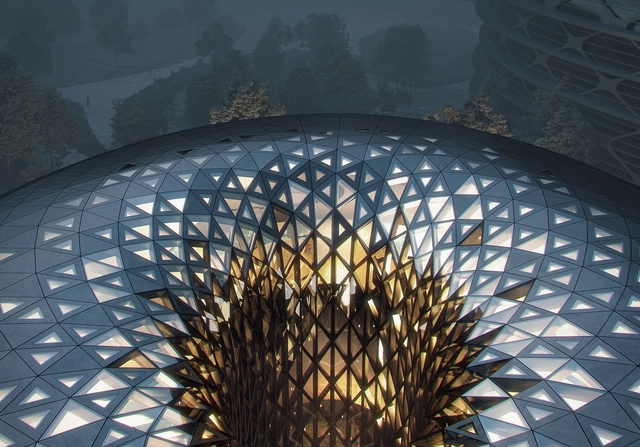
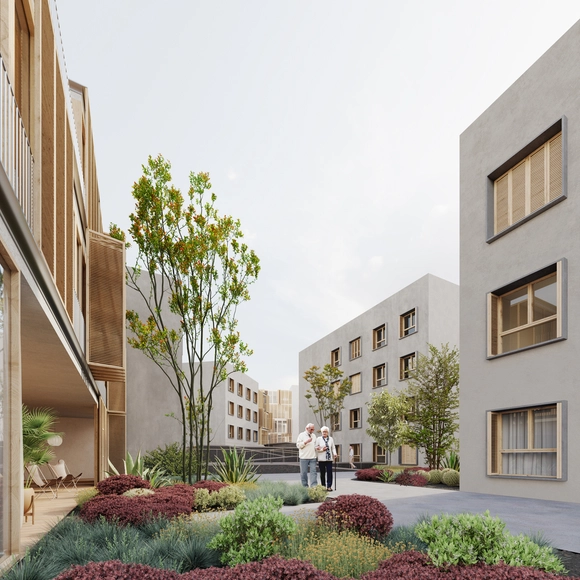
Vista Oeste. Image Cortesía de Burgos & Garrido Arquitectos
The firm of Francisco Burgos and Ginés Garrido was awarded first prize in the competition promoted by the Cabildo of La Palma to design a senior residence and day care center in Los Llanos de Aridane, a municipality in the province of Santa Cruz de Tenerife, Canary Islands. Located on the west side of the island of La Palma, the proposal is conceived as a meeting point between architecture and nature, where its residents can enjoy the final stage of their lives supported by an optimistic architecture that fosters communal living.
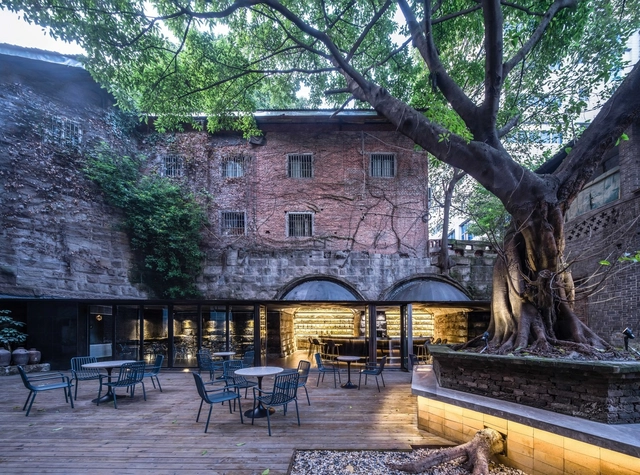
Both tea and alcohol in traditional China were similarly aestheticized, and both influenced the language of literature and art. People used to exchange alcohol as a gift in a way that they later would with tea. Today, more and more cities in China have embraced this drinking culture that passed down from generation to generation, and reinterpreted with a new contemporary fashion, which is constantly evolving in the urban cafes and bars.
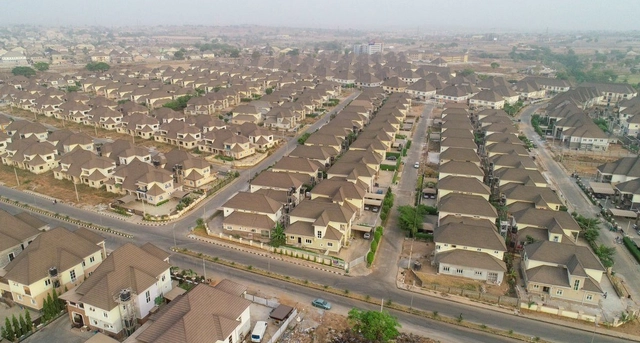
In spite of the lull in the global construction industry over the last couple of years, megacity projects in Africa have continued unabated, as new developments are springing up in major cities all over the continent. Though we’re inspired by the growth of modern African cities and the opportunities offered to city residents, we shouldn’t ignore their shortcomings, the glaring disconnect between the utopian visions of local city officials and the economic and cultural realities of the local populations who live here. Many questions whether these new cities could be built in other ways, or if Africans will ever have an alternative to the current model of placemaking, hodgepodge urbanism foisted on it, largely by colonialists.
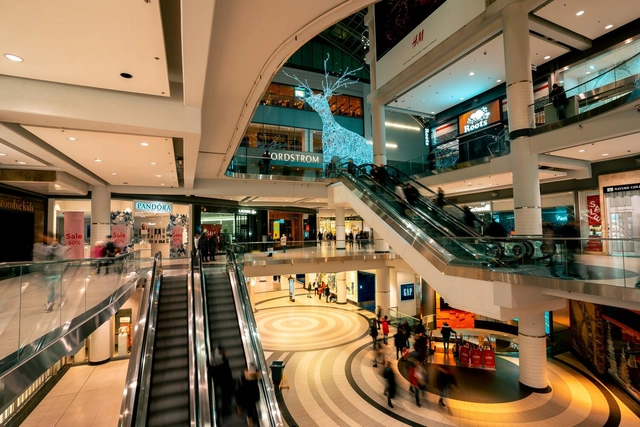
Shopping malls were a major trend in the early 1980s and '90s, when almost every major city around the world began investing in massive, climate-controlled retail complexes complete with food courts and movie theaters.
In Brazil, this shopping mall boom as a development model still persists in major cities and even in the country's interior. Shopping malls have acquired crucial importance for the development and maintenance of the logic of capital. Every city that "develops" has one or more malls woven into its urban fabric.
Exactly a year ago, on August 4, 2020, the third-largest non-nuclear explosion ever-recorded destroyed almost half the city of Beirut, ripping through the port and the eastern part of the capital. One of the biggest urban tragedies of modern times, killed more than 200 people, wounded thousands, and left an estimated 300,000 people homeless, damaging over 80,000 commercial, residential and public spaces. Felt across neighboring countries, the blast stripped the city’s constructions of their cladding, framing, and glass elements, while completely tearing down other buildings, leaving around US$15 billion in property damage, in times of Covid, political and social unrest, and economic collapse.
One year later, so little has changed. One year later, it only became harder for the people of Beirut. One year later, everything in the city still reminds them of that day. Major questions remained unanswered, no rescue or action plans have been taken by governmental institutions, instead, civil society rose to take into their own hands, reconstruction efforts, in the total absence of the state.
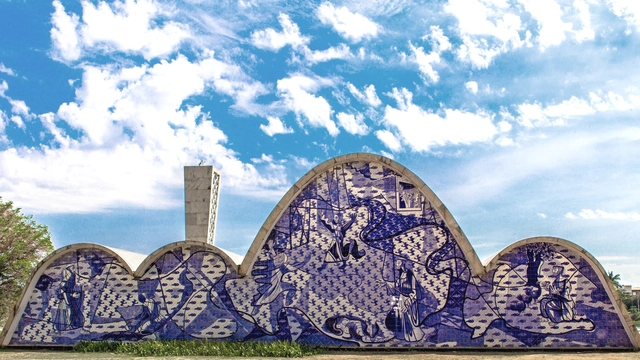
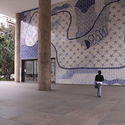
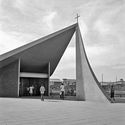
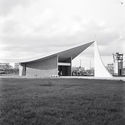
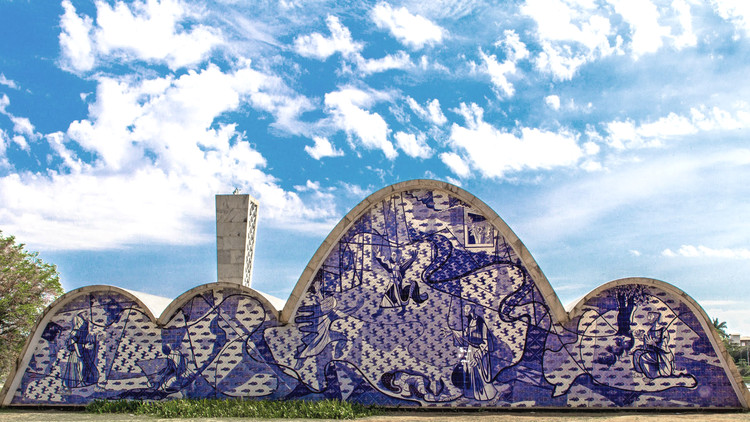
"I felt like I was Nino Rota and Oscar Niemeyer was Fellini, it was like I was creating an important piece of music in that work of art." Renowned visual artist Athos Bulcão uses this comparison between the Italian composer and the film director to refer to the relationship between his work with ceramic tiles and architecture. This fusion between art and architecture marked an important period in the history of Brazil, shedding light on issues such as national identity, the massification of art, and architectural techniques aimed at the tropical climate.
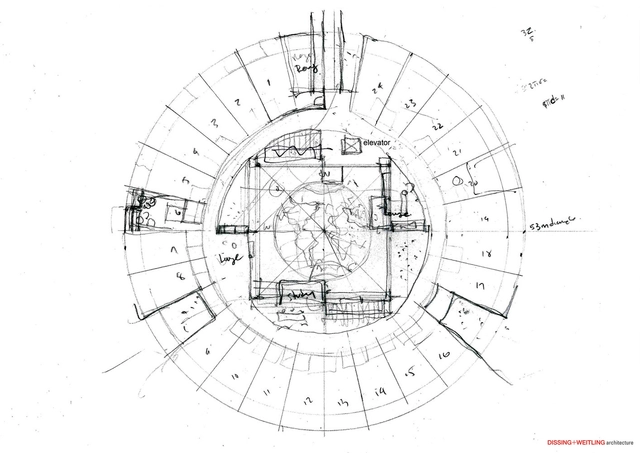
Often, when people think of buildings, they default to imagining rectangular structures—or at the very least, structures with orthogonal floor plans and hard angles, certainly not buildings with circular plans. The rarity of the circular plan comes in part from the fact that poor design choices can lead to wasted space and awkward interior arrangements, especially if furniture and appliances are rectangular in shape. However, strongly designed circular planes can have a dramatic effect, generating extraordinary spatial configurations that meet a variety of aesthetic and functional needs, while challenging the material specification process. Below, we list 18 buildings with circular plans, considering their varying strategies of design.
https://www.archdaily.com/966202/how-to-properly-design-circular-plansLilly Cao
Housing blocks, Estadio Housing Complex, BVCH. Image via Archivo Histórico Vicente Dagnino, Universidad de Tarapacá
For more than three decades, Chile's Norte Grande region positioned itself as an important modern laboratory and a hub of development on both a national and international scale. It embodied the potential to decentralize access to services and infrastructure, as well as territorial management itself. Driven by an economic boom, a project of modernity was promoted, spanning comprehensive investment plans to the management and construction of modern architecture projects. However, following the coup d'état and the subsequent militarization of the border, resources were once again concentrated in Santiago, bringing this regionalist momentum to an end. Below are details of some of these hybrid works which, shaped by both the desert climate and European influence, responded to a local context defined by an incomplete project of modernity.
People have fundamental needs that must be met in order to survive, which include: oxygen, water, food, sleep, and shelter. They also have secondary requirements, one of which is daylight. When thinking about how buildings can keep people healthy, it is important to remember that daylighting is essential to wellness, in fact, human circadian rhythms are dependent on it.
International School. Image Courtesy of CUBE Consultants
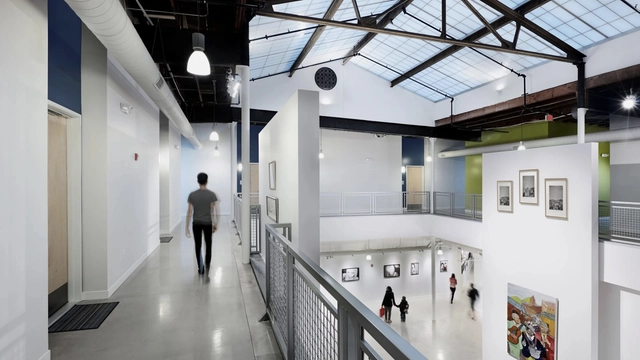
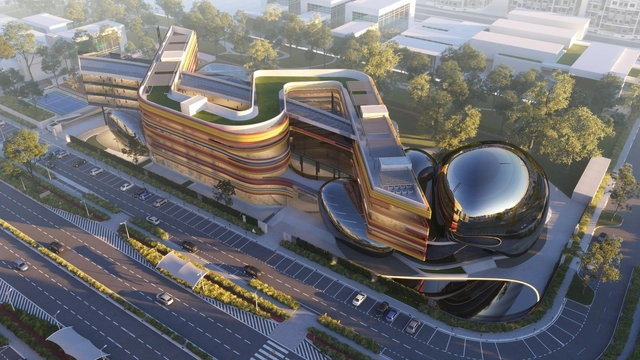
This week’s curated selection of Best Unbuilt Architecture highlights educational architecture submitted by the ArchDaily community. From preschools to higher education institutes, this article explores how architects shifted towards fostering individual creativity, critical thinking, and exploration, and presents projects submitted to us from all over the world.
Featuring a secluded kindergarten in the Icelandic mountains, a vibrantly-colored playschool in the industrial city of Shenzhen, and a Florentine high school with a flow of natural sunlight, this round-up explores how architects prioritize student well being and comfort in spaces that promote productivity, learning, and creativity. The selection also includes preschools, high schools, and academies in France, United States, Egypt, Kazakhstan, and Israel.
In May, aec+tech hosted an event on Clubhouse discussing how architects are using generative design in architecture firms today and towards the future. Five guest speakers from reputable architecture and tech start-ups —Zaha Hadid Architects, BIG, Outer Labs, 7fold, and RK Architects— joined the session to share their experiences and insights.
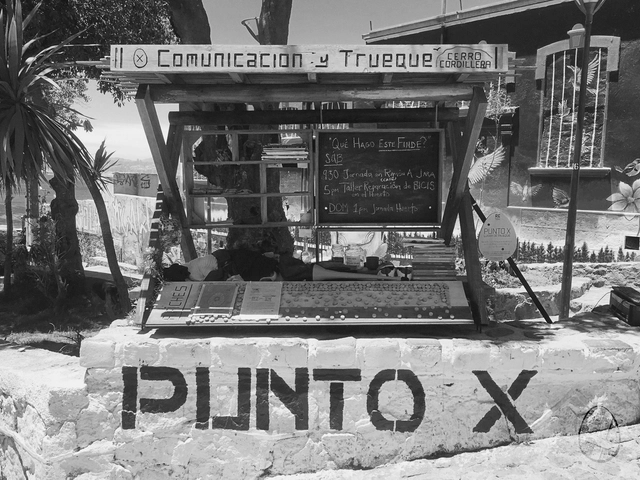
Punto X - Rui Cardoso - 2018. Image Cortesía de Huevo de Pato
This article is a collaboration with Colectivo RE and was originally published on August 2, 2020, in the second edition of Huevo de pato, a publication that aims to share thoughts and experiences as a strategy for the democratization of knowledge and practice.
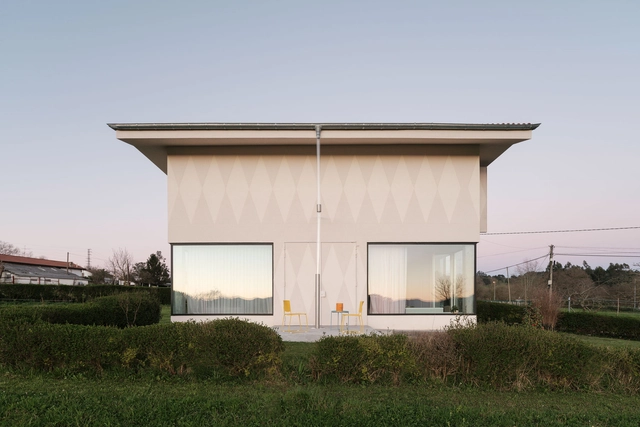
Four emerging architecture studio profiles from Switzerland, Germany, and Spain have been chosen by New Generations, a European platform that analyses the most innovative emerging practices at the European level, providing a new space for the exchange of knowledge and confrontation, theory, and production. Since 2013, New Generations has involved more than 500 practices in a diverse program of cultural activities, such as festivals, exhibitions, open calls, video interviews, workshops, and experimental formats.
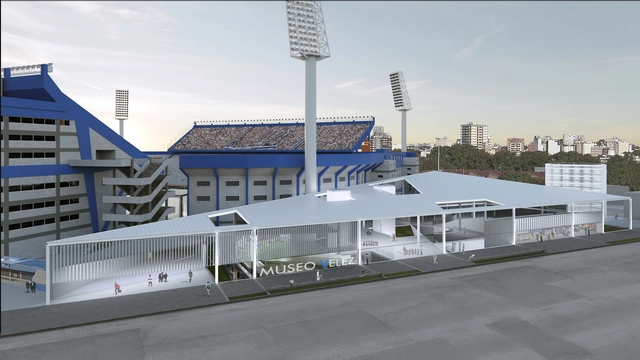
In a privileged location in the Autonomous City of Buenos Aires, with unparalleled accessibility for both national and international events, the project by Frazzi Arquitectos is built upon the history of Club Vélez Sarsfield, seeking to embody the legacy left by its illustrious figure, Don José “Pepe” Amalfitani.
Following decades of informal, well-intentioned interventions aimed at addressing emerging needs, the new project proposes a comprehensive overhaul. Moving beyond a mere functional solution and drawing on the club's history and sensitivity, it seeks to bring character and local relevance to the community.
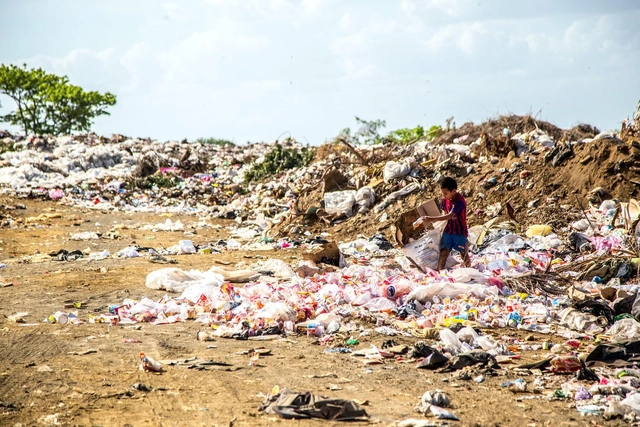
On July 29, 2021, we once again reached Earth Overshoot Day. This date marks the point when our annual consumption of natural resources and ecological services exceeds what Earth can regenerate in that same year. In other words, we enter the planet's "overdraft," according to the Global Footprint Network, the organization that has calculated Earth's ecological footprint since 1970.
The Akatu Institute, an organization promoting conscious consumption, issued a statement noting that Earth Overshoot Day in 2021 fell on the exact same date as in 2019. This means we have returned to pre-2020 levels, after the pandemic temporarily pushed the date back to August 22 last year.
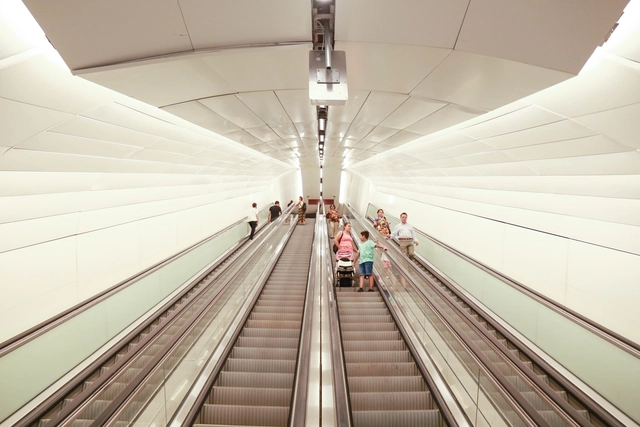
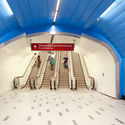
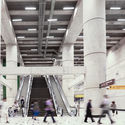
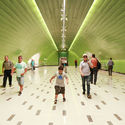
Rumor had it that behind the walls of historic subway station Cal y Canto in Santiago de Chile, a hidden ghost station would eventually link to Line 3—a planned route that was part of the original Metro master plan designed in the 60s. Its construction would have been shelved after the magnitude-7.8 1985 earthquake that forced public resources to be redirected for the reconstruction of the Chilean central valley.
34 years later, the Cal y Canto Metro station finally opened its connection with Line 3, the most recent addition to the rapid transit system, thus becoming the seventh line of Santiago after lines 1, 2, 4, 4A, 5, and 6.
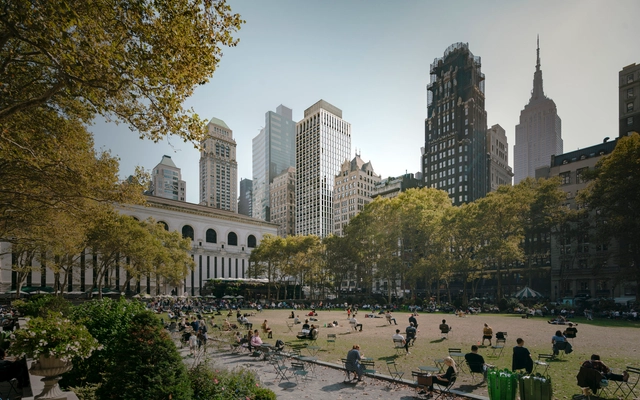
Recent extreme weather events and the acceleration of climate change, paired with decarbonization efforts that are not on track, make climate-related disruption unavoidable for urban environments, raising the issue of climate-risk adaptation. Moving past what can be done to prevent climate change, there is a strong imperative to develop strategies to prepare urban environments to cope with inevitable challenges such as sea-level rise, floods, water scarcity or extreme heat. The following discusses how cities can build resilience and adapt to undergoing and expected future climate threats.
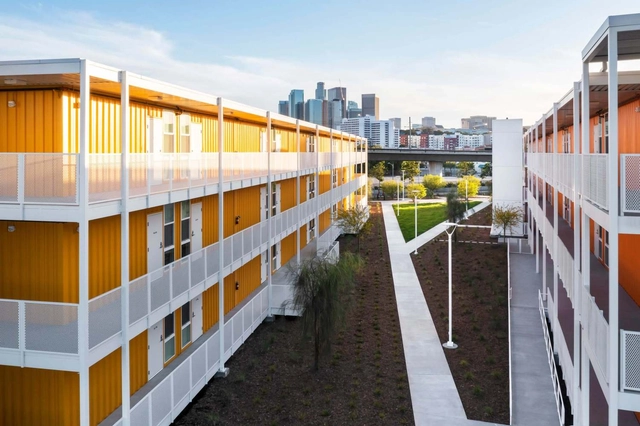
The Hilda L. Solis Care First Village (HSCFV), a large-scale interim housing project providing a wide range of amenities for both the unhoused and those in transition, recently opened in Downtown Los Angeles.






_19.23.02.jpg?1627601040&format=webp&width=640&height=580)