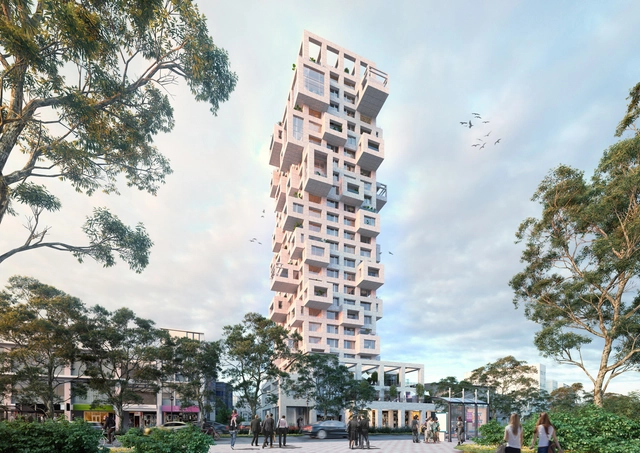
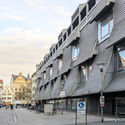
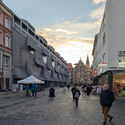
"Out of the Box" tower exterior render. Image Courtesy of MVRDV
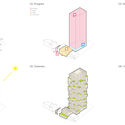
MVRDV has released images of "Out of the Box", a 12,025 sqm residential tower in Tianmu, one of Taipei's northernmost neighborhoods. Designed for Win Sing Development Company, the project began in 2019 and was developed using a system of standardized elements digitally distributed based on criteria such as habitability, efficiency, and access to community services. These elements are expressed in the tower's irregular, gridded façade, which features a layered marble cladding.
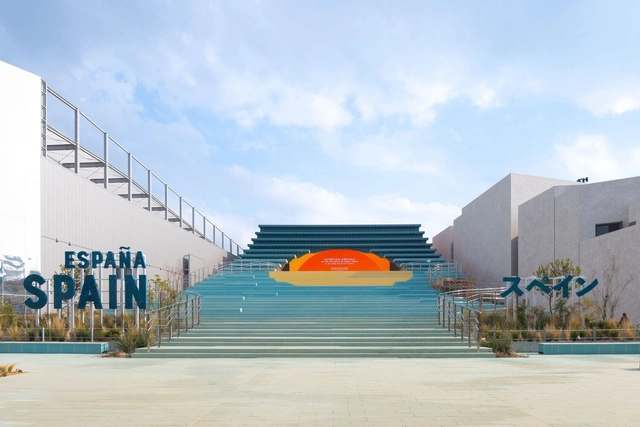
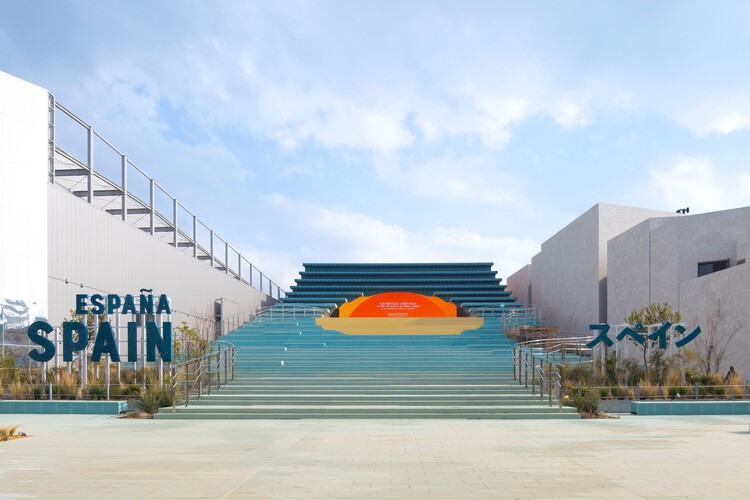
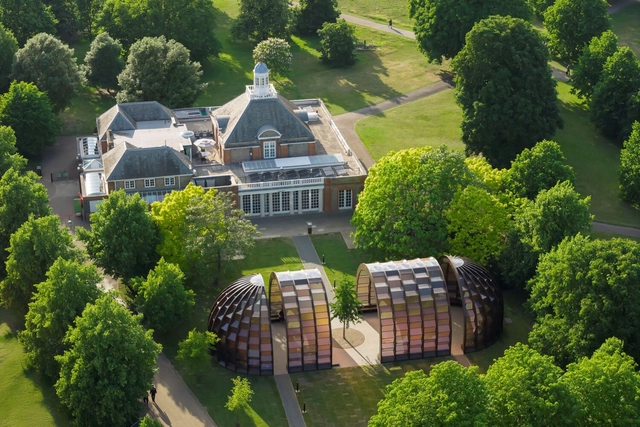
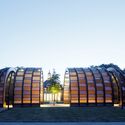
The Spanish Pavilion at the Expo Osaka 2025 is designed by the architecture and design practices Néstor Montenegro (EXTUDIO), Enorme Studio, and Smart and Green Design. This comes after being selected in the public competition organized by the Spanish Cultural Action (AC / E), the institution responsible for representing the country in Universal and International Expositions. Located in the northern section of the 65-hectare Pavilion World, within the thematic area of Connecting Lives, the pavilion highlights the key concepts of Oceand and Sun, Sustainability and Circularity, and Craftsmanship Knowledge. The exhibition will be open throughout the event, until October 13, 2025.
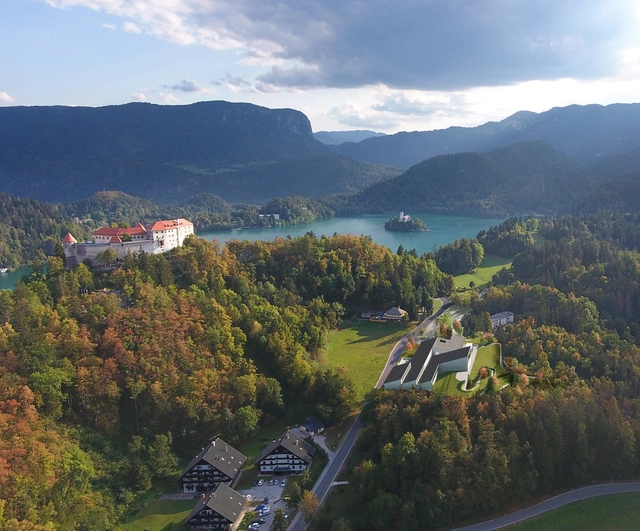
Designed by David Chipperfield Architects, Muzej Lah, a new contemporaryart museum, is set to open in the summer of 2026 in Bled, Slovenia. Located at the foothills of the Julian Alps, the museum will house the Fundacija Lah art collection, developed over more than three decades by Slovenian philanthropists Igor and Mojca Lah. The collection will be made publicly accessible for the first time with the opening of the institution.
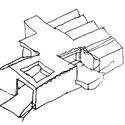
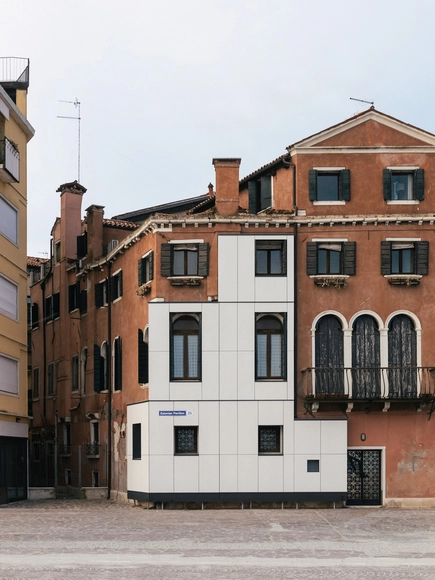
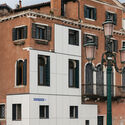
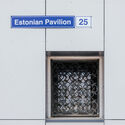
The installation and exhibition representing Estonia at the 19th International Architecture Exhibition of La Biennale di Venezia is curated by architects Keiti Lige, Elina Liiva, and Helena Männa. Titled Let Me Warm You, the national exhibition explores different dimensions of sustainability by questioning whether insulation-driven renovations in Estonia are simply compliance measures to meet European energy targets or whether they can also serve as opportunities to enhance the spatial and social quality of mass housing districts. To make this point, the Estonian installation covers the façade of a Venetian building with insulation panels, replicating how they are commonly installed in Estonia for mass housing renovations.
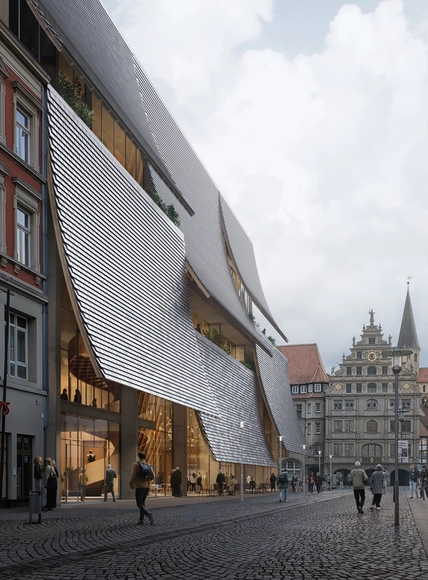
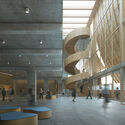
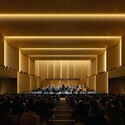
Copenhagen and Hamburg-based architecture office ADEPT has won first prize in the international competition to transform a former Karstadt warehouse in the historic center of Braunschweig, Germany, into the Haus der Musik. The 18,000-square-meter cultural complex will include a new concert hall, a public music school, and community-oriented spaces. Emphasizing adaptive reuse, the project retains the existing load-bearing structure and architectural rhythm, positioning the intervention as a continuation rather than a replacement.
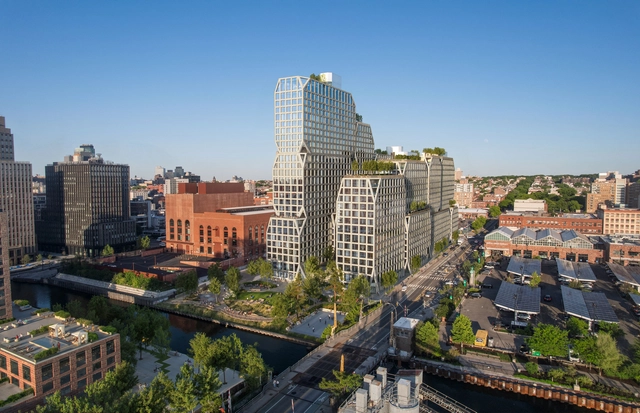
The proposed mixed-use tower at 175 Third Street is the fifth building planned across four sites within the Gowanus Wharf development in Brooklyn, New York. With views toward Manhattan and the Statue of Liberty, the 1,080,000 sq ft proposal includes affordable housing, retail and artist spaces, fitness areas, social and entertainment spaces, culminating in a rooftop with lounging zones and an outdoor pool. The project also envisions a 28,000-sq-ft public waterfront esplanade designed by Field Operations, intended to contribute to the ecological rehabilitation of the Gowanus Canal, continuing the broader transformation of this industrial neighborhood. Other project collaborators include dencityworks | architecture, AKRF, bucharest.studio, DeSimone, Ettinger Engineering Associates, Fried Frank, Hatfield Group, Impact Environmental, and Jenkins and Huntington.
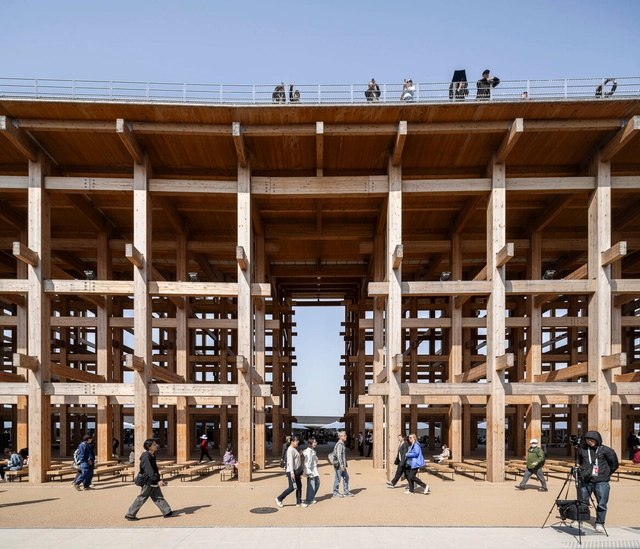
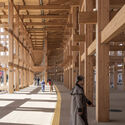
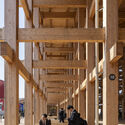
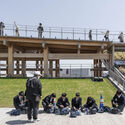
Expo 2025 officially opened its doors on April 13, 2025, on Yumeshima, a reclaimed island in Osaka Bay. Held under the theme "Designing Future Society for Our Lives," the event brings together over 150 countries and international organizations to address pressing global challenges through architecture, technology, and design. At the center of the Expo grounds stands the Grand Ring, a monumental circular structure designed by Japanese architect Sou Fujimoto. Spanning approximately 2 kilometers in circumference and rising to 20 meters in height, the timber structure encircles the main exhibition area and was recognised by Guinness World Records as "The largest wooden architectural structure".
Titled "The People of the Ring," this photo series by Stéphane Aboudaram documents the Grand Ring at Expo 2025 Osaka from a user's perspective, capturing both the structure and the visitors engaging with it.
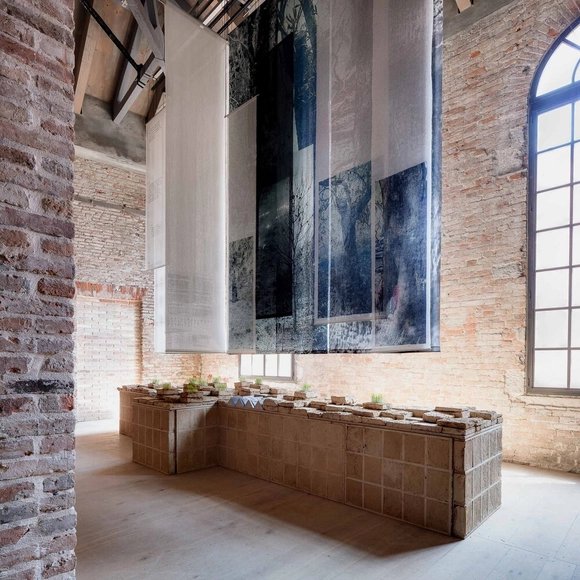
The Land Remembers: Lebanon’s Pavilion. Image Courtesy of CAL
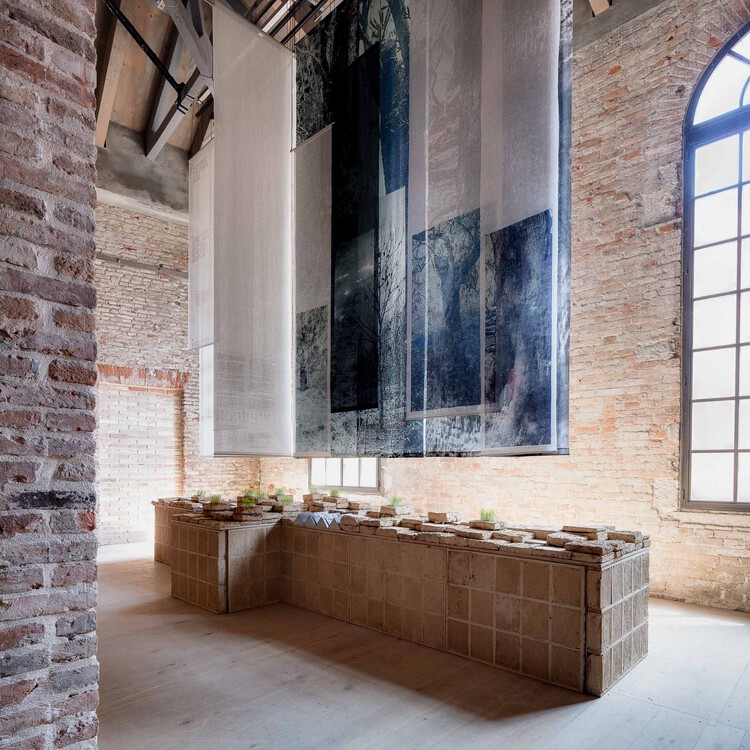
At the 19th International Architecture Exhibition of La Biennale di Venezia in 2025, the Lebanese Pavilion, curated by the Collective for Architecture Lebanon (CAL), presents "The Land Remembers," an exploration of ecocide and environmental healing. Selected by Lebanon's Ministry of Culture and the Lebanese Federation of Engineers, CAL is a non-profit organization co-founded in 2019 by Shereen Doummar, Edouard Souhaid, Elias Tamer, and Lynn Chamoun. Their curatorial vision aims to transform the pavilion into a fictional institution, the Ministry of Land Intelligens, dedicated to confronting environmental devastation and proposing strategies for ecological restoration.
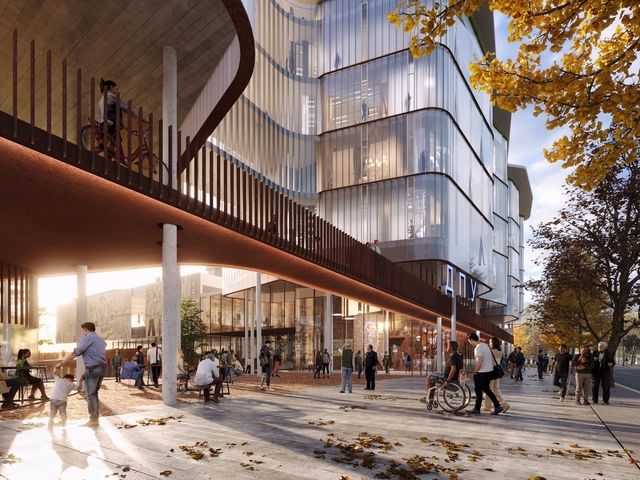
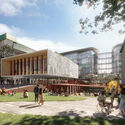
Campus sidewalk. Render. Image Courtesy of stantec
Stantec, an architecture, engineering, and environmental consulting firm, has been selected as the winner of an international competition organized by the State Tax University (STU) to redesign its Main Campus building. The building was partially destroyed in 2022 during the early stages of the war. The international call for redesign proposals was launched in November 2024, free of charge and "open to all design bureaus, architectural firms, and individual architects from every corner of the globe." The goal of the competition was to develop a 21st-century educational building described as a "progressive and comfortable place for learning, research, and student leisure based on innovative educational standards," as stated in the competition announcement.
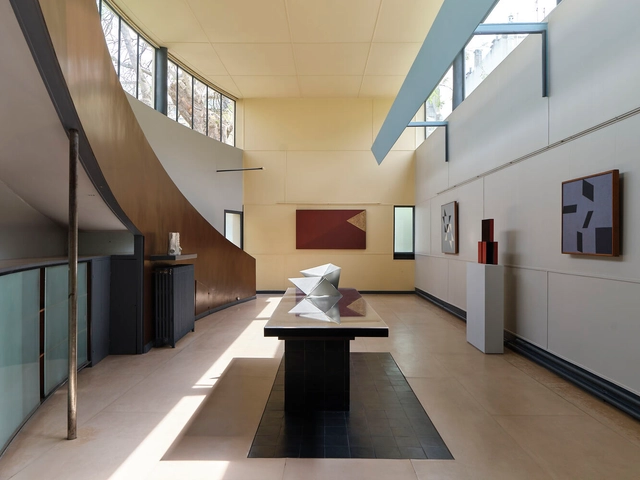
Founded in 2022 by art advisor Filipe Assis, ABERTO is an exhibition platform celebrating the convergence of art, design, and architecture in Brazil and beyond. Staging exhibitions in private and public modernist spaces, its past editions have highlighted the global connections forged by Brazilians from the 20th century onwards. Following three exhibitions in São Paulo, "ABERTO 4 – Brazil After Le Corbusier" marks its first international edition, taking place at Le Corbusier's Maison La Roche in Paris, from 14 May to 8 June 2025. The exhibition presents around 35 design and art pieces by Brazilian artists, spotlighting Le Corbusier's seminal connection to Brazilian modernist architecture and exploring his influence on contemporary Brazilian creatives. Previous editions of ABERTO have featured over 100 artists from Brazil and abroad in houses designed by Oscar Niemeyer (2022), Vilanova Artigas (2023), and Ruy Ohtake and Chu Ming Silveira (2024).
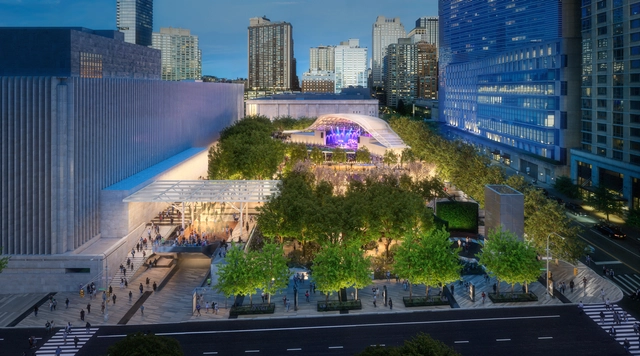
Lincoln Center for the Performing Arts, Inc. has revealed the design for the Amsterdam Avenue side of its campus, developed by Hood Design Studio, Weiss/Manfredi Architecture/Landscape/Urbanism, and Moody Nolan. Recently released renderings illustrate a transformation that includes a new outdoor performance venue, expanded community park spaces, and the removal of the existing wall along Amsterdam Avenue. In response to long-standing calls from both Lincoln Center and local communities, the construction is expected to begin in spring 2026 and be completed by spring 2028.
Søren Pihlmann is the curator of the Danish Pavilion at the 2025 Venice Architecture Biennale. The exhibition, commissioned by the Danish Architecture Center, is titled Build of Site, and focuses on exploring sustainable architectural practices through the lens of reuse and resourcefulness. Pihlmann's proposal transforms the existing Danish Pavilion, located within a historic building complex in the Biennale's Giardini, into an active exhibition space for material experimentation. The installation highlights techniques that incorporate recycled and bio-based elements. The Pavilion offers visitors the opportunity to observe ongoing experimental processes, witnessing how building resources are creatively reimagined for new uses. In this on-site interview, ArchDaily editors spoke with the curator about the ideas behind the project and the challenges its execution represents.
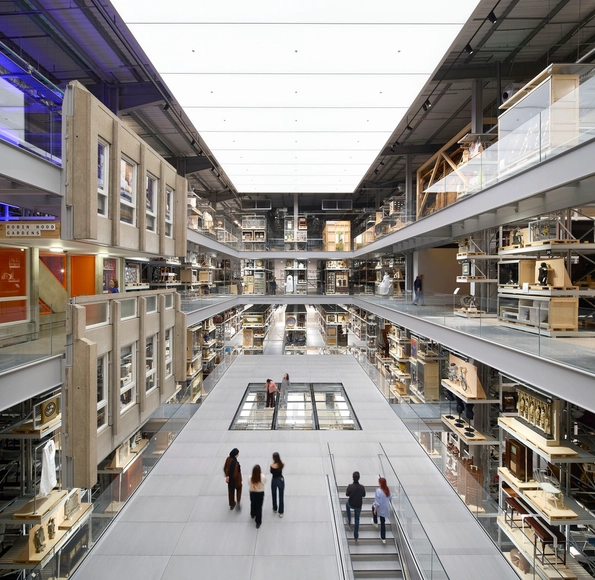
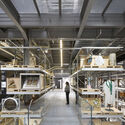
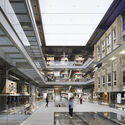
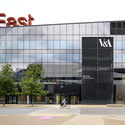
The V&A East Storehouse will open to the public for the first time on Saturday, 31 May 2025. Located in the Queen Elizabeth Olympic Park, the project is part of East Bank, a new cultural quarter supported by the Mayor of London. Designed by the internationally recognized architecture firm Diller, Scofidio + Renfro, the new facility serves as both a working store and a visitor destination. Following a decade of planning and extensive audience consultation, V&A East Storehouse is the first of V&A East's two new cultural destinations to open in East London. The second, V&A East Museum, is scheduled to open in spring 2026 and will explore the role of making and creativity as agents of change.
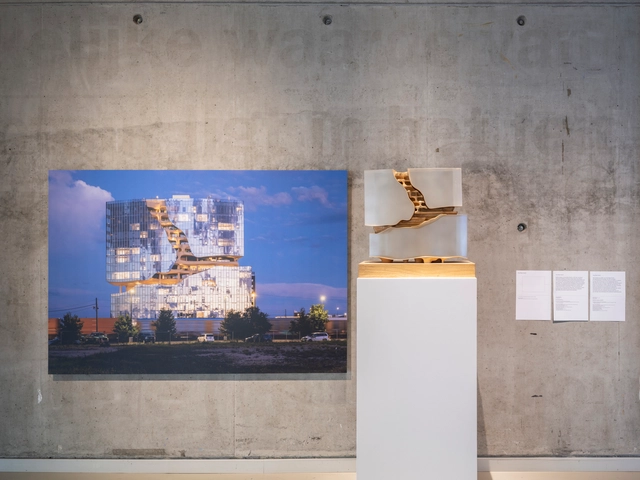
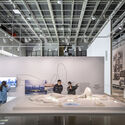
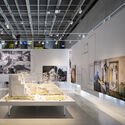
The exhibition "Ma Yansong: Architecture and Emotion," presenting the work of Chinese architect Ma Yansong and his globally recognized practice MAD Architects, has opened at the Nieuwe Instituut in Rotterdam, the Netherlands' national museum for architecture, design, and digital culture. Featuring a selection of projects from MAD's international portfolio, the exhibition explores how the studio challenges conventional architectural paradigms through forms influenced by nature and guided by sensorial experience. The exhibition will be on view until 12 October, and on Thursday 26 June, Ma Yansong will be the guest of honour at the Nieuwe Instituut for "An Evening With...", a public program where he will discuss his design philosophy with Aric Chen.