-
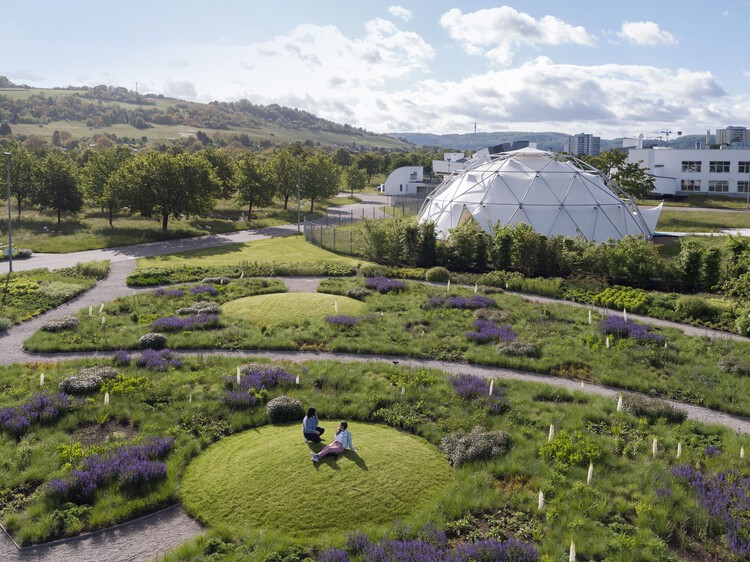
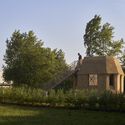
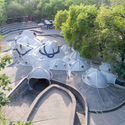
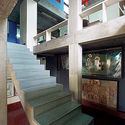
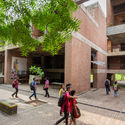
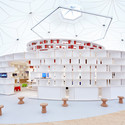
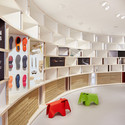
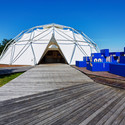
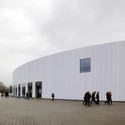
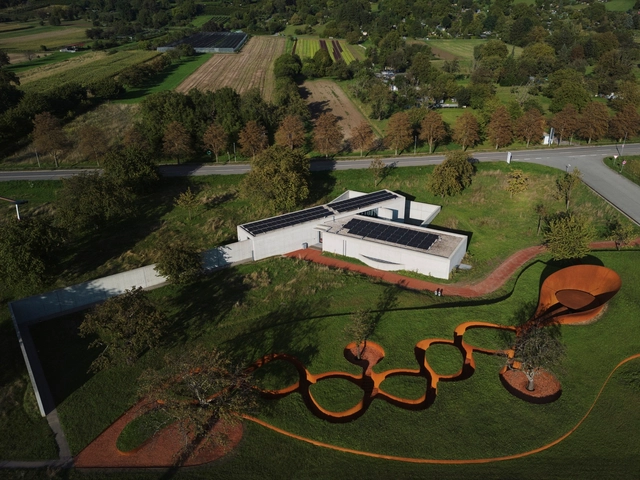
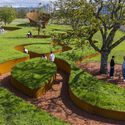
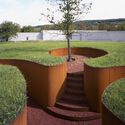
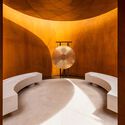
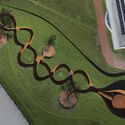
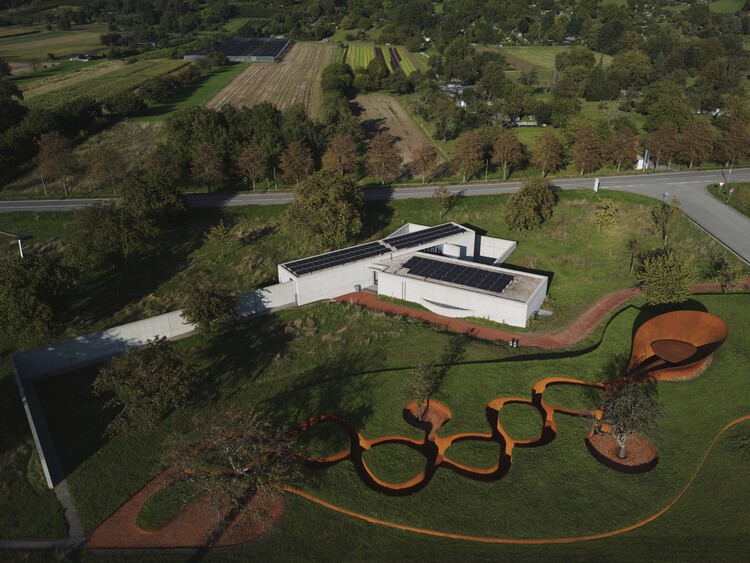
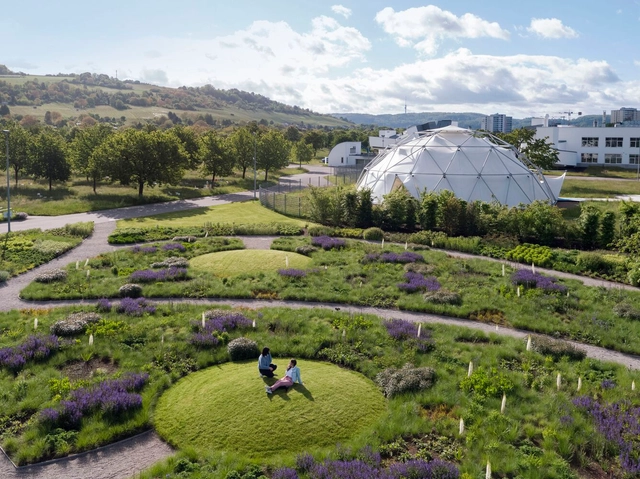
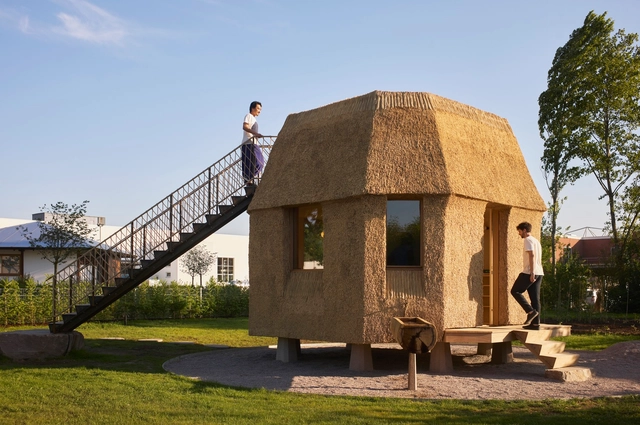
Architects: Balkrishna Doshi, Khushnu Panthaki Hoof & Sonke Hoof
- Year: 2025
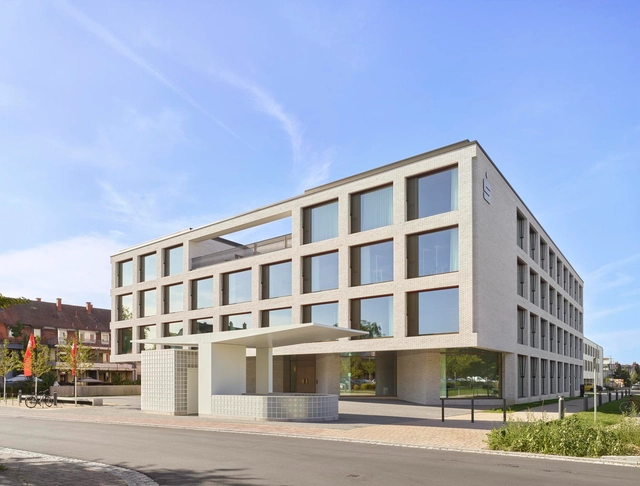
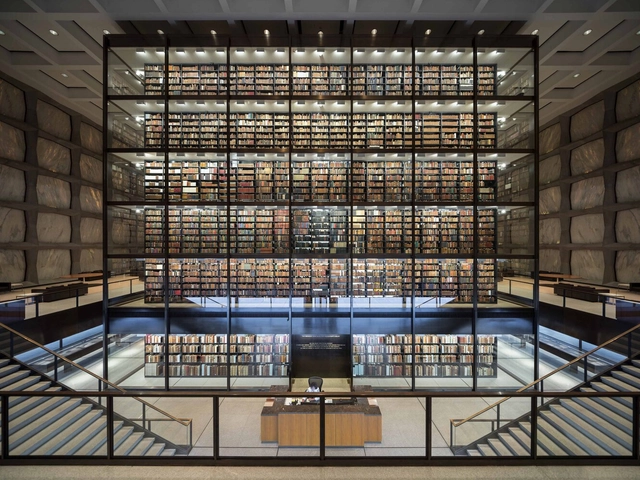
Iwan Baan is one of today’s leading photographers of architecture and urban design. His images document the growth of global megacities and portray buildings by prominent contemporary architects including Herzog & de Meuron, Rem Koolhaas, and Zaha Hadid. The first large retrospective of the Dutch photographer’s work will open at the Vitra Design Museum in autumn 2023. Baan’s vibrant realism puts the focus on people and their relationship to the built environment. His observant eye presents architecture not as an abstract ideal, but as the setting of everyday life, an organic part of the urban fabric – be it suburban sprawl or the booming metropoles of Africa and Asia. The exhibition will include a number of Baan’s iconic works, many of which are familiar from magazines and books, as well as photographs of vernacular and informal architecture all around the world, from the round Tulou of southern China to the rock-hewn churches of Ethiopia. Thanks to the great scope of his vision, Baan’s works offer a broad panorama of human building that impressively demonstrates the existential importance of architecture and urban design.
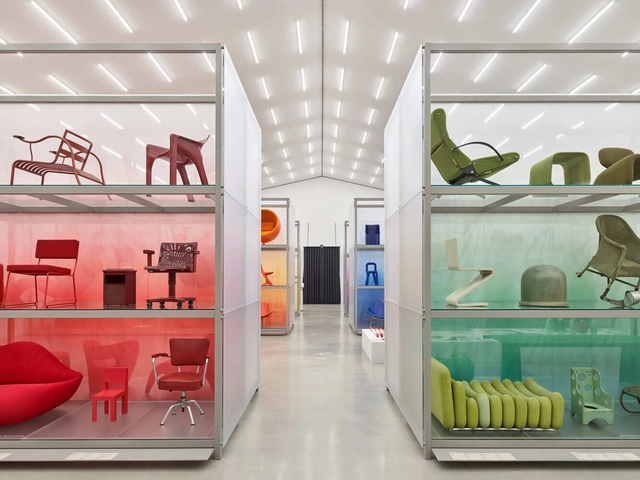
The new focus topic of the Vitra Schaudepot, which will be on display from May 2022 to May 2024, is wholly devoted to colour. Following an invitation from the Vitra Design Museum, Dutch designer Sabine Marcelis has transformed the Schaudepot in one simple, sweeping gesture by sorting its roughly four hundred exhibits by colour. The installation shows the collection from new perspectives and produces fascinating cross-references between periods and styles, at the same time providing visitors with an overwhelming immersive experience. The presentation is complemented by historical and contemporary objects and documents from the museum archives that illustrate how designers from different eras approached the subject.
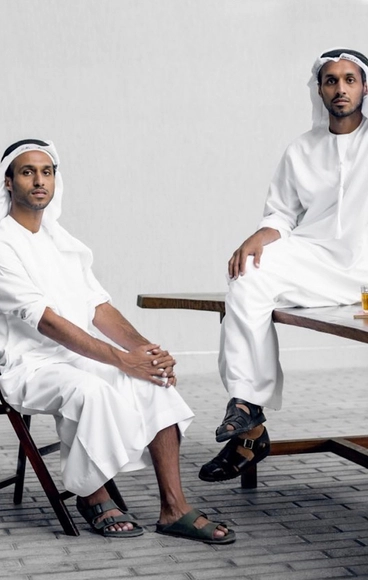
As the effects of climate change make themselves felt, cities need to adapt to the global rise of temperatures. The exhibition »Hot Cities« will look at the metropoles of the Arab-speaking world to learn how they and their inhabitants cope with the region’s harsh climate, and whether the architectural and urban design solutions found there might help us make our own environments more climate resilient. »Hot Cities« shows how architects combine traditional vernaculars and modern technologies to respond to the challenges of the future. The exhibition presents urban case studies that provide answers to many questions now raised by climate change.
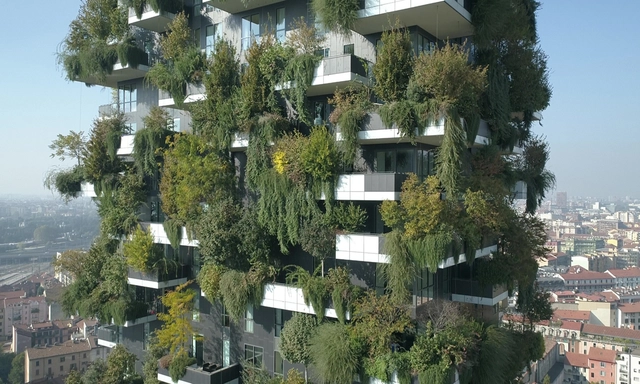
Gardens reflect identities, dreams, and visions; they are deeply rooted in our culture. Recent years have seen a resurgence of interest in the garden – not only as a romantic idyll, but as a field of experimentation for concepts related to social justice, climate change, biodiversity, and a sustainable future. Gardens have become places of the avant-garde. Designed by the Italian studio Formafantasma, the exhibition »Garden Futures« at the Vitra Design Museum will be the first to explore the history and future of the modern garden. Which movements and theories have influenced our contemporary garden ideals? How can horticulture contribute to a more sustainable future and a good life for everyone? The exhibition addresses these and similar questions using examples from design, everyday culture, and landscape architecture – from contemporary community gardens to green façades and vertical urban farms, from deckchairs to gardens created by designers and artists like Roberto Burle Marx, Mien Ruys, and Derek Jarman.
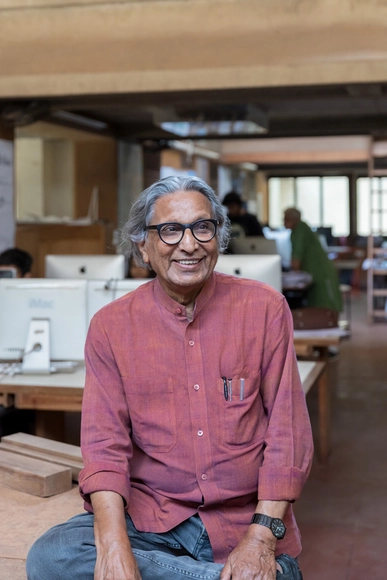
With the exhibition »Balkrishna Doshi: Architecture for the People« (30 March to 8 September 2019), Vitra Design Museum presents the first international retrospective about the 2018 Pritzker Prize laureate Balkrishna Doshi outside of Asia.
The renowned architect and urban planner is one of the few pioneers of modern architecture in his home country and the first Indian architect to receive the prestigious award. During over 60 years of practice, Doshi has realized a wide range of projects, adopting principles of modern architecture and adapting them to local culture, traditions, resources, and nature. The exhibition will present numerous significant projects
This article was originally published on April 27, 2017. To read the stories behind other celebrated architecture projects, visit our AD Classics section.
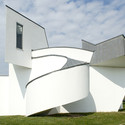
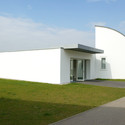
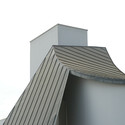
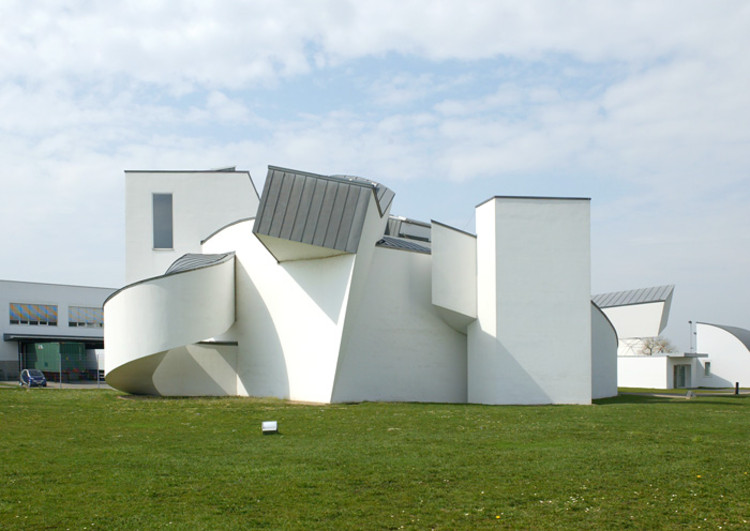
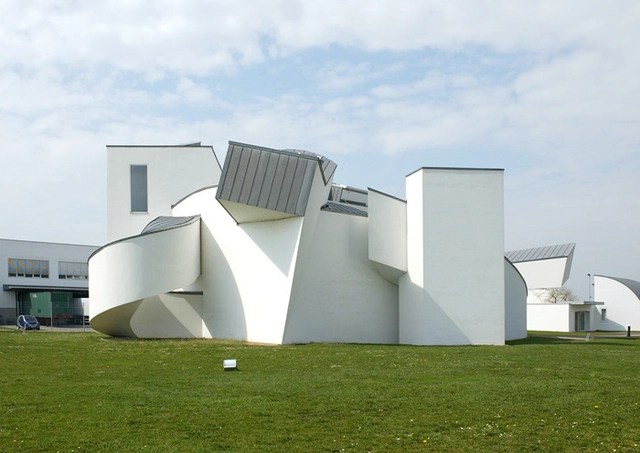
Even at the Vitra Campus in Weil-am-Rhein—a collection of furniture factories, offices, showrooms, and galleries, many of which are the products of iconic architects—the Vitra Design Museum stands out as exceptional. With its sculptural form composed of interconnected curving volumes, the museum is the unmistakable work of Frank Gehry – an architect who has built a legacy for himself upon such structures. What may not be immediately apparent is the crossroads that this serene white building represents: it was in this project at the southwestern corner of Germany (close to the Swiss border) that Gehry first realized a structure in the vein of his now signature style.

This article was originally published on April 21, 2016. To read the stories behind other celebrated architecture projects, visit our AD Classics section.
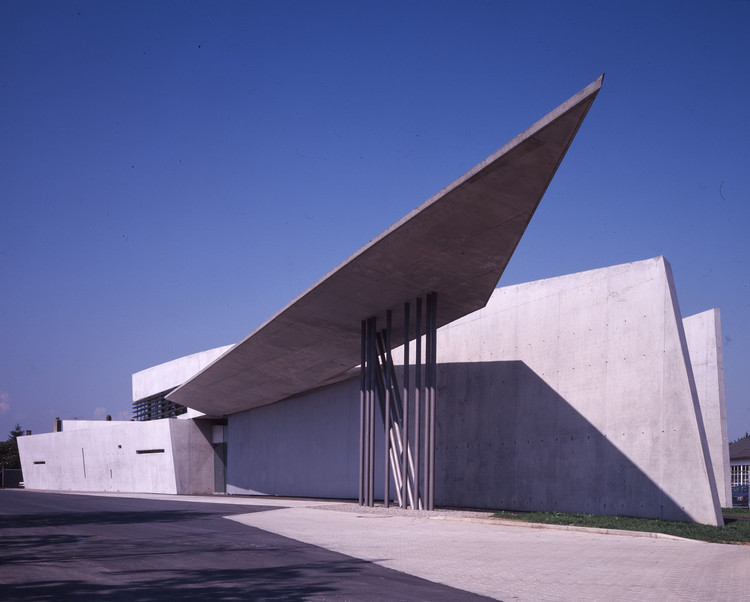
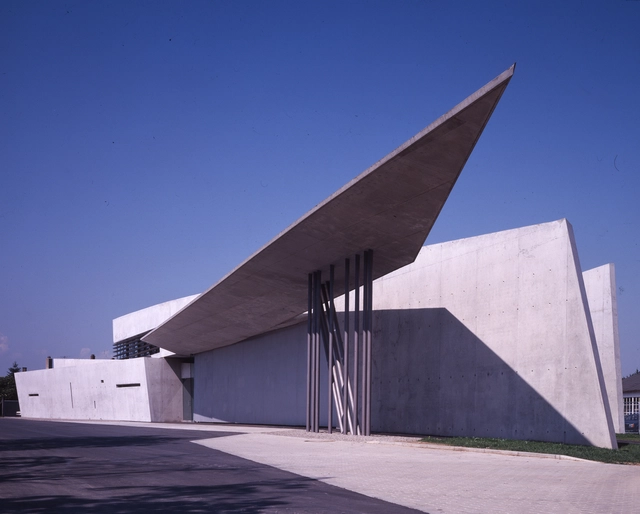
Although Zaha Hadid began her remarkable architectural career in the late 1970s, it would not be until the 1990s that her work would lift out her drawings and paintings to be realized in physical form. The Vitra Fire Station, designed for the factory complex of the same name in Weil-am-Rhein, Germany, was the among the first of Hadid’s design projects to be built. The building’s obliquely intersecting concrete planes, which serve to shape and define the street running through the complex, represent the earliest attempt to translate Hadid’s fantastical, powerful conceptual drawings into a functional architectural space.
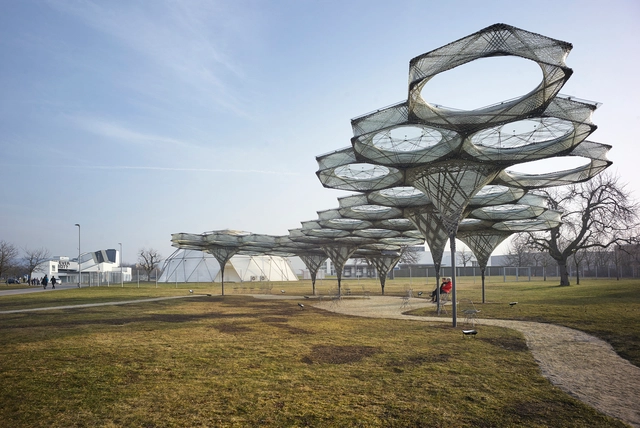
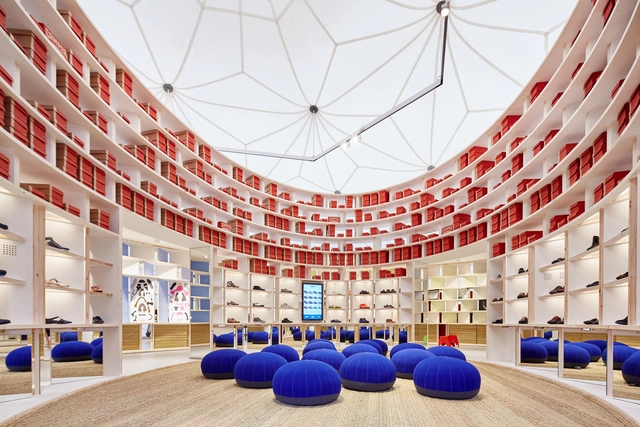
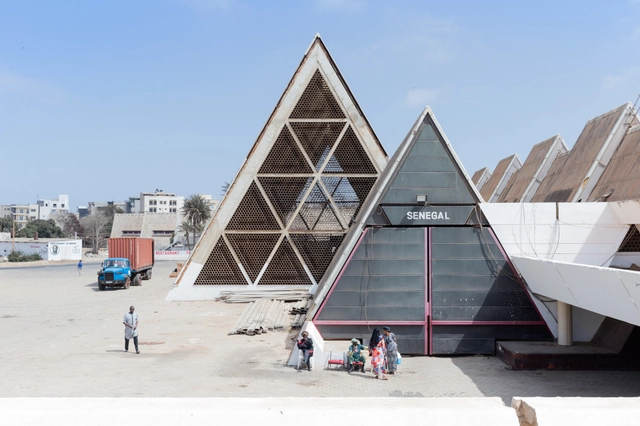
From February 20 the Vitra Design Museum will host "Architecture of Independence - African Modernism," an exhibition curated by architect and author Manuel Herz. Featuring numerous photographic contributions by Iwan Baan, "Architecture of Independence" explores the experimental and futuristic architecture produced in 1960s Central and Sub-Saharan Africa during the region's period of newfound independence.
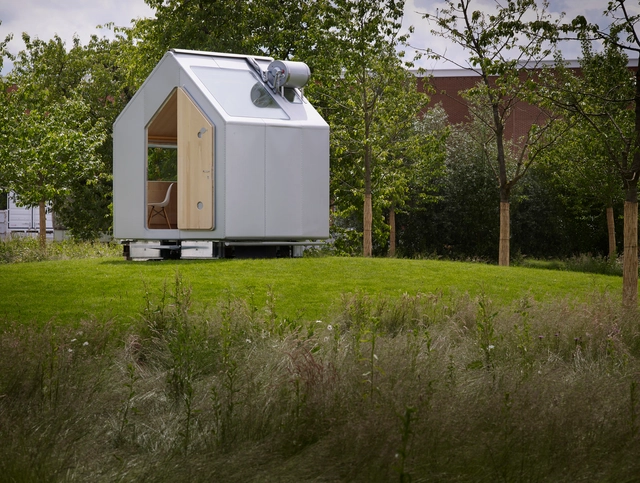
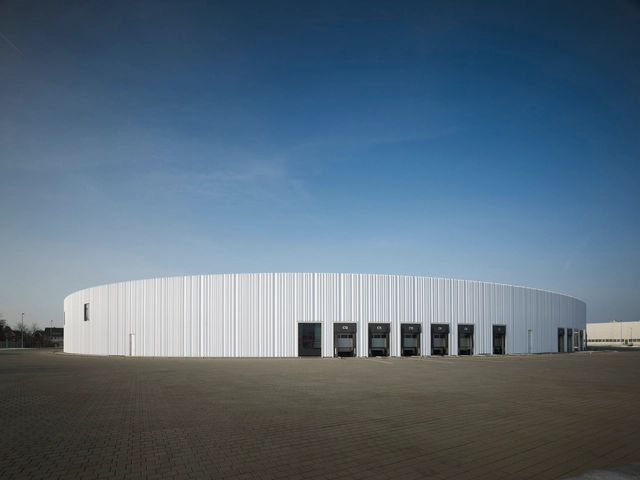
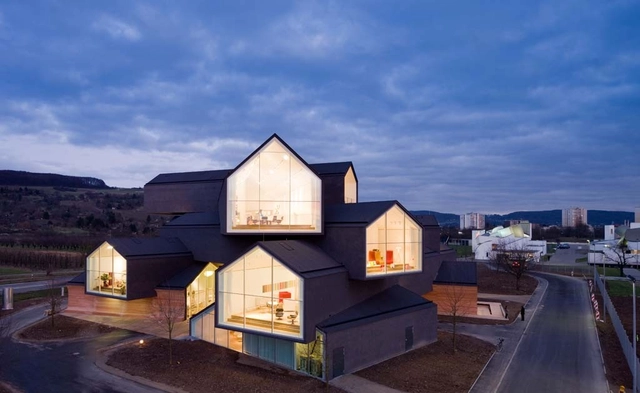
Text description provided by the architects. Over the years, furniture company Vitra has made a name for itself as one of the most architecturally-enlightened companies in the world, with their renowned campus featuring buildings by Nicholas Grimshaw, Frank Gehry, Alvaro Siza, Tadao Ando, Zaha Hadid, Herzog & de Meuron and SANAA.
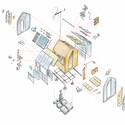
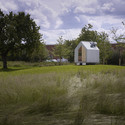
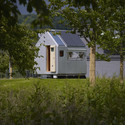
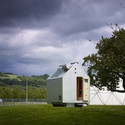
Now, Vitra has announced a collaboration with Renzo Piano that will bridge the gap between their sought-after furniture and their bespoke campus. Diogene, a self contained minimal living space with a floor area of just 2.5 x 3.0 meters, is billed as "Vitra's smallest building - but largest product".
More about the design of Diogene after the break