

Produce personalized presentation boards that distill complex concepts into simple visual representations with a few helpful tools and effects.
Articles
How to Create Architectural Presentation Boards
| Sponsored Content
https://www.archdaily.comhttps://www.archdaily.com/catalog/us/products/37234/how-to-create-architectural-presentation-boards-lumion
5 Initiatives That Show the Rise of Open Source Architecture
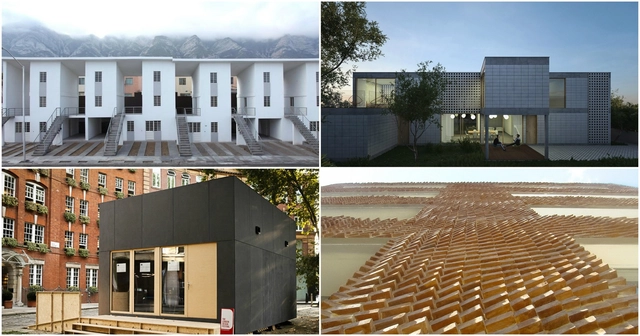
In architecture, perhaps the most remarkable change heralded by the 20th was the radical rethinking of housing provision which it brought, driven by a worldwide population explosion and the devastation of two world wars. Of course, Modernism’s reappraisal of the design and construction of housing was one part of this trajectory, but still Modernism was underpinned by a traditional process, needing clients, designers and contractors. Arguably more radical were a small number of fringe developments, such as mail-order houses in the US and Walter Segal’s DIY home designs in the UK. These initiatives sought to turn the traditional construction process on its head, empowering people to construct their own homes by providing materials and designs as cheaply as possible.
In the 21st century, the spirit of these fringe movements is alive and well, but the parameters have changed somewhat: with a rise in individualism, and new technologies sparking the “maker movement,” the focus has shifted away from providing people with the materials to construct a fixed design, and towards improving access to intellectual property, allowing more people to take advantage of cheap and effective designs. The past decade has seen a number of initiatives aimed at spreading open source architectural design--read on to find out about five of them.
https://www.archdaily.com/795959/5-initiatives-that-show-the-rise-of-open-source-architectureRory Stott
Comic Break: "Overnight Renderings"

Murphy’s Law, right? The thing is, since technology moves so fast, chances are you’re using slow and/or outdated hardware to build and render your models. Of course, those software crashes always get you when a client needs to see your work. And yet, when you tell the bosses you need better hardware, or updated software, they often scoff and lecture you about the costs. Perhaps one day they’ll understand the struggle of the production staff, but it seems like for now, not so much. So, good luck at the office today, hopefully, everything will work.

https://www.archdaily.com/795893/comic-break-overnight-renderingsArchitexts
Experience the "Brutal Faith" of Gottfried Böhm's Pilgrimage Church in Neviges
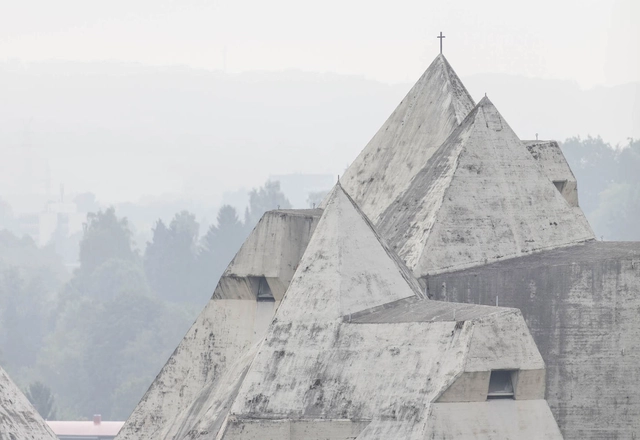
This exclusive photo essay by Laurian Ghinitoiu was originally commissioned for the fifth issue of LOBBY. Available later this month, the latest issue of the London-based magazine—published in cooperation with the Bartlett School of Architecture—examines the theme of Faith as "a fervent drive, a dangerous doctrine, a beautifully fragile yet enduring construct, an unapologetic excuse, a desperate call for attention and a timely consideration on architectural responsibility."
In 1986 the Pritzker Architecture Prize announced their first German laureate. In a speech at the ceremony in London’s Goldsmiths’ Hall, the Duke of Gloucester suggested that the prize “may not guarantee immorality,” inferring, perhaps, that not even the most prestigious award in architecture could compete with an œuvre so compact, focussed and enduring as that of Gottfried Böhm – a “son, grandson, husband, and father of architects.”
.jpg?1474570511 "Courtesy LOBBY Magazine. Image © Laurian Ghinitoiu")
.jpg?1474569951 "Courtesy LOBBY Magazine. Image © Laurian Ghinitoiu")
.jpg?1474569428 "Courtesy LOBBY Magazine. Image © Laurian Ghinitoiu")
.jpg?1474569212 "Courtesy LOBBY Magazine. Image © Laurian Ghinitoiu")

https://www.archdaily.com/795837/lobby-magazine-5-brutal-faith-gottfried-bohm-pilgrimage-church-mariendom-neviges-germanyAD Editorial Team
The Sociology of Coliving: How WeLive Creates a "Third Place"
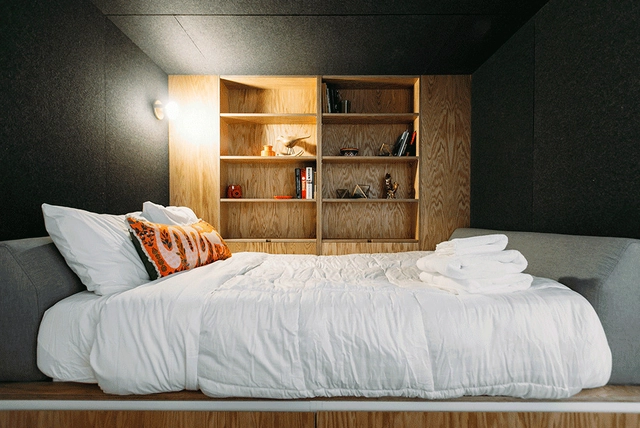
This article was originally published on Autodesk's Redshift publication (formerly known as Line//Shape//Space), under the title "Live, Work, Play: WeLive’s Live-Work Spaces Reveal a 'Third Place.'"
According to urban sociologist Ray Oldenburg, people need three types of places to live fulfilled, connected lives: Their “first place” (home) for private respite; their “second place” (work) for economic engagement; and their “third place,” a more amorphous arena used for reaffirming social bonds and community identities.
This third place can be a barbershop, neighborhood bar, community center, or even a public square. The desire for these three separate spheres drives how human environments are designed at a bedrock level, but increasing urbanism—as well as geographic and economic mobility—are collapsing these multiple spaces into one. The result is a new hybrid building type: a live-work multiunit dwelling that is home, office, and clubhouse.

https://www.archdaily.com/795620/the-sociology-of-coliving-how-welive-creates-a-third-placeZach Mortice
Architecture After the Event Horizon – Volume #49: Hello World!
The following essay by Kazys Varnelis was first published by Volume Magazine in their 49th issue, Hello World! You can read the Editorial of this issue, Going Live, here.
During the last decade, the idea of a technological singularity has passed from science fiction to a plausible prediction of the proximate future. In its simplest terms, a technological singularity will take place when an artificial general intelligence (AGI), capable of modifying its own code, advances so rapidly that subsequent technological progress (and as a result history itself) become as unpredictable and unfathomable as what happens within a black hole. In the most radical vision, the ‘hard takeoff’, within hours or even minutes of artificial intelligence developing the capacity for recursive self-improvement, the intelligence advances so greatly that it fundamentally transforms life on Earth.

https://www.archdaily.com/795795/architecture-after-the-event-horizon-nil-volume-number-49-hello-worldKazys Varnelis
Critical Round-Up: The National Museum of African American History and Culture
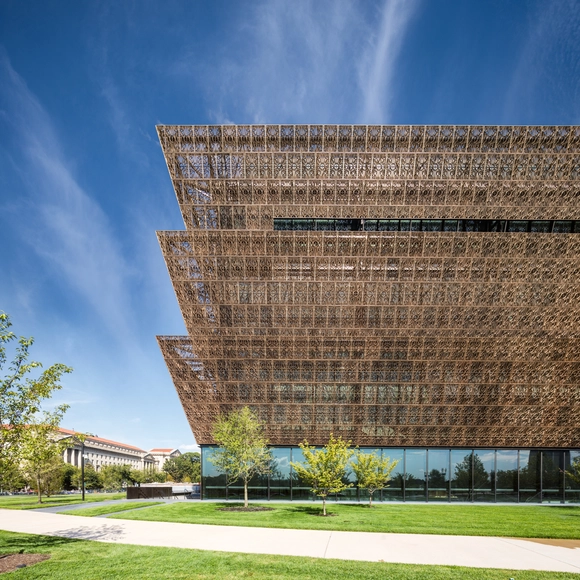
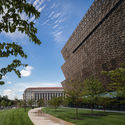
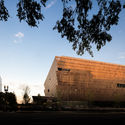
A century since the founding of the National Memorial Association and the start of a campaign by African-American war veterans for a monument of African American culture, the National Museum of African American History and Culture will finally be opened on September 24th. The Museum took $540 million and four years to build, resulting in a striking, and refreshingly unorthodox, architectural construction on Washington DC’s National Mall. The Freelon Adjaye Bond/SmithGroup JJR team, led by Ghanaian-British architect David Adjaye, defiantly broke the white-marble-Corinthian-column convention, opting instead for a bronze-coated aluminum façade bound to provoke a reaction from the critics.

https://www.archdaily.com/795650/critical-round-up-the-national-museum-of-african-american-history-and-cultureAriana Zilliacus
A Virtual Look Into Patrick Bateman's "American Psycho" Apartment
Patrick Bateman’s apartment from American Psycho is one of the most iconic locations in recent film history – his bone-white business card writ large. The sterile set design, by Gideon Ponte, is as impersonally creepy as Christian Bale’s performance (sure, put a telescope by the window, why don’t you; a serial killer without voyeurism just isn’t scary enough.) Archilogic’s interactive 3D model invites you to experience the apartment from the inside – without fear of an axe to the head.

https://www.archdaily.com/795626/a-virtual-look-into-patrick-batemans-american-psycho-apartmentPascal Babey, Archilogic
Elisa Strozyk Turns Wood Into Fabric

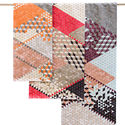
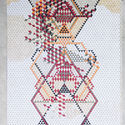
When you think of original designs, you know that you're talking about something unique and special. An innovative design that can change our perception and visual culture: that is exactly what the German designer Elisa Strozyk does with Wooden Textiles, a product line that mixes wood with fabric.
The designer shows us that innovation remains a fundamental part of design. She imbues wood with living properties and turns it to a flexible fabric with unpredictable movements, changing its color and texture. It’s an astonishing use of this traditional material to create new forms and experiences.



https://www.archdaily.com/795436/elisa-strozyk-turns-wood-into-fabricPiedad Rojas
Basildon's "Failed" New Town: What Happened When We Built Utopia?
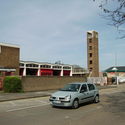
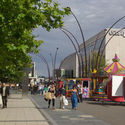
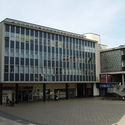
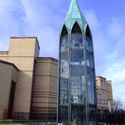
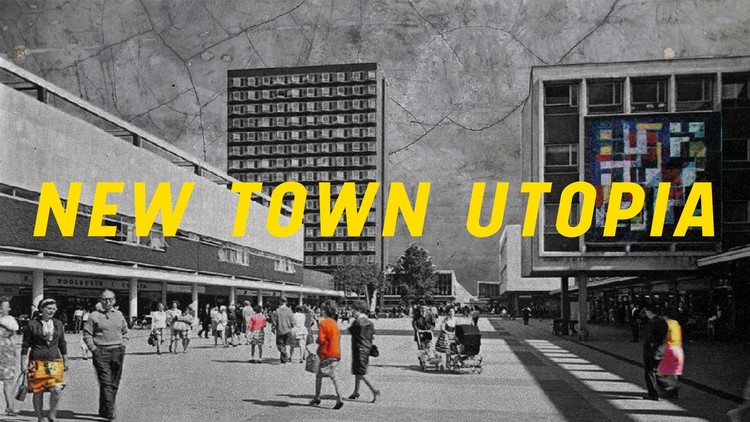
We are all familiar with the "utopian" towns of the 20th Century. Basildon, Essex, was one of the largest of those New Towns. It was founded in 1949, when Lewis Silkin, the Minister of town and country planning at the time, ambitiously predicted that "Basildon will become a city which people from all over the world will want to visit. It will be a place where all classes of community can meet freely together on equal terms and enjoy common cultural recreational facilities."[1] Nearly seventy years later, Basildon is left with a struggling local economy, splintered communities, and a fraction of the art and culture than what was originally hoped for. "New Town Utopia" is a documentary film that confronts this concrete reality with a question: “What happened when we built Utopia?”
https://www.archdaily.com/795462/basildons-failed-new-town-what-happened-when-we-built-utopiaAriana Zilliacus
When Droplets Create Space: A Look at Liquid Architecture
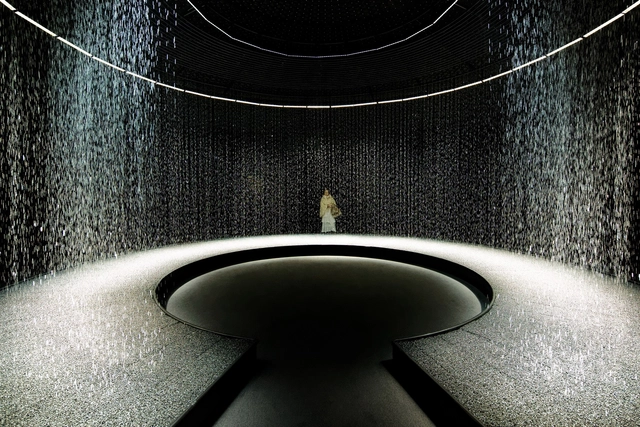
Throughout the past century, architecture's relationship with water has developed along a variety of different paths. With his “Fallingwater” house, for example, the American master Frank Lloyd Wright confronted the dramatic flow of water with strong horizontal lines to heighten the experience of nature. Since then, architecture's use of water has become more varied and complex. A space made almost purely of water emerged with Isamu Noguchi's design at the Osaka World Expo: glistening water appeared to fall from nowhere and glowed in the dark. Later with digitalization and fluid forms as design parameters, the focus shifted towards liquid architecture made of water and light. The interpretations have ranged from architectural forms modeled after literal drops of water, like Bernhard Franken´s visionary “Bubble” for BMW, to spectacular walk-in installations made of lines of water, transformed into pixels by light.



https://www.archdaily.com/795388/when-droplets-create-space-a-look-at-liquid-architectureThomas Schielke
Going Live – Volume #49: Hello World!

The following essay by Nick Axel (Volume's Managing Editor) first published by the magazine in their 49th issue, Hello World!
With the rise of computational networks and power, cognitive models developed and debated over in the postwar decades have finally been able to be put to work. Back then, there was a philosophical debate raging alongside the burgeoning field of computer science theory on the nature of consciousness, in which machines of artificial intelligence served as a thought experiment to question humanity. Yet with the proliferation of data and the centralization of its archives, theoretical practice moved from conceptual experiments to empirical tests.

https://www.archdaily.com/795338/volume-49-hello-world-editorial-going-liveNick Axel
Review: "REM" – A Retroactive, Redacted Study of the World’s Greatest Living Architect
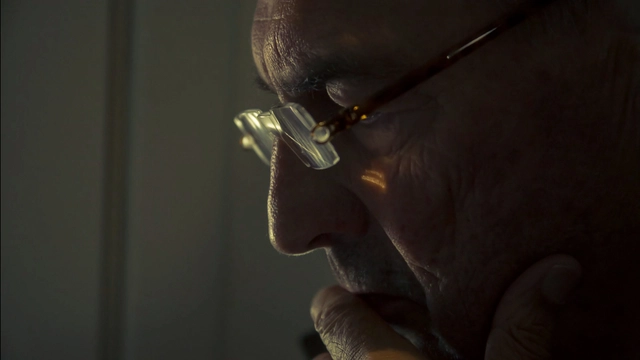
In the canon of great Dutch architects sit a number of renowned practitioners, from Berlage to Van Berkel. Based on influence alone, Rem Koolhaas—the grandson of architect Dirk Roosenburg and son of author and thinker Anton Koolhaas—stands above all others and has, over the course of a career spanning four decades, sought to redefine the role of the architect from a regional autarch to a globally-active shaper of worlds – be they real or imagined. A new film conceived and produced by Tomas Koolhaas, the LA-based son of its eponymous protagonist, attempts to biographically represent the work of OMA by “expos[ing] the human experience of [its] architecture through dynamic film.” No tall order.



https://www.archdaily.com/793219/rem-tomas-koolhaas-film-retroactive-redacted-study-of-the-worlds-greatest-living-architectJames Taylor-Foster
People, Places and Abandoned Buildings in the Province of Buenos Aires, by Juan Viel
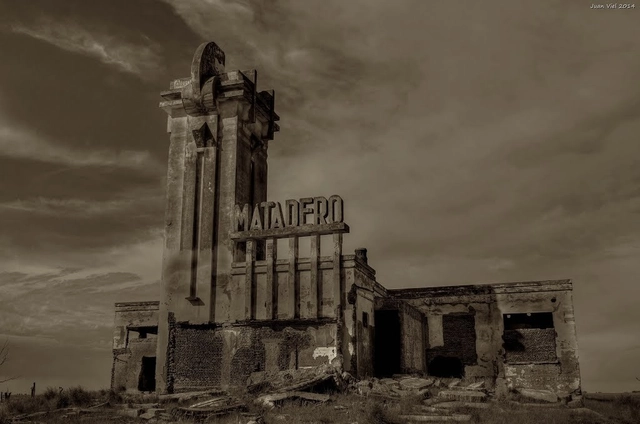
Small stories and architectonic practices that existed in each character filled village and provinces in Buenos Aires are here rescued by Juan Viel when he captures their atmospheres and particularities through his camera.
The variety of images and their subjects invite us to reflect on the substance and architectural heritage in these small Argentinian towns, and to think about the places where we live.


https://www.archdaily.com/795200/people-places-and-abandoned-buildings-in-the-province-of-buenos-aires-by-juan-vielFabian Dejtiar
Introducing Volume #49: Hello World!
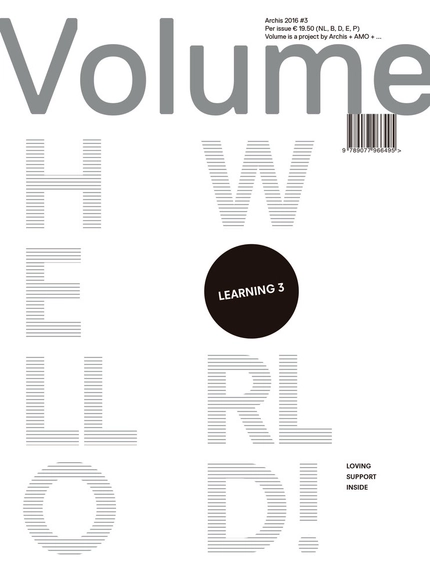
Machines have long been integral to architectural discourse. Vitruvius concluded his ten books with a meditation on war machines, and Le Corbusier published on his industrial muses just over 100 years ago. Yet something is different today. We have always learned from machines—our societies are fundamentally shaped by their processes—but now, machines learn. We live in paradoxical times. Machinic processes, computational algorithms and artificial intelligence have never been so proximate, direct, and intimate to daily life, yet we are many steps removed from their practical operations.
This issue of Volume, the third in our Learning series, seeks to take one small step in the direction towards understanding the contemporary relevance of machines for architecture, and one giant leap for mankind. Volume #49: Hello World! also includes In Loving Support, a 32-page insert produced with Het Nieuwe Instituut on living and working with algorithms.

https://www.archdaily.com/795199/introducing-volume-49-hello-worldAD Editorial Team
The 5 Types of Professors You’ll Have in Architecture School (And Why They’re All Important)
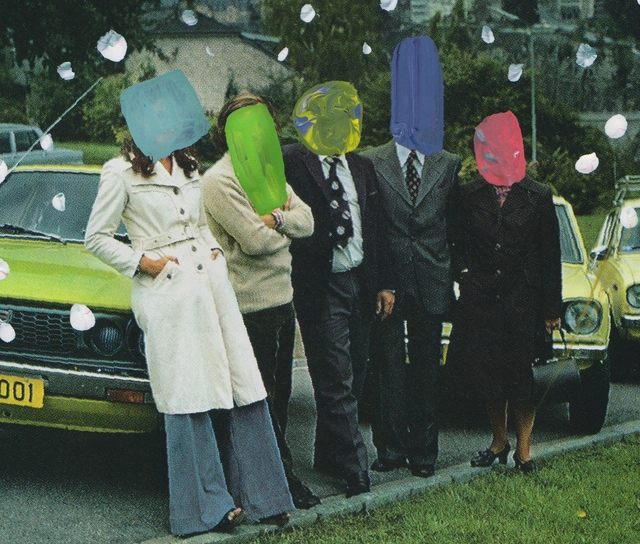
Tutors (or professors, depending on where you live). Everyone has horror stories about their tutors, just as everyone has stories about a teacherr they truly adored. Ultimately, your tutors are likely to be the single most important element of your architectural education; no matter how much effort you put into learning through other means, these people will probably become formative figures in not only your education, but your life in general.
It's easy to forget, though, that they are just that: people, with all the flaws and foibles that being a person entails. Some you will love to learn from, while others may be a little more difficult—but like Dickens' Christmas Carol ghosts, each type of tutor has their own lesson to impart. Here are the five different types of tutor you'll deal with in your architectural education, and what you should learn from each of them.
https://www.archdaily.com/795068/the-5-types-of-tutor-youll-have-in-architecture-school-and-why-theyre-all-importantSharon Lam
These Are the Best-Designed, Most Useful Architecture Firm Websites

Our editors look at hundreds of websites per week. What do they admire and appreciate the most? Organization and simplicity. Sites that are not only clean, but fast. We actively search for projects to include on our platform, so it’s crucial that when we visit a website we not only know where to look, but how to access information. Filters and facets are our best friends. Typological differentiation is important, but perhaps not as important as distinguishing between built and un-built projects (“Is that a render?” is a question that comes up at least once a day).
https://www.archdaily.com/795078/these-are-the-best-designed-most-useful-architecture-firm-websitesAD Editorial Team
Photographer Raphael Olivier Explores the Suspended Reality of North Korea’s Socialist Architecture
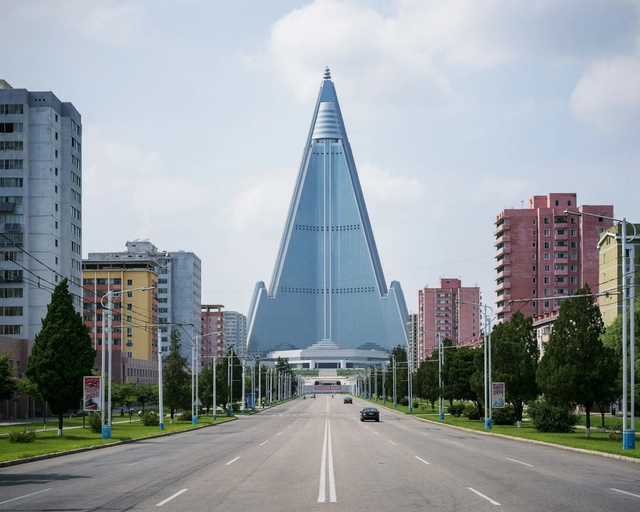
North Korea is one of the few countries still under communist rule, and probably the most isolated and unknown worldwide. This is a result of the philosophy of Juche – a political system based on national self-reliance which was partly influenced by principles of Marxism and Leninism.
In recent years though, the country has loosened its restrictions on tourism, allowing access to a limited number of visitors. With his personal photo series “North Korea – Vintage Socialist Architecture,” French photographer Raphael Olivier reports on Pyongyang’s largely unseen architectural heritage. ArchDaily interviewed Olivier about the project, the architecture he captured, and what he understood of North Korea’s architecture and way of life.
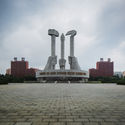
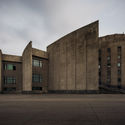
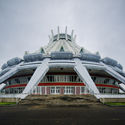
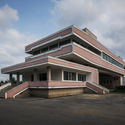

https://www.archdaily.com/793962/photographer-raphael-olivier-explores-the-suspended-reality-of-north-koreas-socialist-architectureMarie Chatel
Project of the Month: Fine Arts Museum
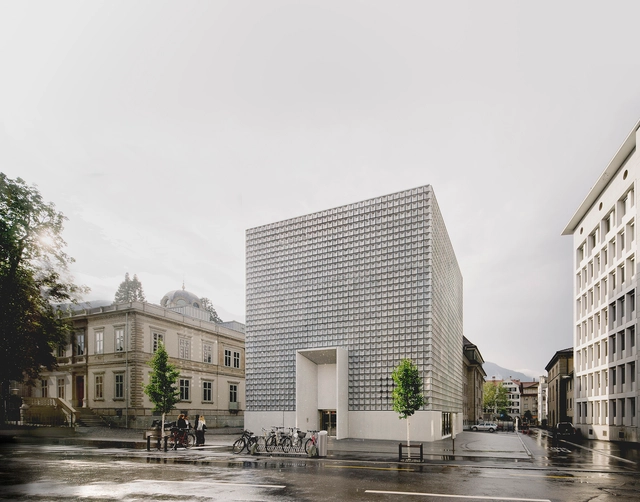
One of the main challenges in adding new spaces to a pre-existing building is in the dialogue that is generated between the original construction and the new proposal. The different possibilities are infinite and it is the architect who will make the final statement through their choice of design language; they must decide to either emulate the existing architecture, reinterpret it, or to propose a whole new language.
The Fine Arts Museum by Barozzi Veiga is a project that works autonomously, integrating with it’s site in order to generate a dialogue within the public space, while using both ornamentation on the facade and the interior plan composition to establish a common language between the two distinct parts of the museum.
August’s Project of the Month uses this dialogue to produce an equilibrium between the existing and the new construction, reinterpreting the original language and adapting it with detail and delicacy to the urban area which provides it’s context.
https://www.archdaily.com/794487/project-of-the-month-fine-arts-museumFernanda Castro
Architecture is Propaganda: How North Korea Turned the Built Environment into a Tool for Control
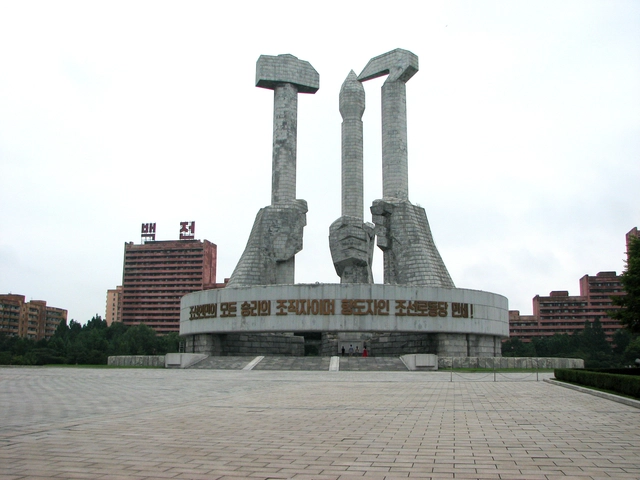
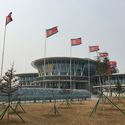
Architecture is propaganda. Throughout my two years of visiting and living in North Korea the country slowly revealed to me the details of this evolved and refined tool for totalitarian control of the country’s population. The West views the country with incredulity—surely this cannot be a functioning country where people lead “everyday lives?” Surely the country’s populace can’t possibly buy into this regime? But I assure you that they do. People have careers, they go to work on the bus, and those women crying over the death of their leader were doing so through their own initiative, if not out of genuine emotion. How is this possible? This is a carefully constructed regime which has, at its heart, an unprecedented understanding of how architecture and urbanism can influence and control people. Coming second only to the military on the list of party priorities, the design of the built environment has had an incalculable effect on reinforcing the ideologies of the North Korean regime and conveying these to the people.


https://www.archdaily.com/794767/architecture-is-propaganda-how-north-korea-turned-the-built-environment-into-a-tool-for-controlAlex Davidson
5 Emblematic Buildings by Giuseppe Terragni
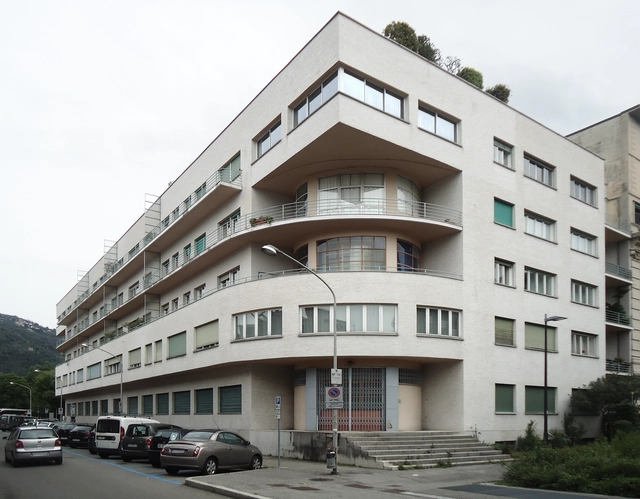
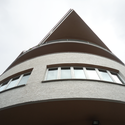
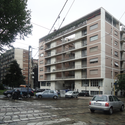
With a short career of only thirteen years, Italian architect Giuseppe Terragni (1904-1943) left an important legacy of built works that are now used as classic references of modern and rationalist architecture.
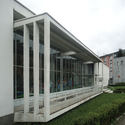
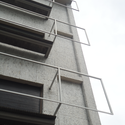
We traveled to Como and Milan to visit Terragni's emblematic works that clearly reflect his style. These projects are based on the organized configuration of architectural elements that individually appear clean, pure, and expressive, but together also form a harmonious whole.
These are: Novocomum, Casa Rustici, Asilo Sant'Elia, Casa Giuliani Frigerio and Casa Lavezzari.

https://www.archdaily.com/794411/5-emblematic-buildings-by-giuseppe-terragniJosé Tomás Franco
Comic Break: Architects In Restaurants

Architects--if ever there was a profession that paid attention to details, this is it. Every building we walk in, we’re going to notice things. Every little thing. Floor to ceiling, wall to wall… we’ll find the good, the bad, the ugly, and the criminal. It can’t be helped. No matter how hard we might try, no matter how much we imbibe, we can’t just turn off being an architect. It's a part of who we are. Sometimes, it’s a blessing to be able to travel around and really appreciate the built environment, other times it most definitely a curse. When we go out with friends and family, it’s not uncommon to remark about things like the lack of accessibility, the bizarre choice of light fixtures, the exposed ductwork, and the location of the pull stations. You’ll correct them for using the wrong words for things we know as frieze, clerestory, and muntins.
https://www.archdaily.com/794719/comic-break-architects-in-restaurantsArchitexts
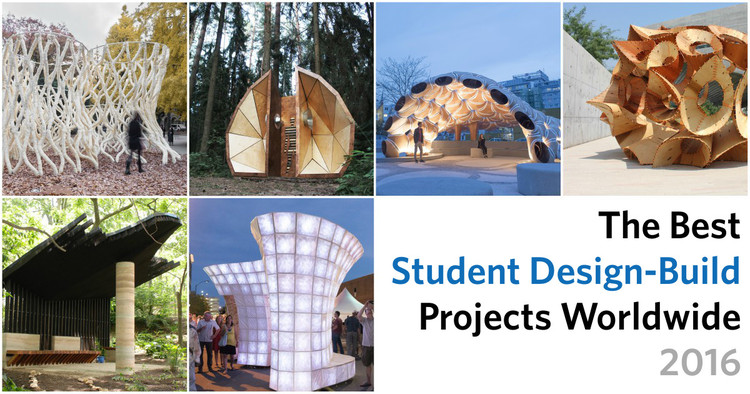
The Best Student Design-Build Projects Worldwide 2016

Last year, we asked the graduating students among the ArchDaily community to show us the design-build projects which they may have completed as part of their studies. The response we received was astonishing, and we were so impressed with the results that we simply had to do it again this year. So, two months ago we once again teamed up with ArchDaily Brasil and all four ArchDaily en Español sites to put out another call for submissions, and once again the response was overwhelming. Across over 100 submissions, the quality of the projects we received was so high that this year's results are bigger and better, containing 36 projects from 20 different countries. So, read on for the best student-built work from around the world in 2016.
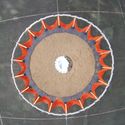


.jpg?1473019568 "DIA 3D Jewelry Pavilion (Dessau International Architecture Graduate School). Image © Pavel Babienko")
https://www.archdaily.com/794566/the-best-student-design-build-projects-worldwide-2016AD Editorial Team
The Stories Behind 17 Skyscrapers & High-Rise Buildings That Changed Architecture

The skyscraper: representative of spatial economy and a symbol of power. This building typology has a storied, turbulent and even contested past. Here, we bring you a selection some of the skyscrapers and high-rise buildings featured in our AD Classics section.
https://www.archdaily.com/794582/the-stories-behind-17-skyscrapers-and-high-rise-buildings-that-changed-architectureAD Editorial Team
Buildings vs. Movies: Comparing Budgets of Blockbusters and Notable Architecture Projects
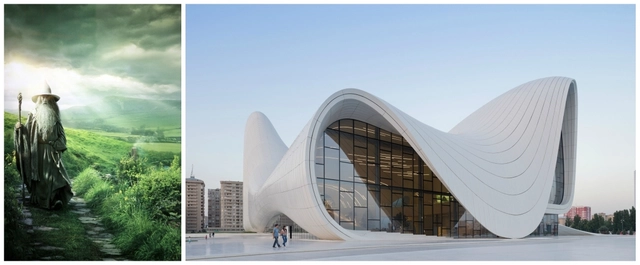
When it comes to expensive artforms, architecture undoubtedly tops the list (even if the artistic merits of some of the absolute priciest buildings are sometimes dubious). But what may not be so obvious is that many of architecture’s iconic works have been completed on budgets not so dissimilar to the work of another artistic industry: filmmaking. Each with their own set of merits, works from both categories have transcended time, confirming that (in most cases) they have more than returned on their initial investment.
To illustrate this point, we’ve complied a list of buildings from eras past, paired with movies of similar budgets completed in the same calendar year. Which buildings or movies have contributed the most based on their initial costs?
https://www.archdaily.com/794548/buildings-vs-movies-comparing-budgets-of-blockbusters-and-notable-architecture-projectsPatrick Lynch