

Produce personalized presentation boards that distill complex concepts into simple visual representations with a few helpful tools and effects.
Articles
How to Create Architectural Presentation Boards
| Sponsored Content
https://www.archdaily.comhttps://www.archdaily.com/catalog/us/products/37234/how-to-create-architectural-presentation-boards-lumion
The Beauty of Pre-Oxidized Copper Through 8 Facades
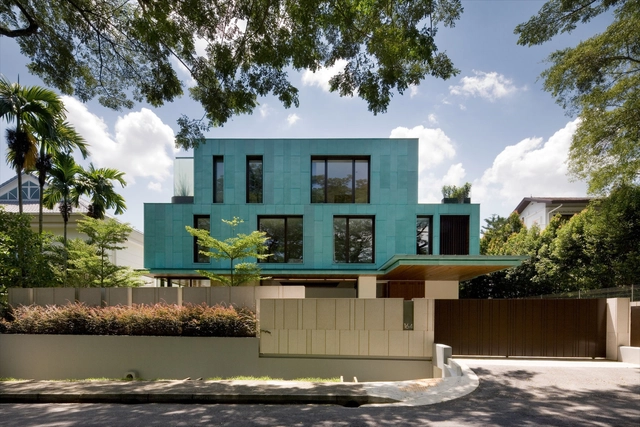
Patinated copper, also called oxidized, is a metal coat that "ages well" with excellent weathering resistance. Due to its capacity for transformation over time, when coming into contact with atmospheric conditions, the material does not require major maintenance, giving a unique aspect to the facades.
In addition to orange-colored plates, this material also gives off a blue / green appearance through a controlled chemical oxidation process. Its coloration is defined by the amount of crystals contained in the surface of the material. With the appearance of natural light, the panels display various shades and nuances of color.
https://www.archdaily.com/903129/the-beauty-of-pre-oxidized-copper-through-8-facadesMatheus Pereira
"I Want to Build Lighter": Francisco Gonzalez Pulido of FGP Atelier
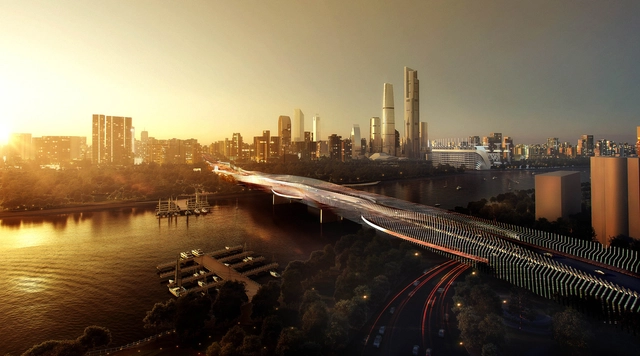
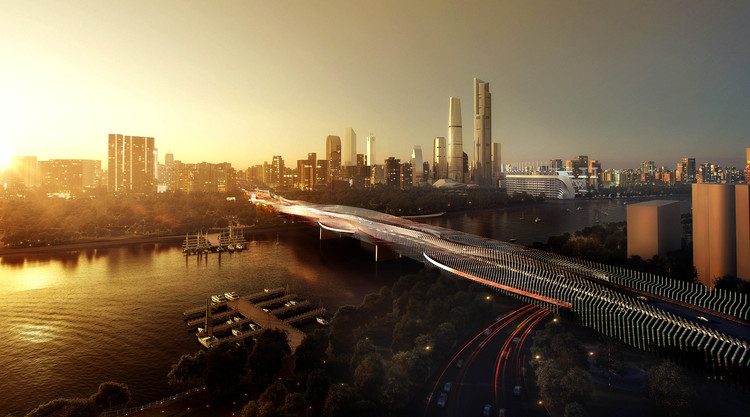
After graduating from Tecnológico de Monterrey, a leading technical school in Mexico, Francisco Gonzalez Pulido worked on design-build projects for six years before leaving for the US where he earned his Master’s degree from Harvard’s GSD in 1999. The same year the architect started working with Helmut Jahn in Chicago where he stayed for 18 years – from intern to becoming the president of the company in 2012, at which point he renamed the firm into Jahn. By then he developed his own body of work there. Last year Gonzalez Pulido started FGP Atelier in his adopted home city.
Today the studio, counts a dozen of architects and is overseeing the design of a couple of high-rises in China, a baseball stadium in Mexico City, and university buildings in Monterrey, among other projects. The following interview was conducted at FGP Atelier in Chicago, during which the architect was explicit about transmitting his view: “Architecture is too rigid, too formal. It is time to break free…I want to build lighter. I want to build smarter.”


https://www.archdaily.com/902963/i-want-to-build-lighterl-francisco-gonzalez-pulido-of-fgp-atelierVladimir Belogolovsky
Kazuyo Sejima: "The Building is About the Size, But Also About the Details"
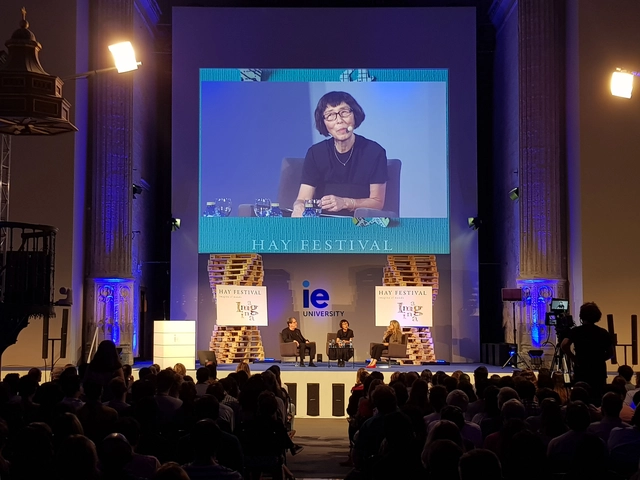
Kazuyo Sejima, co-founder of the architecture firm SANAA, shared details of their upcoming project the New National Gallery – Ludwig Museum in Budapest at the Hay Festival Segovia in Spain. The 2010 Pritzker Prize winner linked the underlying premise of this project to three iconic museums: the 21st Century Museum of Contemporary Art in Kanazawa (2004), the New Art Museum in New York (2007), and the Louvre Lens in France (2012).
In this conversation, Laszló Baán, General Director of the National Gallery, Budapest and Ministerial Commissioner of the Liget Budapest Project, explained the details of the 100-hectare (247-acre) masterplan at the heart of Hungary's capital city. The Liget Budapest Project will feature ten museums, including Sou Fujimoto's House of Hungarian Music, the expansion of the Budapest Zoo, and SANAA's New National Gallery for Budapest — a museum that will host 19th, 20th century, and contemporary artworks.
https://www.archdaily.com/902813/kazuyo-sejima-the-building-is-about-the-size-but-also-about-the-detailsNicolás Valencia
World Architecture Day 2018: Our Editors Celebrate with their Favorite Stories and Projects
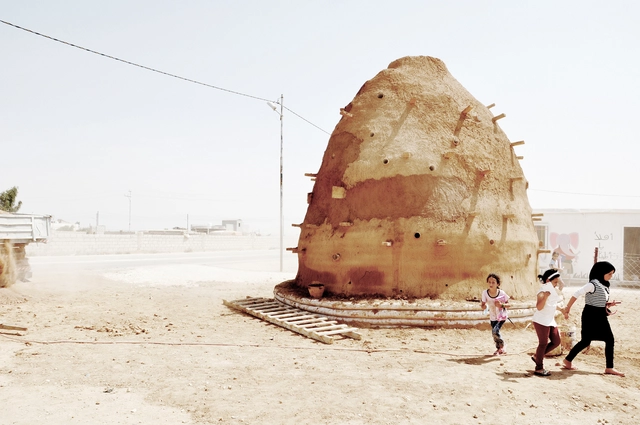
Created by the Union International des Architects (UIA) in 2005, World Architecture Day is celebrated on the first Monday of October, aiming to highlight and remind the world of the architecture's collective responsibility in designing the world's future cities and settlements. To celebrate, ArchDaily's editors have chosen stories from the year so far that have interested, excited, or inspired them. Read on to see the stories.
https://www.archdaily.com/903015/world-architecture-day-2018-our-editors-celebrate-with-their-favorite-stories-and-projectsAD Editorial Team
Words on the Street: Art, Architecture, and the Public Protest
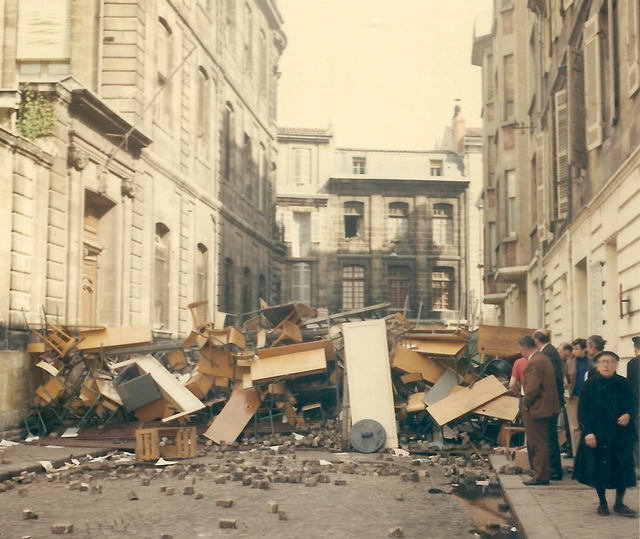
This article was originally published as "What Marchers Today Can Learn from the May 1968 Protests in Paris" on CommonEdge in May 2018. In the 50 years since the historic and worldwide protests of 1968, much has changed. But today's political climate seems equally volatile, with seismic changes threatening social and political establishments across the globe. Lessons from the past are, to borrow the phrase of the moment, more relevant than ever.
American friends recently sent an email: “What’s going on with the French political system? Why all the strikes? What about the endless protest marches? We’d like to visit you in Paris, but we’re a little wary.”

https://www.archdaily.com/903010/words-on-the-street-art-architecture-and-the-public-protestVeronique Vienne
Architectural Models of Constructive Details: Examples of Representation and Utility
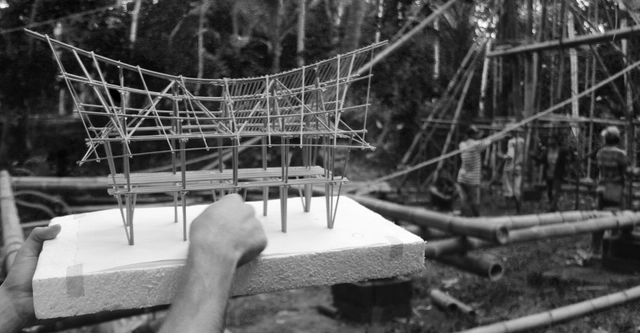
It's not easy to find theory in the implementation of architectural models: a practical model that allows you to analyze and showcase the organization of material elements according to a particular process. They also allow you to detect and modify the key elements of a project while also addressing the project's executive procedures.
Together with architectonic construction details, the development of the constructive facets is pushed to the background up until the ultimate steps of the design process, but this is also when we identify what is appropriate for a certain stage in the process in order to facilitate a seamless execution.
In the search to bring ourselves closer to the presentation and utility of architectural models, we invite you to take a look at a series of examples:
https://www.archdaily.com/902883/architectural-models-of-constructive-details-examples-of-representation-and-utilityFabian Dejtiar
Mood Changers: Why Lighting is The Most Important Design Feature
| Sponsored Content

Walk into a room bathed in cozy, inviting light and you’ll feel instantly at ease. Walk into the same room buzzing with harsh fluorescents, and your teeth may start to grind.
Why?
In 2014, a Journal of Consumer Psychology study found that the more intense the lighting, the more affected and intense the participants’ emotions were — both positive and negative.
The study included six experiments that examined the link between emotion and ambient brightness. Feelings of warmth increased when participants were exposed to bright light with hints of reddish hues. A sensation of angst increased when bluer light dominated.
And the brighter the light, the more intense the participants’ emotions became. Both the intensity and the color of the light affected people’s moods.
https://www.archdaily.com/898849/mood-changers-lighting-design-101-nil-why-lighting-is-the-most-important-design-featureRene Submissions
"I Don't Really See AI as A Threat": Imdat As on Artificial Intelligence in Architecture
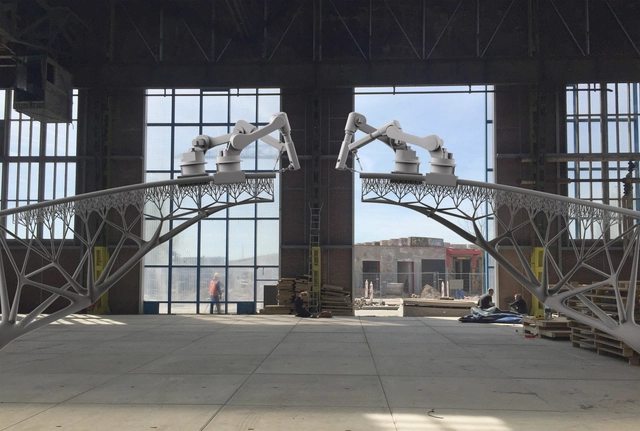
Is Artificial Intelligence (AI) the doom of the architecture profession and design services (as some warn) or a way to improve the overall design quality of the built environment, expanding and extending design services in ways yet to be explored? I sat down with my University of Hartford colleague Imdat As. Dr. As is an architect with an expertise in digital design who is an assistant professor of architecture and the co-founder of Arcbazar.com, a crowd-sourced design site. His current research on AI and its impact on architectural design and practice is funded by the US Department of Defense. Recently we sat down and talked about how this emerging technology might change design and practice as we now know it—and if so, would that be such a bad thing?
This article was originally published as "Doom or Bloom: What Will Artificial Intelligence Mean for Architecture?" on CommonEdge. It has been slightly abridged for publication on this platform; the full interview can be read on CommonEdge here.
https://www.archdaily.com/902978/i-dont-really-see-ai-as-a-threat-imdat-as-on-artificial-intelligence-in-architectureMichael J. Crosbie
Re-imagining the Empire State Building in 9 Different Architectural Styles
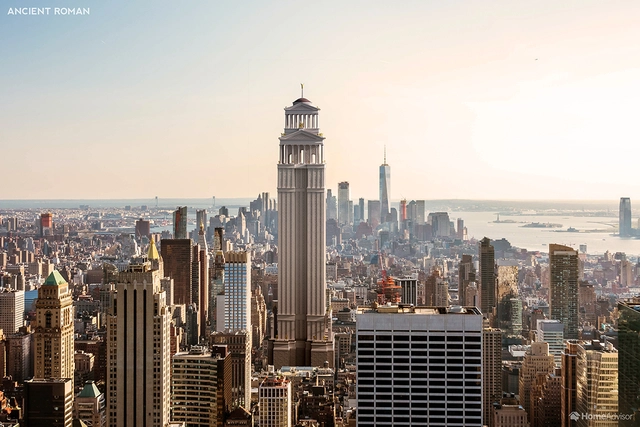
The iconic Empire State Building, the first construction to have more than 100 floors, went on to define the modern concept of the skyscraper. These images—originally published by HomeAdvisor—allow us to indulge in the brief folly of what the Empire State Building might have looked had it been conceived under a variety of easily recognizable architectural styles.
https://www.archdaily.com/902862/re-imagining-the-empire-state-building-in-9-different-architectural-stylesHomeAdvisor
This Week in Architecture: What Makes a Place?
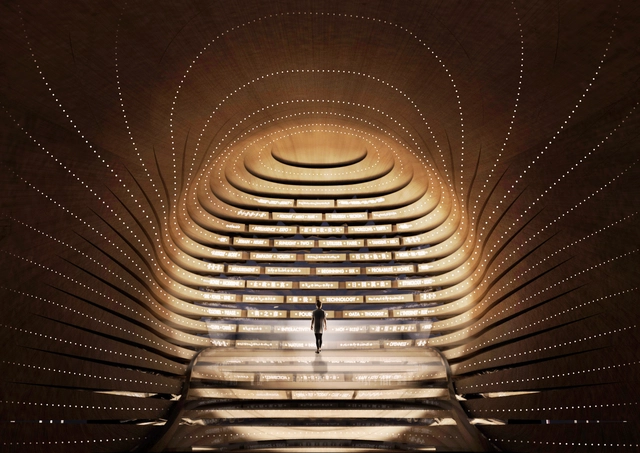
It’s well understood that a sense of place is an essential value for people, architecture, and cities. Everyone from designers to planners to city governments speak breathlessly of the power of places to transform cities for the better - but it’s not clear what placemaking really means.
https://www.archdaily.com/902961/this-week-in-architecture-what-makes-a-placeKatherine Allen
On the Dislocation of the Body in Architecture: Le Corbusier's Modulor
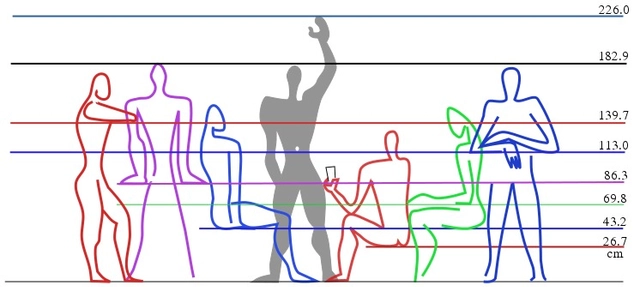
In 1948, the architect Charles-Édouard Jeanneret-Gris, better known as Le Corbusier, released one of his most famous publications titled Modular, followed by Modular 2 (1953). In these texts, Le Corbusier expressed his support of the research that Vitrubio, DaVinci, and Leon Battista Alberti started centuries before: to find the mathematical relationship between human dimensions and nature.
The research of the previously mentioned authors also represents the search to explain the Parthenon, the temples, and cathedrals built according to exact measurements that reference a code of essentiality. Knowing what instruments were used in finding the essence of these buildings was the starting point, instruments that at first glance seemed to bypass time and space. It wouldn't be farfetched to say that the measurements came from essence: parts of the body such as the elbow, the finger, thumb, foot, arm, palm, etc. In fact, there are instruments and measurements that carry names alluding to parts of the human body, an indication of architecture's proximity to it.
https://www.archdaily.com/902597/on-the-dislocation-of-the-body-in-architecture-le-corbusiers-modulorMónica Arellano
9 Ways to Make Your Renderings More Realistic

In a world where autonomous vehicles, artificial intelligence (AI,) Internet of Things (IoT,) virtual reality (VR) and augmented reality (AR) are becoming commonplace terms across the globe, the average AEC client will soon expect consistently high-quality presentations and renderings throughout the design process.
Many people are already anticipating future demand for these technologies, but few are prepared to integrate them with each other. Enscape has developed a system combining several of these features to create lively, immersive, and unforgettable experiences for clients.



https://www.archdaily.com/901111/9-ways-to-make-your-renderings-more-realisticRene Submissions
Forget the Critics: Traditional Architecture Can Still Make a Contemporary Place
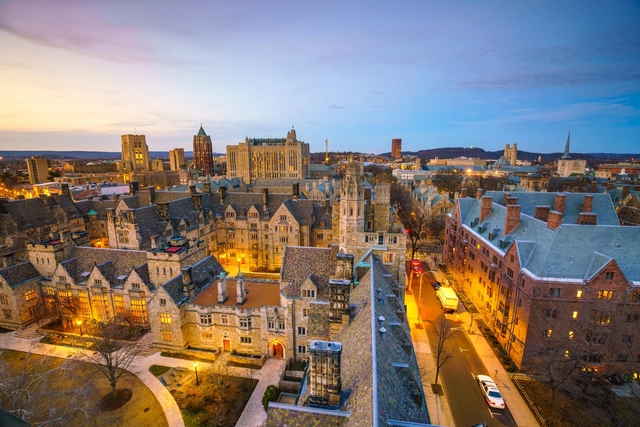
This article was originally published on Common Edge as "Contrary to Architecture's Critical Establishment, Robert A.M. Stern's Yale Colleges Are a Triumph of Placemaking."
In late January I attended a moving memorial service at Yale’s Battell Chapel for Vincent Scully, the man who led me to architecture as a career, and who continues to inspire me as a writer and historian. While there I took the opportunity to tour Benjamin Franklin and Pauli Murray Colleges, Yale’s first new residential colleges in half a century. I came away marveling at the quality of the architecture, and thanking my alma mater for its vision and commitment to enhancing the city and the campus.
https://www.archdaily.com/902651/forget-the-critics-traditional-architecture-can-still-make-a-contemporary-placeMark Alan Hewitt
Post Post-Modernism: 10 Projects that Reinterpret the Movement for the Digital Age

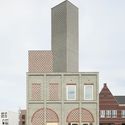
It's no secret that post-modernism has, in recent years, experienced something of a revival. The much-maligned movement's exhuberant and joyful take on architecture is perhaps a solace in difficult moments. Or, for the more jaded among us, perhaps it simply lends itself to Instagram.
That said, it's not quite the postmodernism that took off in the 60s. Post postmodernism is also concerned with history and context, but with contemporary spins made possible by new technologies. Installations and other temporary typologies also bring with them a fresh perspective, preserved forever on the internet for our vicarious enjoyment. But perhaps most crucially, it is no longer so wholly a reaction against the hegemony of modernism; something that the original postmodernists were fixated with. Today's postmodernism can be at once joyful and reserved, vernacular and high-tech.




https://www.archdaily.com/902557/post-post-modernism-10-projects-that-reinterpret-the-movement-for-the-digital-ageKatherine Allen
The Curious Case of a Doctored 19th Century Photo of Ruins in Athens

Researchers, academics and those with tireless curiosity will know the thrill of chasing down the details of something mysterious or unexplained. In this tweet thread from 2017, Paul Cooper noticed a difference in a nearly 100-year-old photo that led him to uncover the real story behind a strange "appendage" on the top of the Temple of Athenian Zeus. What follows is the Twitter equivalent of an architectural thriller. What is it? Why were depictions of the temple altered? Mr. Cooper takes us on a rollercoaster 18-tweet journey that uncovers the mystery.
https://www.archdaily.com/902480/the-curious-case-of-a-doctored-19th-century-photo-of-ruins-in-athensBecky Quintal
The Famed and Forgotten Works of Uruguay's Modernists

Uruguay's architecture scene has long taken the backseat to those of its more popular neighbours. Brazil, to the north, has a modernist history that rivals (if not shades) that of its European peers; Chile, to the west, boasts an innovative climate for architecture unparalleled in the world today.
https://www.archdaily.com/902510/the-famed-and-forgotten-works-of-uruguays-modernistsAdrian Madlener
18 Fantastic Permeable Facades


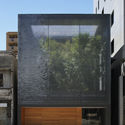



Recently, a new trend in architecture has emerged: Several of the latest projects highlighted by ArchDaily, including some winners in the Building of the Year Awards, are using permeable facades as an attractive option for their exterior finishes.
Better lighting, ventilation, and visibility are some of the advantages brought by this type of façades. Below is a selection of 15 images from prominent photographers such as Andrés Valbuena, Pedro Nuno Pacheco, and Koji Fuji Nacasa & Partners Inc.
https://www.archdaily.com/889636/18-fantastic-permeable-facadesMaría Francisca González
The Intimate Work of Designing a Home
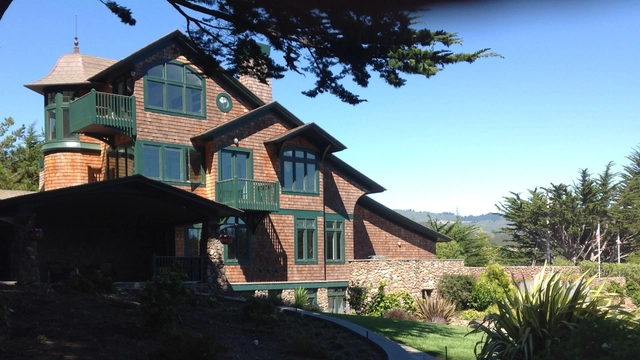
Designing a home is no mean feat. It is a project of intimate importance to the client, and one small enough in which each seemingly minor decision can have a significant experiential impact. But when clients are willing to take part in a collaborative process, it is possible to create magic. Architect and author Duo Dickinson describes in this op-ed his experience with such a project, looking back at the work with clear eyes and a vision to the future. This article was originally published by Dickinson on his blog Saved by Design.
https://www.archdaily.com/902513/the-intimate-work-of-designing-a-homeDuo Dickinson
This Brazilian Resort is the Perfect Location for a Wes Anderson Film
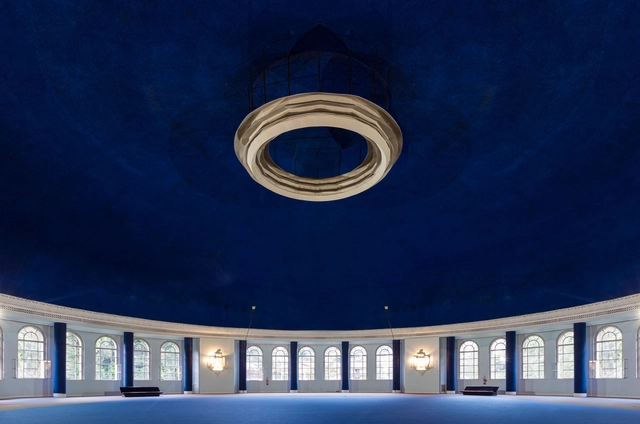
The entertainment industry frequently captures unusual architecture from theme parks that explore bygone eras to remote locales in the hills of Las Vegas that often go unseen.
A two-hour drive from Rio de Janeiro's renowned beaches you can find a 20th century French Normandy building in the state's sierra region: The Palácio Quitandinha.
https://www.archdaily.com/902465/this-brazilian-resort-is-the-perfect-location-for-a-wes-anderson-filmRomullo Baratto
This Week in Architecture: Complexity and Contradiction
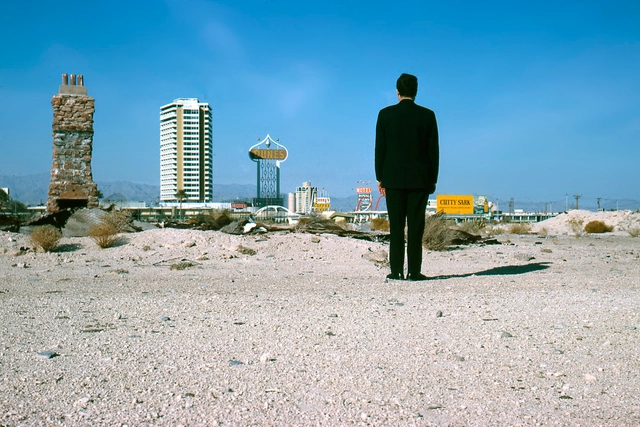
Robert Venturi - and the postmodernist movement he helped to form - was occasionally a divisive figure. For hardcore modernists, the referencing of prior styles was an affront to the future-facing architecture they had tried to promote. For traditionalists, the ebullient and kitschy take on classicism was an insult to the elegance of the past.
https://www.archdaily.com/902446/this-week-in-architecture-complexity-and-contradictionKatherine Allen
111 "Magical Towns" That You Must Visit in Mexico





In 2001, the Mexican Secretary of Tourism (SECTUR) created an initiative called "Pueblo Mágico/Magical Town." This program seeks to highlight towns around the country that offer a unique and "magical experience – by reason of their natural beauty, cultural richness, traditions, folklore, historical relevance, cuisine, arts & crafts, and hospitality."
You can find SECTUR's "Magical Town" definition here.
A town that through time and before modernity, was conserved, valued and defended for its historical, cultural and natural heritage; and manifests in it various expressions through its tangible and intangible heritage. A "Magical Town" is a locality that has unique, symbolic attributes, authentic stories, transcendent facts, daily life, which means a great opportunity for tourism, taking into account the motivations and needs of travelers.
https://www.archdaily.com/902408/111-magical-towns-that-you-must-visit-in-mexicoMónica Arellano
How Cities have Rebuilt from the Ashes
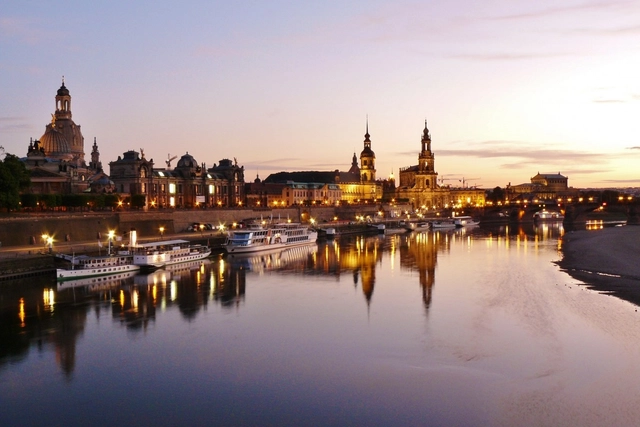
Every city has a story. Throughout history, many natural and man-made changes have altered the way cities were originally laid out. For some, the urban form developed as a result of political disputes, religious separations, or class divides. For others, a more mixed approach has allowed for uniquely mixed cultural atmospheres. And while development of cities is typically slow, occasionally cities experience dramatic and immediate changes to the urban fabric - the results of natural disaster, military conflict, or industrial catastrophe.
What happens next - if anything - can reveal a great deal about not just the city itself, but the local culture. Do cities rebuild exactly as they were? Or do they use disaster as an opportunity to reinvent themselves? The following is a roundup of cities that have moved past catastrophe to be reborn from the ashes.



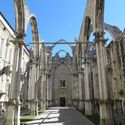

https://www.archdaily.com/901606/how-cities-have-rebuilt-from-the-ashesDima Stouhi
BIM Workstations Go Head-To-Head in REVIT Shootout
| Sponsored Content

Lanmar Services’ CTO Larry Kleinkemper, AIA, creates 3D laser scans and BIM project files for some of the world’s leading architecture firms and their high-profile projects. Because of these massive data sets, Lanmar demands the best CAD computer workstations available. In this must-see video, Kleinkemper compares two workstations recommended by their respective manufacturers as optimal Autodesk Revit solutions.
https://www.archdaily.com/902222/bim-workstations-go-head-to-head-in-revit-shootoutRene Submissions