

This guide outlines how to implement structured templates effectively, maintain design quality, and support firm-wide governance.
Articles
How to Create Board Templates for Architecture Teams
| Sponsored Content
https://www.archdaily.comhttps://www.archdaily.com/catalog/us/products/38861/how-to-create-board-templates-for-architecture-teams-rundiffusion
Room by Room, Automation is Changing Interior Architecture
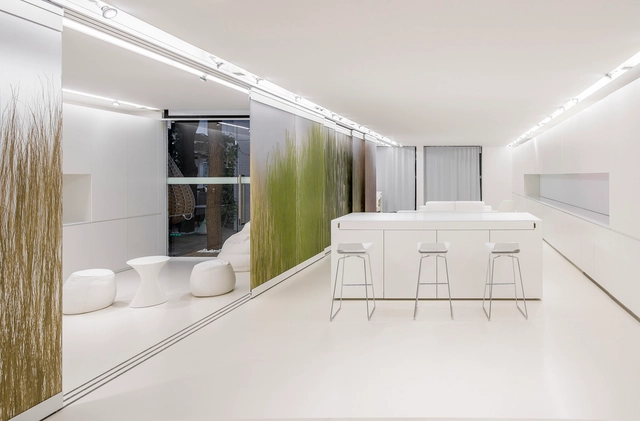
Robotics and automation are a staple of any vision of how we will live in the future. Among architects and designers, this trend crosses a variety of scales, from smart cities to smart kitchens. As we outlined in our Trends That Will Influence Architecture in 2019, recent years has seen a strengthening in how interior spaces are being transformed by technologies, with searches for Domotics soaring by 450% in twelve months.


https://www.archdaily.com/934680/room-by-room-automation-is-changing-interior-architectureNiall Patrick Walsh
Concealed City: Disguise is a Way to Protect One's Private Life in a City with Eyes
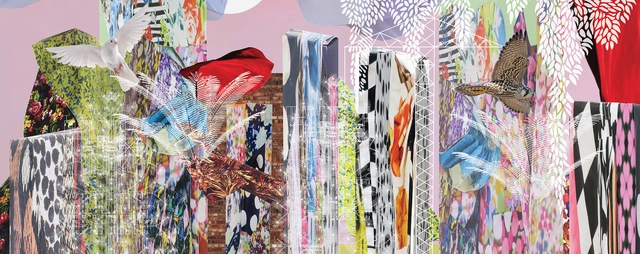
Deception, concealment, camouflage. Nature's numerous examples of disguising as a strategy to survive have provided humankind with plenty of inspiration for military unobtrusiveness throughout history. Today, disguise appeals as a way to protect one's private life in the City with Eyes. In a time when monitoring and surveillance systems are increasingly pervasive, Monica Hutton reflects on concealment strategies that are being developed, and which agencies they can deploy as part of complex urban ecologies.
https://www.archdaily.com/934546/concealed-city-disguise-is-a-way-to-protect-ones-private-life-in-a-city-with-eyesMonica Hutton
Adam Nathaniel Furman on Multicultural Upbringing and its Effects on His Notions of Identity
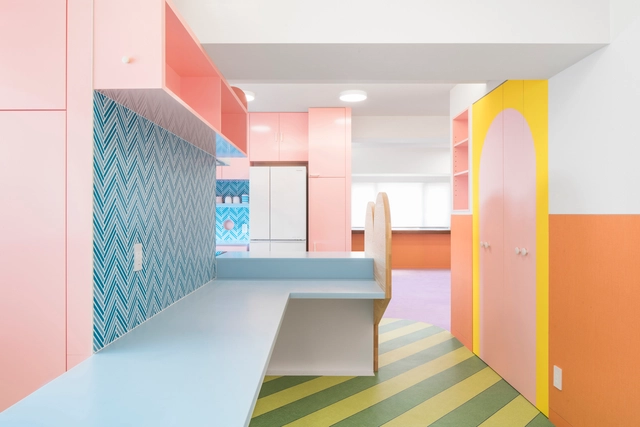
On Design with Justyna Green brings you insightful conversations with the arts & design's most inspiring figures - from designers to architects, editors to creative directors and everybody in between. If you want to know what inspires them, how they work and how they see the world, this is the podcast for you. Listen to the On Design podcast now on Apple Podcasts, Spotify and Google Play.
On Design podcast host, Justyna Green met Adam Nathaniel Furman at his apartment in the vicinity of Regent's Park. In their conversation, they discuss Furman’s multicultural upbringing and its effects on his notions of identity. With roots in Argentina, Japan and Israel, Furman’s views on design, aesthetics and the society derive from numerous cultures, traditions, and religions, resulting in an open mind and a wealth of informed viewpoints.
https://www.archdaily.com/934541/adam-nathaniel-furman-on-multicultural-upbringing-and-its-effects-on-his-notions-of-identityOn Design
Learn about the Oldest Buildings in the Top 100 Cities of the US
.jpg?1582052291)
The stories of the buildings of the United States have been built by the undeniable culture that its inhabitants have been creating. That is why architecture is more than a physical object, it evokes moments that express the wishes of its inhabitants in different political and economic contexts. In all cases, these buildings represent the daily struggle that comes with a monumental legacy of those who lived there.
https://www.archdaily.com/934422/learn-about-the-oldest-buildings-in-the-top-100-cities-of-the-usMónica Arellano
Tips on Passing the Architect Registration Examination

The Midnight Charette is an explicit podcast about design, architecture, and the everyday. Hosted by architectural designers David Lee and Marina Bourderonnet, it features a variety of creative professionals in unscripted conversations that allow for thoughtful takes and personal discussions. A wide array of subjects are covered with honesty and humor: some episodes provide useful tips for designers, while others are project reviews, interviews, or explorations of everyday life and design. The Midnight Charette is also available on iTunes, Spotify, and YouTube.

This week David and Marina discuss strategies and share their stories about passing the AREs (Architects Registration Examination). The two cover everything from the best study materials, how to study and how much time to allow, why the exam is difficult, the best time to take the exams, what to do if you fail, what to expect the 'day of', tips for taking the exam, and more! If you have any questions call or text the hotline at 213-222-6950.
https://www.archdaily.com/934548/tips-on-passing-the-architect-registration-examinationThe Second Studio Podcast
If Plan A is to Mitigate Climate Change, What’s Plan B?

This article was originally published on Washington Post, courtesy of Common Edge.
Hundred-year floods. Record-breaking Antarctic heat. Wildfires and drought. The stories appear with numbing regularity. And though the details differ, they all point to the same grim conclusion. We’re failing to address climate change. With carbon emissions continuing to rise, what were once dismissed as worst-case scenarios now look like the best we can hope for.

https://www.archdaily.com/934538/if-plan-a-is-to-mitigate-climate-change-whats-plan-bMartin C. Pedersen, Steven Bingler
Glenn Murcutt on the Fires in Australia, Climate Change, and Sustainability in Architecture
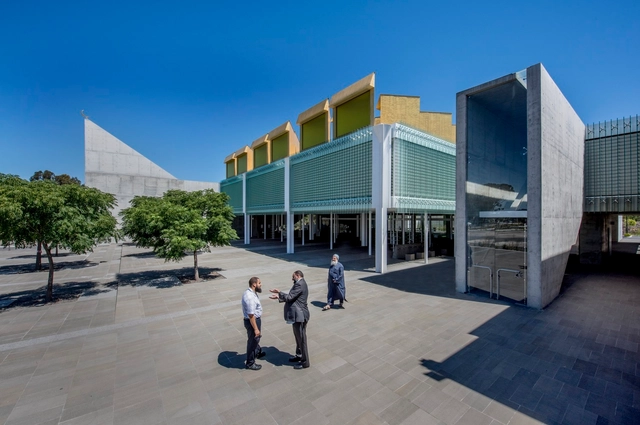
Design:ED Podcast is an inside look into the field of architecture told from the perspective of individuals that are leading the industry. This motivational series grants unique insight into the making of a successful design career, from humble beginnings to worldwide recognition. Every week, featured guests share their personal highs and lows on their journey to success, that is sure to inspire audiences at all levels of the industry. Listening to their stories will provide a rare blueprint for anyone seeking to advance their career, and elevate their work to the next level.
Pritzker Prize Winner, Glenn Murcutt joins the podcast to discuss the recent fires in Australia, the importance of spatial understanding over form-driven design, and how he established his award-winning practice.
https://www.archdaily.com/934535/glenn-murcutt-on-the-fires-in-australia-climate-change-and-sustainability-in-architectureDesign:ED
How Effective is Laminated Bamboo for Structural Applications?

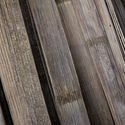
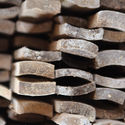
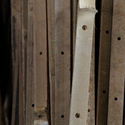
Mass timber has been hailed as the solution to architecture’s notorious sustainability problem – that buildings account for nearly 40% of global energy use is by now a worn and overcited fact. But timber isn’t the world’s only renewable material, and architects and engineers have begun looking elsewhere for other possible steel and concrete replacements. One such possibility that has recently come to light is engineered or laminated bamboo, a highly sustainable and structurally impressive material. Below, we investigate how laminated bamboo is made, what its primary qualities are, and how it compares to timber.


https://www.archdaily.com/934274/how-effective-is-bamboo-for-structural-applicationsLilly Cao
In Antarctica, Architecture is Heating Up
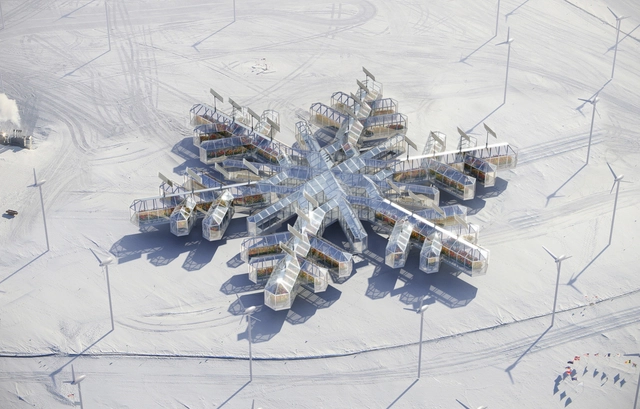
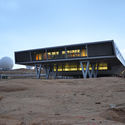
In 1773, James Cook circumnavigated Antarctica, representing humankind’s first known encounter with the continent. Ever since, Antarctica has been a vast, formidable, yet curious 14 million kilometer landscape, which explorers, scientists and governments have sought to understand and exploit. Given the harsh realities of building on the continent, aesthetics and architectural creativity have remained an afterthought in Antarctic settlements up until recent years. Today, however, the architectural scene is heating up.




https://www.archdaily.com/934590/in-antarctica-architecture-is-heating-upNiall Patrick Walsh
Open More Doors: Schemata Architects
Open More Doors is a section by ArchDaily and the MINI Clubman that takes you behind the scenes of the world’s most innovative offices through exciting video interviews and an exclusive photo gallery featuring each studio’s workspace.
For this episode, we talked with Jo Nagasaka of Schemata Architects about his firm’s history, mission, and office space. Schemata works on a wide range of scales and programs, from furniture to city development, but maintains a commitment to a one-to-one scale of design that focuses on material exploration.
_7728.jpg?1582615054 "© Laurian Ghinitoiu")
_7878.jpg?1582615043 "© Laurian Ghinitoiu")
_7844.jpg?1582615091 "© Laurian Ghinitoiu")
_7863.jpg?1582615200 "© Laurian Ghinitoiu")
_7744.jpg?1582615115)
https://www.archdaily.com/934394/open-more-doors-schemata-architectsLilly Cao
A Paralympic Center and an Aquarium in New York: 10 Unbuilt Projects Submitted by our Readers
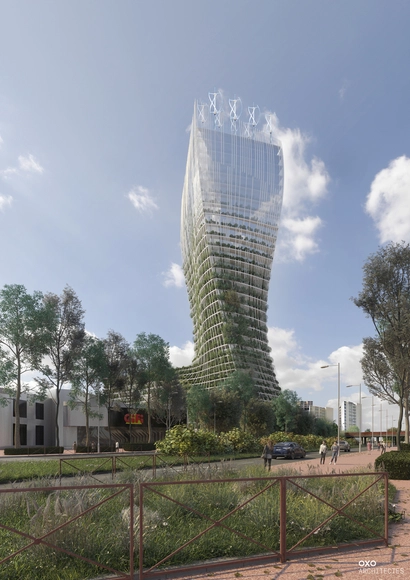
Ensuring a platform for everyone, ArchDaily is rounding up, every once in a while, a curated selection from our readers’ submissions. With proposals coming from all over the world, our aim is to feature the best Unbuilt Architecture out there.
In this article, we are highlighting proposals that were awarded the first prize in international competitions. Each one of these projects showcases a unique conceptual approach and responds to a different program. With a mixed-use project in France, a market in Helsinki, an aquarium in New York and a civic building in Norway, to name a few, the variety of these unbuilt interventions underlines the vast scope of the architectural field.
https://www.archdaily.com/934468/a-paralympic-center-and-an-aquarium-in-new-york-10-unbuilt-projects-submitted-by-our-readersChristele Harrouk
Hospitality Design Fair: The Premier Event for Hospitality Interior Design
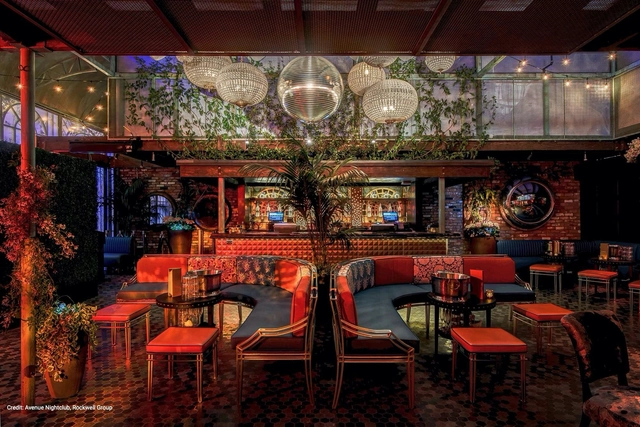
Hospitality Design Fair, held at the world-class ICC Sydney on 24-25 September, is the premier trade fair and conference for creative professionals who shape the hospitality interiors marketplace and create amazing spaces. As the only event in Australia focused exclusively on interior design and furniture for hotels, bars, restaurants and clubs, HDF brings together designers, architects, owner/operators, purchasers, brand executives and manufacturers for two days of product discovery, inspiration, education and exceptional networking.
https://www.archdaily.com/934368/hospitality-design-fair-the-premier-event-for-hospitality-interior-designRene Submissions
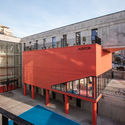
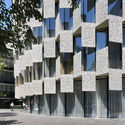
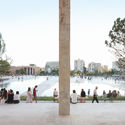
Design Icons: Albania's New Architecture Taking Shape
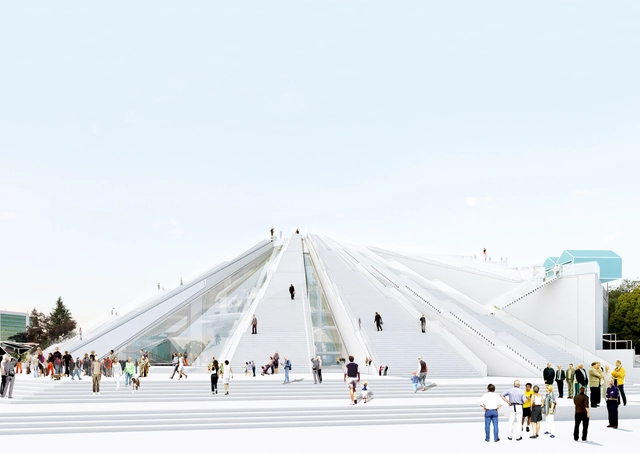
Albania's architecture is tied to the sea and the country's cultural heritage. Bordered by Montenegro, Kosovo, North Macedonia and Greece, the republic spans both the Adriatic and Ionian Sea as it connects to the Mediterranean. Over time, Albania has seen a confluence of different civilizations and cultures, each shaping the built environment as we experience it today.


https://www.archdaily.com/934420/design-icons-albanias-new-architecture-taking-shapeEric Baldwin
Indoor Playgrounds: Playful Architecture at Home
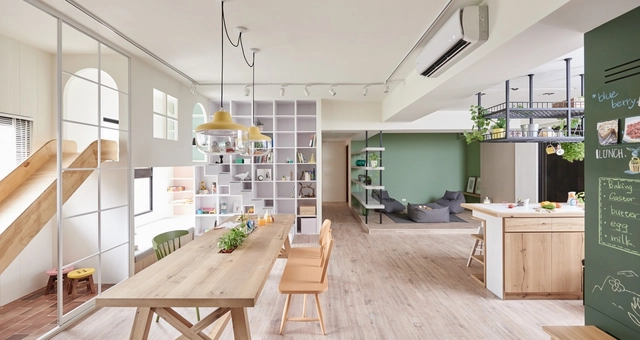


Although we know how important it is to allow children to play in public and outdoor spaces, it is difficult to deny that there are few cities offering adequate prepared environments for children - fun and safe spaces that allow them to experience urbanity and become conscious citizens of community life. For this reason, it is also understandable that families have increasingly instituted leisure spaces in indoor environments, giving their children the freedom and security necessary to learn and grow.
In this article, we have selected 11 incredible examples that demonstrate how interior architecture can help create play spaces for kids of all ages, helping them take their first steps in this world with greater autonomy and confidence.
https://www.archdaily.com/934198/indoor-playgrounds-playful-architecture-at-homeAudrey Migliani
Raw Materials: 8 Wooden Houses from Spain
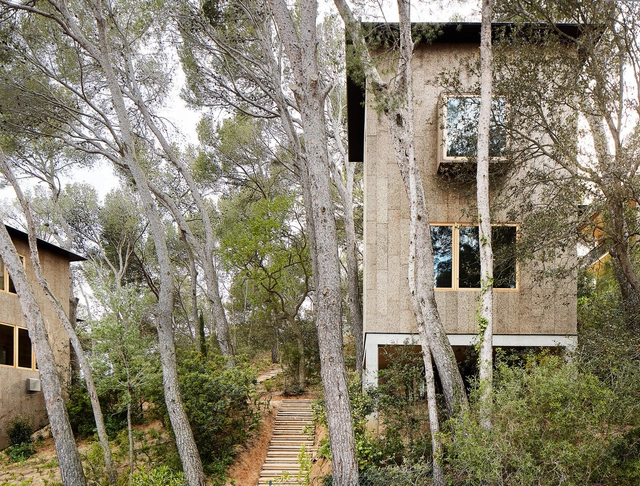
Is wood the future of construction?
The history etched into Spain's wooden houses has many lessons to teach us about the role of wood in creating everything from light-weight and mobile modular homes to interior and exterior finishes. What's more, these lessons are not limited to new constructions. They apply to everything from furniture to remodels.
https://www.archdaily.com/933678/raw-materials-8-wooden-houses-from-spainFabian Dejtiar
Building Bigger Cities Means Digging Deeper Everywhere Else
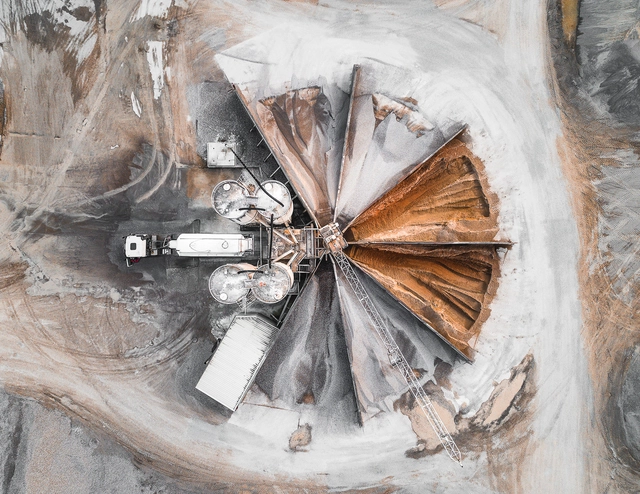
Newton’s Third Law of Motion dictates that for every action, there is an equal and opposite reaction. In urbanism, this concept is evident in how the unprecedented growth of the built environment causes a reaction in rural landscapes. By 2050, the number of people living in cities will have increased by 2.5 billion, representing two-thirds of the global population. This mass flow of people from rural to urban areas gives rise to an equally dramatic flow of natural resources. As can be seen in studies such as Tom Hegen’s The Quarry Series, whose imagery accompanies this article, the extraction of these minerals represents yet another physical manifestation of rapid, linear urbanism.


https://www.archdaily.com/934290/building-bigger-cities-means-digging-deeper-everywhere-elseNiall Patrick Walsh
Three Japanese Young Architects To Breathe New Life Into an Iconic French Castle
| Sponsored Content
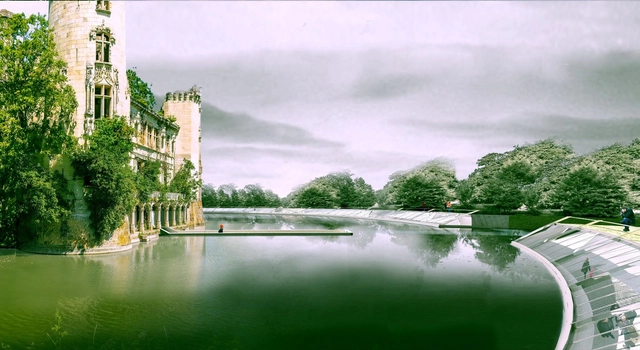
Hiroshi Toda, Mitsuki Shibairi, Kahara Mori are the three members of team D-D-D rewarded with the 1st Prize and a “Castle Choice” Mention at the COMMON RUINS international competition held by YAC - Young Architects Competitions and Mothe Chandeniers .
https://www.archdaily.com/930111/three-japanese-young-architects-to-breathe-new-life-into-an-iconic-french-castleSponsored Post
What Makes a Great Public Place?

This article was originally published by Project for Public Spaces as "What makes a successful place?", a brief guideline about how to develop great public spaces by following four qualities: Sociability, Uses & Activities, Access & Linkages, and Comfort & Image.
Great public spaces are those places where celebrations are held, social and economic exchanges occur, friends run into each other, and cultures mix. They are the “front porches” of our public institutions – libraries, field houses, schools – where we interact with each other and government. When these spaces work well, they serve as the stage for our public lives, but what makes some places succeed while others fail?
https://www.archdaily.com/914616/what-makes-a-great-public-placeProject for Public Spaces
13 Residential Projects that Use Raw Brick Facades
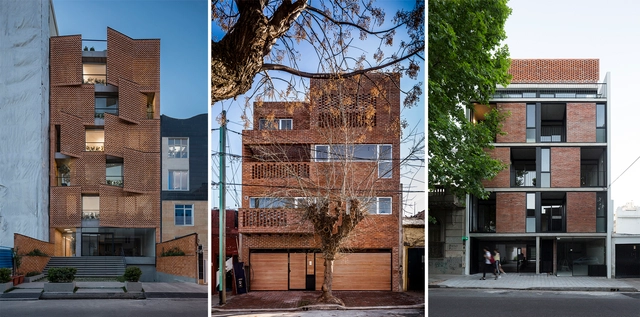
Rotation, displacement, and interleaving of blocks are some of the options that enable the diversity of raw brick patterns in architecture. The shape of these elements, usually used for the construction of walls, has been explored in a creative way to compose facades of residential buildings, representing the formal identity of the building itself and its relationship with its context.
https://www.archdaily.com/934171/13-residential-projects-that-use-raw-brick-facadesSusanna Moreira
Real-time Rendering in Architecture Evolves to Become a Natural Workflow Enhancement
| Sponsored Content
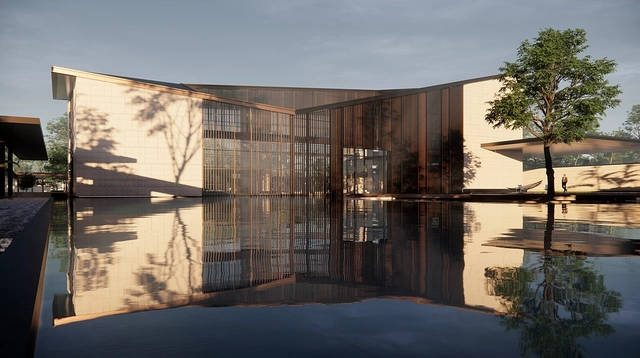
The field of architectural visualization has come a long way: It used to be a very time and cost-intensive process that only larger firms could afford and was usually outsourced to specialist companies that let their supercomputers render images for days or even weeks. Whilst this still might sound familiar to some architectural companies, the reality today is that something else is becoming the new standard in visualization: real-time rendering.
https://www.archdaily.com/934243/real-time-rendering-in-architecture-evolves-to-become-a-natural-workflow-enhancementSponsored Post
Recruiting Architects of the World: How Architect-US Helps Firms to Find International Talent
| Sponsored Content

What if hiring an international architect with great skills, qualifications, and unique insights was as easy as hiring someone from upstate New York or Indiana? Architects worldwide dream of an opportunity to enter the competitive American market and it is common for young professionals to travel internationally for study or work. At the same time, many top US firms are searching for diverse new talent, yet the cost, paperwork, and bureaucracy of hiring international candidates can be discouraging. Architect-US was created to fill that gap.

https://www.archdaily.com/933955/recruiting-architects-of-the-world-how-architect-us-helps-firms-to-find-international-talentMegan Schires
Storage Solution for Small Houses: Useful Examples
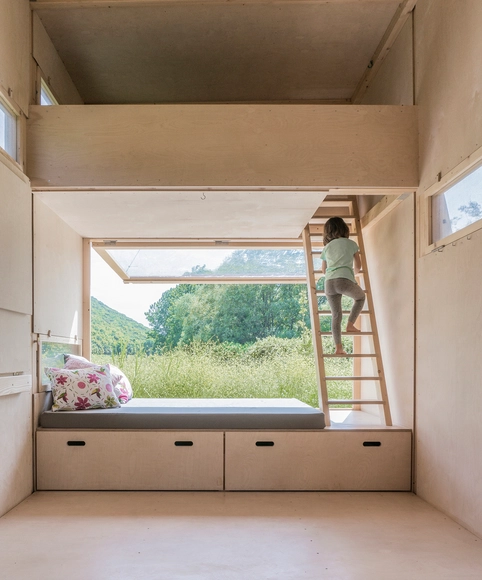
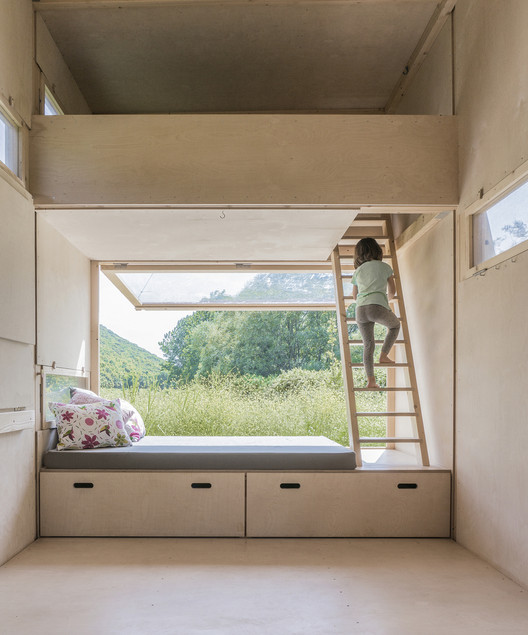
Dense cities mean small homes. With more and more frequency we are forced to adapt to spaces within which some elements simply do not fit. As architects, these restrictions actually provide us with opportunities and remind us that our goal is to give precise solutions to specific problems. Designing with infinite number square meters and/or an unlimited budget is practically unheard of.
What's the key to accommodating everything? Let's review some effective storage solutions for minimum, tight spaces.

.jpg?1552337492 "Bazillion / YCL Studio. Image © Leonas Garbačauskas")


https://www.archdaily.com/913132/storage-solution-for-small-houses-useful-examplesJosé Tomás Franco
A Lost Village of Buddhist Treasures

The historic village of Indein, Myanmar was founded by monks around the 3rd century B.C, who wanted to spread Buddhism across the country. Hundreds of pagodas, ornaments, and statues of Buddha were built around the area, but with time, the village was abandoned and its temples were consumed with greenery. Nowadays, the site stands as a visual contradiction of old and new, as people have begun renovating and preserving the historic structures little by little, surrounding the crumbling temples with brand new white stupas.
Photographer Romain Veillon had the chance to explore and photograph Indein, capturing the raw remains of the historic site.


https://www.archdaily.com/933970/a-lost-village-of-buddhist-treasuresDima Stouhi
The Top 25 Architecture Interviews of 2019
.jpg?1576530934&format=webp&width=640&height=580)
In a continued effort to deliver tools, inspiration, and knowledge for readers, 2019 saw ArchDaily editors and contributors engage in a wealth of conversations with distinguished individuals from all corners of the design world. Whether this be a discussion with Carlo Ratti and Winy Maas on artificial intelligence or a conversation with Mario Botta on Modernism, these interviews convey the remarkable variety of talent, ideas, and paradigms through which one can engage with architecture and design.
https://www.archdaily.com/929978/the-top-20-architecture-interviews-of-2019Niall Patrick Walsh