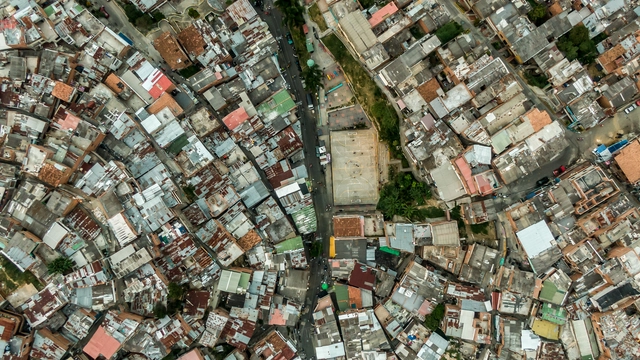
Distrito 13 en Medellín, Colombia. Imagen de JorgePM. Image via Shutterstock
Within the Latin American and Caribbean region, it has been recorded that at least 25% of the population lives in informal settlements. Given that their expansion is one of the major problems afflicting these cities, a project is presented, supported by the IDB, which proposes how new technologies are capable of contributing to the identification and detection of these areas in order to intervene in them and help reduce urban informality.
Handicraft translate the culture of a people and, therefore, carry a strong presence when placed in residential spaces. Through the most varied techniques, it represents traditional methods and acts in the memory of each person who crosses it. Therefore, regardless of the scale at which it is presented - from small art objects to large furniture, or even as a component of architecture itself -, thinking about handcrafted elements can be an important step in improving the aesthetic language of a project.
Hayden Library. Image Courtesy of Ayers Saint Gross
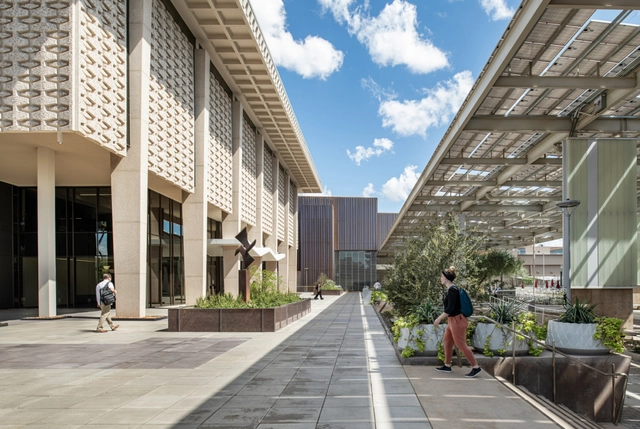
Architecture and planning centers on human experience and bringing people together. Few firms have structured their office around these ideas like Ayers Saint Gross. Founded in 1912, the firm has over a century of experience, including a majority of their work in support of colleges, universities, and cultural facilities. Today, the 185-person firm has offices around the country, including in Baltimore, Washington, D.C., and Tempe, AZ.
La ciudad en el espacio. Image Cortesía de Ricardo Bofill Taller de Arquitectura
It was 1968 when Ricardo Bofill Architecture Workshop's published a kind of manifesto in reaction to the pressing demands of a society in constant transformation. The idea of the City in Space saw the light of day for the first time and was proclaimed as an absolute architecture, capable of resolving all the complexities of its contemporaneity through a unique open, flexible and three-dimensional model.
Statement interiors leave a lasting impression on both frequent and infrequent users, whether with striking pieces of furniture, oversized lighting, or even a bold feature wall. The very best creations, however, don’t need to beg for attention to be recounted afterward, they let praise come to them with a peacocking presence so extravagant, it’s impossible not to take notice.
In the architectural conversations taking place today, sustainability is a key topic of interest. Architecture firms embrace the term as a key part of their design ethos, and architecture schools globally have integrated designing “green” architecture as a core component of their curriculums. This sustainability conversation has also filtered down into more individual actions one can take within their immediate context. Online, for instance, guides abound on how you can make your home more eco-friendly and energy-efficient.
The tech industry in Japan has continued to serve as a pivotal driving force in Japan, with the whole country being well known for its technological innovations in various industries. As of late, most industries and companies have begun to shift their focus to the topic of sustainable development, with the inclusion of using these very technologies to work towards zero energy goals.
Artificial intelligence systems endeavor to replicate or mimic human intelligence by combining datasets with iterative processing algorithms to learn from patterns and experience. From Siri, Alexa and other smart assistants to conversational bots and email spam filters, what once seemed like a technology pulled from science fiction has become ubiquitous in our daily lives.
ImageJewel Changi Airport by Safdie Architects. Image Courtesy of Jewel Changi Airport
Safdie Architects is a research-oriented architecture and urban design studio active in a wide variety of project types, scales, and sectors. Safdie Architects’ global practice is directed from its headquarters in Boston, Massachusetts, with satellite offices in Jerusalem, Shanghai, and Singapore. Projects are designed, managed, and executed by a global team that hovers around 65 people! The practice is organized as a partnership and operates in the model of an intimate design studio environment. The firm's partners – many of whom joined Safdie shortly after graduation – have been working together for decades.
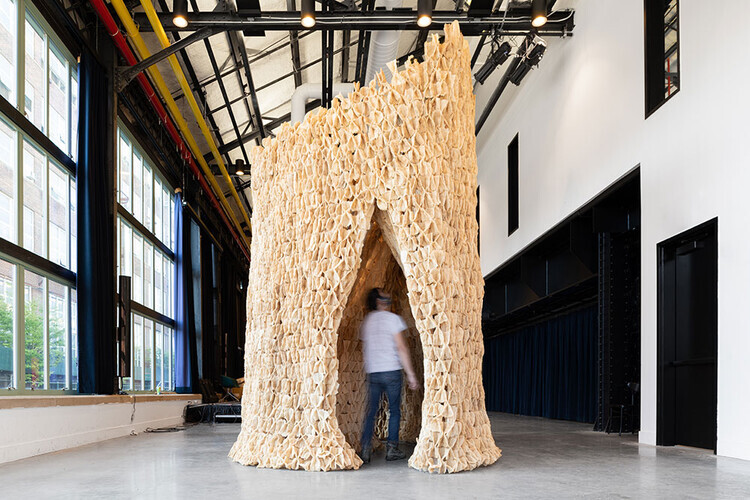
Advances in biotechnology and material science are opening new material opportunities, with the potential of fundamentally changing the connection between the built environment and the natural world. Building materials and construction account for 11% of greenhouse gas emissions. The AEC industry can contribute to curbing climate change in the following years, and the re-evaluation of commonplace building materials is one of the most critical steps. Bioengineered materials, which grow, produce energy, self-heal, are the next frontier in biology and material science and potentially a path towards a new kind of architecture. Although innovation in these fields is still far away from mainstream commercial use, it promises to dramatically change the image of the built environment.
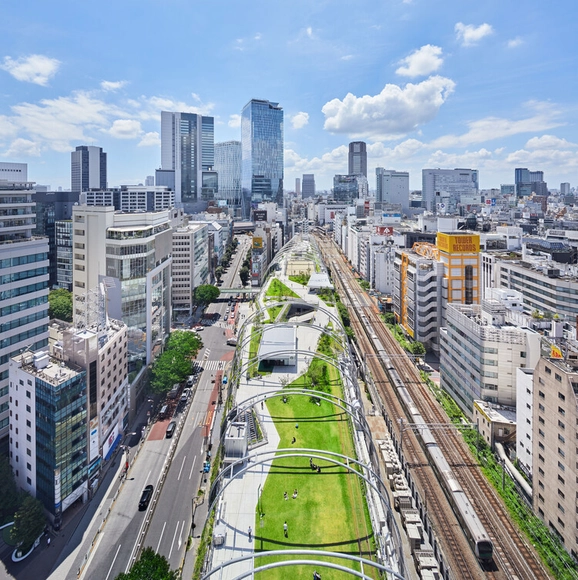
As the city continues to evolve and transform, dead edges in the cityscape begin to emerge, subsequently reducing the level of activity in our built environment. These 'dead edges' refer to the areas that lack active engagement, they remain empty and deprived of people, since they no longer present themselves as useful or appealing. As the Covid-19 pandemic draws to an ultimate close, the first issue we may face post-pandemic is to revive our urban environment. A kiss of life into a tired and outdated cityscape...
The focal element in creating an active and healthy urban environment is by increasing vitality through placemaking. Creating diverse and interesting places to reside, thrive, and work. Here are five regenerative strategies that animate the cityscape and ultimately produce resilient, attractive, and flexible environments.
Although it was originally published in 2019,this essay by Randy Nishimura, lightly updated, serves as a rebuttal of sorts to Duo Dickinson’s recent Common Edge piece, “The Architectural Pandemic of the ‘Stick Frame Over Podium’ Building.” Dickinson likens the building type to a plague; Nishimura offers a contrarian’s perspective.
A recent spate of articles bemoaning the proliferation of 5-over-1 apartment buildings caught my attention. Outlets such as Bloomberg, Common Edge, Crosscut, and Curbed have all commented on the building type, the common thread being a reproach for their ubiquity, sameness, and inexpensive construction. Some of the critiques rightfully point to the confluence of multiple factors—evolving building codes, a lack of developable land, rising construction costs, and an acute lack of affordable housing—that have given rise to countless examples of the type across the country. The same dynamics are in play here in my hometown of Eugene, Oregon, so we naturally have our share of 5-over-1 developments.
“I’ve always been quite interested in keeping up with what’s happening on a technical front,” said Nick Lawrence, a practice director at A&Q Partnership in London. The architect, who studied engineering in undergraduate school, leads the building information modeling (BIM) effort at A&Q Partnership and says his studies greatly influenced his interest in information modeling.
His interest extends beyond personal. Relying on BIM framework has been crucial for A&Q Partnership, who work on large, multi-building commercial and residential projects.
Pipes, wiring and ducts of different materials in walls, ceilings and roofs make up all the spaces we walk through and inhabit. They represent the set of networks and equipment necessary for the development of life in our buildings, providing services such as water, electricity or gas, among many others. According to the regulations in each country and the use defined in each space, the installations can be left visible, giving a certain character and aesthetic to interior spaces.
Take a second to imagine a building or a room. Chances are you are envisioning flat rectangular surfaces and straight lines. Whether it be walls, beams or windows, most architectural elements come in standard and extremely practical orthogonal shapes. However, the pandemic has shed light on designs that are not only functional, but also that improve our mood and well-being. In that sense, the power of curved, free-flowing surfaces is unmatched, which explains why they have been making a comeback as a modern design trend. Adopting beautiful nature-inspired shapes, organic curls and bends energize rooms and make users feel good. In fact, neuroscientists have shown that this affection is hard-wired into the brain; in a 2013 study, they found that participants were most likely to consider a space beautiful if it was curvilinear instead of rectilinear. In short, humans love curves.
Functionality, good ventilation, comfortable lighting, and access to views are some of the important required characteristics that make for human comfort in inhabited or occupied spaces. Nonetheless, those elements are becoming harder to achieve within smaller city dwellings. Architects and individuals, therefore, turn towards design solutions to create more agreeable and personalized settings.
An initial solution to upscale and widen spaces is to reduce the amount of standard solid partitions or walls and replace them with alternative means of spatial separation.
It is crucial to consider the future environmental impact of everything we create. Climate change remains high on the global agenda, and every industry must take part in the goal of reaching Net Zero. One of the more challenging industries concerns construction, which plays a vital role in the process of decarbonization and is constantly encountered with challenges to become greener. Therefore, it demands innovative techniques and development of data to find new and sustainable processes. One solution is to introduce and design both cleaner and more efficient materials. Bricks are a good example, as they can be used in building constructions to ensure a circular process and minimize carbon emissions, being an extremely durable material that can be produced with more sustainable techniques.
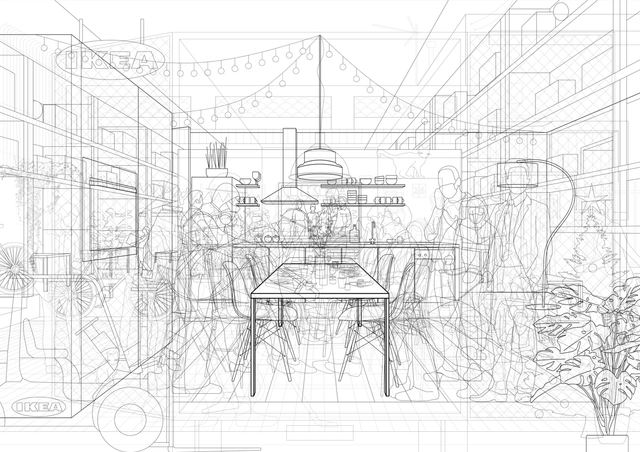
Poner la mesa. Image Cortesía de Florencia Köncke y Paula Olea Fonti
Setting the Table is an illustrated reflection by architects Florencia Köncke and Paula Olea Fonti. In the following paragraphs, the authors develop a first approach to the study of the table as "the centre of our notion of domesticity"(1). In the relationship between space, objects and people and as a social catalyst for gathering and exchange.
https://www.archdaily.com/977914/setting-the-table-from-the-ordinary-table-to-the-extraordinary-tableFlorencia Köncke + Paula Olea Fonti
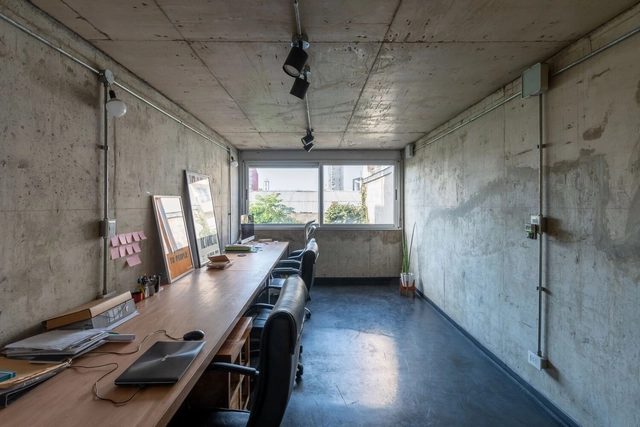
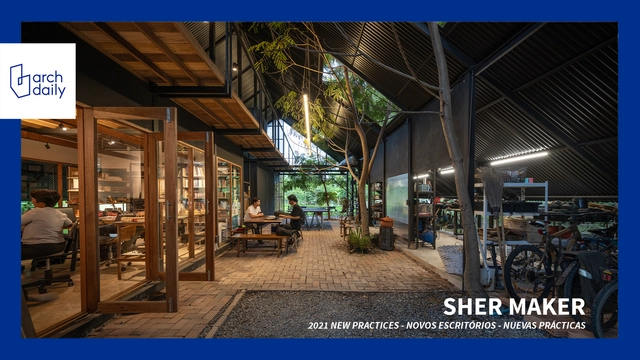
The culturally-significant town of Chiang Mai, northern Thailand, is an area of rich history and religion, preserving traces of walls, moats, and temples from a past that dates back to the 13th century. Between its lush trees and scenic landscapes sits architectural design studioSher Maker's workshop and office, a locally-sourced space that accentuates the process and meaning behind building construction. Their workspace is no different than their portfolio; having an interest in the origins of architectural formations, the context of local materials and technologies, as well as the atmosphere that surrounds the building both physically and atmospherically, the team translated their design approach to create their own working space.
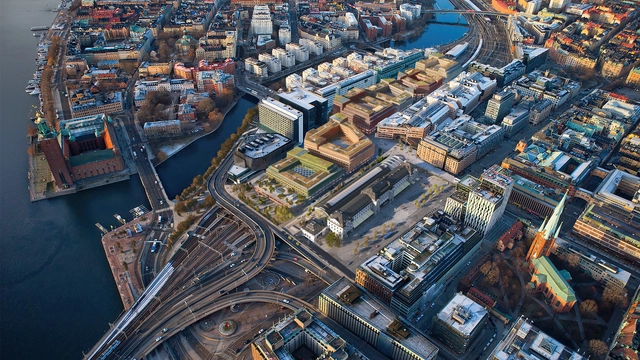
Stockholm Central Station Winning Project by Foster +Partners. Image Courtesy of Foster + Partners
Architecture is, by vocation, a subjective matter where typically commission decisions are made on design style and ethos. There is rarely a wrong or right solution. Therefore it is important to have a strong understanding of your company values before submitting for projects. At Simone de Gale Architects, work is won through a number of procurement routes and offering a range of services for potential clients. I interviewed Simone to find out more about her client acquisition efforts and business development, as he runs a smaller but very successful practice in one of the most desirable parts of London- Belgravia. Simone will also speak about this particular topic at Disrupt Symposium taking place this spring 1-5th May 19:00 CET virtually. You can purchase your early bird tickets by visiting the event website
While women make up an equal part of the population, they are not equally represented when imagining, planning, designing, and constructing the built environment around the globe. Thriving to rebalance forces and close the gap of gender inequality, the world is moving slowly but surely into a more diverse, equitable, and inclusive future. Looking back at 2021, this year has seen the selection of Lesley Lokko as curator of the 2023 Venice Biennale, Anne Lacaton winning with her partner Jean-Philippe Vassal the 2021 Pritzker Prize, the 6th woman to ever receive the award, and the MAXXI Museum celebrating the transformative role of female architects in the profession's evolution over the last century.
The 2022 Women's International Day, according to the UN is centered on “Gender equality today for a sustainable tomorrow”, focusing on females involved in building a sustainable future, while the official platform of the 8th of March is concentrating its efforts on breaking the bias and eliminating discrimination. Recognizing every single day the female force that shapes the built environment, ArchDaily on the other hand, turned to its global audience this year, seeking input to shed light on even more women architects, from the four corners of the world. Always trying to reach new realms, this selection of 25 professionals is looking to adjust the historical narrative by highlighting pioneers of the field, to present established practitioners molding the world we live in, and to share profiles of activists and scholars, implicated in change.
Nowadays, the role of architects exceeds the limits of construction, reaching fields that are often unthinkable, but which nonetheless demonstrate a close relationship with the profession. If we go back in time, the fact is that many buildings, houses, monuments and even cities have been built intuitively without urban planning or renowned architects. Undoubtedly, today's architects are facing a great challenge that goes beyond demonstrating our skills and knowledge and extends to other areas that involve us, but we still don't know it. So we ask ourselves, what will be the profile of the architect of the future?
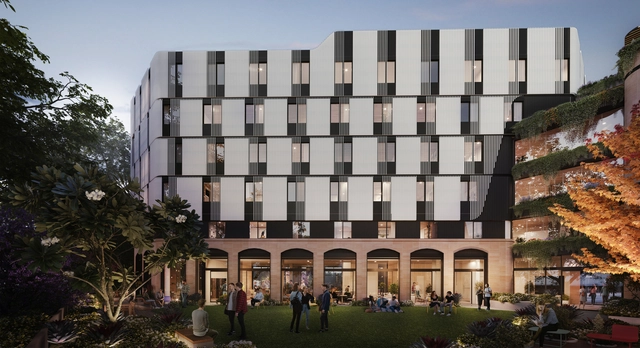
John Chapman House. Image Courtesy of Plus Architecture
Student housing takes on many forms around the world, but most commonly, it’s envisioned as close quarters in a bleakly designed dormitory. While prospective students choose universities based on academic rigor, athletic programs, extracurricular activities, and future career opportunities, they’re now wanting to know what living on and off-campus will be like- and it has forced designers to rethink the traditional designs of dormitories into something more innovative that better reflects what students want (and expect) in their university homes.
Experience a new standard of personal hygiene with GROHE Sensia Arena. More comfortable, hygienic and soothing than using paper, the Sensia shower toilet offers innovative, personalised functions at the bush of a button – and with award-winning style, too.








.jpg?1647353416 "Semans-Griswold Environmental Hall. Image Courtesy of Ayers Saint Gross")












.jpg?1646943619&format=webp&width=640&height=580)










.jpg?1646659724 "Courtesy of Sher Maker")