Most of the materials that we use in the construction of our projects have shapes and dimensions that seek to facilitate their storage, transfer, and installation, being constituted in its majority by orthogonal modulations. These straight angles don't always fit with the irregularity of our designs, nor do they coincide exactly when encountering more organic materials or other specific elements such as ducts, pillars, or furniture.
This simple tool allows you to copy, duplicate, and measure complex contours so that the materials adapt perfectly to other elements. Its mobile 'teeth' must be pressed against the profile to obtain a mold of its shape, generating templates that will allow cutting and adjusting the original material with precision. Thus, the tool could even be useful for replicating or repairing unique details in restorations or refurbishments.
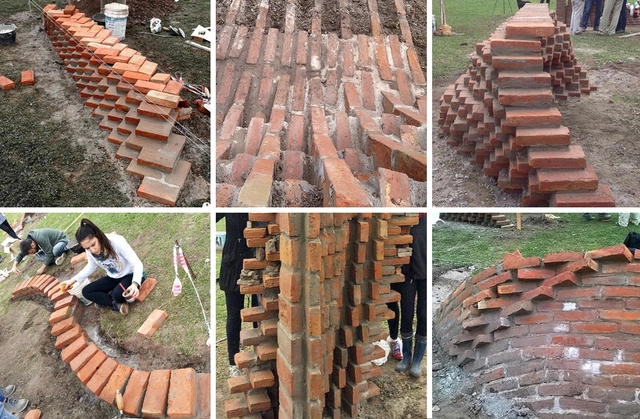
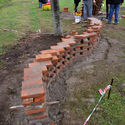
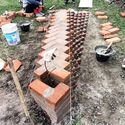
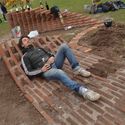
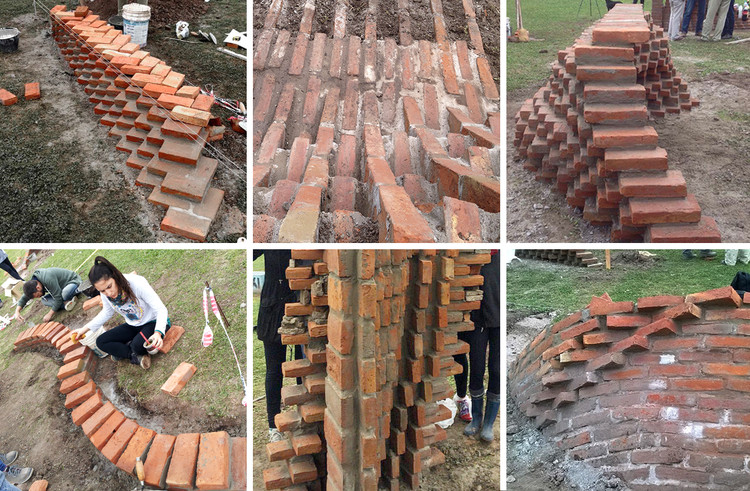
Argentine firm Estudio Arzubialde and Chilean architect Verónica Arcos led a Material Experimentation Workshop in Rosario, Argentina, during which six different groups of students designed and built projects using a variety of brick laying techniques.
Each project used different brick patterns based on simple rules, resulting in a structure with a certain degree of geometric complexity.
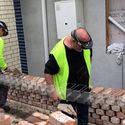
Fusing augmented reality with the physical space, Fologram seeks to facilitate the construction of complex designs (for example, parametric designs that require a series of measurements, verification, and specific care) through digital instructions that are virtually superimposed into the workspace, directing a step-by-step guide for bricklayers during the construction process.
'Research institutions and large companies are working with industrial robots to automate these challenging construction tasks. However, robots aren’t well-suited for unpredictable construction environments, and even the most sophisticated computer vision algorithms cannot match the intuition and skill of a trained bricklayer,' stated their creators.
There are at least as many definitions of architecture as there are architects or people who comment on the practice of it. While some embrace it as art, others defend architecture’s seminal social responsibility as its most definitive attribute. To begin a sentence with “Architecture is” is a bold step into treacherous territory. And yet, many of us have uttered — or at least thought— “Architecture is…” while we’ve toiled away on an important project, or reflected on why we’ve chosen this professional path.
Most days, architecture is a tough practice; on others, it is wonderfully satisfying. Perhaps, though, most importantly, architecture is accommodating and inherently open to possibility.
This collection of statements illustrates the changing breadth of architecture’s significance; we may define it differently when talking among peers, or adjust our statements for outsiders.
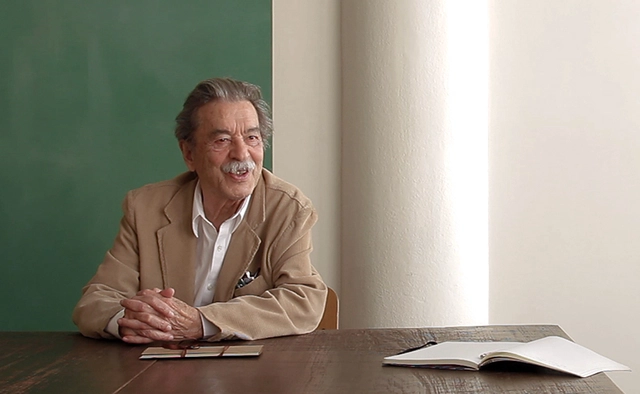
Today we celebrate the 90th anniversary of Paulo Mendes da Rocha. With a unique integrity in his thinking and design, his career has already been celebrated with the highest awards an architect can receive, from the Pritzker Prize in 2006 to the 2018 Golden Lion from the Venice Biennale and the Praemium Imperiale in 2016. Here, instead of presenting his impressive projects, we have asked architects to share some of their stories, talk about his practice and how his thinking has influenced them.
https://www.archdaily.com/904685/brazilian-architects-honor-paulo-mendes-da-rocha-on-his-90th-birthdayEquipe ArchDaily Brasil
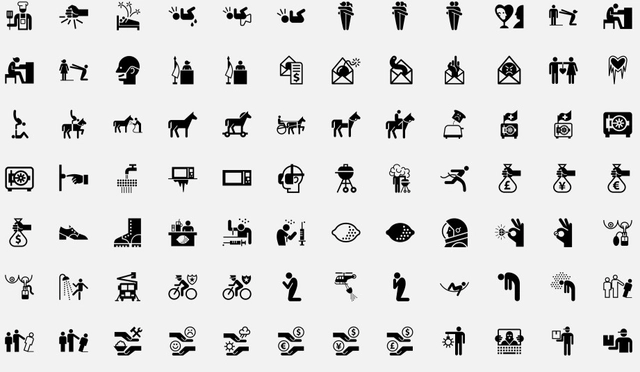
The title says it all: if you've spent hours browsing the web for simple design icons for diagrams and architectural representation - a relevant tool to optimize organization, analysis, and communication - then this universal online library from The Noun Project will be very useful.
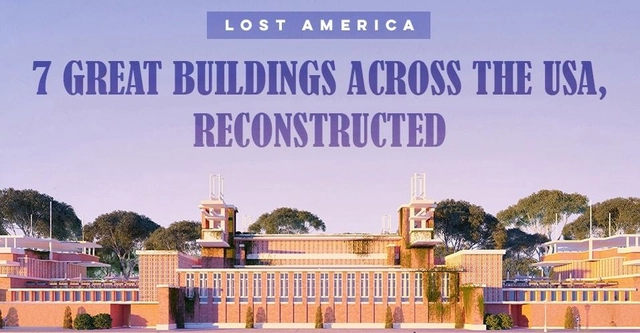
From the original Penn Station to Midway Gardens, our "lost" buildings reflect our (sometimes misguided) desire to move forward. This article, originally published on HomeAdvisor, shows how the some of the US's most recognizable streetscapes might look if history had taken a different turn.
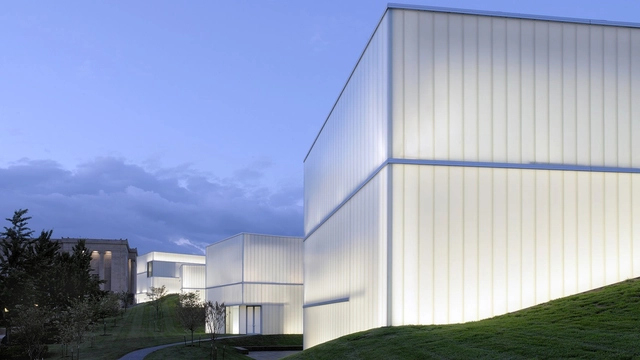
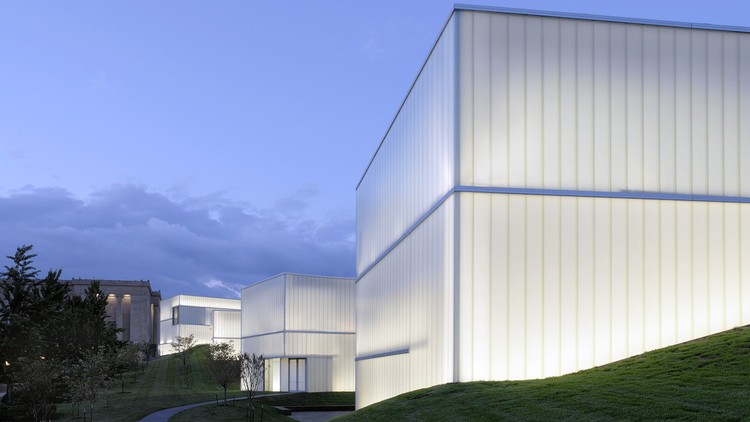
Recurrently we see how architects opt for translucent facades to create the envelopes of their buildings, promoting the entry of a large amount of natural light, while simultaneously controlling it during the day. Illuminated during the night, many of these projects can be seen in the dark, appearing as lanterns or lighthouses for their neighbors and community. Being exposed to changing conditions – day or night – to choose the right material, it's necessary to study in detail the orientation and location of the building, the pre-existing context, and the configuration of the interior spaces.
We present a system of glass panels that allow buildings with this type of façade –spanning from floor to ceiling without interruptions – with minimal frames and different colors, textures, thermal and acoustic performances.
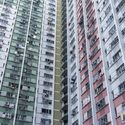
Hong Kong is an autonomous territory in southeastern China known for its skyscrapers, urban density, and high prices. However, on Nico Van Orshoven's travelogue, Everywhere in Particular, the Belgian architect creates a visual portrait of the territory beyond the stereotypes. With lively public spaces and stunning natural landscapes, Hong Kong can and will surprise you.
Below, Van Orshoven recounts his visit to Hong Kong:
What comes to mind when you think of Brazilian architecture? The strong forms of Oscar Niemeyer? Neutral-toned works of brutalism? Cobogós? In spite of the fact that colors are present in Brazil's colonial architecture, the aforementioned qualities tend to dominate the perception of the architecture of South America's largest country.
However, current architectural production in Brazil is bringing more and more colorful elements that shy away from the gray and beige purity. We've selected fifteen projects that use color to highlight architectural elements and generate dynamic perceptions of space.
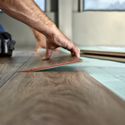
The installation of wood laminate flooring may seem basic or even alien to what we do as architectural designers, but that should not be the case. When we understand the characteristics of the materials we specify and their assembly processes, we can design in a more efficient manner, adjusting our proposals to the requirements of the project.
With this in mind, below we present a step-by-step assembly process for EGGER's UNI fit wood laminate flooring—a type of flooring that sits above the slab and does not require the use of screws or glue. The elements of this system join together with "click" system, allowing the installed floor to sit freely over what is below it.
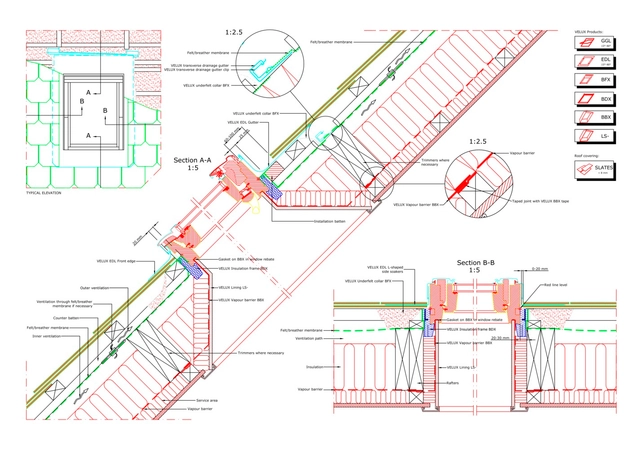
In the spirit of supporting our readers’ design work, the company Velux has shared a series of .DWG files with us of their different roofing windows models. The files can be downloaded directly from this article and include great amounts of detail and information.
Check the files below, separated into 'Pitched Roofs', 'Flat Roofs' and 'Light Tube'.
https://www.archdaily.com/802109/16-cad-files-of-skylights-and-light-tubes-available-for-your-next-projectArchDaily Team
Videos
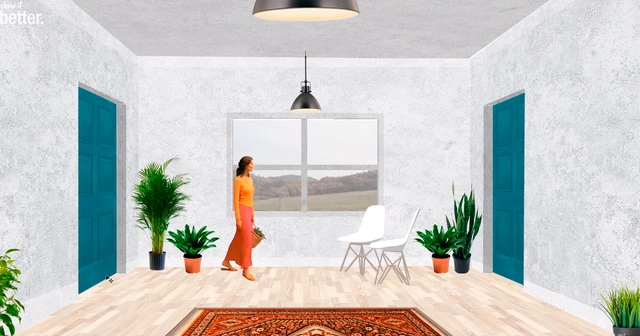
Screen capture, Post-Digital Interior Design Drawing. Image via Show It Better
If you are trying to approach the representation of architecture through postproduction in Photoshop, the YouTube channel Show It Better can be very useful. The following tutorials allow you to maximize the effectiveness of photoshop by providing both technical and visual tips.
Here we have selected examples that address axonometric representation, plans, sections, elevations, diagrams, and others.
We hope you enjoy the following tutorials. What other kinds of drawing tips would you like to see?
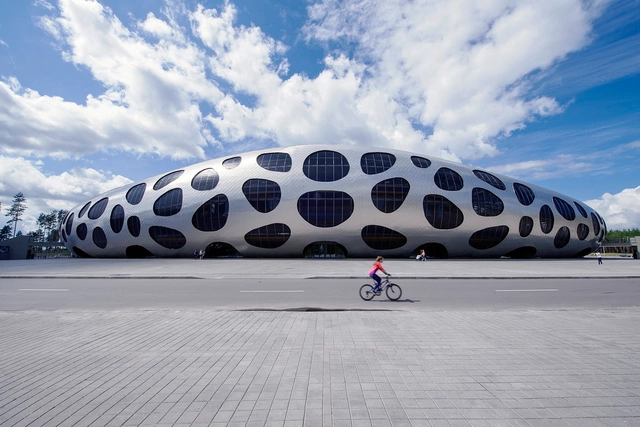
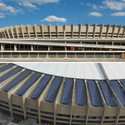
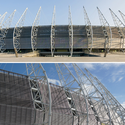
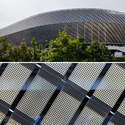
Stadiums —new or remodeled— provide excellent and innovative examples of architecture on a large scale; they are required to shelter thousands of people, including the athletes of the games they host. In addition to the technical aspects and considerations related to sports, these structures apply interesting cladding systems, with some stadiums even generating the energy needed to function.
Read on for more about stadiums and their structures in detail.
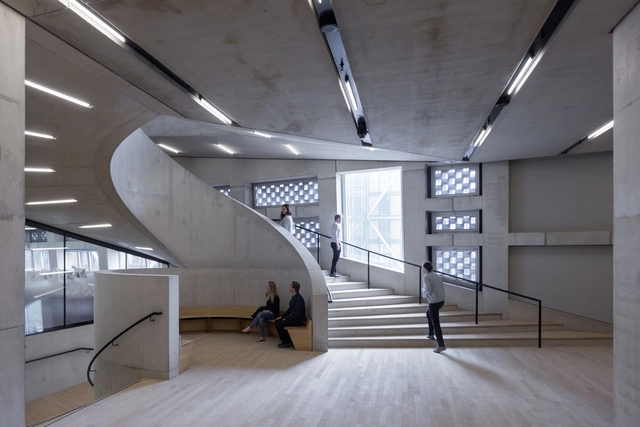
Stairs aren't only a means of vertical circulation. Through their might and scale, this building element can easily become the protagonist of a space. From afar one can observe the movement of people; from within the staircase the viewer is treated to new angles and perspectives of the building.
The prominence of staircases in the work of 2001 Pritzker Prize winners Herzog and de Meuron underscore the belief that risers and treads are never solely an element of circulation—they are generators of dynamism and rhythm that influence the essence of their projects.
We absolutely love contemporary homes not only for their smart design but their visual appeal. Architects have a way of varying their design according to several factors such as the local and historical context, customs and cultures of users. The 10 projects below are no exception: open-floor plans, clean lines, minimal clutter, and a neutral color palette...
In a country like Brazil where all these factors vary in contrasting ways, it is possible to see a diversity of projects and architectural design approach adopted to deal with the challenge of building a residence.
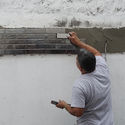
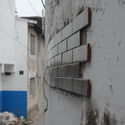
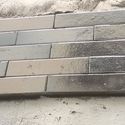
French designer, Nathanaël Abeille's metalized pieces in 'Proyecto Reflexión' shows how a building could reflect sunlight and share it with another building in some of the narrow spaces of Villa 21 de Barracas, Buenos Aires. These "metal bricks" came about as a combined team effort with architects Francisco Ribero and journalist Cecilia Fortunato.
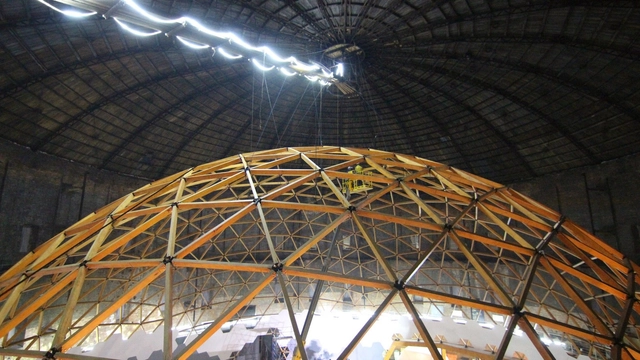
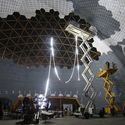
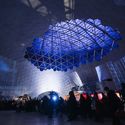
The project inscribed inside a gasholder in St. Petersburg, aims to transform an industrial area into an educational and scientific center with a large projection screen. The fun part? It is located in a large geodesic dome.
The geometric model is made up of mainly with wood and metal links for a light and resistant construction.