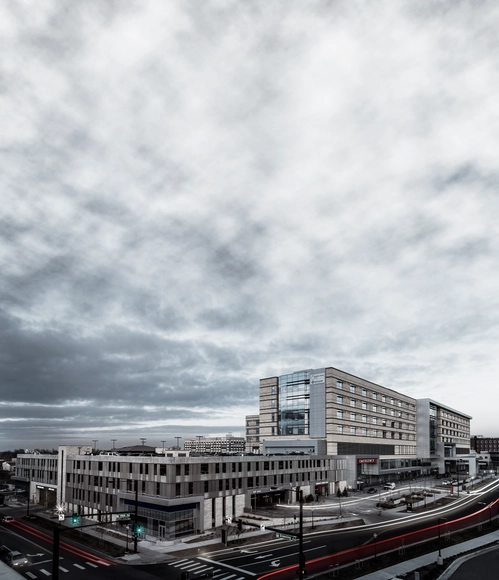
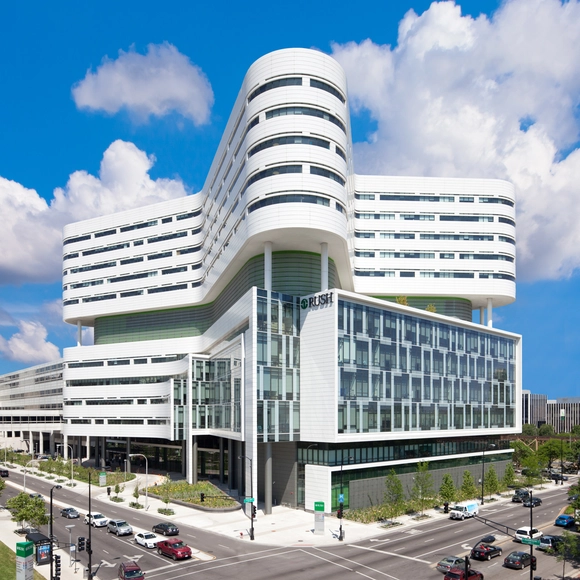
Designing and building an 831,000 square foot hospital in 30 months is no easy feat. In fact, the Denver Saint Joseph Hospital project, owned by SCL Health Systems, is actually one of the fastest hospital builds ever completed in the US. Innovative methods of design, construction and collaboration among project partners throughout all phases of the project — from planning to construction — were critical for the team to open the hospital doors on time.
“The document management was tough—a million square feet of anything is going to generate a lot of documentation,” said Dale Clingner, an associate with Davis Partnership Architects, who partnered with H+L Architecture and ZGF Architects on the project, which was built by Mortenson Construction. To avoid the type of document management confusion that could slow progress, all project partners established a tacitly agreed-upon BIM execution plan and decided to incorporate digital design review in live collaborative sessions to successfully meet the condensed timeline on or under budget.
https://www.archdaily.com/614169/how-digital-design-review-enabled-one-of-the-fastest-us-hospital-buildsSponsored Post
Daydreaming about that round-the-world trip you've been planning for years? Covering over fifty countries and seven continents, Google Street View allows you to embark on the journey from the comfort of your own desk, no passport necessary.
Learn more and view our must-see destinations for a Street View "World Tour" after the break.
A dynamic post-professional program in Emerging Systems, Technologies, & Media (ESTm) offered by the Southern California Institute of Architecture (SCI-Arc) in Los Angeles has been charged with examining core contemporary issues facing architecture and design today. Spanning topics from advanced manufacturing methodologies to new building systems, this one year Master of Design Research track allows professionals to rethink architecture and design through the experimental hands-on approach of the SCI-Arc community.
The ESTm program tests new levels of environmental performance as it prepares students to successfully integrate formal, technical, logistical, and material processes into advanced architectural designs. The program is open to graduates in architecture, engineering, product design, computer sciences and other professionals who wish to develop advanced research and design skills in light of continuously evolving materials and new production paradigms of the 21st century.
https://www.archdaily.com/611103/sci-arc-offers-emerging-systems-technologies-and-media-post-professional-programSponsored Post
Videos
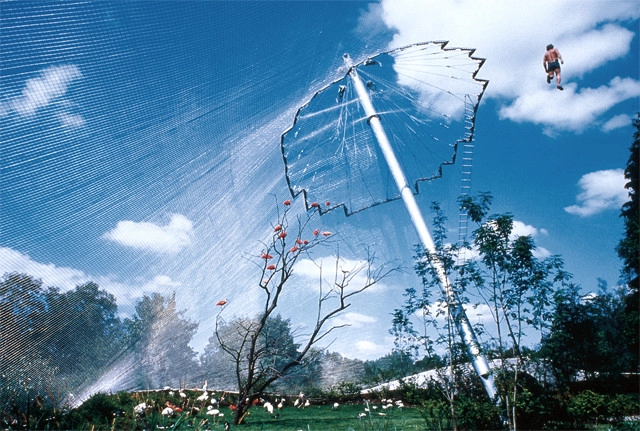
Aviary at the Munich Zoo. Image Courtesy of Atelier Frei Otto Warmbronn
“Frei Otto: Spanning the Future,” a documentary profiling the internationally renowned architect and engineer Frei Otto, has been in production since 2012. Otto, who was named the 2015 Pritzker Prize laureate on Tuesday evening (following his death on Monday night), first gained international recognition half a century ago as a pioneer in designing tensile structures using metal frames and lightweight membranes.
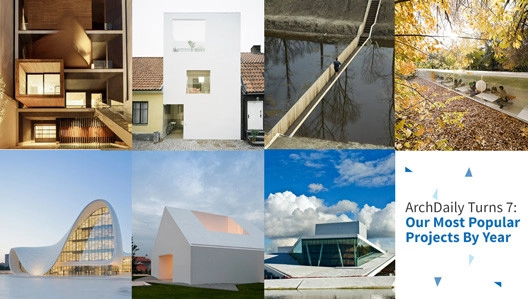
Today, ArchDaily is celebrating its seventh birthday (check out our letter to our readers and our infographic "7 Years of ArchDaily"). Our seventh birthday is a chance to reflect on our story, and to thank the readers that have helped to shape our course over the years, but of course there is one more ingredient that has helped to make us the world's most visited architecture website: great projects from talented designers all over the world. In fact as of press time, we have published 15,942 projects in total, an astonishing number that demonstrates the sheer quantity of architects out there working for a better world.
Which of these thousands of projects have had the biggest impact on you, our readers? Join us after the break as we look back at seven buildings that rose above the fray to become the most-viewed project in each of our seven years.
https://www.archdaily.com/607325/archdaily-7-years-7-most-popular-projectsAD Editorial Team
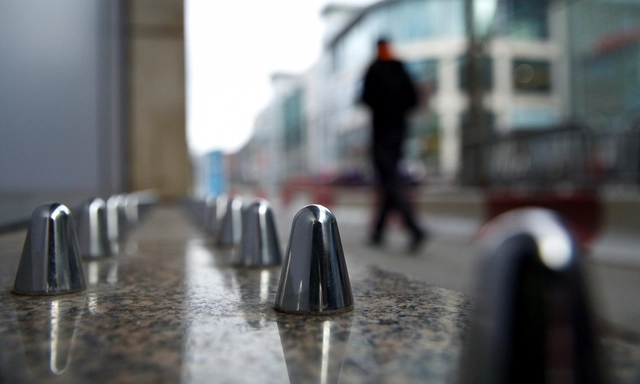
To many, the harsh turns the modern city has taken are not apparent. We see benches and bus stops that masquerade as shelters, but Guardian writer Alex Andreou's sudden plunge into homelessness opened his eyes to the hostile realities of these and other structures. In "Anti-Homeless spikes: 'Sleeping rough opened my eyes to the city's barbed cruelty'," he sheds some light on misconceptions about homelessness and explains the unfortunate trend of designing unlivable architecture to deter those affected.
Recently, national and international building codes have challenged the construction market with design-oriented goals of sustainability and energy efficiency. The increasing demand for high performance, energy-efficient buildings has led to the evolution of building enclosure designs that incorporate durability, longevity, and thermal and weather protection, and architects and building owners are now required to meet stringent energy codes, resulting in a systems approach to designing the building envelope components. As a result, fire protection and life safety issues have significantly affected the development of the fire codes, becoming an integral part of recent International Building Code (IBC) updates. A lot is now dependent on the correct usage of materials and systems, especially when it comes to the facade of a building and aluminum composite materials (ACM).
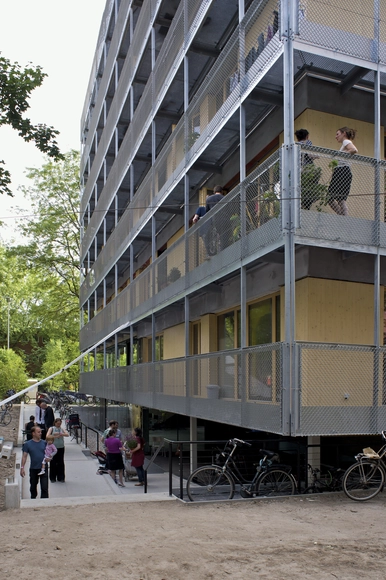
In the Spanish suburb of Alfafar, conditions were looking grim as economic hardships plunged over 40% of its residents into unemployment and left significant portions of its housing vacant. In response, a group of young architects have developed a co-housing plan for the area to accommodate its shifting needs, enabling residents to exchange and share space as needed. Using the existing buildings as the framework, the line between public and private will evolve over time with changing conditions, following in the footsteps of other European countries that have successfully employed similar undertakings. Read more about Alfafar's co-housing plan, here.
February 17 is Mardi Gras, or “Fat Tuesday,” traditionally a Catholic holiday that celebrates the last night of indulging in guilty pleasures before participating in the penitential season of Lent. Celebrated around the world with elaborate parties, parades, dancing, and other frivolities, its festivities are most famously celebrated within the United States today in the city of New Orleans, Louisiana, the site of the first American Mardi Gras.
Courtesy of Daniel Cooper - http://www.flickr.com/photos/doitintheroad/
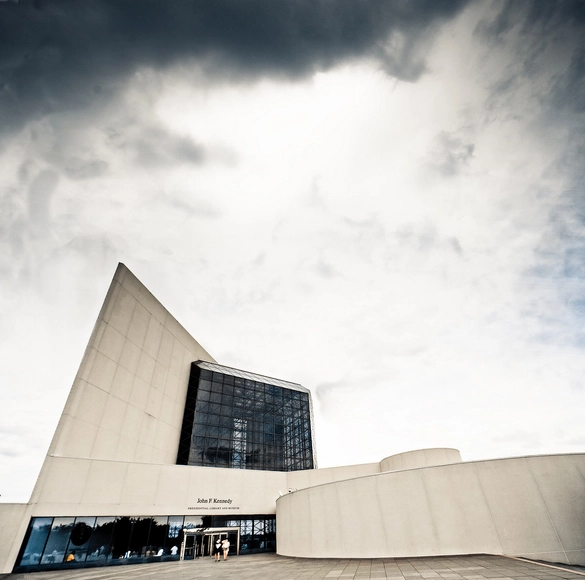
President’s day marks a moment of reflection in the United States, where citizens acknowledge the contributions of US presidents to the politics and culture of the nation. While some of these men are still with us, the majority are represented only by the monuments and buildings they left to posterity. Indeed, the legacy of a United States President has come to be embodied in a very specific type of building—a library. The last 13 presidents have commissioned national libraries to be built in their name, marking the end of their service. Libraries have also been posthumously dedicated to presidents who did not erect such monuments during their own lifetimes. In either case, recording the lives and legacies of these great men has made for some fantastic architecture. See some of our favorites, after the break!
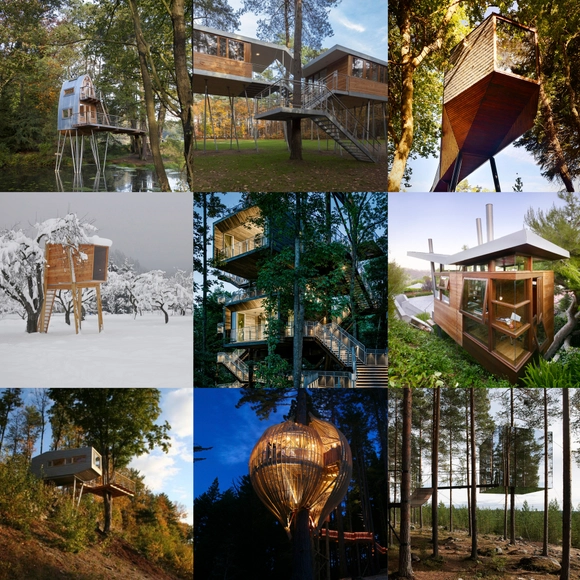
The word “treehouse” can conjure up fond childhood memories for many. As a kid, the idea of a house floating above the ground is an endless source of wonder-- and that wonder never truly goes away! Countless designers have experimented with the idea of suspending their architecture among the trees, and a large number of those projects have made their way onto our site. See nine of our favorites, after the break.
With structurally unsound bridges, unsafe dams, and derelict roads becoming increasingly common problems, infrastructure has been brought to the forefront of many political agendas. However, limited funding in this area brings to mind the question of economics: how will improvements to North America's major trading channels be made without driving the nation further into debt? This is what Jordan Golson addresses in the article, "It's Time to Fix America's Infrastructure. Here's Where to Start." Although not all of these infrastructural problems can be resolved in the foreseeable future, according to Golson, however some smaller improvements in the next few years can be a manageable starting point. Read the full article, here.
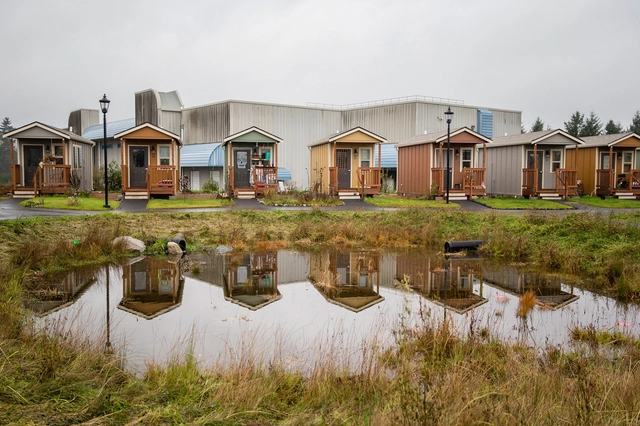
As the need for smart housing solutions rises, so does the appeal of tiny-house villages, not just as shelter for the homeless, but as a possible look to the future of the housing sector. The new article, Are Tiny-House Villages The Solution To Homelessness? by Tim Murphy, takes a closer look into the positive and negative aspects of these controversial communities, as well as their social and political ramifications so far. Through interviews with residents of several tiny-house villages, Murphy investigates the current impacts they have had on the homeless populations within major American cities, and questions how the lifestyle will evolve in the future. Read the full article, here.
Sleek, contemporary, and unapologetically eclectic, the work of Norwegian firm Snøhetta is as diverse as it is synonymous with modern Scandinavian design. Spanning everything from architecture and master planning to installation art and product and packaging design, Snøhetta's projects are characterized by the marriage of efficiency, quirky charm, and an eye for beauty. Offering a broad selection of suggestions for visitors to Oslo, Snøhetta's guide to the nation's capital is no different. Reflecting the favorite attractions of architects, artists, and brand designers from within the firm, the guide includes a windowless bar, jazz-punk band, and the Norwegian National Opera and Ballet, even encompassing the work of Oslo-based design contemporary, Element Arkitekter, in Lærernes hus. Read the rest of the seven travel selections here.
We have all visited places that linger with us long after we leave them, often drawing us back through the memories we made there. When recalling this memory of place, however, we rarely consider malls to be evocative of such powerful emotional connections. A recent article from The Huffington Post argues that these common shopping centers can incite some of the deepest nostalgia. "Why I'm Mourning The Death Of A Mall" delves into the connection between malls and their inherent qualities of independence, community, and growth, and encourages us to view them from a different perspective, as our increasingly technology-centric society may make the mall a thing of the past. Read the article, here.
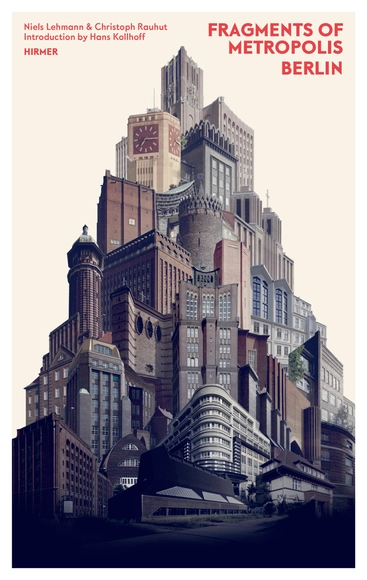
Despite being born in the same era, Expressionism embodies an entirely different architectural sensibility to other proto-modernist movements like the Bauhaus. Its complex forms marked the creation of what we know as the modern metropolis and became one of the iconic architectural styles of the Roaring Twenties. Throughout Europe, over 1,000 expressionist buildings remain standing, yet many are forgotten and not properly preserved.
For the past four years, Niels Lehmann and Christoph Rauhut have been working to document these surviving expressionist landmarks, following their previous book “Modernism London Style.” Their new book, “Fragments of Metropolis – Berlin” presents 135 remaining expressionist buildings in Berlin and the surrounding area, and with your help this incredible collection documenting the landmarks of expressionism will be published, with colorful photography and detailed maps revealing their exact locations. Follow this link to become a supporter and learn more, or continue after the break to see a selection of images from the book.