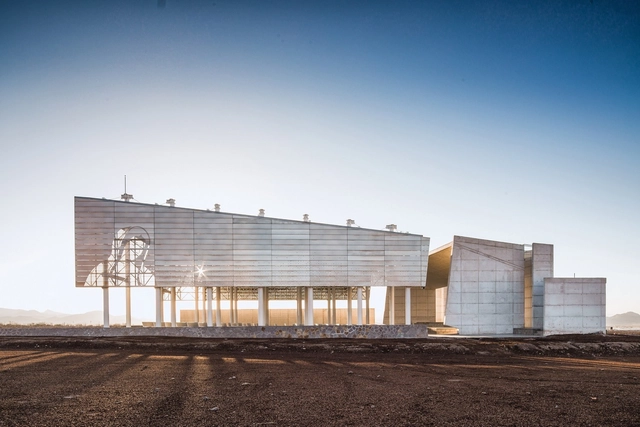
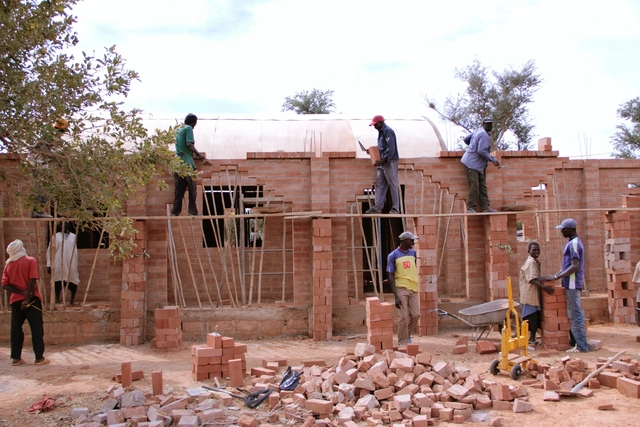
Around the world, a new generation of architects are challenging “business-as-usual” and bringing change to populations who had formerly no access to their professional services. This article is the first in a series to introduce this new practice that brings transactional client relations into more profound, trust-based collaborations. We call it Do-It-Together architecture.
https://www.archdaily.com/957060/why-the-new-do-it-together-architecture-has-radical-potentialArchitecture in Development
Home automation has long been associated with high costs, a burdening assembly time, and a cumbersome process that impelled us to discard the idea of automating projects. However, these days are long gone.
With lower costs and easier assembly, today, developing a new project without home automation seems somewhat absurd. Below, with the help of AVE Chile, we've compiled a series of tips to help you incorporate domotics into your next project.
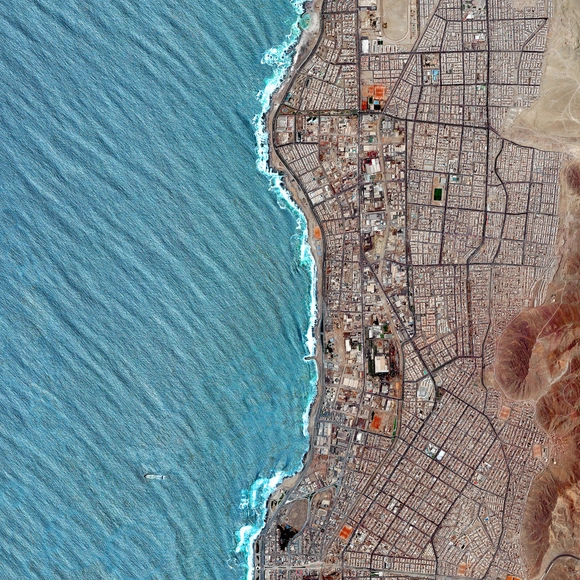
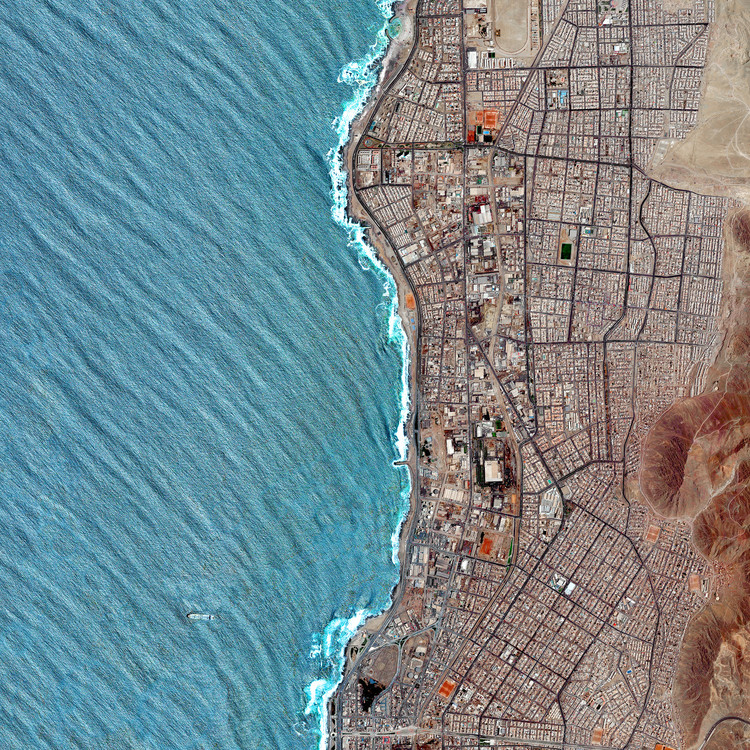
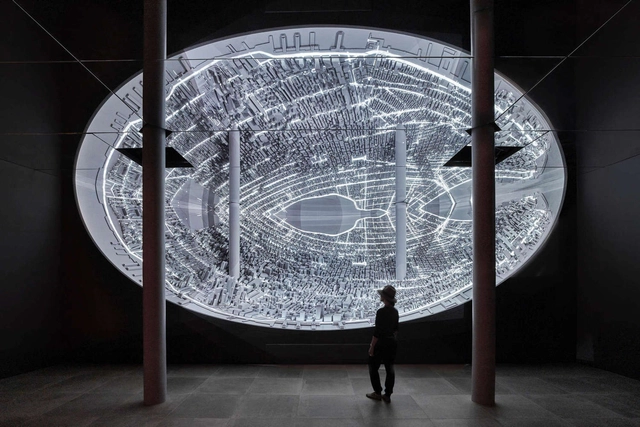
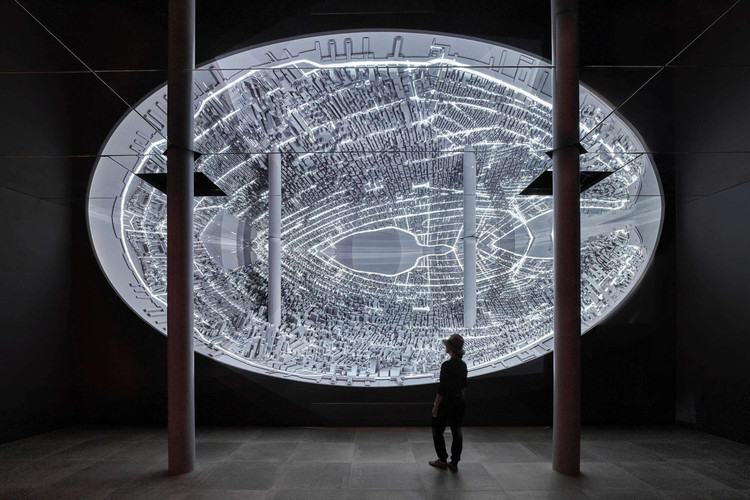
Antofagasta, Chile. Created by @overview. Source imagery: @maxartechnologies
“There seems to be a public image of any given city which is the overlap of many individual images," American urban planner Kevin Lynch once said. "Or perhaps there is a series of public images, each held by some significant number of citizens,” he added.
Following this remark, in his book "The Image of the City" (1960), Lynch begins an analysis around the elements that constitute what he considers to be the image of the city. While introducing, describing, and illustrating these elements as physical, perceptible objects, Lynch considers that other non-physical factors such as history, function, or even the name of the city also play a significant role in the construction of this imageability.
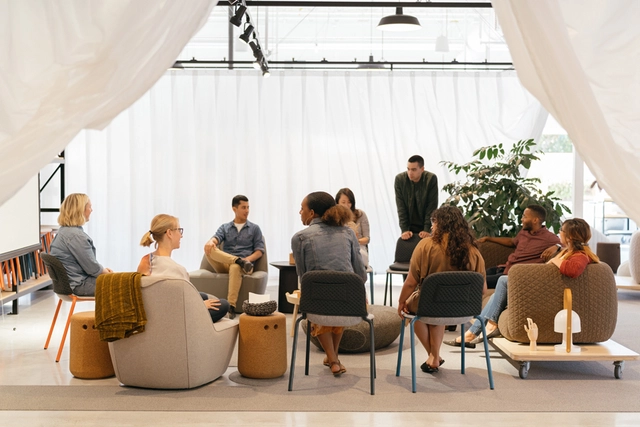
“Change drives innovation. We must continually evolve into what a successful workplace looks like,” said Nicole Senior, director of workplace experience, Tinder. Change, innovation and human connection were topics of prominence in a December 17 Think Tank, hosted by Rapt Studio, and titled “Looking Back, Looking Forward: Workforce Lessons for 2021.”
Do you feel vulnerable as you walk through public spaces? If you are a woman, the odds of answering yes to this question are certainly greater since men are less likely to choose a longer route only to avoid a dark section of the street, or to ponder on what clothes to wear so that they do not feel exposed in public. In this sense, it seems almost obvious that cities designed by men should be perceived as threatening environments, rather than a place where women feel welcome. So, to imagine egalitarian cities, should we persist in a reflection of a gender-oriented approach?
https://www.archdaily.com/956585/how-can-gender-impact-the-future-of-urban-lifeCamilla Ghisleni e Victor Delaqua
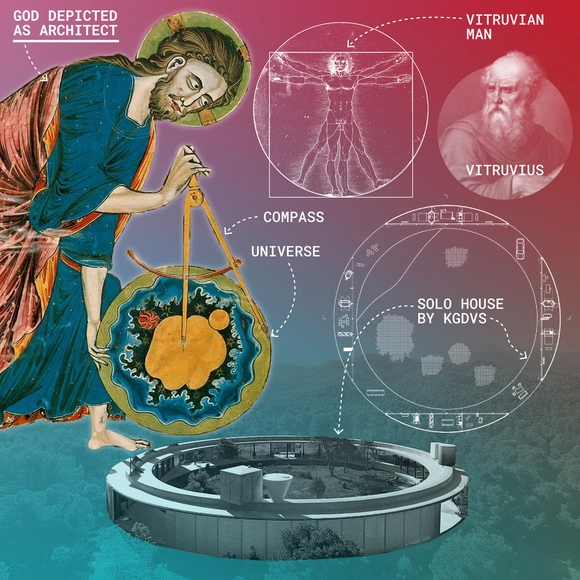
Geometry is a language and a portal that allows objects to pass between the physical world and the world of drawing, abstraction, and language. How does stepping through this portal leave an imprint on the buildings we design and build? Architects and theorists like Vitruvius, Alberti, and Le Corbusier all believed that geometry was an important key to architecture’s understanding and design. Is that as true today as it was then? The tools of the architect have changed, has their relationship to geometry changed as well? In this video, we explore why and how geometry is so important to architecture as well as some different approaches to the use and expression of its most indelible principles.
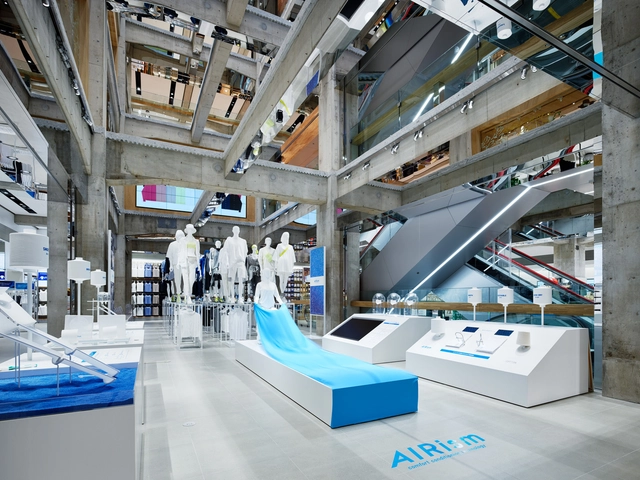
You might be surprised by this, but the days of shopping in stores are long from over-, in fact, they’re experiencing a renaissance, and are creating a whole new type of design and experience to bring consumers back through the doors. The rise of e-commerce and the pause caused by the COVID-19 pandemic have served as a perfect catalyst for creating a whole new type of experience through unique design features, technological advancements, and customization that will revitalize physical stores in the future.
From the hills behind the City Hall in my adopted hometown of Ventura, California, it’s less than 1,000 yards southward to the Pacific Ocean. This constrained piece of topography creates a small urban gem of a downtown: streetscapes, restaurants, stores, offices, residences, parking garages, and a beachfront promenade, all within eight or so square blocks, creating a lively streetlife that connects a historic downtown to the beach.
Ascent’s three-dimensional slats rise and fall, and curve and straighten, with an artistic randomness rarely seen outside nature. Like a snake hypnotising its prey, these seamless and sinuous lines offer a mesmerising encounter. Image Courtesy of Green Furniture Concept
Placemaking practitioners Green Furniture Concept enrich hectic public spaces with harmony and wellbeing. Their latest modular, sustainable seating system, Ascent, combines nature and geometry – resulting in truly enhanced sitting.
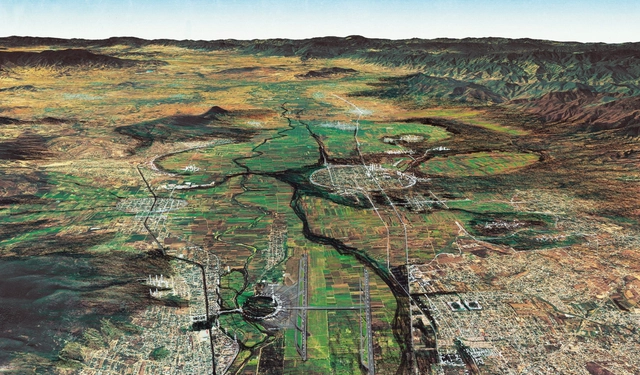
When looking at the population of the world's metropolises, in this case Mexico City, the reality is that the majority of the people living there have migrated from other regions of the country and, sometimes, from other countries as well. Of course, thanks to the Covid-19 pandemic, companies and schools have gone virtual, and, with their work and studies no longer tied to urban centers, people have left in masse for the coast and other less populated areas in search of space and lower living costs.
FOUN’TA’SY. Image Courtesy of Public Housing Enterprise J.S.C
Looking at the urban environment, this week’s curated selection of the Best Unbuilt Architecture highlights interventions in public spaces, submitted by the ArchDaily Community. Suitable for this monthly topic, the article underlines worldwide approaches that tackle the challenges of these areas through the introduction of innovative solutions.
Exploring a multitude of methods fitting for different contexts, this feature presents a tactical urban strategy implemented in a neighborhood in Kosovo and micro-mobility measures in Italy. Other projects evoke public approaches in private developments and enhanced historical and cultural connections between parks, buildings, and cities. In addition, this roundup showcases conceptual interventions that tackle social distancing and the challenges of the pandemic, in order to allow people to move freely and safely across space.
In Her, a 2013 film directed by Spike Jonze, a lonely writer develops a love affair with the virtual assistant of an operating system. Brave New World, a book written in 1932 by the English author Aldous Huxley, fabricates a dystopian society whose cult of efficiency and rationality creates a humanity that ignores hardship and pain but also represses love and freedom. In Mary Shelley's 1818 book Frankenstein, considered the first science fiction novel, a life is artificially created, producing a monster with human characteristics: wills, wishes, and fears. Whether describing the fear of artificial intelligence, the uncertainty produced by industrialization, or the limits of science, science fiction works reveal less about the future and much more about the moment in which they were created; they speak of the fears and hopes of their own time.
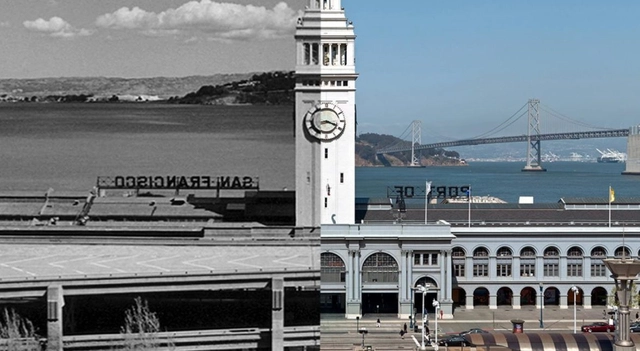
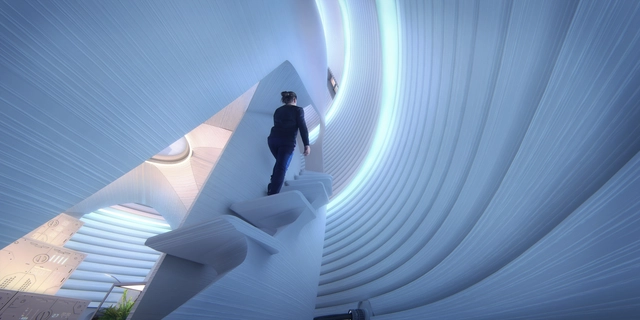
When we explore urban visions of the past anticipating the future, it is common to find exaggerated and even funny predictions. As for the promises of architecture and, consequently, of our cities, it is not an easy task to predict future developments clearly either. By looking at industry trends and using all of our imaginations, could we tell what cities will be like in tens or hundreds of years? Their materials, their appearance, their way of building and thinking? Will it be a more pristine and minimalist future or a more organic and complex future? How will new technologies and building materials affect the shape, aesthetics, and prosperity of the cities of tomorrow?
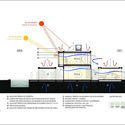
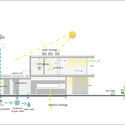
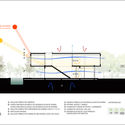
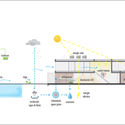
The principles of bio-climatic architecture, when applied with an understanding of the surrounding climate and geography, can simultaneously increase a building's efficiency and create a more comfortable living space. Passive measures like solar panels, rainwater and grey water harvesting, openings for natural light, and cross-ventilation are all low-cost, high yield methods of increasing a home's thermal comfort and efficiency and decreasing its carbon footprint.
Are machines capable of design? Though a persistent question, it is one that increasingly accompanies discussions on architecture and the future of artificial intelligence. But what exactly is AI today? As we discover more about machine learning and generative design, we begin to see that these forms of "intelligence" extend beyond repetitive tasks and simulated operations. They've come to encompass cultural production, and in turn, design itself.
With the major happenings of the past year, our built environment and people’s needs within it seemed to change. Different ways of Architectural thinking and design solutions were put forth, showing how global events are capable of pushing the limits of the profession, increasing our responsibility, and also our opportunities to contribute to a better quality of life in every possible way. At ArchDaily, we have continued to connect with architects and designers from all over the globe and have shared diverse works, all displaying relevant implementations and architectural solutions that have an impact on our community.
In response to the published works, we have experienced different reader behaviors that indicate how architectural production can actually have an impact on designers and non-designers all over the world. This led us to create ArchDaily’s Annual Architecture Report which analyzes the most popular trends and topics in the architecture world over the past year, in an effort to understand, discuss and forecast the trends for 2021.
Coast Whale Chapel / Jinyu Zhang. Image Courtesy of A' Design Awards
If you’ve been procrastinating, now is your last chance to enter your design for an A’ Design Award before the deadline on February 28. The international competition was "born out of the desire to underline the best designs and well-designed products" of designers, architects, and innovators from all design fields. Among other design competitions and awards, the A' Design Award stands out for its exceptional scale with over 100 design categories.
Chihuahua is a Mexican state in the northwest region of the country, sharing a border with Coahuila, Durango, Sinaloa, and Sonora as well as the US states of New Mexico and Texas. Chihuahua's largest urban center is Ciudad Juárez, an industrial hub situated on the U.S.- Mexico border right across from El Paso, Texas. Throughout the years, Juarez's economic landscape has been dominated by the maquilladora industry and, thanks to the crime wave between 2008-2012, it earned a spot on the list of the world's most violent cities.
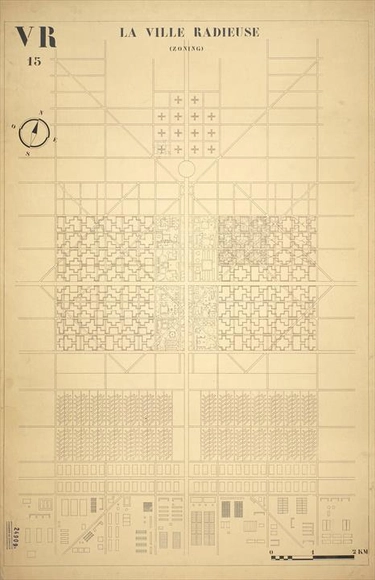
The Master Plan of the Radiant City. Image Courtesy of LE CORBUSIER FOUNDATION
Throughout history, religious reformers and visionary starchitects have attempted to envision the future of our cities: from the Venetian model city of Palmanova to the multi-story housing complex for 5,000 people drafted by Italian architect Paolo Soleri, from Frank Lloyd Wright’s Broadacre City to Le Corbusier’s Radiant City, numerous masterplans have been crafted to illustrate some of the most unprecedented ambitions.


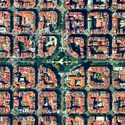
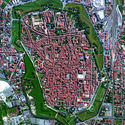
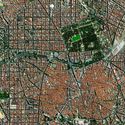
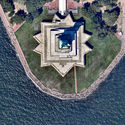


.jpg?1612920265&format=webp&width=640&height=580)
.jpg?1611548432 "Santa Fe, Mexico City. Image © Johny Miller")
_22.43.53_(1).jpg?1611548822 "Mexico City During the COVID-19 Pandemic. Image © Santiago Arau")

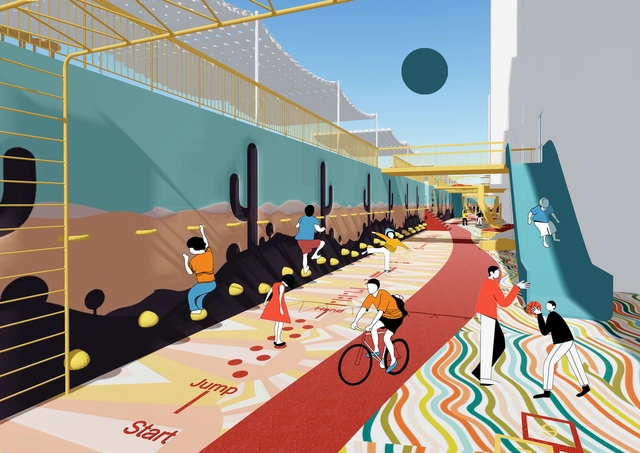
(%C2%A9minorormajor).jpg?1612954566 "Oasis-Playground. Image Courtesy of Studio Minorormajor")







.jpg?1612319093&format=webp&width=640&height=580)


.jpg?1612319093)