The Second Studio (formerly The Midnight Charette) is an explicit podcast about design, architecture, and the everyday. Hosted by Architects David Lee and Marina Bourderonnet, it features different creative professionals in unscripted conversations that allow for thoughtful takes and personal discussions.
A variety of subjects are covered with honesty and humor: some episodes are interviews, while others are tips for fellow designers, reviews of buildings and other projects, or casual explorations of everyday life and design. The Second Studio is also available on iTunes, Spotify, and YouTube.
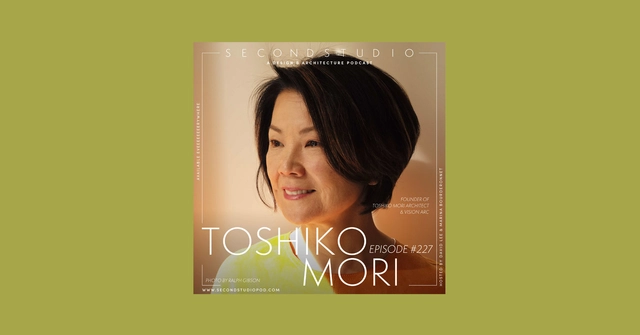
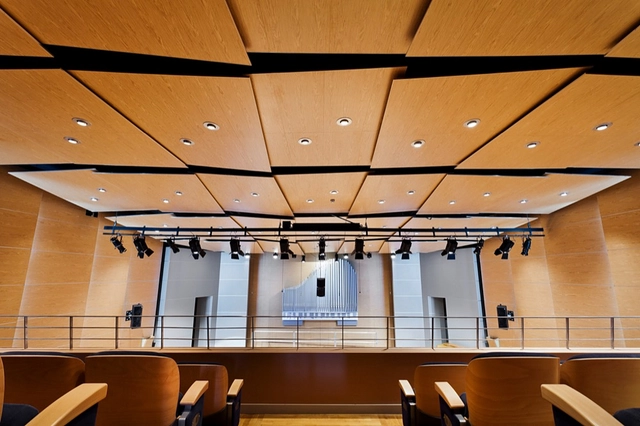
This week David and Marina are joined by Architect Toshiko Mori to discuss her moving from Japan to New York City at a young age, attending The Cooper Union for Art and Architecture, starting her own practice and VisionArc, witnessing the 9/11 attack, her design process, creating a temporary concert hall, and more.
https://www.archdaily.com/962165/the-second-studio-podcast-interview-with-toshiko-moriThe Second Studio Podcast
This video uses the architect character from the movie Indecent Proposal — named David Murphy and played by Woody Harrelson — to offer professional practice tips. David Murphy engages in a series of risky business practices and repeatedly makes decisions that lead to glaring firm mismanagement. However, his most egregious oversight, and the real ‘indecent proposal’ is meeting a billionaire without cultivating him as a client. This error in judgement leads the wealthy businessman, played by Robert Redford, to purchase Murphy’s design right out from under him. In addition to the practical lessons for avoiding these pitfalls, the video also offers a character analysis that breaks down fundamental principles of Deconstructivist Architecture and other architectural references from the movie.
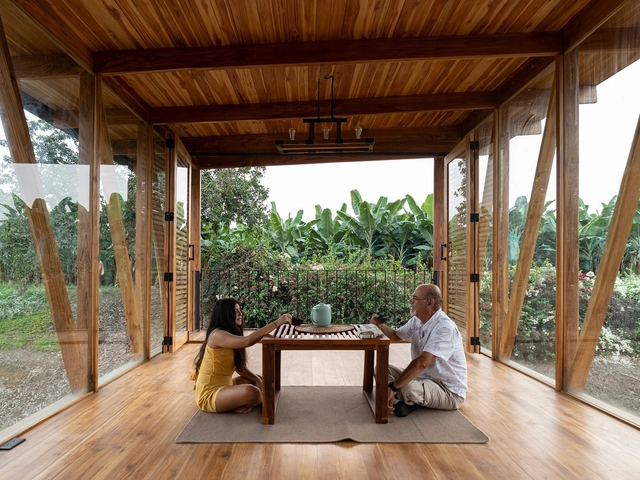
Chashitsu, which is the Japanese term for a teahouse or tea room is a construction specifically designed for holding the Tea Ceremony, a traditional Japanese ritual in which the host prepares and serves tea for guests. Teahouses are usually small, intimate wooden buildings, where every detail is intended to help withdraw the individual from the material disturbances of the world.
https://www.archdaily.com/962113/teahouses-reinterpretation-of-traditional-spacesClara Ott
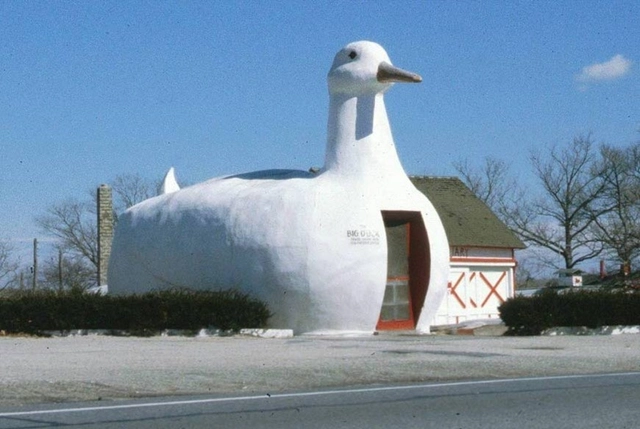
Design can sometimes be mundane- except when it’s novelty architecture. These buildings uniquely and identifiably break away from the abstract, metaphorical, and often monotonous buildings that have classified modern-day design. Instead of favoring the steel and glass skyscrapers that serve as landmarks in cities around the world, they aim to poke fun at architecture in a way that’s jovial, commercial, and perhaps slightly more functional and expressive. Unlike other buildings, they are the literal embodiment of a thing itself, putting its function widely on display instead of hiding it within four austere walls.
If you live in an apartment, you may unintentionally know the details of your neighbor's life by overhearing conversations through your shared walls. Or you keep awake when the dog that lives in the apartment above decides to take a walk in the middle of the night. If so, you may live in an apartment with inadequate sound insulation in its walls and/or slabs. As cities grow increasingly dense and builders seek to increase their profit margins, it is not uncommon for acoustic comfort to be overlooked in many architectural projects. When the resulting noise is excessive or unwanted, it impacts the human body, the mind, and daily activities. While not all spaces need to seal all types of sound, creating spaces with an adequate degree of soundproofing improves the quality of life of all users.
Exploring the question of slavery in Architecture, the building materials and the construction industry, Michael J. Crosbie interviews Sharon Prince, the women behind Design for Freedom, discussing the initiative's report "on the pervasive use of slavery in the design and construction industry, and how design professionals can respond".
https://www.archdaily.com/962116/architecture-and-the-stain-of-modern-day-slaveryMichael J. Crosbie
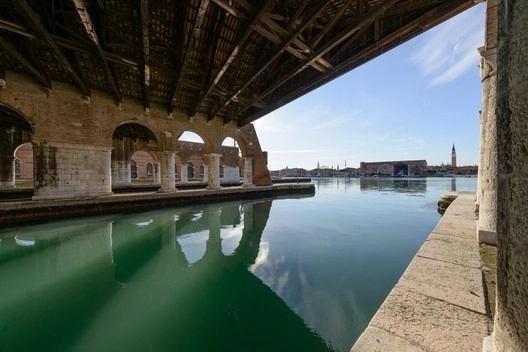
Coming soon. Visions from the minimum territory ("Próximamente") is the title of the Uruguay Pavilion at the Venice Biennale 2021, which will take place between May 22 and November 21, 2021.
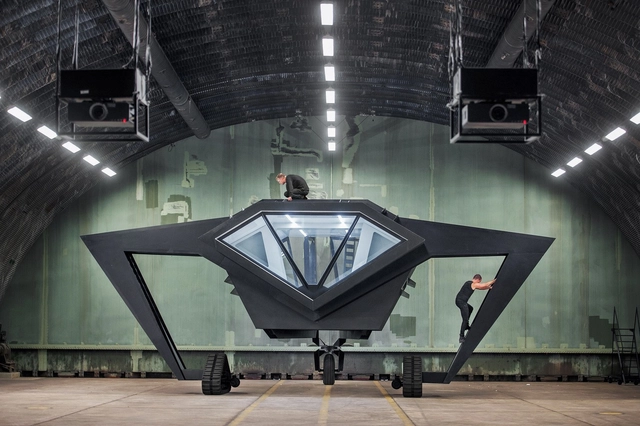
Aviation architecture has radically transformed. While airports themselves have grown to accommodate countless programs and increasingly higher traffic volumes each year, modern building projects are going beyond this familiar typology to explore the nature of hangars, airfield taxonomy and reuse. While airports have really only emerged within the last century, aviation has captured the imagination of designers for centuries. Today, contemporary aviation designs are being conceptualized as explorative and creative works.
The Ministry of Culture of the Government of Mexico and the National Institute of Fine Arts and Literature (INBAL) have unveiled the Mexican pavilion at the Venice Biennale 2021 entitled Displacements("Desplazamientos"), a curatorial work led by Isadora Hastings, Natalia de La Rosa, Mauricio Rocha, and Elena Tudela.
https://www.archdaily.com/961998/mexican-pavilion-at-the-2021-venice-biennale-explores-the-value-of-mexican-contemporary-architectureArchDaily Team
Yes, we know. We have been talking a lot about carbon. Not only here, but everywhere people seem to be discussing the greenhouse effect, carbon dioxide, fossil fuels, carbon sequestration, and several other seemingly esoteric terms that have increasingly permeated our daily lives. But why is carbon so important and why do we, as architects, architecture students, or architecture enthusiasts, have to care about something that seems so intangible?
Open Village Cinema / Shimu Wang. Image Courtesy of A' Design Award & Competition
A' Design Award & Competition is the worlds' largest annual juried design competition that honors the best designers, architects, and design-oriented companies worldwide to provide them with publicity, and recognition. The A' Design Accolades are organized and awarded internationally in a variety of categories ranging from industrial design to architecture. Every year projects that focus on innovation, technology, design, and creativity are awarded the A' Award to push them further towards success.
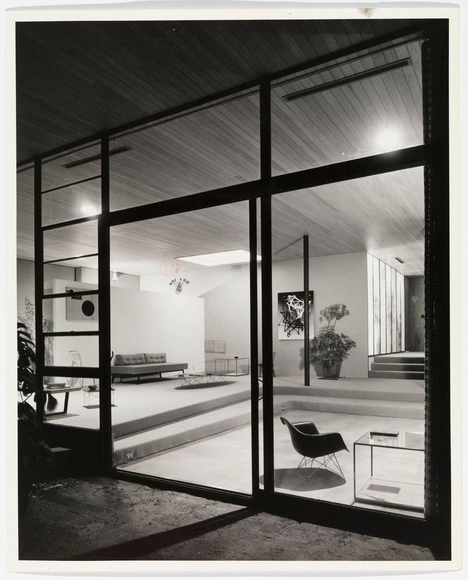
The Case Study Houses (1945-1966), sponsored by the Arts & Architecture Magazine and immortalized by Julius Shulman’s iconic black-and-white photographs, may be some of the most famous examples of modern American architecture in history. Designed to address the postwar housing crisis with quick construction and inexpensive materials, while simultaneously embracing the tenets of modernist design and advanced contemporary technology, the Case Study Houses were molded by their central focus on materials and structural design. While each of the homes were designed by different architects for a range of clients, these shared aims unified the many case study homes around several core aesthetic and structural strategies: open plans, simple volumes, panoramic windows, steel frames, and more. Although some of the Case Study Houses’ materials and strategies would become outdated in the following decades, these unique products and features would come to define a historic era of architectural design in the United States.
https://www.archdaily.com/961900/how-did-materials-shape-the-case-study-housesLilly Cao
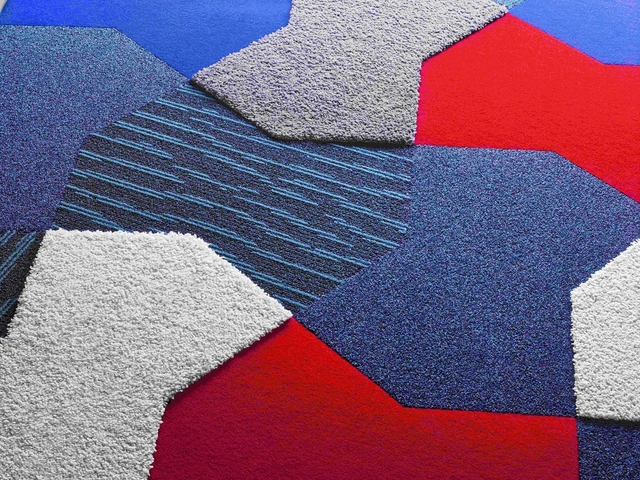
Floor designs with the free-form tile Tie present a visual highlight through the combination of structures and colours, and fulfil demands for both the highest quality and sustainability in equal measure. Image Courtesy of Vorwerk
Vorwerk flooring’s acoustic-tile system offers almost limitless combination possibilities, while its online configurator makes the creation of room concepts clear and uncomplicated.
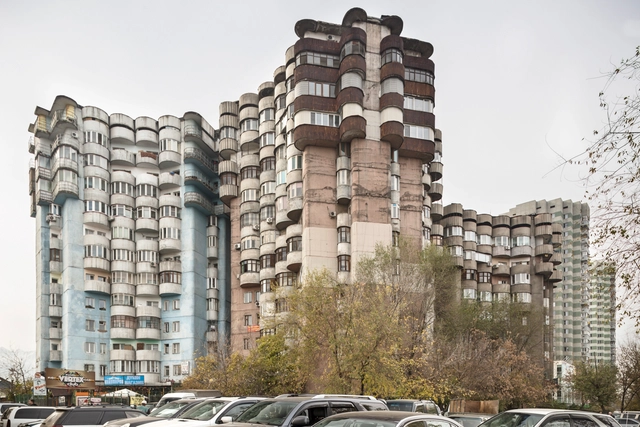
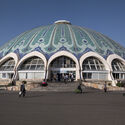
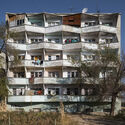
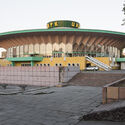
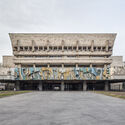
In the second half of the 20th century, Soviet architecture has spread a common aesthetic across highly diverse environments, being an integral part in promoting the totalitarian ideology that disregarded local cultures, envisioning a unified, homogenous society. Nevertheless, in practice, the architecture proved itself susceptible to adaptations and local influences, perhaps nowhere more than in Central Asia. The article looks at the architectural heritage of a geographical area largely excluded from the Western-centric narratives on Soviet Modernism, encouraging a re-reading of a layered and nuanced urban landscape, with images by Roberto Conte and Stefano Perego.
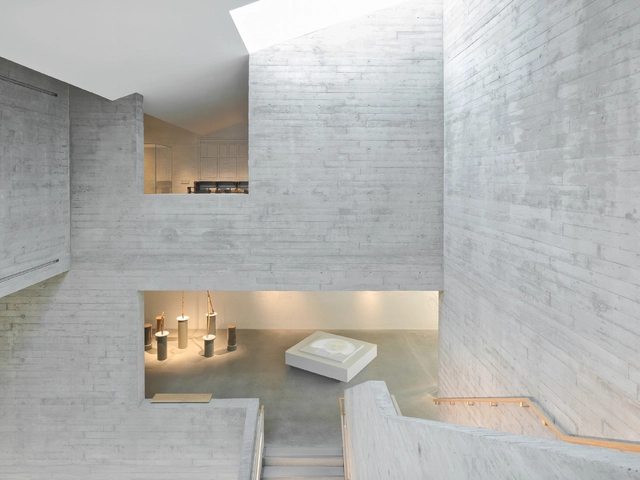
Lighting design for exhibition spaces in museums can be quite challenging because light must simultaneously enhance the space, preserve the integrity of the artworks and highlight them in a way that ensures the best conditions for the visitor's enjoyment.
In addition to having the highest CRI (Color Rendering Index), daylight contributes to a feeling of comfort and well-being in the built environment. In exhibition spaces, natural lighting is important to accurately reveal the colors of the objects on display, which is very significant for works of art and provides more visual comfort for visitors to clearly perceive the exhibits.
For its latest collection, London-based manufacturer CTO Lighting found inspiration in Belgium, and in particular the city of Antwerp, from where the collection derived both its aesthetic and its name.
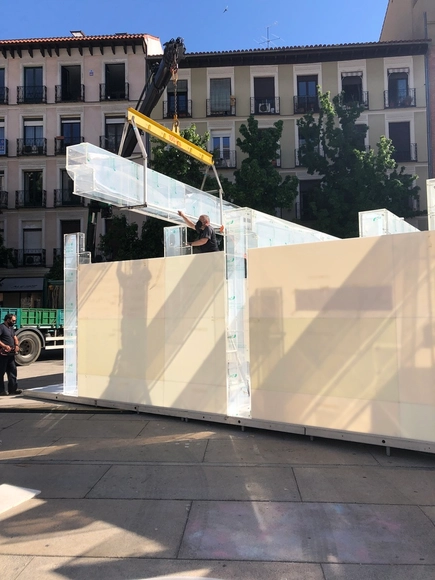
Plastic is an incredible material. The big problem with it is how we are using it and discarding it in nature. It was with this idea in mind that The Plastic Museum was created: to show the vital role that plastic plays in our lives and the possibilities that its reuse and recycling offer. Opened in Madrid on May 8, it not only contains plastic but was built entirely from this material. Through the artifacts displayed inside, including objects for health care, communication, construction, food, and sustainable mobility, the visitor will learn about the essential functions that plastic provides us when used correctly.
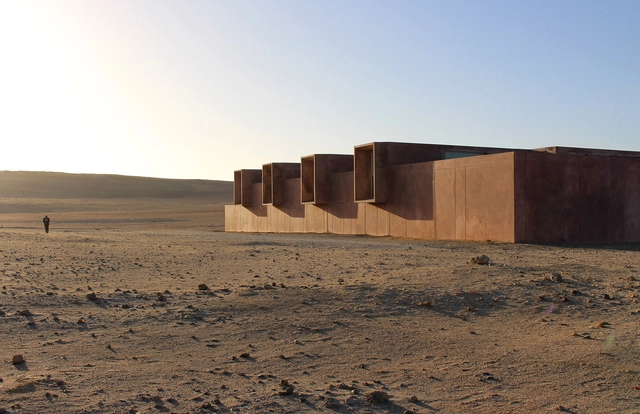
Peru is home to a wide range of new cultural architecture. Strongly tied to the country’s megadiverse geography, Peru’s modern projects reinterpret past building techniques. Taking inspiration from the vernacular and varied landscapes, these contemporary buildings arise from long traditions rooted in ancient cultures and civilizations.







.jpg?1566868902 "Cortesia de Hunter Douglas Architectural")