

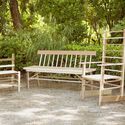
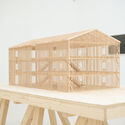
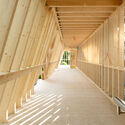
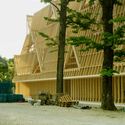
The 17th Venice Architecture Biennale debuted last week, showcasing a diverse and inspiring array of possible answers to the question “How will we live together”. Despite the many hurdles inflicted by the pandemic, this year’s edition of the event broadens the scope and reach of the Biennale, restating its role as a platform for inquiry, exploration, and disruptive thinking in architecture. Archdaily had the opportunity to meet in Venice with one of the co-curators of the US Pavilion, architect, author, and University of Illinois professor Paul Andersen, to discuss the idea behind the Pavilion and how it reflects the overarching theme of the Biennale.
Articles
"Wood Framing is Both an Egalitarian and Open System": In Conversation with US Pavilion Curator Paul Andersen at the 2021 Venice Architecture Biennale

https://www.archdaily.com/962480/wood-framing-is-both-an-egalitarian-and-open-system-in-conversation-with-us-pavilion-curator-paul-andersen-at-the-2021-venice-architecture-biennaleAndreea Cutieru
Vaulted and Arched Ceilings in Argentine Houses: Examples Using Brick, Wood, and Concrete


A vault is a constructive technique that is achieved by compressing the materials forming it together. While this technique has existed since the time of the ancient Romans, certain types of vaulted ceilings, such as the Catalan or Valencian timbral vault, only reached popularity in some areas of the world at the start of the 19th century thanks to their lost cost and ready availability. With the ability to span over 30 meters and add substantial height to structures, vaulted ceilings became a go-to for the construction of industrial spaces such as workshops, factories, and warehouses.
https://www.archdaily.com/961183/vaulted-and-arched-ceilings-in-argentine-houses-examples-using-brick-wood-and-concreteBelén Maiztegui
A Visual History of New York Told Through Its Diagrams, Maps and Graphics
This article was originally published on Common Edge.
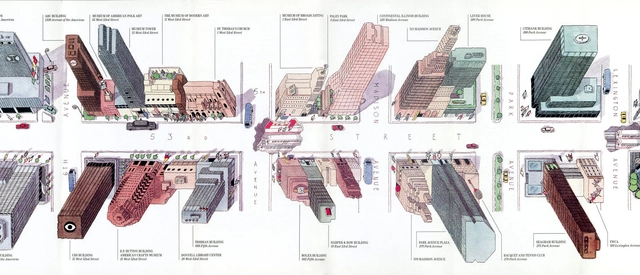
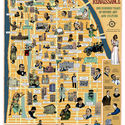
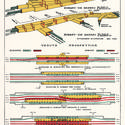
Martin Pederson interviewed this week Antonis Antoniou and Steven Heller, author of Decoding Manhattan, a new book that compiles over 250 architectural maps, diagrams, and graphics of the island of Manhattan in New York City, talking about the origin story of the book, the process of research, and the collaboration.




https://www.archdaily.com/962481/a-visual-history-of-new-york-told-through-its-diagrams-maps-and-graphicsMartin Pedersen
Urban Visions: How India is Shaping the Future of Housing
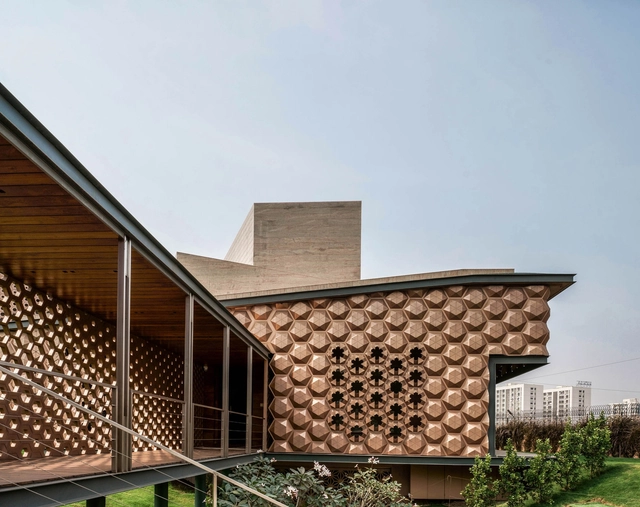
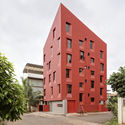
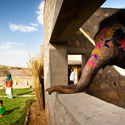
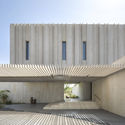
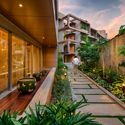
India is rethinking the future of housing through new typologies. Defined by historical and cultural influences, the country's contemporary architecture centers on discussions of how best to modernize. Built over millennia, India's housing projects are made to address diverse scales, programs and functions. Exploring a revitalized urban landscape, these modern housing projects have begun to set a new tone for the future.

https://www.archdaily.com/942212/urban-visions-how-india-is-shaping-the-future-of-housingEric Baldwin
What Is Placemaking?
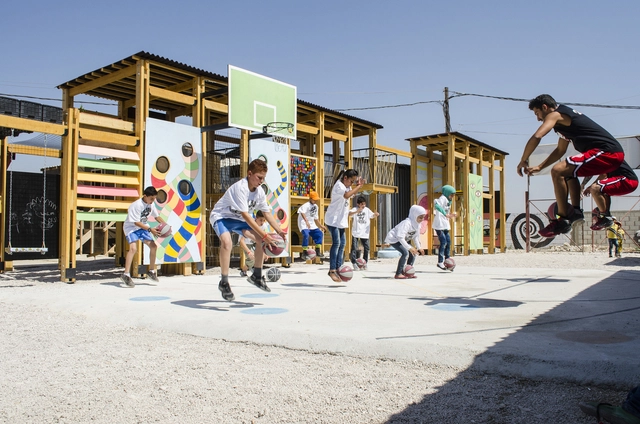
The terms space and place are often used interchangeably, but they can mean different things depending on the context in which they are used. Placemaking shows that the creation of places transcends the material dimension and involves aspects such as sociability, uses, activities, access, connections, comfort, and image, to create bonds between people and a sense of place.


https://www.archdaily.com/961333/what-is-placemakingSusanna Moreira
The Newest Addition to Harvard University’s Campus Is a Paragon of Sustainability
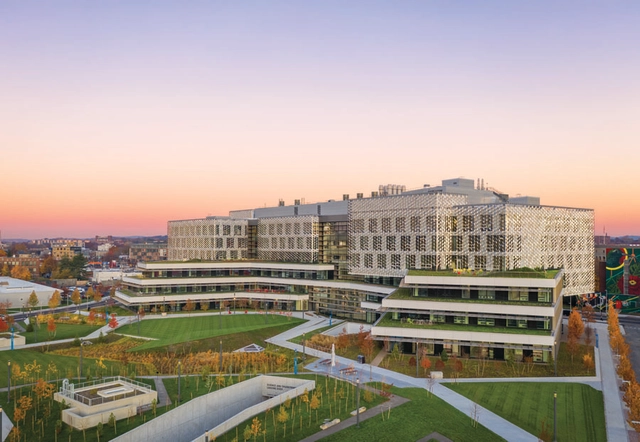
The massive new hub for lab research, by Behnisch Architekten, marks a new chapter of sustainable construction and campus planning. James McCown explores in his article originally published on Metropolis, Harvard's latest addition in the Boston campus, the new Science and Engineering Complex (SEC) designed by German-based firm Behnisch Architekten and centered on sustainability and well-being.

https://www.archdaily.com/962291/the-newest-addition-to-harvard-universitys-campus-is-a-paragon-of-sustainabilityJames McCown
Lighting Like Fire: The New Pendulum Collection by CTO Lighting
| Sponsored Content

For its new Pendulum collection, CTO Lighting has teamed up with AD100 designer Dan Yeffet, for an Anglo-French collaboration that celebrates ‘a shared vision of materiality and pure form.’
https://www.archdaily.com/962234/lighting-like-fire-the-new-pendulum-collection-by-cto-lightingArchitonic
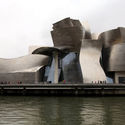
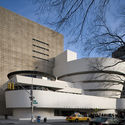
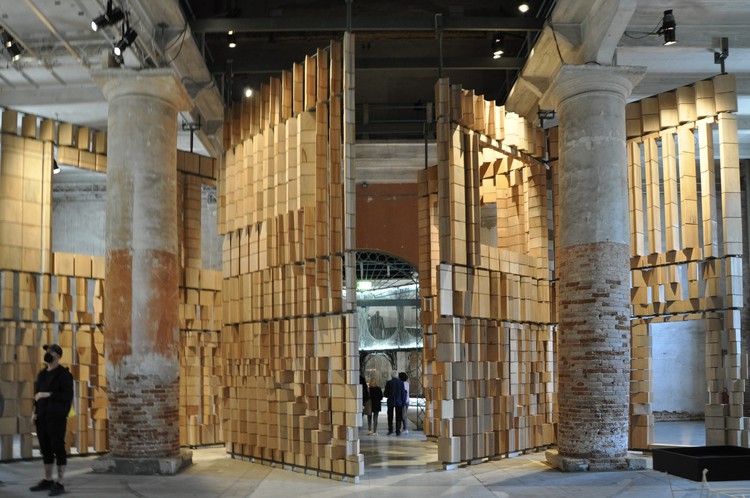
Architecture and Design Post-Pandemic: 18 Museums and Exhibitions that have Reopened to the Public
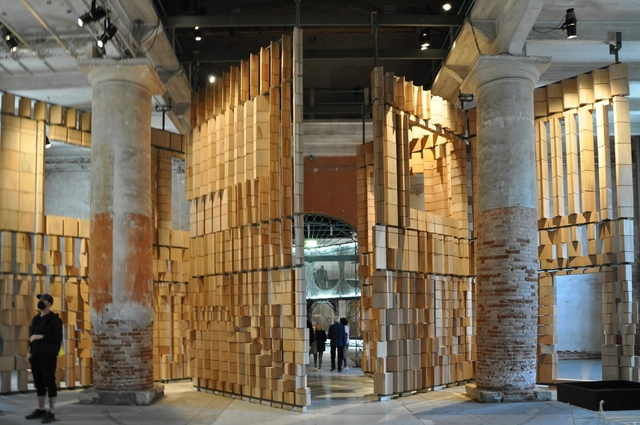
After being shut down for more than a year, museums across the world are beginning to show signs of reopening. Most architecture and design events that were scheduled for 2020 have been pushed a year or two, depending on the severity of the pandemic in their respective regions. But while museums are open to the public once again, administrators have installed numerous precaution measures to ensure the safety of visitors and curators, and to avoid potential re-closures.
As international travels have been revived by government officials, and tourism is expected to recover gradually, read on to discover 18 museums and exhibitions that have begun welcoming visitors into their exhibition spaces as of May 2021, and the procedures required from the attendees before and during visitations.
https://www.archdaily.com/962283/architecture-and-design-post-pandemic-19-museums-and-exhibitions-that-have-reopened-to-the-publicDima Stouhi
Responsibly-Sourced and Bespoke: Wooden Parquet Flooring by Foglie d'Oro
| Sponsored Content
Italian manufacturer Foglie d'Oro brings high-quality, responsibly sourced materials and precision craftsmanship together with as much expertise as the elements in its high-end parquet floors.
https://www.archdaily.com/961891/responsibly-sourced-and-bespoke-wooden-parquet-flooring-by-foglie-doroArchitonic
Materials at the Intersection of Nature, Technology, Art and Architecture
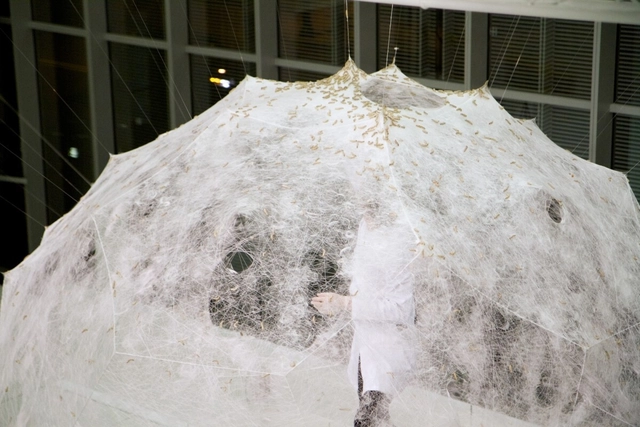
Popularly known as the lotus, the aquatic species Nelumbo nucifera has a useful particularity. Its leaves are self-cleaning, or ultra-hydrophobic. This means that no particles of dirt or water adhere to its leaf, which is especially useful in the humid and muddy environments where the plant typically grows. However, this effect does not derive from a perfectly smooth surface or a resinous layer on the leaves. The lotus is, in fact, full of tiny folds that reduce the area of the contact surface and repel all the particles that try to adhere there. The lotus effect has been studied by nanotechnologists in order to apply this same effect to products, such as surfaces, paints, fabrics, and tiles that can easily clean themselves. As trivial as this may seem, when we think of the resources applied to cleaning skyscraper glass or even of the reduction in photovoltaic energy generation due to dust on solar panels, we can get a sense of the infinite possibilities that hydrophobic surfaces could represent.
Nature, over billions of years, has developed adaptive solutions that are beginning to be understood by us with new technologies applied to the needs of areas such as the construction industry. When professionals such as scientists, biologists, engineers, architects, and others join forces and focus on understanding aspects of nature, with an empathetic and respectful view, the results can be impressive.
https://www.archdaily.com/962156/materials-at-the-intersection-of-nature-technology-art-and-architectureEduardo Souza
Cloth and Linen Walls: Translucent and Weightless
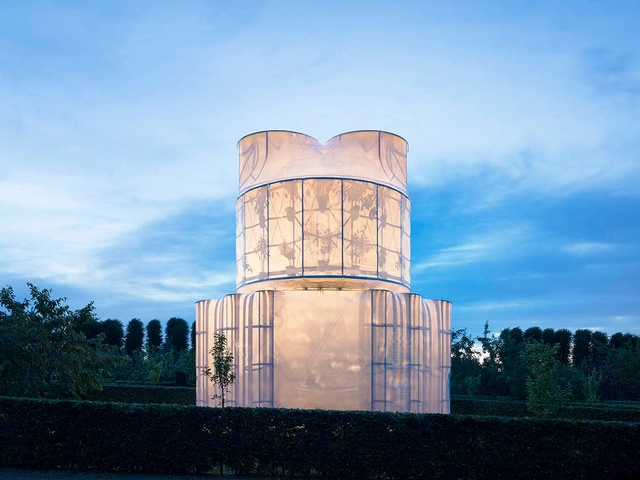



Whether made from natural or synthetic fibers, textiles have played a part in architectural design since time immemorial; however, it wasn't until the era of industrialization and advancements in technology that high-quality textiles could be made and utilized en masse. Most often, they have been used to enclose temporary structures like medical tents and emergency housing thanks to their mobility and ease of assembly.
https://www.archdaily.com/960205/cloth-and-linen-walls-translucent-and-weightlessBelén Maiztegui
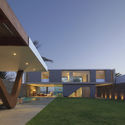
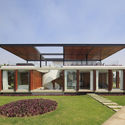
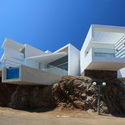
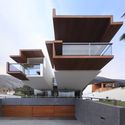
Designing with Nature: Peruvian Homes Built for the Outdoors
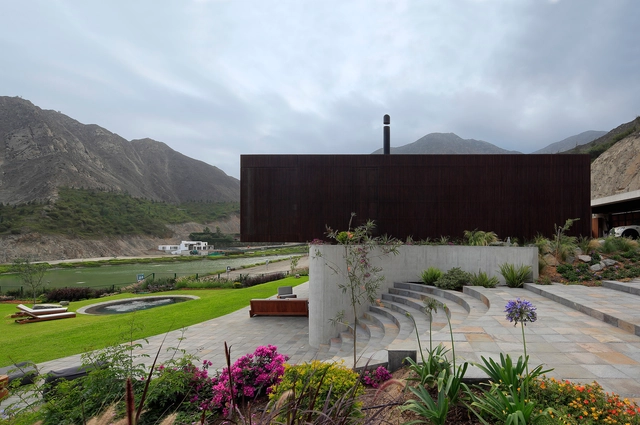
Almost 80% of South America is tropical land. In Peru, close to two-thirds is covered by the Amazon rainforest, more than in any other country. These landscape conditions give rise to unique living conditions, and in turn, shape Peru’s contemporary architecture. Today, new homes are built to embrace nature and create space for everyday life.

https://www.archdaily.com/931383/designing-with-nature-peruvian-homes-built-for-the-outdoorsEric Baldwin
"Architecture is a Medium that Can Make a Difference": In Conversation with Hashim Sarkis at the 2021 Venice Architecture Biennale
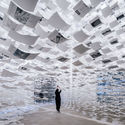
The 2021 Venice Architecture Biennale finally opened its doors to the public, on May 22nd, despite all odds and after two postponements. Presenting 115 different responses to “How will we live together”, the architectural exhibition gathered innovative answers from across the globe, all arising from a common determination to change the status quo. Bringing people who face the same issues together to partake in a vital exchange of ideas, the 17th edition has amplified the role and status of the Biennale as the biggest platform for architecture.
Onsite, in Venice, ArchDaily had the chance to meet with curator Hashim Sarkis, to discuss once more the ever-growing relevance of the biennale, different overlapping scales and fields, recurring qualities, and the international language of architecture. Hoping that “people will walk out of the biennale with a stronger belief in architecture as being a medium that can make a difference”, Sarkis in his third interview talks of a collective imaginary that can inspire new spatial contracts.


https://www.archdaily.com/962198/architecture-is-a-medium-that-can-make-a-difference-in-conversation-with-hashim-sarkis-at-the-2021-venice-architecture-biennaleChristele Harrouk
In Harmony with Nature Cafe / Reutov Design
.jpg?1621796850&format=webp&width=640&height=580)
Text Courtesy of Reutov Design. Among the endless movement of millions of people and cars, you often want to get in touch with nature. Here is an oasis in the midst of a raging stream. The concept of the cafe, developed by ReutovDesign studio, combines a creative interpretation of modern design and natural style.
.jpg?1621796702 "Courtesy of Reutov Dmitry, Gerner Ekaterina")
.jpg?1621796703 "Courtesy of Reutov Dmitry, Gerner Ekaterina")
.jpg?1621796877 "Courtesy of Reutov Dmitry, Gerner Ekaterina")
.jpg?1621796840 "Courtesy of Reutov Dmitry, Gerner Ekaterina")
.jpg?1621796850)
https://www.archdaily.com/962176/in-harmony-with-nature-cafe-reutov-designPaula Pintos
MVRDV to Transform Eindhoven Shopping Centre into a Sustainable Cultural Quarter
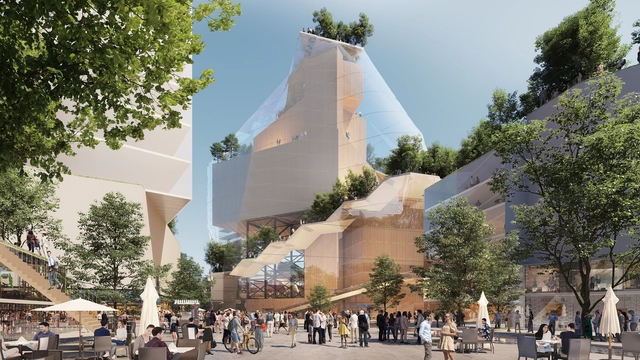
Reflecting on the future of shopping centres and addressing their decline in visitors, MVRDV's Heuvelkwartier design proposes converting Eindhoven's Heuvel shopping venue into a green cultural quarter. The project brings together retail, culture and recreation, expanding the existing buildings while transforming the roofs into a park. The proposal also expands the Muziekgebouw with a stacked cultural building encased in a "glass mountain", creating a new landmark for Heuvel.


https://www.archdaily.com/962177/mvrdv-to-transform-eindhoven-shopping-centre-into-a-sustainable-cultural-quarterAndreea Cutieru
Architecture as a Reflection of Migration Between Mexico and the United States
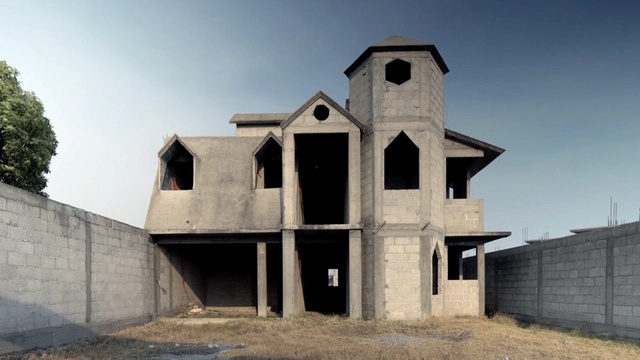
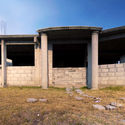


“Abandonment Copies” is a research project created between 2016 and 2018 by artist Sandra Calvo consisting of a film, archives, drawings, interviews, and a video display which was exhibited in the Mexican pavilion during the 2021 Biennial of Venice. The project highlights architecture as a reflection of the migration process between Mexico and the United States, comparing and contrasting the houses where migrants work in the US and the ones they build in Mexico with the remittances they send.
https://www.archdaily.com/961043/architecture-as-a-reflection-of-migration-between-mexico-and-the-united-statesMónica Arellano
Materialising a Vision: Structural Engineering and Architecture
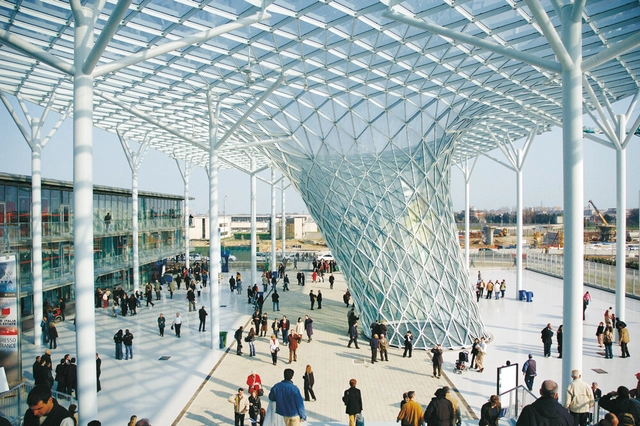
Recent years have seen an increased acknowledgement of the collective endeavour that is architecture and a better valuing of the different professions that participate in the design process. Within every extraordinary building, structural engineering plays an essential role in delivering the architectural vision. The article highlights the past and present contributions of engineering to the built environment, personalities that have stood in the shadow of architects delivering their design intent, and the collaboration between engineers and architects today.


https://www.archdaily.com/962164/materialising-a-vision-structural-engineering-and-architectureAndreea Cutieru
SWA Group Tapped for Memorial and LGBTQ+ Space at Harvey Milk Plaza, in San Francisco
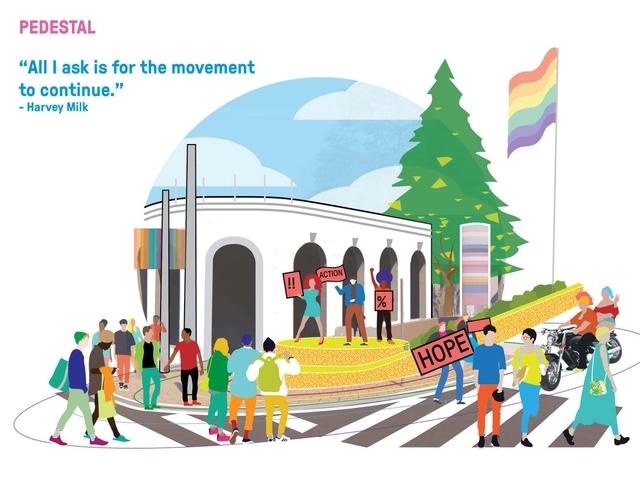
Matt Hickman reports on San Francisco's latest inclusive memorial, for the Architect's Newspaper, designed by SWA, a firm that operates two Bay Area studios (San Francisco and Sausalito) as well as offices in Texas, Southern California, New York City, and Shanghai. Selected by FHMP from a shortlist of four firms that submitted proposals, out of 17 invited offices, SWA shared their winning conceptual design for the memorial at Harvey Milk Plaza.

https://www.archdaily.com/962171/swa-group-tapped-for-memorial-and-lgbtq-plus-space-at-harvey-milk-plazaMatt Hickman