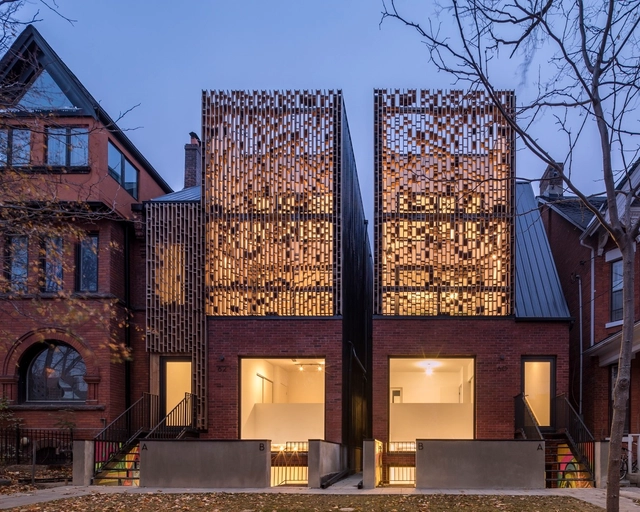
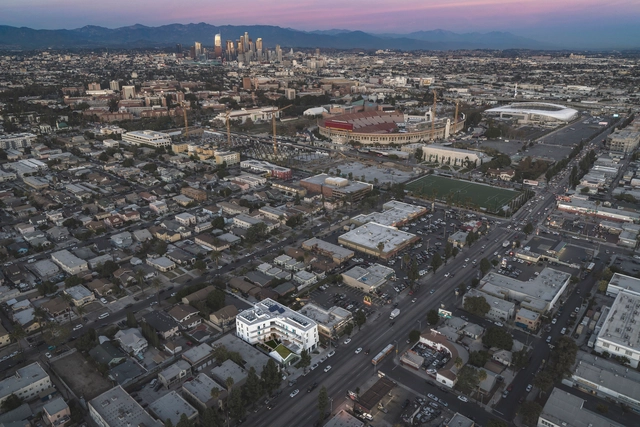
Canada’s Queen City has become renowned for its housing boom. As the most populous location in the country, Toronto is also one of the world’s hottest luxury real estate markets. An hub for arts, business, and media, the city is sited on a sloping plateau with a unique ravine system. While it boasts incredible architecture and high-end designs, Toronto risks a housing correction. Rapid increases in home prices, overvaluation, and overbuilding have all attributed to the city’s mounting situation. Amidst these unstable conditions and uncertainty, new residential projects continue to be built.
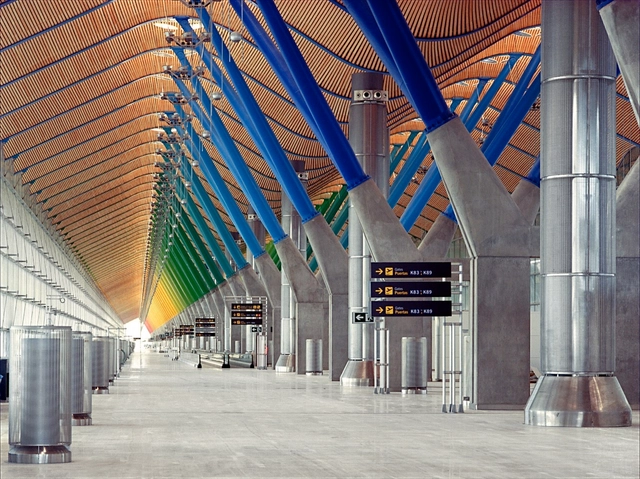
Airports require architectural solutions that not only respond to the efficiency of their spaces and circulations - both operational and passenger - but also to their connection with other transport systems and terminals.
Take a look at 10 airports/terminals and their plans and section below.
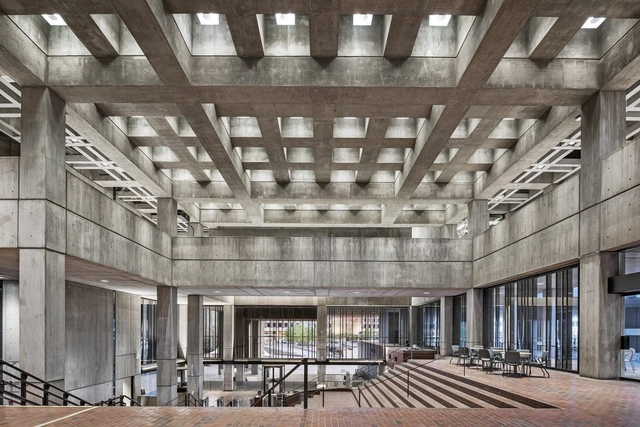
Boston City Hall . Image Courtesy of Utile and Reed Hilderbrand
"Demolition is a waste of many things – a waste of energy, a waste of material, and a waste of history,"says Pritzker-winning architect Anne Lacaton. In recent years, refurbishment and adaptive reuse have become ubiquitous within the architectural discourse, as the profession is becoming more aware of issues such as waste, use of resources and embedded carbon emissions. However, the practice of updating the existing building stock lacks consistency, especially when it comes to Brutalist heritage. The following explores the challenges and opportunities of refurbishment and adaptive reuse of post-war architecture, highlighting how these strategies can play a significant role in addressing the climate crisis and translating the net-zero emissions goal into reality while also giving new life to existing spaces.
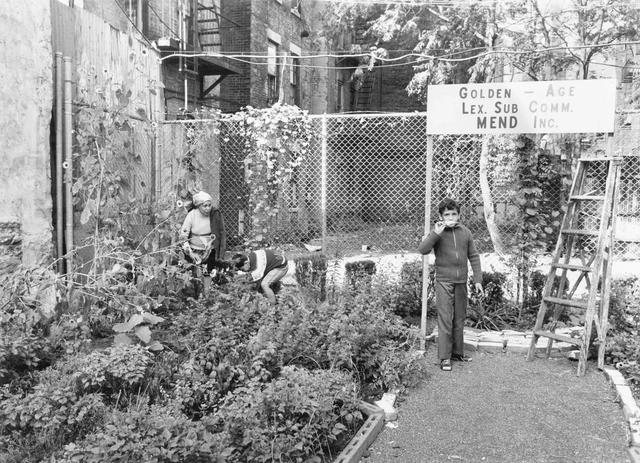
Mogilevich’s study of how the Lindsay administration leveraged political and on-the-ground will to build pocket parks, stump for closing streets and introducing outdoor dining, and reducing racial economic inequality could point the way forward for modern architects and planners. Image Courtesy of Minnesota Press
In this week's reprint from the Architect's Newspaper, author Karen Kubey, an urbanist specializing in housing and health questions if the invention of Public Space is "Invented Or Agreed Upon?" Basing her ideas on a book by Mariana Mogilevich, The Invention of Public Space, the article asks if public spaces are a product of negotiation in the city.
Paris, the city that was born on the banks of the Seine, grew from a small island – Île de la Cité – to the vast metropolis that nowadays extends beyond Ménilmontant, the vingtième arrondissement.
The French capital has so much to offer. Centuries of history have left behind meaningful structures which also have been the background of love stories, wars and revolutions. Whether you are seeking to admire hidden spots, the well-known landmarks and jewels soon to be opened, or filling your personal story with them, you'll find everything you want in this city.
This list, in no particular order, aims to provide some guidance and inspiration for your next trip to Paris. If you love architecture, dear friend, look no further.
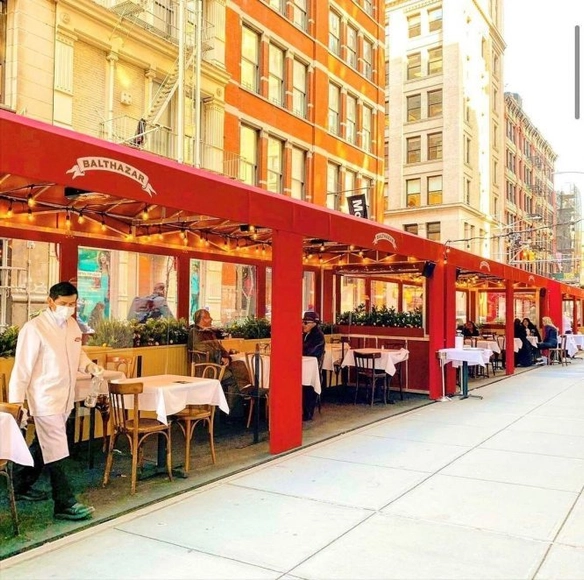
Over the last 18 months of the COVID-19 pandemic, restaurant owners around the globe have continuously suffered over the past year- especially small, independent establishments. If there’s one glimmer of hope that many of them have experienced, as public health guidelines continue to evolve, it’s that many cities have relaxed their policies and allowed restaurants to construct temporary shelters on sidewalks and in streets as a means to keep their businesses afloat. But in life after the pandemic, how should we address these setups? Should we turn them into something more permanent and allow outdoor dining to stay?
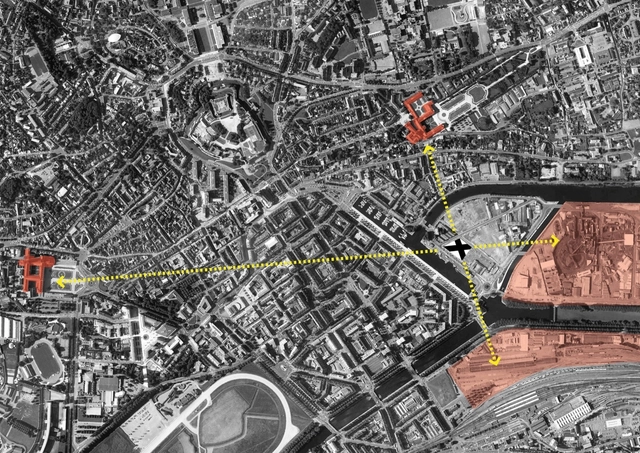
Deciding where a building should go is a complex negotiation of visible and invisible, objective and subjective forces. Architects perform site analysis in order to identify and choreograph all these factors, but which factors do they focus on? This video is a survey (pun intended) of what goes into locating where a building should go on the Earth’s surface. From legal requirements like lot lines and setbacks, to infrastructural concerns like service hookup locations and pedestrian ways, to environmental factors like sunlight and topography, the video goes through how architects and contractors position structures. In addition to reviewing general rules of thumb, the video also includes some important architectural examples like the Casa Malaparte and OMA’s Student Center at IIT to inspire unique ways to approach the subject.
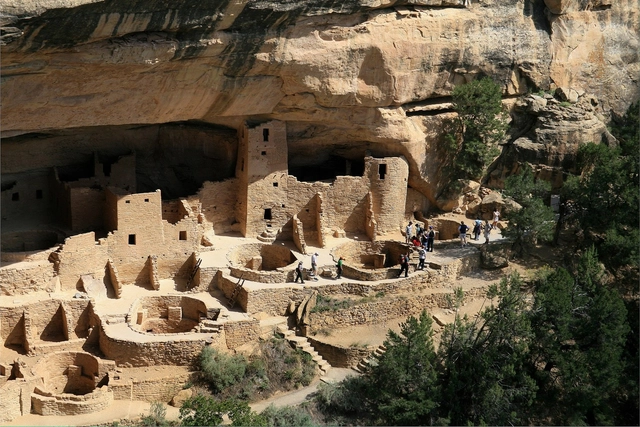
The world is home to thousands and thousands of national parks – spaces allocated for conservation, hosting land usually left in its natural state for people to visit. The term “national park” itself differs in meaning around the world. In the United Kingdom, for example, the phrase simply describes a relatively undeveloped area that attracts tourists. In the United States, this terminology is a lot more rigid, describing 63 protected areas operated by the United States National Park service.
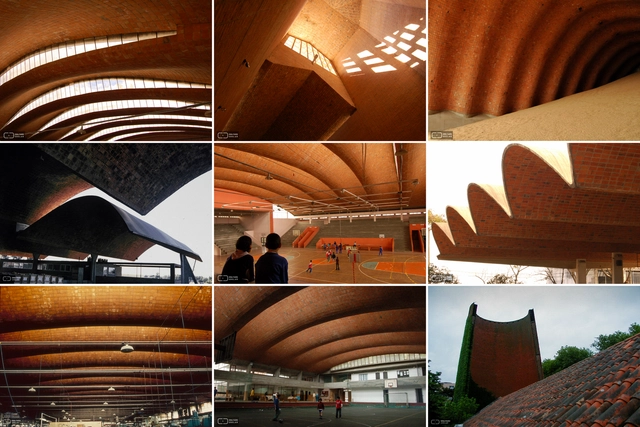
Cortesía de Servicio de Medios Audiovisuales de la Facultad de Arquitectura, Diseño y Urbanismo de la Universidad de la República
Eladio Dieste, the engineer behind "reinforced ceramic" and double-curved arches marked his spot as one of the most important figures in architecture, not only in his native Uruguay, but in Latin America and beyond. Here, we invite you to take a look at just some of the engineer's work, from his widely-recognized churches like the Church of San Pedro and the Christ the Worker Church in Atlántida- to his factories, silos, and gymnasiums, all of which form an important part of the region's architectural repertoire.
To help us in our mission to bring Dieste's work to our readers, the Audiovisual Media Service of the Faculty of Architecture, Design, and Urbanism at the University of the Republic has shared the following images as well as the Eladio Dieste page in order to provide a space to learn about his works and writings.
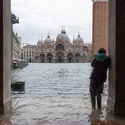
Flooding is a significant problem for buildings all around the world, including architectural treasures like the Farnsworth House that have been plagued by the issue time and time again. In particular, one-third of the entire continental U.S. are at risk of flooding this spring, especially the Northern Plains, Upper Midwest, and Deep South. In April of 2019, deadly floods decimated parts of Mozambique, Malawi, Zimbabwe, and Iran as well, resulting in a low estimate of 1,000 deaths while tens of thousands more were displaced. While architecture cannot solve or even fully protect from the most deadly floods, it is possible – and necessary – to take several protective measures that could mitigate damage and consequently save lives.
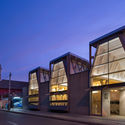
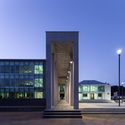
Architectural photography has developed into its own art form, and it might be as important as the built work itself. We consume architecture not only physically and spatially in a building but also through photographs. A good image reportage work can give the viewer a feeling of the atmosphere, senses, and design intentions the project may spark, without actually being in the place. Photography is also a way of documenting the project's process, the use of materials, lighting, and architectural elements, and as a result, tell a complete story behind a building.
To celebrate World Photography Day, we've gathered a list of 25 architectural photographers from around the world who are worth knowing - and following on Instagram. These emerging photographers have been selected for their ability to capture architecture each in their own unique ways. Get to know them!
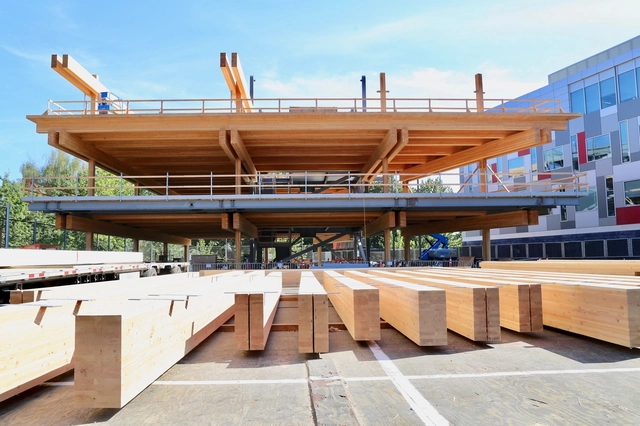
Adidas North American Headquarters Expansion in Portland, OR. South Building under construction showing the timber and steel system. Image Courtesy of LEVER Architecture
The family of products that encompass mass timber –including Cross-Laminated Timber (CLT), Glue-Laminated Timber (Glulam), and Mass Plywood– is increasingly becoming a viable construction alternative for the AEC industry. Timber has been a structural material for thousands of years, but these engineered wood products have broadened the field of options and provided a solid basis for architectural designers to work with, expanding upon their range of materials and finishes.
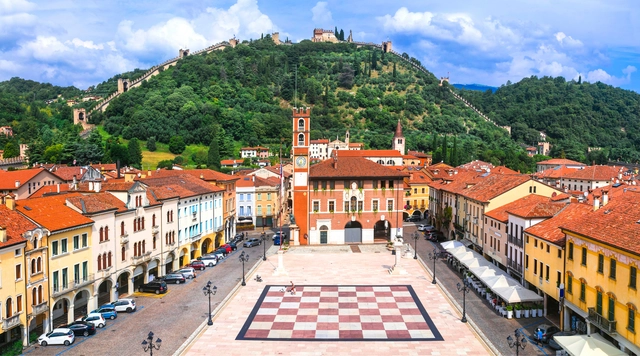
Have you ever wondered why chess sets can be found in parks and other public spaces and contemplated what their role is within these spaces? Studies have shown that sports and games work to reduce stress and improve the overall mental health of the public. Chess, one of world's most popular games, allows two people from anywhere on the globe to play regardless of language barriers, age, gender, physical ability, or social situation.
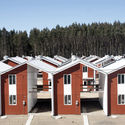
Chile is a country used to natural disasters as much as to the reconstruction process. However, the frequency of these cycles has increased over the years. According to the Ministry of Interior (Homeland), 43% of all natural disasters recorded in Chile since 1960 happened between 2014 and 2017. In fact, the government is already involved in several reconstruction processes across the country.
The climate has changed, and we have been left grappling with the consequences: high temperatures, flooding, drought and much more. As the world shifts (or tries to shift) to ways to mitigate the crisis, the architecture and construction industry finds itself in a particularly important position whose choices can create real impact. Some of these choices can include innovative products that offer real solutions to complex problems, such as the cooling down of temperatures in highly dense cities.
https://www.archdaily.com/966730/white-paint-can-cool-down-our-heating-citiesDaniela Porto
In this week's reprint from Metropolis Magazine, authors Madeline Burke-Vigeland, FAIA, LEED AP, a principal at Gensler, and Benjamin A. Miko, MD, assistant professor of Medicine at Columbia University Medical Center explore how uniform standards applied across the built environment can protect our communities from COVID-19 and future pandemics.
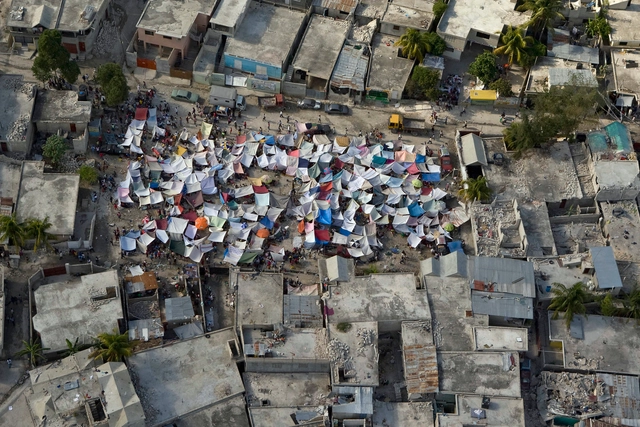
Haiti after the 2010 earthquake. Image via Flickr user: United Nations Development Programme, lincensed under CC BY-NC-ND 2.0
Haiti is suffering the consequences of a magnitude-7.2 earthquake that worsen a national crisis. News agencies have published photographs of collapsed buildings in Port-au-Prince recalling the destruction due to the 2010 earthquake.
As humanitarian aid is been deployed around the world to collaborate in rescue, shelter, health care, and food, questions arise: how does architecture help?
The automation of architectural design and rendering has been further accelerated by digital production tools. Tools such as 3D printers, assembly robots, and laser cutters, have all but perfected the design and construction process and have proven essential in optimizing resources, improving precision, and increasing control of the process.
In woodworking, the most frequently used digital production tools are milling machines or CNC (computer numerical control) routers. These tools facilitate the rendering of 2D vectoral drawings and 3D models, codifying them into instructions for the machine to follow and execute. Through this process, which starts with digital archives (typically created using design software widely known as AutoCad), milling machines and CNC routers can rapidly and precisely cut wood, producing ready to assemble pieces.
















_Simone_Bossi.jpg?1629234719&format=webp&width=640&height=580)
_Maria_Gonzalez.jpg?1629145604 "© Maria Gonzalez")
_Triệu_Chiến_01.jpg?1629145656 "© Trieu Chien")
_Alex_shoots_buildings.jpg?1629229852 "© Alex Shoots Buildings")
_Leonid_Furmansky.jpg?1629230142 "© Leonid Furmansky")
_Simone_Bossi.jpg?1629234719)
.jpg?1562105063&format=webp&width=640&height=580)
.jpg?1562105063)

.jpg?1624956731&format=webp&width=640&height=580)


.jpg?1624956731)