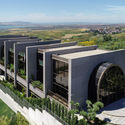
A building stands out along the maritime walkway in Palma, Mallorca's capital. Designed by José Ferragut Pou and completed in 1960, the building was a poster child for the modern architectural movement sweeping the globe at that time. Today, like many of its brethren, it stands in abandoned disrepair.
Lluís Bort is the Spanish architect and photographer behind "Empty Architecture," a photographic compilation of abandoned buildings from throughout the island of Mallorca, Spain.
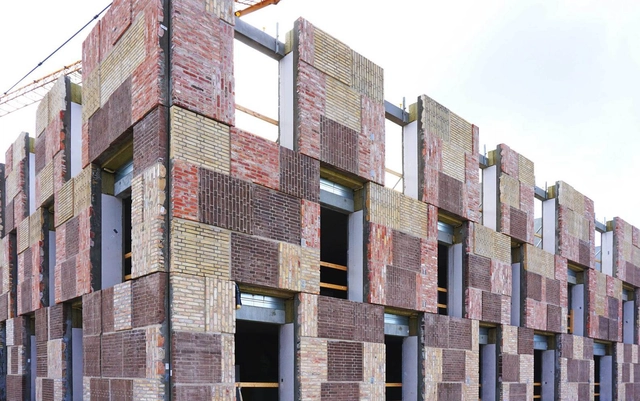
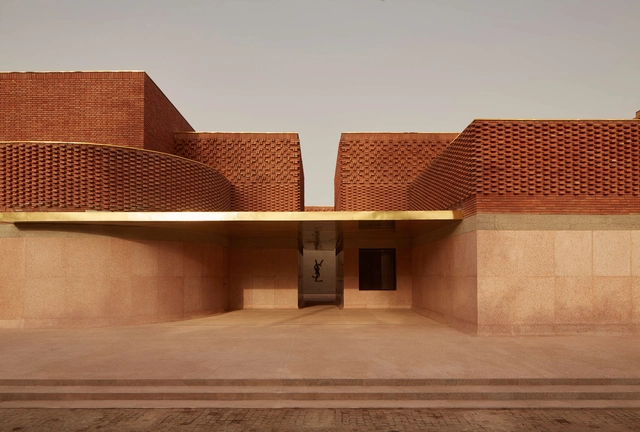
Few materials are as timeless, durable and beautiful as terracotta. With a range of inherent properties, terracotta is being specified to redefine building envelopes. Used for its many colors and textures, as well as its flexibility, this ceramic can be constructed as cladding, rain screens and a variety of components. Dating back to the Babylonians, terracotta has been used throughout history, and it continues to be a material selected for diverse building types around the world.
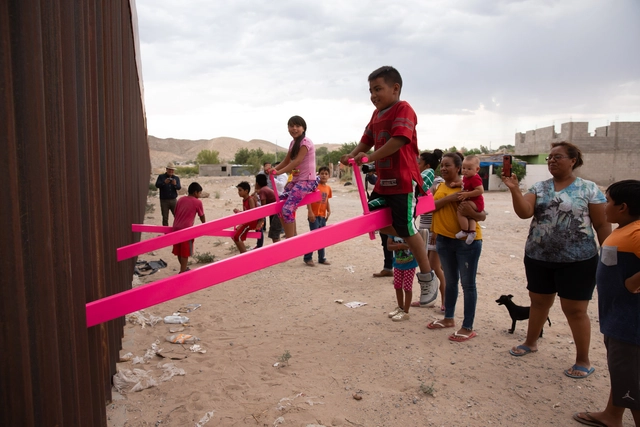
Mexico, a North American country spanning over 1,964,375 km2, features a vast mosaic of different cultures that extends far beyond its geographical boundaries. Nowhere is this diversity more evident than along the 3,141km border stretching from the Gulf of Mexico to the Pacific Ocean, running through 48 counties within the United States and 94 municipalities within the Mexican states.
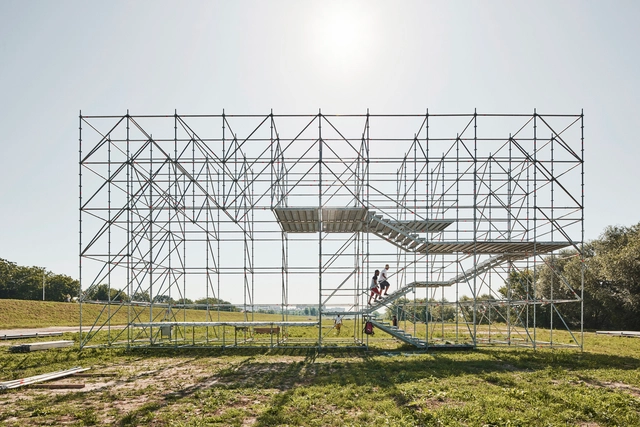
Beyond "experience tourism" and light entertainment, temporary architecture is a fertile ground for testing ideas, examining places, popularizing new concepts and technologies. Taking a wide array of forms, from disaster relief projects and utilitarian structures to design experiments, architectural statements and playful installations, transient structures showcase alternative visions for the built environment, opening up new possibilities and questioning established norms. As temporary architecture now seems at odds with sustainability imperatives, the following discusses the value of temporary architecture as a vehicle of experimentation, advancing design and engaging communities.
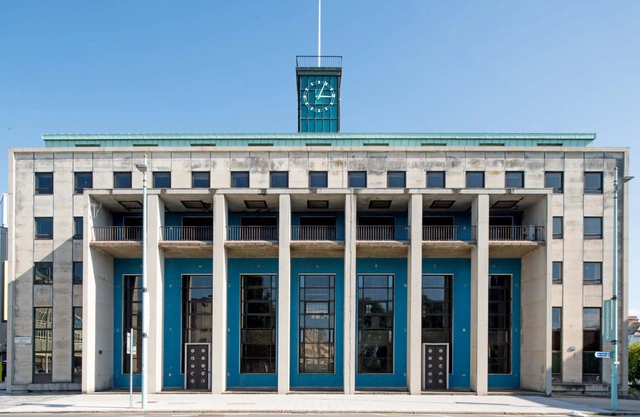
The National Provincial Bank in Plymouth, Southwest England, completed in 1959 and designed by the bank’s architecture department with BC Sherren serving as chief architect. . Image Courtesy of Elain Harwood
The term “mid-century modern” conjures up images of a sharp-suited Don Draper, slender teak cabinets, and suave chairs from Scandinavia. That is, at least, one perspective of the design movement and a view more of 1950s-era Manhattan offices than anything else. But in Britain, mid-century modernism manifested as something slightly different, coming in the form of schools, cathedrals, housing, and an era-defining festival, all eloquently described and illustrated by the prolific architectural historian Elain Harwood in Mid-Century Britain: Modern Architecture 1938-1963.
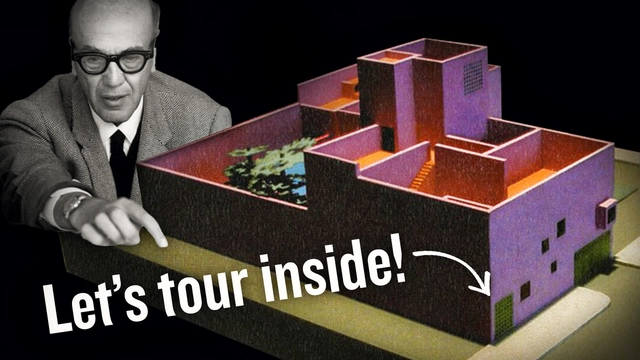
In 1984, the Menil Museum in Houston, Texas, commissioned the Mexican architect Luis Barragan to build a 3,000-square feet guest house to be located across the street from the famous Rothko Chapel. The architect came back with a design for a dazzling purple, pink, and orange 8,000-square feet mansion that looked to be more at home in Mexico City than a Houston residential suburban lot. So, due to the ensuing conflict between client and architect, the house would never get built, only displayed as an exhibition within the Menil’s galleries.
“Local” is a word that is broadly used to describe something particular about a place that makes it different from somewhere else. Across the globe, the “local-ness” of our cities is what makes them unique- in the way that people live, work, socialize, and especially in the way that they plan and construct cities and infrastructure. To someone living in a suburb, the way that they move from place to place might be through a car, while someone who lives in a dense metropolis might use a subway or bus system as part of their everyday lives.
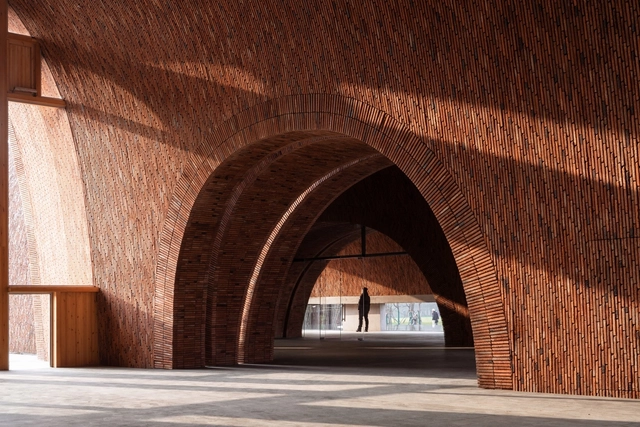
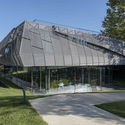
Jingdezhen Imperial Kiln Museum / Studio Zhu-Pei. Image Courtesy of Studio Zhu-Pei
Over the course of the last decade there has been a growing interest in the handcrafted buildings, as well as in the application of local and renewable materials in building construction. Under the concerns about the heavy environmental and economic expenses caused by construction, nowadays urban planners are embracing the concept of sustainability, which refers to “meeting our own needs without compromising the ability of future generations to meet their own needs”.
Office buildings are known for being utilitarian, efficient, and rigid. While this typology has earned a reputation for adopting rectilinear grids and open layouts, modern designs have begun exploring new alternatives for the contemporary workplace. Moving beyond standard work rooms, meeting spaces, and support zones, these projects are reimagining the relationships between envelope and program. This is a larger movement towards rethinking the formal and spatial characteristics of where we work. While this trend is being explored globally, cities have begun embracing new office designs at a larger scale.
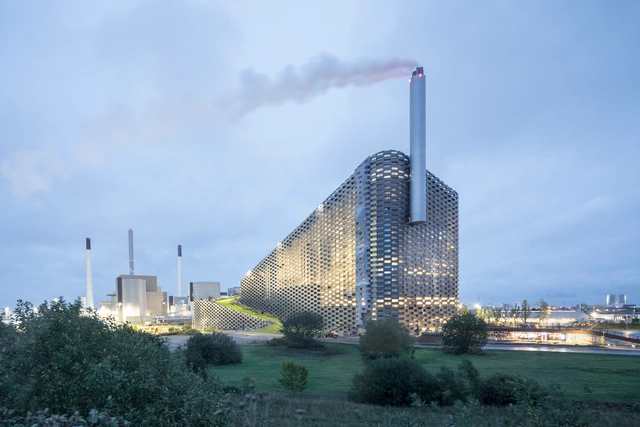
CopenHill Energy Plant and Urban Recreation Center / BIG
All human activities affect the environment. Some are less impactful, some much, much more. According to the United Nations Environment Program (UNEP), the construction sector is responsible for up to 30% of all greenhouse gas emissions. Activities such as mining, processing, transportation, industrial operations, and the combination of chemical products result in the release of gases such as CO2, CH4, N2O, O3, halocarbons, and water vapor. When these gases are released into the atmosphere, they absorb a portion of the sun's rays and redistribute them in the form of radiation in the atmosphere, warming our planet. With a rampant amount of gas released daily, this layer thickens, which causes solar radiation to enter and and stay in the planet. Today, this 'layer' has become so thick that mankind is beginning to experience severe consequence, such as desertification, ice melting, water scarcity, and the intensification of storms, hurricanes, and floods, which has modified ecosystems and reduced biodiversity.
As architects, one of our biggest concerns should be the reduction of carbon emissions from the buildings we construct. Being able to measure, quantify, and rate this quality is a good way to start.
The art of building a shelter made from blocks of ice is passed on from father to son among the Inuit, native peoples who inhabit the northernmost regions of the planet. The circular plan, the entrance tunnel, the air outlet and the ice blocks form a structure where the heat generated inside melts a superficial layer of snow and seals the gaps, improving the thermal insulation of ice. In a storm, an igloo can be the difference between life and death and perhaps this is the most iconic and radical example of what it means to build with local materials, few tools and lots of knowledge. In this case, ice is all you have.
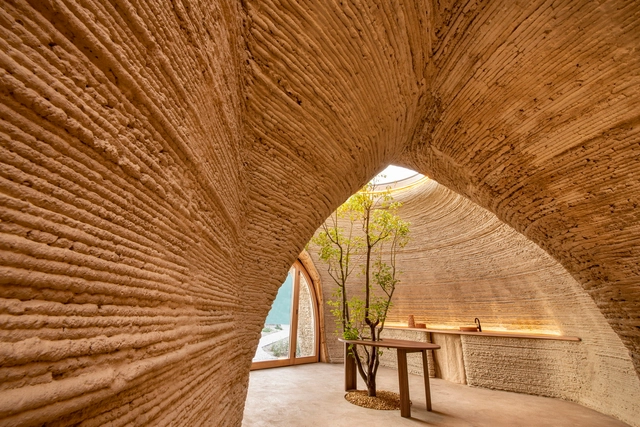
Taking advantage of abundant resources and local labor are key concepts for sustainable architecture, which are often overlooked at the expense of solutions replicated from other contexts. With new demands and technologies, the globalization of building materials and construction techniques, is there still room for local materials? More specifically in relation to 3D printed constructions, are we destined to erect them only in concrete?
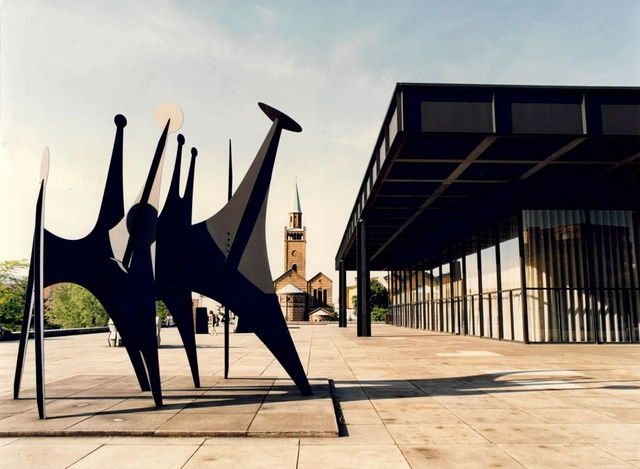
Minimal / Maximal is a solo exhibition of Alexander Calder’s opening this Sunday at the newly reopened Neue Nationalgalerie in Berlin.. Image Courtesy of Staatliche Museen zu Berlin, Nationalgalerie / Reinhard Friedrich
After being closed for six and a half years for a renovation by David Chipperfield Architects, the Berlin museum reopened Sunday, August 22.
Questioning the new now, especially with the new challenges of Covid-19, around the world, cities are advocating for structural change and collective action. Berlin questions, an annual, multi-day conference and a platform for transdisciplinary dialogue, in its 2021 edition “Metropolis: The New Now”, tackled the immediate present, creating a place for debate. Dedicated to local solutions to global challenges, the event took on a hybrid format, at various locations in Berlin and online, resembling the world we live in.
ArchDaily had the chance to meet up with Lesley Lokko, architect, academic, and novelist at Berlin Questions, to discuss her talk “Africa as the lab for the future”, her visions for the future of architecture education and the future of big cities on a social, cultural and urban level.
Wood is an extremely versatile material. It allows for the construction of robust and strong structures, while it can also be used as the raw material for delicate objects such as musical instruments. Understanding all its particularities, properties, and behavior is a journey of knowledge that could take a lifetime. Basically, wood is made up of cellulose, hemicellulose, lignin, and mineral elements, and each species has its own unique characteristics. The history of Stradivarius violins, for example, is interesting to mention: they are still worth fortunes and experts argue that luthiers have never been able to replicate their timbre on newer instruments. Researchers point out that the differentiated sound is due to the wood in the body and arm, which went through a submersion process with a mineral solution that increased the decomposition of hemicellulose. The treatment made the wood absorb less moisture, making the sound brighter and more pleasant.
This shows how complex it is to work with a living material like wood. It can swell or shrink depending on weather conditions, how the tree grew or was cut down, etc. And, varying between wet and dry states, it can end up rotting. Such factors must be understood when we work with a natural material, but it can also be a nuisance when we look for the aesthetic appearance of wood while lacking technical precision and maintenance capabilities.
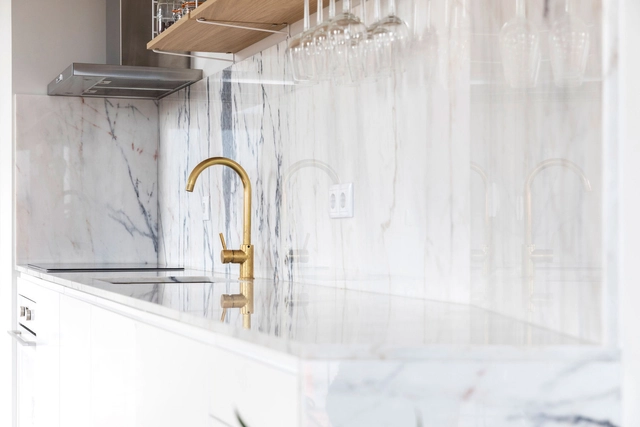
As an architectural project comes to its last phases, it is time to put together the smaller details in bathrooms and kitchens, which means choosing finishes for the walls and floors, as well as the countertops, and picking the right fittings and fixtures. These elements are essential for a well-designed space, regardless of the style.
The Graham Foundation has announced the award of 69 new scholarships to individuals around the world who support architectural projects. The funded projects represent diverse lines of research with original ideas that advance our understanding of the designed environment.
Selected from more than 500 proposals, the funded projects include exhibitions, publications, films, and performances that promote rigorous academic study, stimulate experimentation, and foster critical discourse in architecture. Innovative projects are led by established and emerging architects, artists, curators, filmmakers, historians, and photographers, among other professionals.
Not every architectural project can incorporate a landscaping project, consider a garden or access to ample green space. Smaller spaces need more creative strategies to incorporate vegetation. Regardless of the context, plants offer benefits in all types of spaces, such as indoor temperature regulation, an option for sustainable production on a smaller scale than a greenhouse, in addition to their aesthetic qualities. In this article, we present 4 simple strategies and a selection of examples for incorporating plants in small-scale spaces, all of which can be found in Architonic's Planting section.
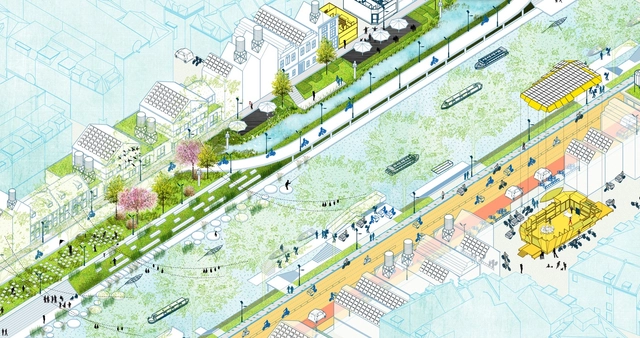
“Atelier Stad Breda”, 2015. In the image a series of design strategies touching upon energy, ecology and economy come together.
By some estimates, cities consume over two-thirds of the world’s energy, and account for more than 70% of global CO2 emissions: a figure sure to increase as the global migration from rural to urban areas continues. In the pursuit of exploring new models for how healthy cities could more effectively sustain these demands, Dutch design and research studio FABRICations has investigated how cities of the Netherlands can reduce carbon emissions through new design-led approaches.
https://www.archdaily.com/918940/6-steps-for-designing-healthy-citiesNiall Patrick Walsh




.jpg?1627404680 "© Jaime Fernández de la Cruz")
.jpg?1627404912 "© Nómada Laboratorio Urbano")
.jpg?1627404887 "© Nómada Laboratorio Urbano")