In urban design, suburbs can be a contentious topic. That is in part because the term lends itself to nebulous and ever-changing definitions. In its simplest form, the suburbs are residential communities within commuting distance, located a fair bit away from the heart of metropolitan areas. The American context sees suburbs viewed with some hostility, with racist ‘redlining’ practices a dark legacy to particular suburbs in the country. In a more superficial sense, American suburbs have often been criticised for their uniformity in appearance – portrayed as soulless dwellings absent of a sense of community.
The importance of the use of advanced technologies, such as the likes of virtual reality in the scene of architecture, is becoming increasingly necessary. No matter how beautiful a rendered image may be, it will always lack the capacity to fully convey the scope and feel of a project as a whole, further perpetuating the necessity to incorporate the use of these technologies at a professional practice level.
Architects who choose not to adopt the use of virtual reality technologies into their design process fall victim to being at a significant disadvantage, and the problem no longer even lies within accessibility, as VR is very much a possibility for architects of all backgrounds in the present age.
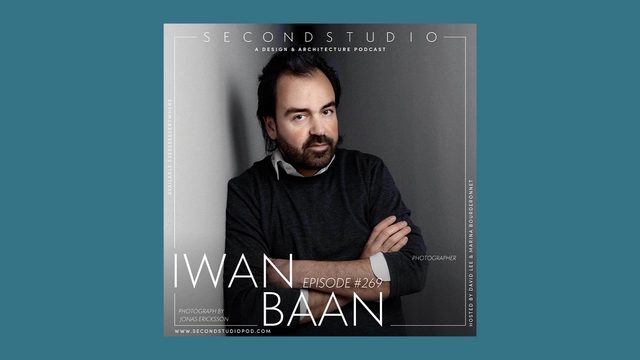
The Second Studio (formerly The Midnight Charette) is an explicit podcast about design, architecture, and the everyday. Hosted by Architects David Lee and Marina Bourderonnet, it features different creative professionals in unscripted conversations that allow for thoughtful takes and personal discussions.
A variety of subjects are covered with honesty and humor: some episodes are interviews, while others are tips for fellow designers, reviews of buildings and other projects, or casual explorations of everyday life and design. The Second Studio is also available on iTunes, Spotify, and YouTube.
This week David and Marina are joined by Photographer Iwan Baan to discuss his career, how he became a most sought-after architectural photographer, working with Rem Koolhaas, his process, his style of architectural photography, documenting structures during construction and after completion, vernacular architecture, and more.
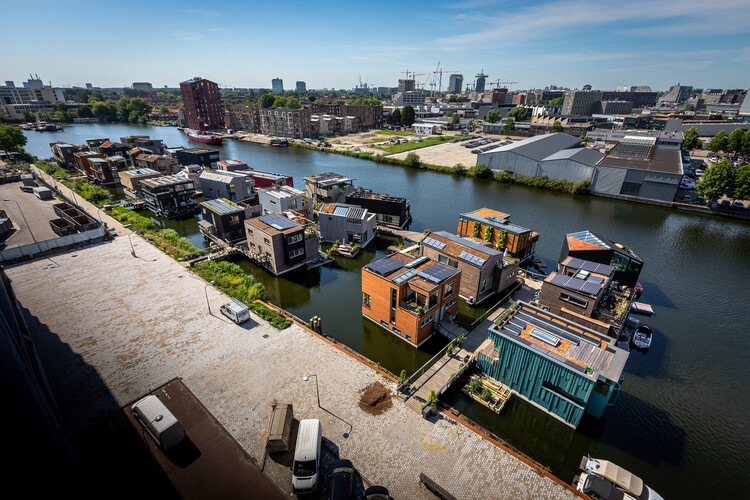
While circular economy is often discussed in relation to the architectural object through the lens of material recycling, design for disassembly, and material passports, the framework is most fully enacted at the neighbourhood and city scale. Whether it is visions of circular communities that hint at some level of self-sufficiency or policies set in motion by cities, urban-scale projects exemplify the guiding principles of the circular economy, providing a glimpse into what a fully-fledged version of it might look like. The following explores the strategies used in circular urban environments, from architecture and construction materials to energy production, waste management and food production, as well as the processes and operations that govern these designs, providing insights into the conditions that inform circularity.
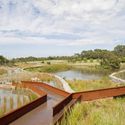
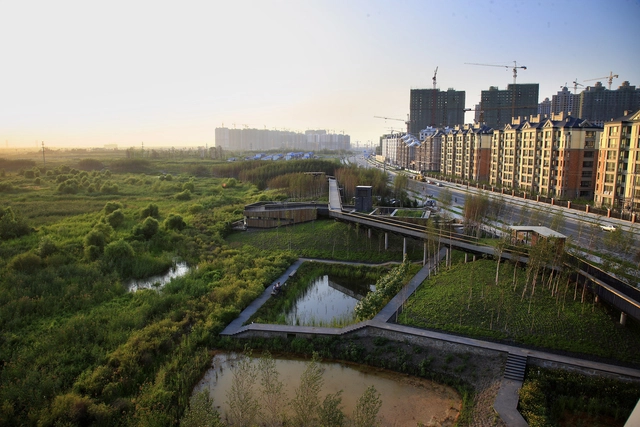
Parque Manancial de Águas Pluviais / Turenscape. Imagem cortesia de Turenscape
According to the architect and researcher Patrícia Akinaga, ecological urbanism emerged at the end of the 20th century as a strategy to create a paradigm shift with regard to the design of cities. With this, urban projects should be designed from the potential and limitations of existing natural resources. Unlike other previous movements, in ecological urbanism architecture is not the structuring element of the city — the landscape itself is. In other words, green areas should not only exist to beautify spaces, but as true engineering artifacts with the potential to dampen, retain and treat rainwater, for example. With ecological urbanism, urban design becomes defined by the natural elements intrinsic to its fabric.
In case you missed it, our world continues, after two years, to suffer cultural spasms in response to unseen, unrelenting, and deadly infective agents that continue to wash over entire populations, spreading fear, illness, and death.
The U.S. is also suffering a quieter—but equally invasive—architectural plague, metastasizing into every part of the country. This architectural contagion has largely escaped criticism, but not since the raised ranch has an architectural “type” so fully transformed communities. In the 1950s, thousands upon thousands of dumbed-down Prairie Home allusions swept across fallow suburban farm fields like a wildfire. More than style, the half-buried lower level and split floors (one half-stair run apart) were a new way to explore how buildings could house people, especially in rapidly suburbanizing America.
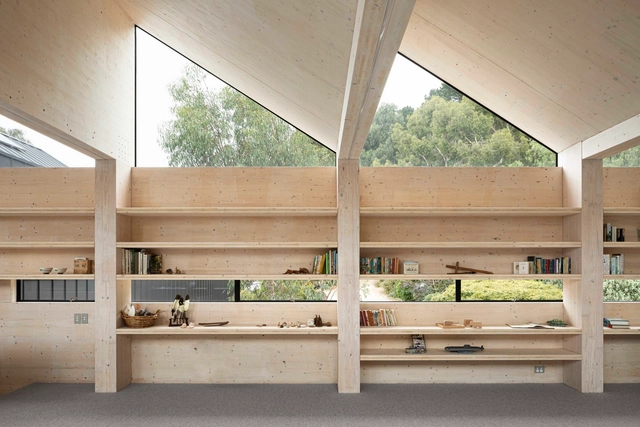
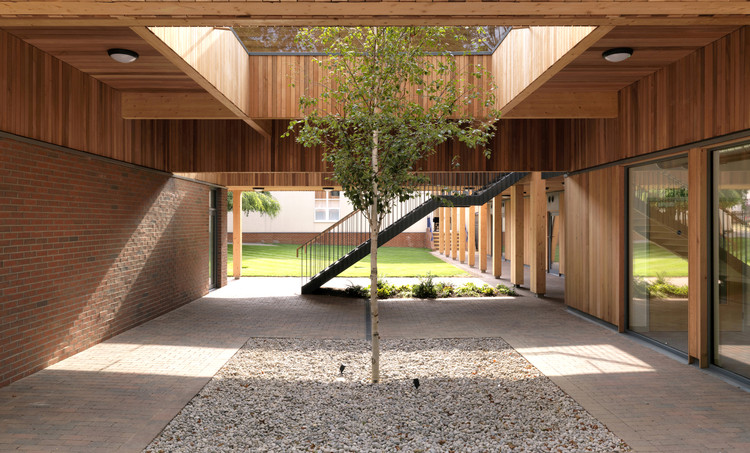
Cross-laminated timber (CLT) has been dubbed the concrete of the future. As a highly resilient form of engineered wood made by gluing layers of solid-sawn lumber together, CLT is reshaping how we understand architecture and design today. As a material with a high degree of flexibility, CLT has to undergo great deformations to break and collapse, unlike concrete. In turn, it's a material chosen for its warmth and natural properties.
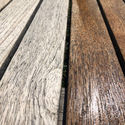
In recent years, much attention has been given to timber constructions. Being a sustainable and renewable material, which captures a huge amount of carbon during its growth, the innovations related to this material have allowed for increasingly higher constructions. However, when we talk about wood we approach an immense variety of species, with different strengths, nuances, potentials, limitations and recommended uses. While there are extremely hard and heavy woods, with strengths comparable to concrete, there are other soft and soft woods that are suitable for other purposes.
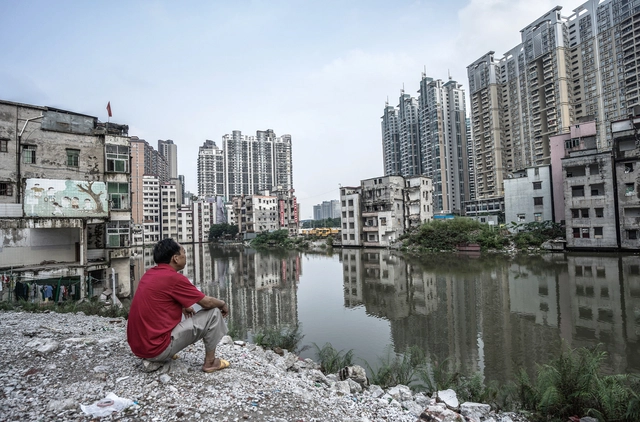
As is obvious to anyone with even a passing interest in demographics, cities are becoming denser—much denser. Rural life continues its steady emptying-out as urban life accelerates its explosive filling-in. The tilt has been apparent at least since the middle of the last century when the French geographer Jean Gottmann invented the word “megalopolis” to describe the continuous urbanization from Boston to Washington, D.C., then containing one-fifth of the United States’ population. But nowhere has the shift from countryside to city been more dramatic than in present-day Asia.
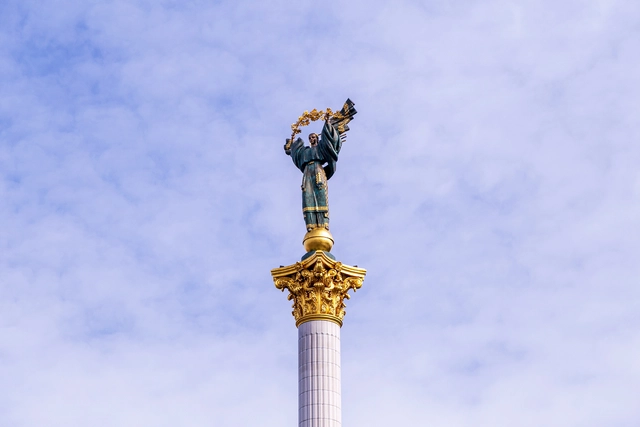
Kiev, Ukraine / Statue of Berehynia on the top of Independence Monument on the Maidan Nezalezhnosti. Image via Shutterstock
On the 24th of February 2022, Russia launched a large-scale invasion of Ukraine. Set to become Europe’s largest refugee crisis and armed conflict in this century, so far, this war has mobilized people across the world in order to exert pressure on authorities and put a stop to the armed hostilities. Individuals, as well as institutions in the architectural field, have taken part in these acts of solidarity, issuing statements, condemning actions, and even halting their work in Russia. From the UIA to MVRDV to Russian Institutions such as Strelka, the architecture world is denouncing the acts of violence and supporting an immediate cease of fire.
Although the term may seem recent, the concept of biophilia has been used for decades in architecture and design. The guiding principle is quite simple: connect people inside with nature to promote their well-being and quality of life. With all the ongoing design trends that have consolidated as a result, the demand has focused on organic materials that emulate outdoor environments. Among all the options, wood is one of the most popular materials to bring nature indoors, not only because of its functionality, but also due to its multiple physiological and psychological benefits.
Architecture may have its roots in sheltering humans from the elements, but that is not to say that architecture is for humans alone. Around the world, there are numerous examples of buildings and shelters designed by architects for other species. Some of these can be whimsical, such as the Dogchitecture exhibit by 10 Mexican architecture firms back in 2013, or the series of BowWow Haus kennels designed by over 80 architects back in 2017, including Zaha Hadid Architects. But others are designed for a more direct impact.
As revolutionary as the construction sector may seem nowadays, it currently accounts for nearly 40% of the world’s carbon dioxide emissions, 11% of which are a result of manufacturing building materials such as steel, cement, and glass. Fast forward a couple of years later, after a life-changing global pandemic and indisputable evidences of climate change, CO2 emissions are still on a rise, reaching a historical maximum in 2020 according to the 2020 Global Status Report for Buildings and Construction. Although a lot of progress has been made through technological advancements, design strategies and concepts, and construction processes, there is still a long way to go to reduce carbon emissions to a minimum or almost zero in the development of built environments.
Last year, the International Design Award Baden-Württemberg celebrated its 30th anniversary. For this year's prize, designers and brands are invited to apply until March 18 with designs that are either ready for production or have been on the market for less than two years.
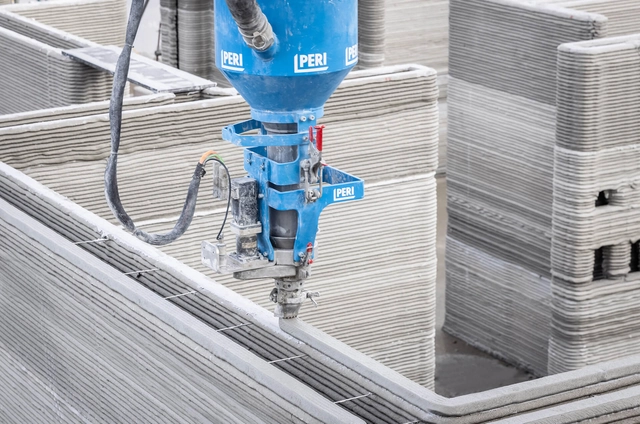
By 2025, Dubai plans for a fourth of its buildings to be printed in 3D construction methods, demonstrating the potential of a fast-growing technology capable of redefining and pushing the limits of traditional architecture. As the technique emerges as a viable solution in the construction, engineering, and architecture areas, its popularity is quickly increasing. In fact, just between 2021 and 2028, the global 3D construction market is expected to grow by 91%, according to a July 2021 report by Grand View Research. Why this rapid growth? Besides being a faster alternative and having lower construction costs, it can also provide affordable housing solutions and allow countless design possibilities, among many other benefits. Thus, as architects must adapt to a new technological era, where speed and efficiency have become key factors in design and execution processes, the rise of 3D printing shows enormous promise. It could even help reshape construction as we know it.
We are all experienced and we have all done it! I am referring to one's reaction to less than good lighting of course. Think about it.
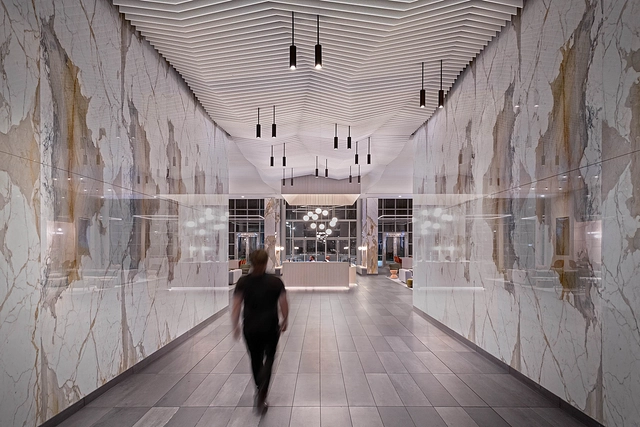
We have all experienced architectural spaces wherein something about the lighting is not quite right. It could be any of the following issues, to name a few: appearance, color quality, controllability, emphasis or lack thereof, flicker, harshness of shadows, lack of shadows, illumination levels on horizontal and/or vertical surfaces, luminaire placement, proportions, and/or scale. Any of these issues can be perceived as bad lighting.
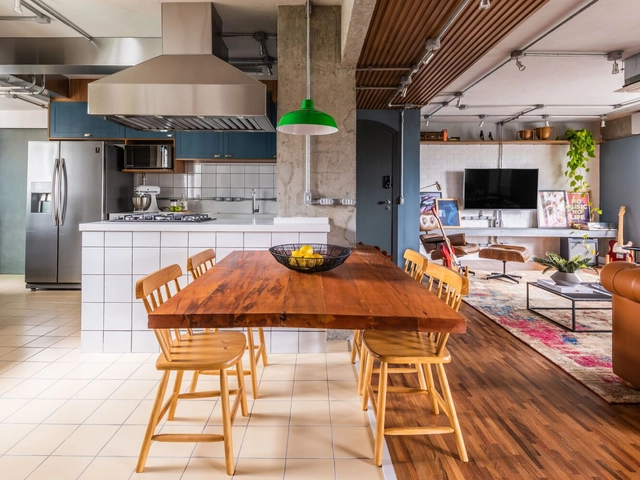
The floor is one of the largest areas of coverage of an environment, and therefore, its choice goes through several criteria related to both aesthetic and visual identity issues, as well as technical issues of resistance and maintenance. It is common to use different floors for areas with different uses and often this transition is not marked by walls or doors. Next, we will bring you tips on how to make this transition harmoniously when there is no physical boundary between the floors.
According to a Harris Poll/Lego survey that questioned children across the United States, UK, and China, nearly one-third of children aged eight to 12 want to be a “YouTuber” when they grow up. That’s three times as many children who said that they wanted to be astronauts just a decade ago. The implications of how this generation of future influencers and content creators has a significant impact on the architecture and design profession begs the question- are we on the cusp of experiencing the rise of architecture influencers?










.jpg?1645660187 "Cidade colombiana transformou 18 ruas e 12 hidrovias em paraísos verdes. Imagem cortesia de CicloVivo")