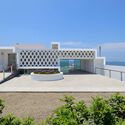
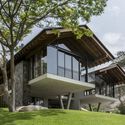
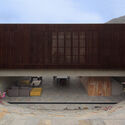
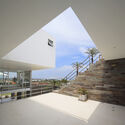
In addition to their primary function, roofs are one of the most fundamental elements in the aesthetics of a building, taking different shapes, being composed of different structures and sealed by different materials. But, in addition to aesthetics, roofs need to meet the climatic conditions of where they are located, considering the periodic changes related to rain, sun and winds.
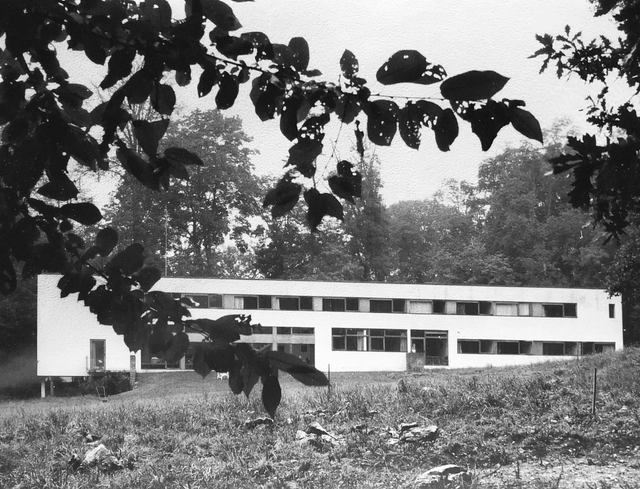
Exterior view of l’Eau Vive hospital, Soisy-sur-Seine, France, 1960s. Image Courtesy of Archives of Nicole Sonolet, collection of Christine de Bremond d’Ars
What would it mean to design buildings that exceed the economic accountings of liberal biopolitics, that instead offer an entirely different rationale for supporting health? In the years that Michel Foucault conceptualized the term biopolitics, he was part of a constellation of researchers and architects who developed care praxes that defined the value of life and its maintenance through a desire-based calculus. The welfare state institutions of architect Nicole Sonolet in particular—mental hospitals, public housing complexes, and new village typologies built mainly in postwar France and postcolonialAlgeria from the 1950s to the 1980s—were designed not only to support but to center the needs of people often excluded from design processes. Sonolet’s mental health centers for residents of Paris’s 13th arrondissement, in particular, were key projects for discovering a design practice tied to the provision of care for its own sake.
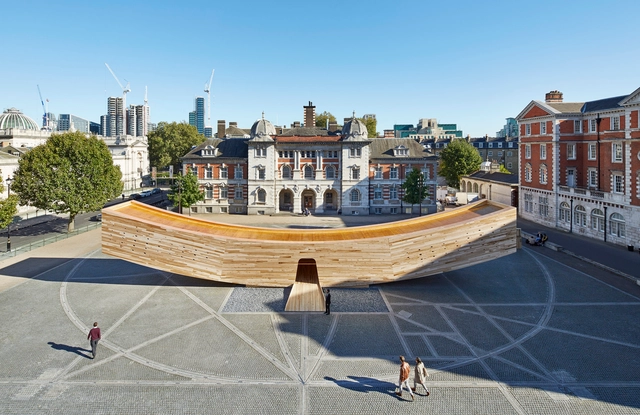
The Smile. Image Courtesy of Alison Brooks Architects.
London-based architect Alison Brooks was born and grew up in Canada and studied architecture at the University of Waterloo in Waterloo, Ontario. Upon graduation in 1988, she left for London where after working with designer Ron Arad for seven years she started Alison Brooks Architects in 1996. Her most representative works include the Stirling Prize-winning Accordia Brass Building in Cambridge, Exeter College Cohen Quad in Oxford, the Smile Pavilion for the 2016 London Design Festival, and several expressive single-family residences in London: VXO House, Fold House, Lens House, Mesh House, and Windward House.
Among the studio’s current projects are The Passages in Surrey, Canada; Homerton College in Cambridge, and other residential and cultural projects throughout Britain and in North America. This month the architects’ design was shortlisted for the LSE Firoz Lalji Global Hub and Institute for Africa in London. Together with Nigerian practice Studio Contra, the ABA-led team was one of six finalists chosen from 190 international submissions.
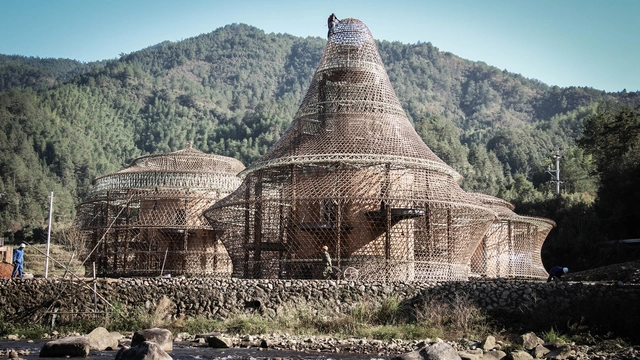
The Filipinos believe that man and woman first emerged from the nodes of a bamboo stalk. The Chinese view the caneas a symbol of their culture and values, reciting “there is no place to live without bamboo”. The plant is a symbol of prosperity in Japan and friendship in India. Along with myths and stories, strong structures made of bamboo flourished in pre-modernAsia. Built forms varied across the changing landscapes of Eastern countries, all sharing one aspect in common - a respect for natural ecosystems.
The A' Design Awards - the world's leading annual international juried design competition - were established to promote and recognize the best design work in all countries and in all creative disciplines. The Award has 100 main categories, including Architecture, Building and Structure Design,Interior Space and Exhibition Design, and Furniture Design, in addition to others related to the world of Lighting, Landscape, Building Materials, and many others. This year's edition is now open for entries; designers can register their submissions here.
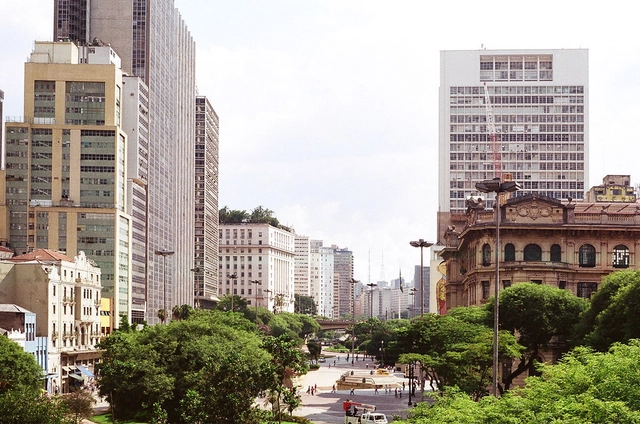
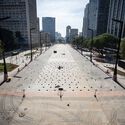
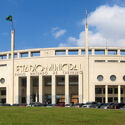
Recently, the city of São Paulo witnessed two events involving spaces that were previously public and are now under private concession. The already renowned Virada Cultural Paulistana took place again after the initial years of the covid-19 pandemic, and had as one of its stages the new Vale do Anhangabaú. In addition, the Pacaembu complex - which recently ceased to be a public facility, became a concession and has been undergoing a series of renovations and transformations - hosted the ArPa Fair, an event that brought together a series of important galleries for exhibition, purchase and sale of artworks. Despite the different nature of these events, their processes arouse reflections upon the privatization model we are experiencing in cities today.
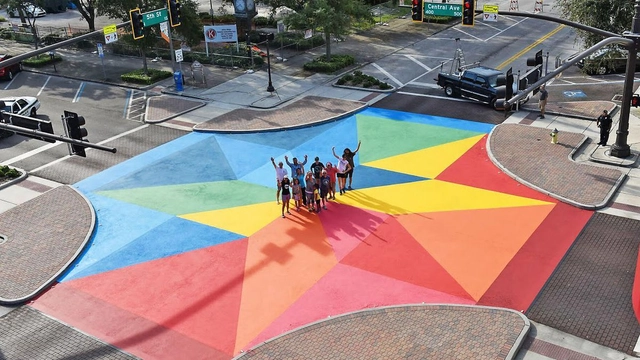
Last week, the Global Designing Cities Initiative (GDCI) released Designing Streets for Kids to set a new global baseline for designing urban streets. Designing Streets for Kids builds upon the approach of putting people first, with a focus on the specific needs of babies, children, and their caregivers as pedestrians, cyclists, and transit users in urban streets around the world.
Modernist architecture came about in the early 20th century as a response to large-scale changes in technology, construction, and society; particularly through the use of glass, steel, and reinforced concrete. The style was typically associated with the function of buildings from an analytical viewpoint, rational use of materials, the elimination of ornamentation, and openness to structural innovation.
Paul Tunge is a Norwegian writer, director, and cinematographer of Arthouse Films who has been involved in film production since the early 2000s. Having written, directed, shot, and produced four independent films, alongside 3 documentaries, each of his projects has been featured during major film festivals across all continents, in galleries, and various national cinemas and cinematheques.
Bringing fire indoors is something many people want during winter. In addition to warming the environment, fire creates a unique sensation that goes back to the beginnings of human habitation, leading us to a certain emotional comfort. Before, a chimney and a stock of firewood were needed to guarantee this, nowadays there are ecological fireplaces, which can be built-in or portable: a great choice for those who live in apartments or do not like the smoke generated by the fire.
https://www.archdaily.com/987019/what-are-ecological-fireplaces-and-how-do-they-workArchDaily Team
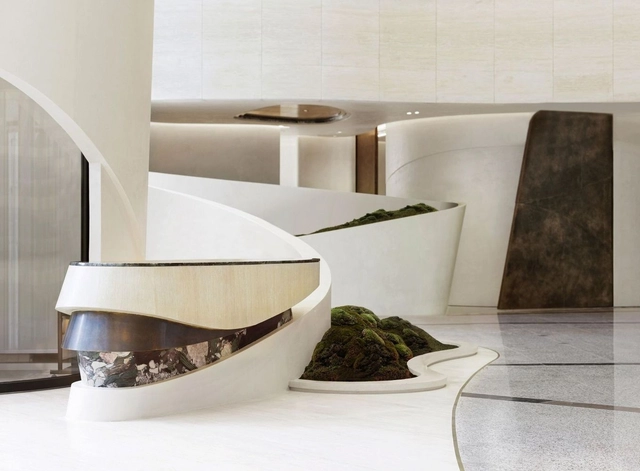
When thinking of marble, we often associate the material with ancient Greek sculptures, Classical architecture, or the Italian Renaissance. Monumental landmarks such as the St. Peter’s Basilica or the Taj Mahal, have positioned marble as an elite and timeless material that stands the test of time. And in today's conversations about the future of construction materials, amid sustainability, feasibility, and affordability, the natural stone remains high-caliber. In this interior focus, we’re taking a look at marble between the past, present, and future.
Over the years, interior design has evolved according to the needs that arise, but above all according to the experiences it seeks to evoke in the user. In the last two years we have witnessed a radical change and a special interest in this subject because the pandemic forced us to pay specific attention to the configuration of the places we inhabit. This brought about much more holistic designs that seek to address the wellbeing of the user, combining colours, sensory experiences, technology and natural elements that promote health.
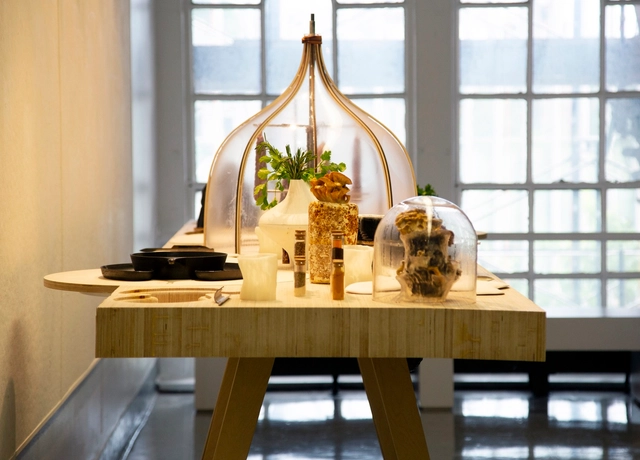
From supermarkets to superfoods, contemporary cultures of food production to consumption are based on the illusion that the crowning designation of “super” status represents a reliable global economic boom of food commodities in-play rather than a signal of an expanding cyclical agricultural crisis. Across diverse spaces that facilitate the extraction, transformation and distribution of food in this cycle—farms, warehouses, factories, grocery stores, restaurants—it is the domestic dining table, typically confined to food consumption, that is framed as a site for reinvention in the installation “Everything’s on theTable”.
https://www.archdaily.com/986998/everythings-on-the-table-reframing-the-dining-table-as-a-counter-architecture-to-superfood-phenomenaMae-ling Lokko and Hayley Eber
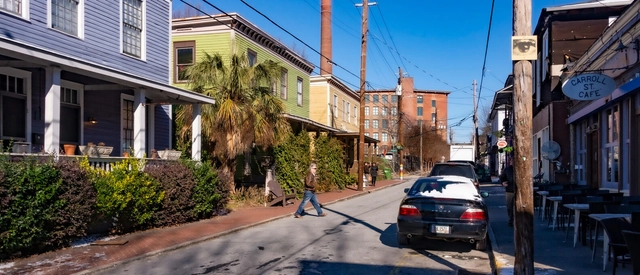
Of the four types of recovery facing American cities and towns—disaster, sprawl, disinvestment, and the recovery of community for those fleeing climate change—the recovery of places from serious disinvestment arguably gets the least amount of press today. But with reasonable effort, it’s the recovery type most likely to bear fruit. This is true for several reasons, beginning with the likelihood that many of the bones of sustainable placemaking are still in place. Newly built places, even if skillfully designed, often face the criticism of “lack of authenticity,” whereas places recovering from disinvestment abound with authentic scars from decades of distress. And places with humble origins were usually built in smaller increments than once-wealthy places, so the tighter rhythms of such places are inherently more interesting than those of grander scale early in recovery.
“Counting sheep” is a well-known mental exercise that people use when trying to fall asleep. It is thought to have been popularized by Miguel de Cervantes in Don Quixote, who is said to have been inspired by a twelfth-century Spanish tale. Whatever its origin, it is curious to think that falling asleep has been a problem for so long, even long before the invention of electric light or social networks on smartphones. In the early 2000s, the University of Oxford developed a study to prove the effectiveness of this sheep-related method. The conclusion: this tactic does not work.
Something thatis scientifically proven, however, is the relationship between the body's production of melatonin and the feeling of sleepiness at the end of the day, which can in turn lead to a restorative night of sleep. This is directly related to the circadian rhythm, our daily biological clock. This inner "clock" synchronizes our body's functioning and is highly influenced by the wavelengths and intensities of natural and electric light we are exposed to during the day. As we continue to spend more and more time indoors, typically with inadequate visual stimuli from electric lighting during the day, and too much stimulation from electronic devices and overhead lighting after dark - it is essential to focus on the study of lighting in architecture and how it affects people and their well-being.
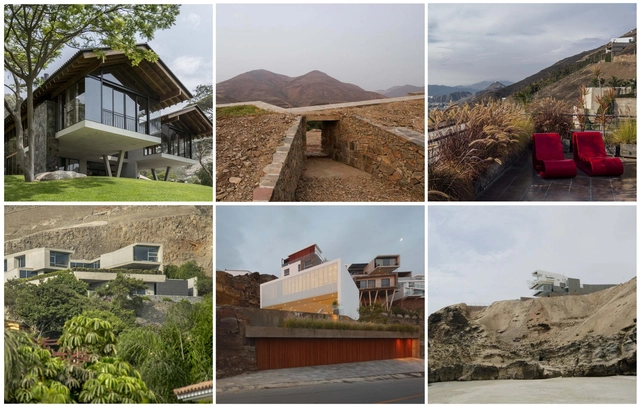
In architecture, one of the challenges faced by professionals is the design with sloping terrain. The steep slopes make it possible to think of an architecture that faces this context, being an opportunity to work in contact with the place, the spatiality, the visuals and the different heights.
Peru in the western and central part of South America, with its multiple geographical conditions in its three large regions -coast, andean and jungle-, has an architecture that is particularly committed to its landscape. The range of varied solutions has a unique and contextual architecture. The following list shows 10 residential projects in Peru, which reveal diverse architectural approaches.
Videos
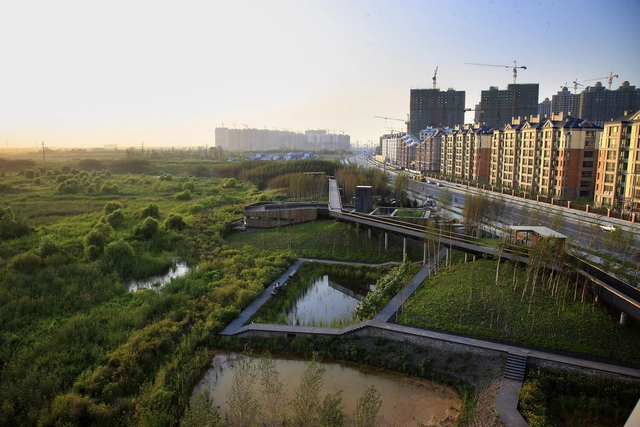
Qunli Stormwater Wetland Park / Turenscape. Image Cortesia de Turenscape
Eucalyptus forests in Australia are known to burn periodically. It is the trees' way of ensuring propagation, as its fruits – known as gumnuts – have an insulating layer breaks down with the heat of the fire. Once they open, the burnt soil is covered with seeds, initiating a process of forest renewal. Glenn Murcutt, an Australian architect, has created a body of work rooted in the country's landscape. His innovative houses embrace the possibility of frequent fires, including elements that allow for fire control with the least possible loss. In short, the houses are built with very non-flammable materials, always have huge water reservoirs, and a “flood system” that allows the building and its immediate surroundings to be spared in the case of a forest fire.
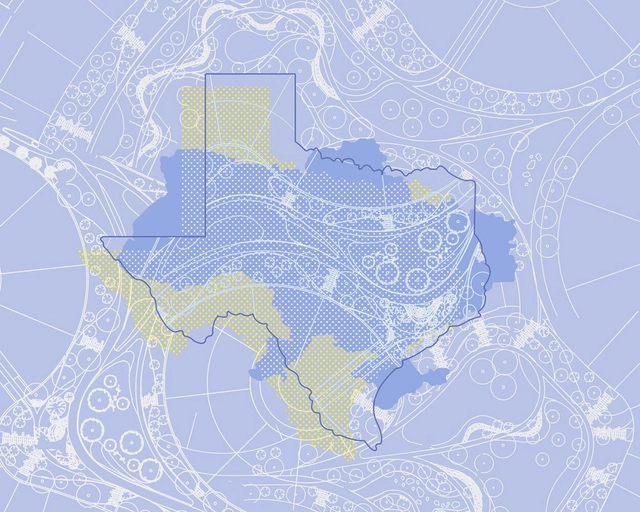
A graphic created by SWA Group overlays Texas (home to multiple SWA offices), Ukraine, and the work of new Ukrainian team members for a shared project in Egypt.. Image Courtesy of SWA Group
Videos
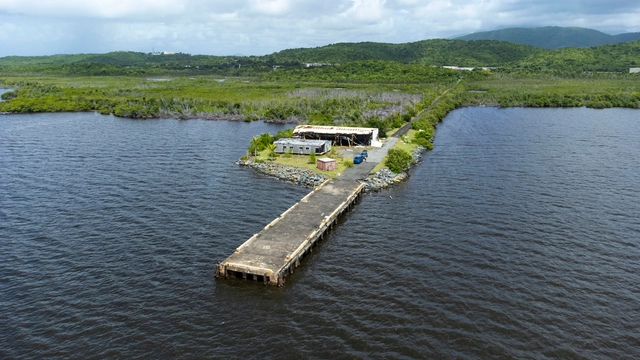
Courtesy of Puerto Rico’s Local Redevelopment Authority for Roosevelt Roads (LRA) / Roosevelt Roads
Puerto Rico’s Local Redevelopment Authority for Roosevelt Roads (LRA) is issuing a Request for Proposals (RFP #2022-004) through a Design Competition. The objective for this RFP is to obtain proposals from qualified architectural and engineering firms able to provide a full range of services – including studies, design, sustainability design, permits procurement and other services – for the development and construction of the Marine Business, Research and Innovation Center (MBRIC). Located in the eastern region of the island - specifically in the former Coast Guard Pier in Roosevelt Roads, Ceiba, municipality - the project will be developed in conjunction with Bluetide Puerto Rico, Inc., which collaborated with the LRA in the development of the program, as well as in establishing the needs and requirements necessary for the development of MBRIC. Bluetide will be responsible for overseeing the operation and maintenance of the facilities.



















.jpg?1658430879&format=webp&width=640&height=580)