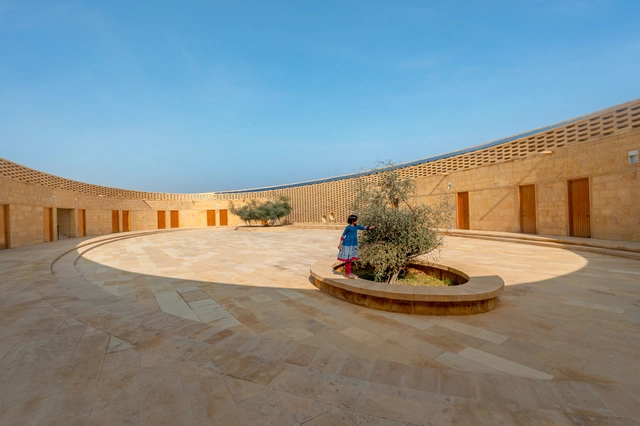
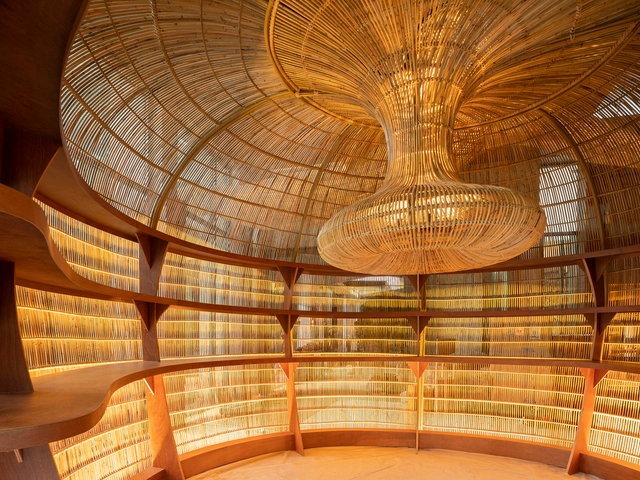
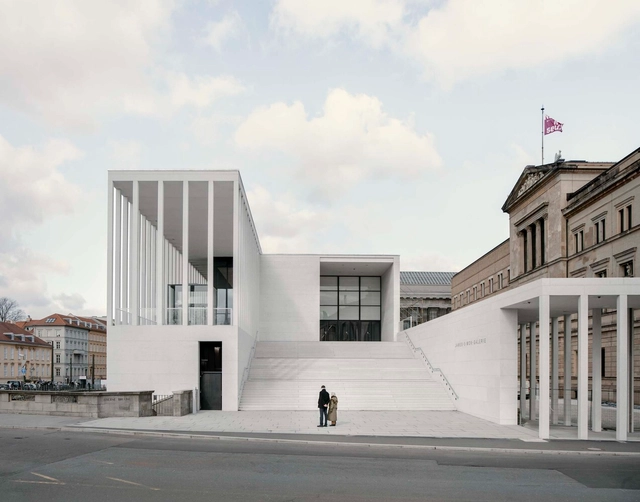
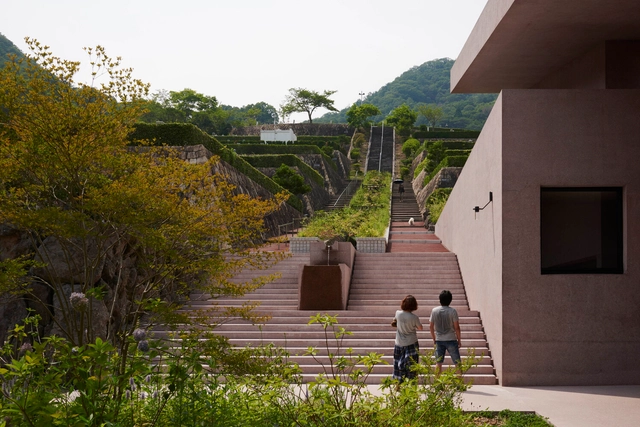
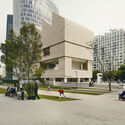
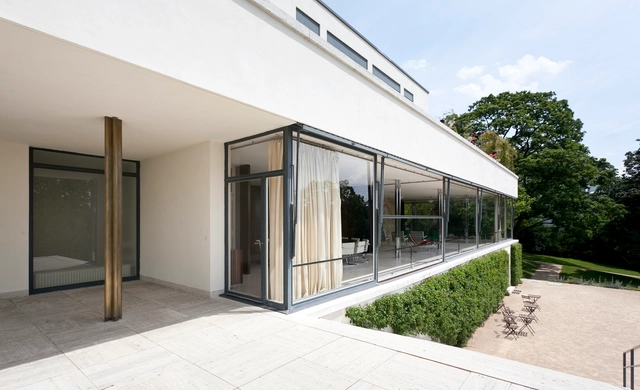
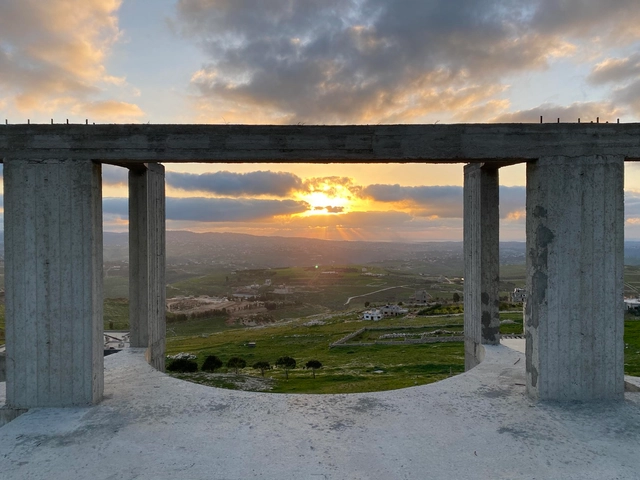
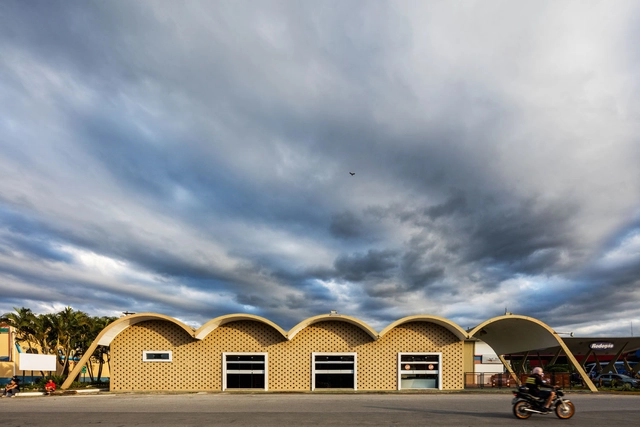
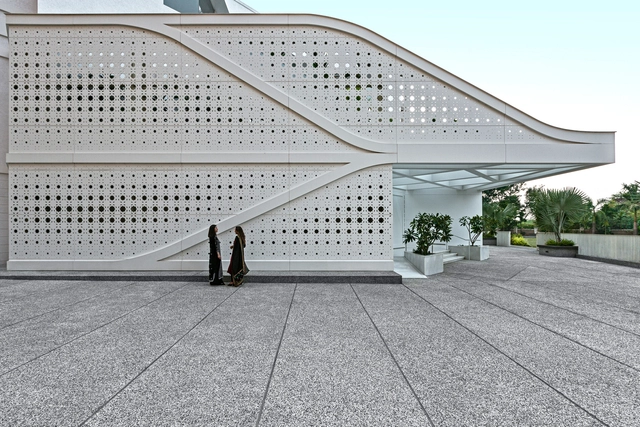
In both cases, the reduced area, simple materials and modest budget were not impediments to a virtuous architectural project that took full advantage of the qualities of the surroundings and the terrain's orientation, proving that limitations can serve as an impetus for higher quality projects.
March 8th is celebrated as International Women's Day, a date remembered for years as a symbol of the fight for their rights. However, although many countries have laws establishing equal rights for men and women, gender inequality and all its consequences are still experienced every day by girls and women all around the world. The patriarchal system, rooted in many societies over the centuries, has been responsible for inequality of power between the genders which, in the most extreme cases, results in violence and femicide.
Lighting is often a numbers game — too much, and interiors lose their edge (literally), too little, and the dim atmosphere can make a space seem bland. Its importance in interior design cannot be overstated: done right, it not only accentuates a space's architectural features but also makes inhabitants feel at ease. As Carmelo Zappulla of Lighting Studio External Reference explains in a recent interview with Architonic, light is a crucial tool to add an emotional element and "animate a space." It follows that a lighting concept gone wrong can have catastrophic consequences for an otherwise perfectly designed room.
Data Feminism, as conceptualized by D’Ignazio & Klein (2020), introduces intersectional feminism in data science and invites us to examine power relations and dynamics of oppression that are built into data infrastructures that underpin society today.
The 2023 Pritzker Prize has been awarded to Sir David Chipperfield, London-born, architect, urban planner, and activist. David Chipperfield, founded his architectural practice in 1985 in London under the name of David Chipperfield Architects, after shaping his career working with renowned architects such as Norman Foster, Richard Rogers, and Douglas Stephen. He studied art and architecture at the Kingston School of Art, graduating in 1976, and continued his studies at the Architectural Association School of Architecture in London, concluding in 1980. Today, David Chipperfield Architects has expanded to include offices in Berlin, Shanghai, Milan, and the latest office opened in Santiago de Compostela.
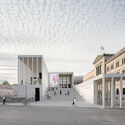
Few architects in history have had the honor and privilege of intervening in the famous St. Mark's Square in Venice — a tourist landmark of incomparable historical value to humanity. Sir David Chipperfield is one of them. As if that was not enough, he also left his mark on another project of inestimable value: the Neue Nationalgalerie, designed originally by Mies van der Rohe in Berlin. The four centuries that separate the design from its restoration seem to pose no difficulties for the 2023 Pritzker Prize winner, who rejects an international style of architecture in search of a trait that highlights local qualities.
By emulating manual manufacturing techniques, 3D printing utilizes digital models to create customized three-dimensional objects through an additive production process. This tool enables architecture to explore innovative forms, structures, and materialities, providing new paths for creative thinking. Progressively expanding its limits, 3D printing is integrating other existing technologies to unlock new uses and typologies. Such is the case with the work of Philipp Aduatz, which combines 3D printed textured structures with LED lighting, adding a new layer of complexity to enable the creation of the world's first 3D printed film studio.
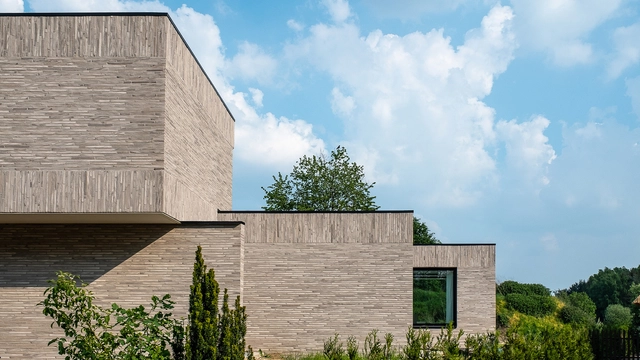
Villa Peer / UAU Collectiv Architects. Image Courtesy of Randers Tegl
Identified as small rectangular blocks made of fired or sun-dried clay, bricks have traditionally been used for building pavements, walls and other elements of masonry construction. Laid in courses or rows and joined together with mortar, bricks are known for their strong structural strength and durability. But beyond their basic functional purposes, their multiple patterns, sizes and shapes allow for a distinctive aesthetic with an infinite design versatility, becoming a design feature themselves. Showcasing an example of aesthetic brickwork, we will take a closer look of Villa Peer, an architecture project in Belgium that uses Randers Tegl’s long format waterstruck bricks as the main design feature for the whole building’s facade.
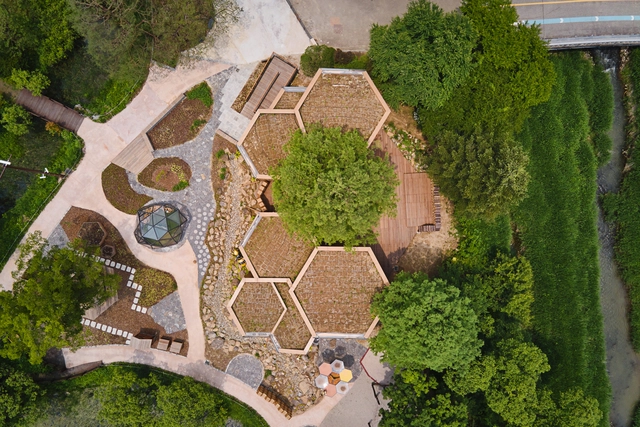
Despite not being found in nature, right angles are the most used by architects. In the search for more functionality and practicality in construction, squares and rectangles emerge as the main option when designing. On the other hand, several vernacular and ancestral architectures adopted arches and circular plans as a solution. The game of geometric shapes in the architectural composition is vast, but we cannot forget a polygon that also stands out: the hexagon.
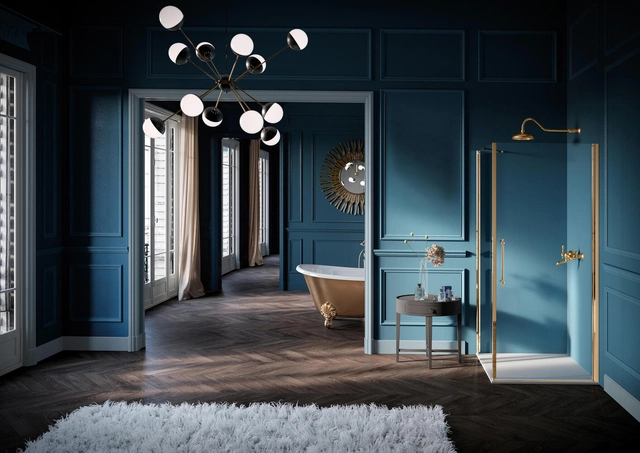
With frames and surrounding waterproof panels in any colour to match or contrast the surrounding decor, shower enclosures like Eterna from Samo are a useful tool in bathroom design. Image Courtesy of Samo
I’ve written before about my preference for showers over baths in the sanitation stakes. An instant hit of hygiene therapy, they’re quicker, cleaner, more energy efficient, and use less water than their horizontal siblings.
Thankfully, I’m not in the minority. Shower popularity means there’s a huge range of shapes, sizes, and types on the market. However, bathroom planning can be exhausting with so many to choose from. Here are six simple questions to ask when looking for the perfect shower enclosure to fit any type of space, lifestyle, or preference.
When people describe the modernist movement as a whole, they broadly reference the steel and glass skyscrapers which dot many of our cities’ skylines, or more specifically, the International Style that once emerged from Europe after World War I. The International Style represented technological and industrial progress and a renaissance of social constructs that would forever influence the way that we think about the use of space across all scales. Often designed as politically charged buildings seeking to make a statement towards totalitarian governments, many architects who influenced the style moved to the United States after World War II, paving the way for some of the most iconic buildings and skyscrapers to be built in the 20th century.
As farmers water crops by moonlight, undocumented children head to school and villagers scan the sky for surveillance airplanes—these are glimpses of a complex culture that emerges in south Lebanon after dark. In collecting some of these nightly practices, Mohamad Nahleh—lecturer in architecture and urbanism at MIT—journeyed across the landscapes of Jabal ‘Amil hoping to build a new alliance between architecture and the night. His "Path of Nightrise" research has turned into a construction to revive a forgotten river path and was published by Places Journal. The interview with Nahleh argues for a new nocturnal imagination in design and reveals, not only how the night has changed in Lebanon over time, but also how he has changed alongside it.
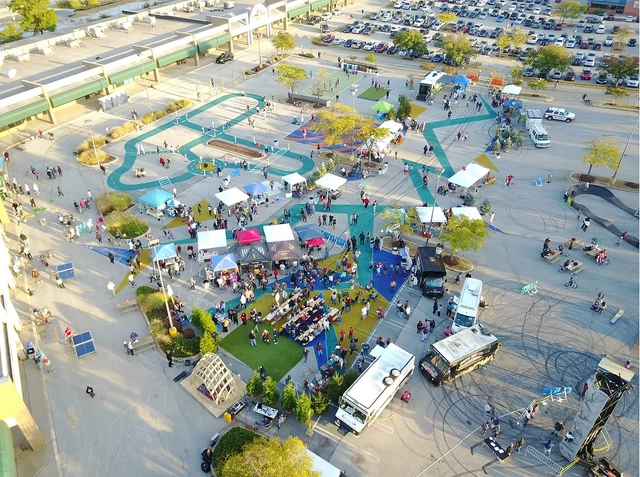
When streets lay empty, sidewalks untouched, and shutters hung heavy, the city seems lost of life. When businesses close, offices go remote and economic activity declines, the mechanisms that operate a city are idle. Vacant space and land are often perceived as “failed”, reflecting urban decline and economic blight. Emptiness, however, holds hope for possibilities and change. When urban voids are at the brink of transformation, what happens in the meanwhile?
Videos
AXOR Citterio E I AXOR Starck Shower Column. Image Courtesy of AXOR
Hadi Teherani approaches his architecture and design projects holistically. Born in Teheran and raised in Hamburg, he is a prolific and versatile designer whose works can be found in Germany and all over the world. His projects have been recognized with internationally renowned awards for their ecologically-sound sustainability and holistic approach. Maybe that’s the reason for his constant stream of ideas: he sees the process of creation as a reaction to what he sees, senses and feels.
Designing from personal perception and inspiration, Teherani's bathroom concept for the AXOR DISTINCTIVE project was born. When asked by the brand how he would define his very personal “bathroom with personality”, the architect answered with a design that reflects an individual idea of this space, derived from this self-image — in its daily use, its design and its furnishing.
The banker Orozimbo Roxo Loureiro created the 500 Club in the early 1950s. It followed the lines of the former 200 Club, founded by President Washington Luís to bring together influential politicians and businessmen away from the spotlight of capital cities. The initial idea of a social club did not prosper, and Orozimbo decided to develop a commercial and tourist enterprise in the area, which is well positioned between the two largest Brazilian cities.
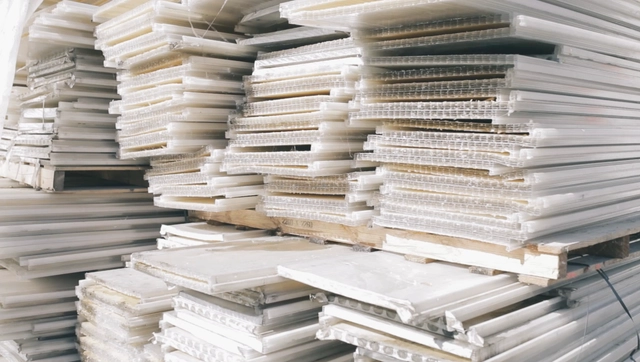
Sustainability needs to go further beyond inspiring speeches and promises, with visible, concrete actions. In order to see this change, it is essential for individuals, companies and governments to take responsibility and act in a sustainable manner in their daily lives and practices. By taking into account the environmental and social impacts of their decisions and seeking more conscious and responsible alternatives, they can take steps to ensure a sustainable future for the next generations. In the construction industry this is even more urgent. Responsible for a large amount of solid waste and greenhouse gas emissions, it is essential for this industry to adopt sustainable practices, such as recycling, to minimize environmental impacts.
However, even though product recycling processes have significantly advanced in recent years, there are still certain challenges associated with the use of recycled materials. This is due to a variety of factors, such as performance and durability, or even due to the difficulty of obtaining suitable raw materials. But there are also successful examples that show the possibilities of recycled materials.
Walking through the streets of Mumbai, India, is an experience unmatched anywhere else. The energy of India’s largest and most populous city is palpable through the people, their activities, and most importantly, the built environment. The city’s dynamic culture is evidently expressed through the structures that dot its landscape.
Mumbai is an eclectic mix of buildings large and small, old and new, and traditional and modern. The city of contrasts boasts an architectural legacy that goes back over 2000 years. Located in the state of Maharashtra along the west coast of India, Mumbai hosts a variety of architectural styles such as Victorian, Gothic, Art Deco, Indo-Saracenic, Modern and Post-modern. The city is characterized by its old charm and liveliness, a diverse stage for people to pursue their dreams.