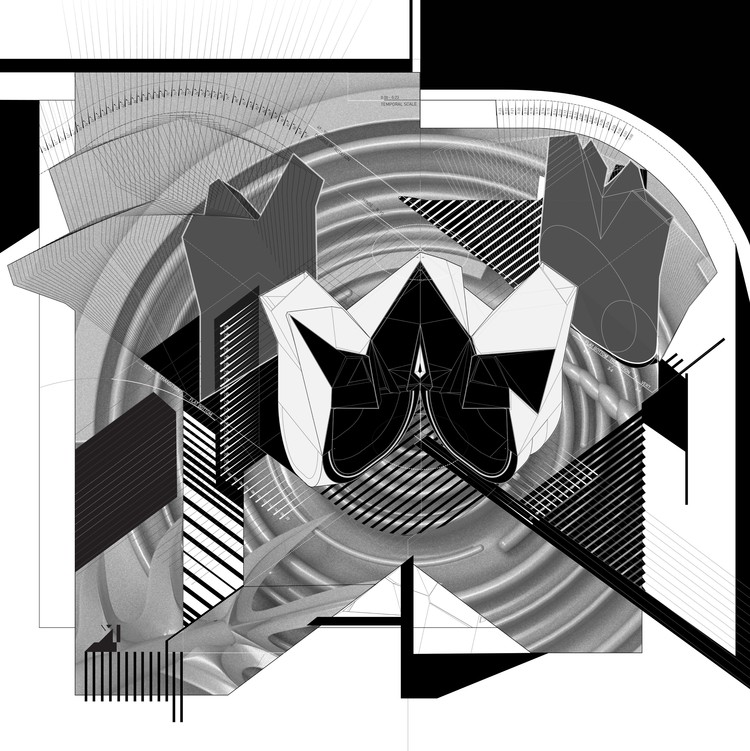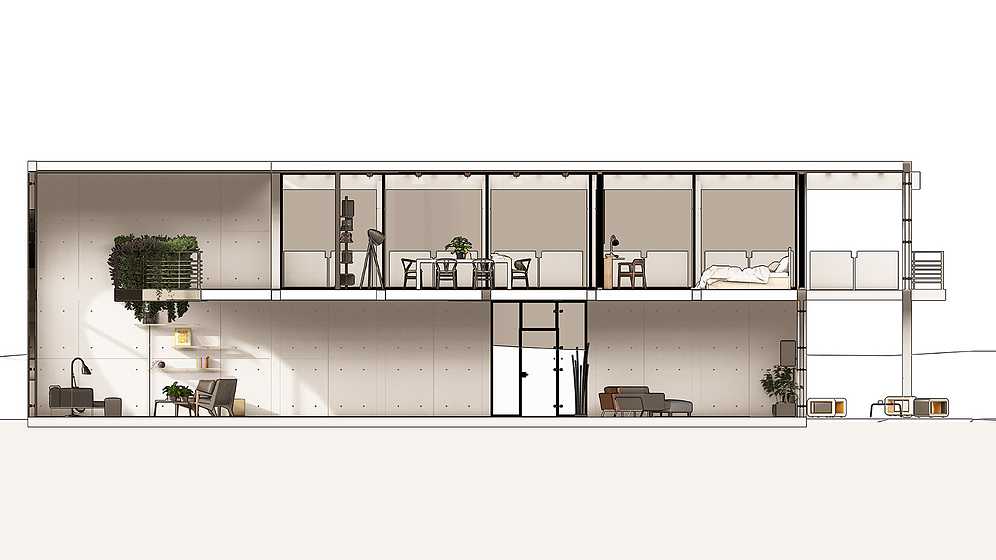
Produce personalized presentation boards that distill complex concepts into simple visual representations with a few helpful tools and effects.


Produce personalized presentation boards that distill complex concepts into simple visual representations with a few helpful tools and effects.

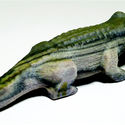
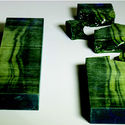
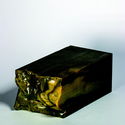
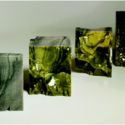
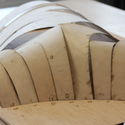
Researchers at New York’s Columbia University have unveiled a method of vibrantly replicating the external and internal structure of materials such as wood using a 3D printer and specialist scanning techniques. While conveying the external profile and patterns of natural objects is tried and tested, a major challenge in the 3D printing industry has been replicating an object’s internal texture.
In their recent study “Digital Wood: 3D Internal Color Texture Mapping” the research team describes how a system of “color and voxel mapping “led to the production of a 3D printed closely resembling the texture of olive wood, including a cut-through section.
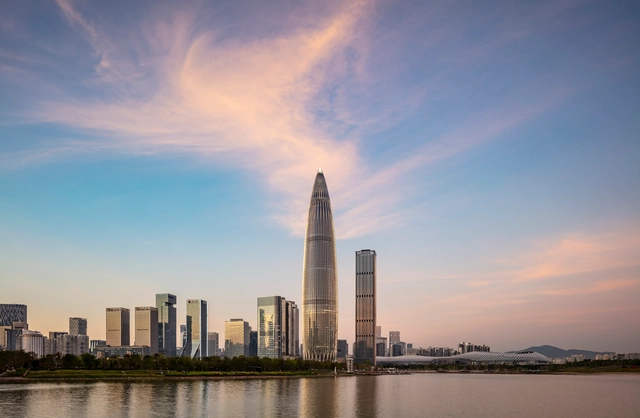
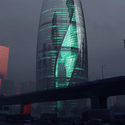
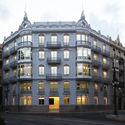
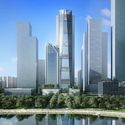
Kohn Pedersen Fox Associates (KPF) has announced the completion of the third-tallest building in Shenzhen. The China Resources Headquarters, a 400-meter-tall commercial office tower, stitches together retail, residential, and office functions surrounded by 2,000 square meters of public space.
The tower, inspired by the shape of winter bamboo shoots, seeks to “invigorate Shenzhen’s urban fabric while providing one of the country’s premier companies with a visual icon symbolizing its historic growth and prominent stature.”
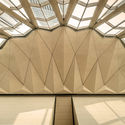


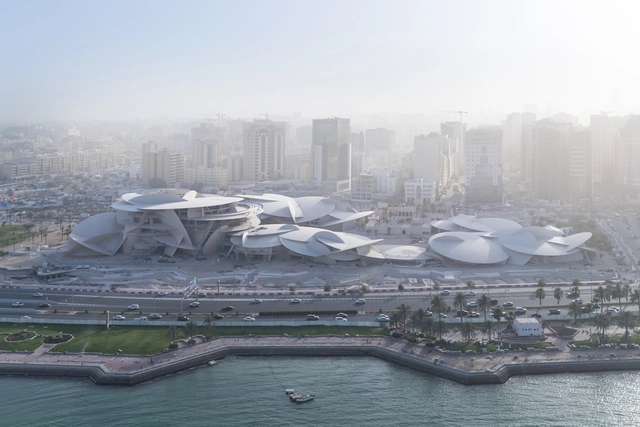
As 2018 winds to a close, we've started to look ahead to the projects we're most looking forward to in 2019. Many of the projects listed here have been in the works for years, having experienced the frustrating false starts and lulls that come in a profession dependent on long-term and significant capital investment, not to mention changing politics.
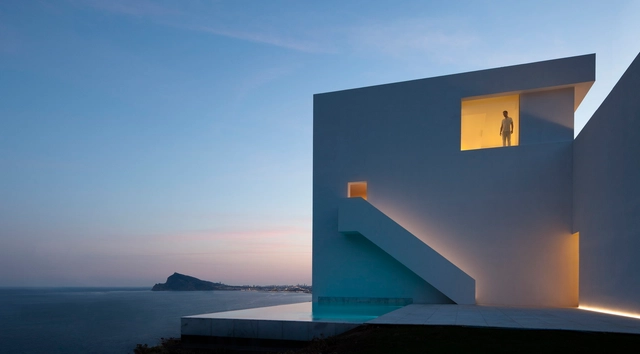
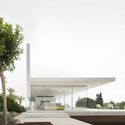
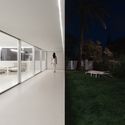
Spanish architect Fran Silvestre is well known for his portfolio of nuanced, clean, and decidedly modern works. Each project is as stunning as the next, the type of home that shows up in Bond films and populates the Pinterest boards of aspiring homeowners.
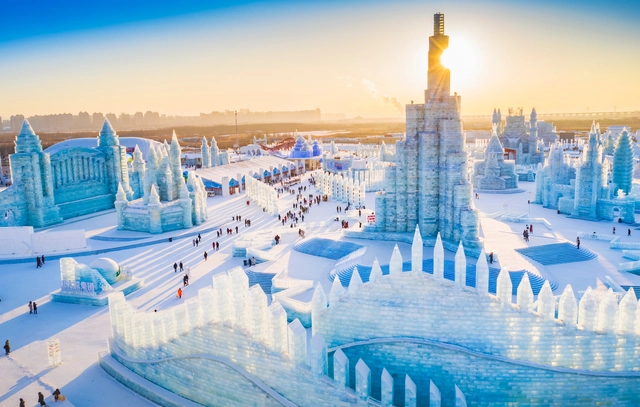
The world’s largest ice festival has opened to the public in China. The Harbin International Ice and Snow Festival in Heilongjiang, North-Eastern China draws 18 million visitors, marveling at the festival’s spectacular castles and sculptures. In total, the 2019 edition saw 120,000 cubic meters of ice and 111,000 cubic meters of snow crafted by thousands of artists in temperatures as low as -35C (-31F) using swing saws, chisels, and ice picks.
Having begun as an annual tradition in 1985, the festival has gained accolades such as the Guinness Record for the world’s largest snow sculpture (250 meters long and 8.5 meters high). The 2019 festival sees more than 100 landmarks, and ice sculptures by artists from 12 countries.
The Harbin Festival will be open for one month, closing on February 5th. Below, we have rounded up our favorite images of the festival so far, demonstrating that red hot architecture can be cold as ice.
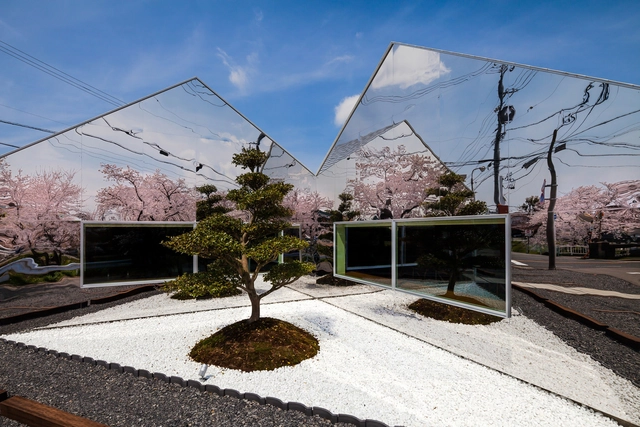
The A’ Design Award is an international award whose aim is to provide designers, architects, and innovators from all architecture and design fields with a competitive platform to showcase their work and products to a global audience. Among the design world's many awards, the A' Design Award stands out for its exceptional scale and breadth; in 2015, over 1,000 different designs received awards, with all fields of design recognized by the award's 100 different categories.
The World Design Rankings (WDR) are sponsored by the A' Design Award and Competition, the world's leading international design accolade. The WDR ranks all the countries based on the number of designers that have been granted with the A' Design Award between the years 2010 and 2018. Highly competitive and influential, WDR is to design what the Olympics are to sports. It aims to provide additional data and insights to economists and journalists regarding the state-of-art in the design industry. The ultimate aim of the world design rankings is to contribute to global design culture through advocating and highlighting good design. The rankings aim to provide a snapshot of the state-of-art and design potentials of countries worldwide by highlighting their creative strengths and available opportunities.
The United States tops the list with 584 awards, followed by China (554), and Japan (215). Take a look at our favorite architectural projects below.
The submission period for the A' Design Award closes on February 28th. You can register here. After the winners are announced on April 15th, a selection of architecture-related winners will be featured in a post on ArchDaily.
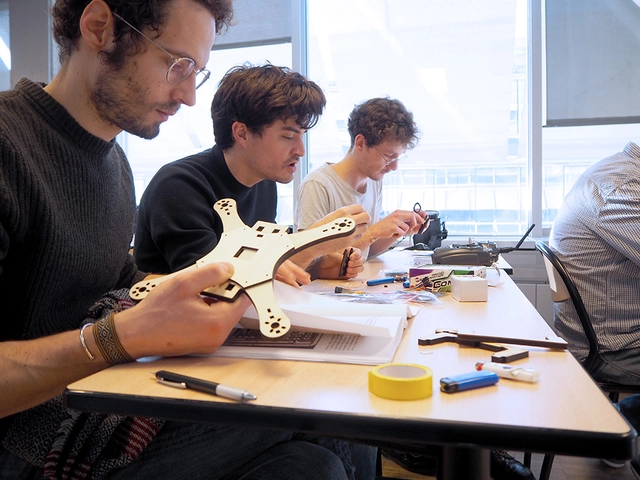
In 2016, Ecole des Ponts ParisTech has established an advanced masters program with a focus on digital fabrication and robotics. Currently recruiting for its fourth installment, the Design by Data Advanced Masters Program appeals to architects, engineers, and tech-oriented designers. Since its launch in 2016, the program’s director Francesco Cingolani has sought to shape the relationship between architecture and technology by creating a cross-disciplinary culture between the two.
As previously mentioned on Archdaily, students study the main components of the program - computational design, digital culture and design, and additive manufacturing and robotic fabrication - throughout the 12-month program to fulfill Design by Data’s main objectives while working with peers in a dynamic learning environment. While providing each participant with both technical skills and an aesthetic eye, the program ensures students will also gain critical knowledge of current innovative trends and ongoing research. By exposing them to technology through hands-on use of tools of digital fabrication, the program will teach students to approach design through a process-oriented lens.
.jpg?1546802933&format=webp&width=640&height=580)
After years of construction, the world's first underwater hotel has officially opened in the Maldives. The hotel, part of the Conrad Maldives Rangali Island, will allow guests to relax within the waters of the Indian Ocean and is touted by the developers as "an ambitious display of architecture, design, and technology."
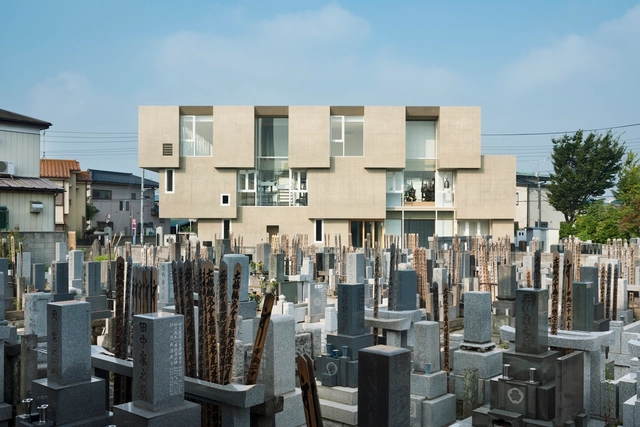
Religious architecture has long been one of the most exciting typologies, one has long paved the way for various design and structural innovations. Faith & Form magazine and Interfaith Forum on Religion, Art and Architecture (IFRAA) annually recognize the continued creativity defining the field.
This year's winners include 35 projects that span a variety of religious denominations, sizes, and location. Additionally, the award has recognized two trends defining contemporary religious architecture: "the preference for natural materials in worship environments, and inventive design solutions to address tight budgets."
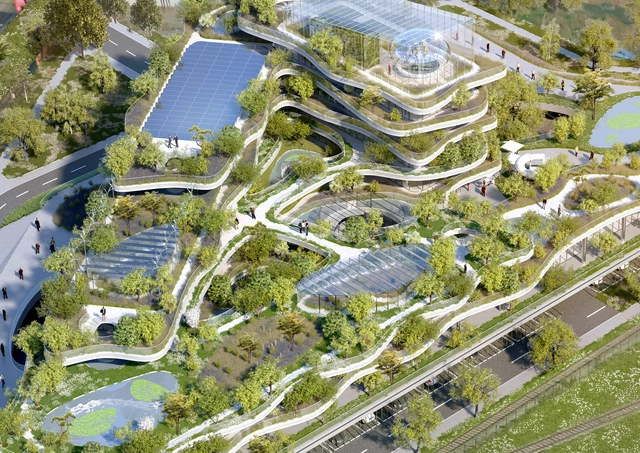
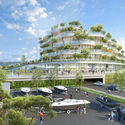
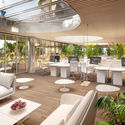
In a design proposal for Soprema’s new company headquarters in Strasbourg, France, Vincent Callebaut Architectures envisions an 8,225 square-meter ecological utopia. The building, called Semaphore, is described in the program as a “green flex office for nomad co-workers” and is dedicated to urban agriculture and employee well-being.
An eco-futuristic building, Semaphore is inspired by biomimicry and intended as a poetic landmark, as well as aiming to serve as a showcase for Soprema’s entire range of insulation, waterproofing, and greening products. The design is an ecological prototype of the green city of the future, working to achieve a symbiosis between humans and nature.
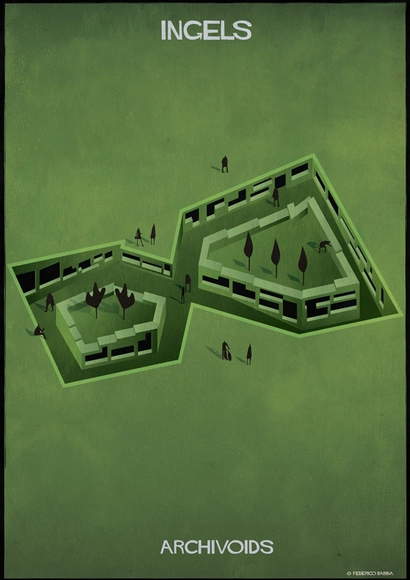
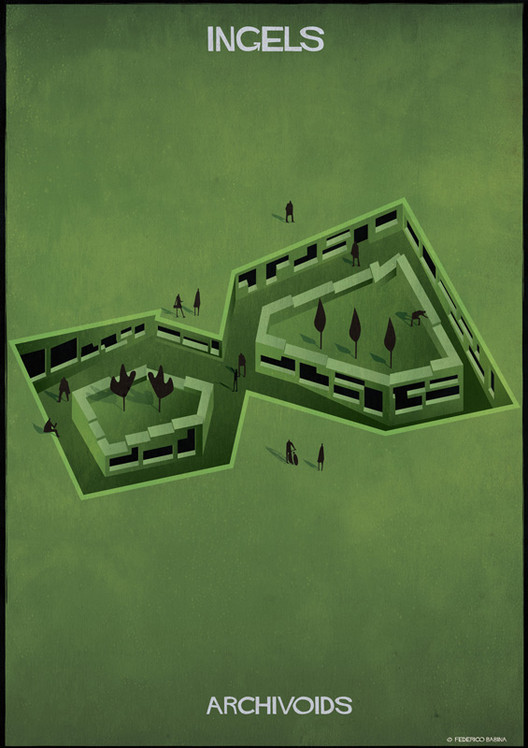
Italian artist Federico Babina has published the latest in his impressive portfolio of architectural illustrations. “Archivoid” seeks to “sculpt invisible masses of space” through the reading of negatives – using the architectural language of famous designers past and present, from Frank Lloyd Wright to Bjarke Ingels.
Babina’s images create an inverse point of view, a reversal of perception for an alternative reading of space, and reality itself. Making negative space his protagonist, Babina traces the “Architectural footprints” of famous architects, coupling mysterious geometries with a vibrant color scheme.
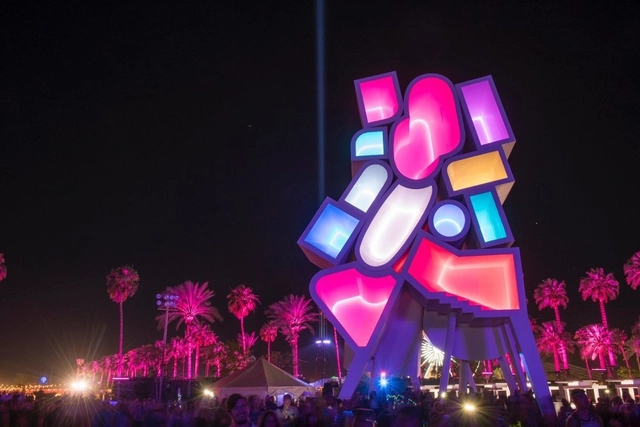
Francis Kéré, Office Kovacs, and NEWSUBSTANCE are among a set of designers selected to create art installations for the Coachella Arts and Music Festival in California. The 2019 lineup has been announced with Childish Gambino, Tame Impala, and Ariana Grande headlining the two-weekend experience. Over half a dozen large-scale installations will be built at Coachella, where over 100,000 people will experience the work of up-and-coming artists, designers and architects.
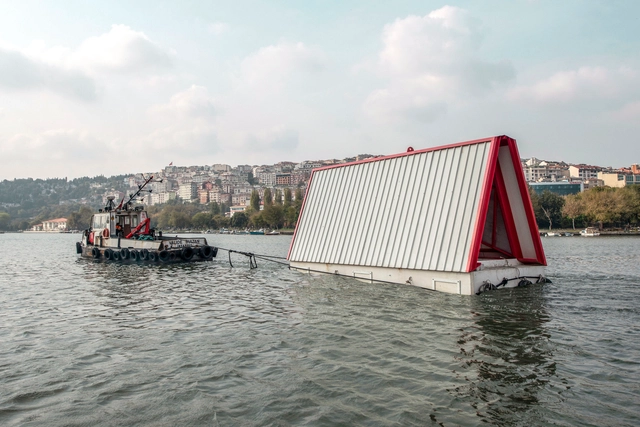
Istanbul-based practice SO? have designed and built a prototype floating structure for post-earthquake relief. “Fold&Float” is formed of a light, foldable steel structure specifically designed for emergency situations.
Developed off the back of emergency assembly points being designated by the authorities in 2001, SO? questioned where people could be housed in the event of an earthquake. The question has gained added significance in the last 20 years, with Istanbul having privatized 70% of the land set aside for emergency assembly. The result was a floating structure that depends not on vacant, stable land, but on managing water.
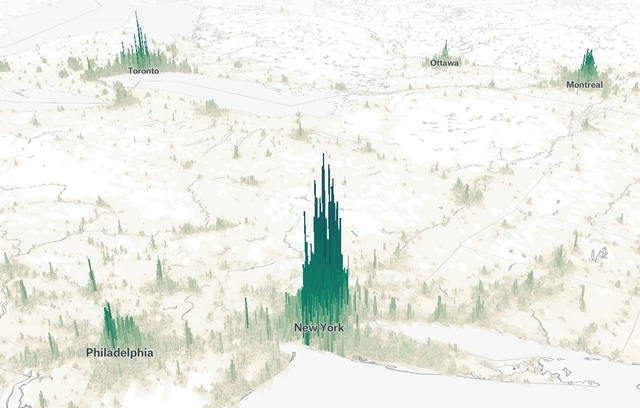
Engineer Matt Daniels has created a new interactive map to visualize the world's populations. Called 'Human Terrain', the project includes extruded block-by-block population data for cities across the world to give viewers fine-grain insight into population distribution. Daniels used data from the Global Human Settlement Layer and processed it using Google Earth Engine to create a mountainous digital landscape.
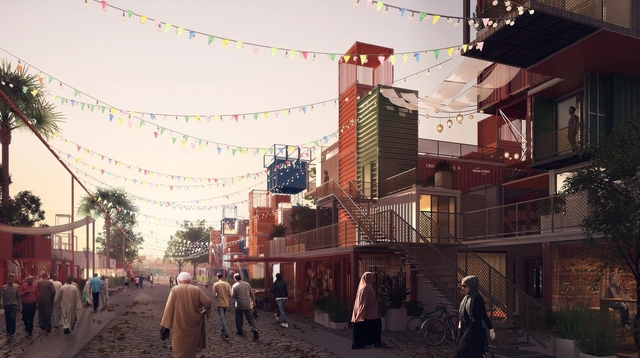
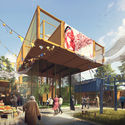
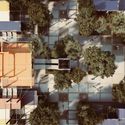
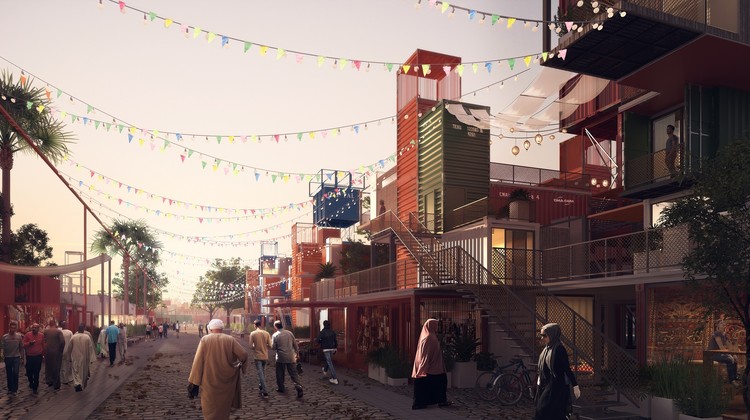
UAE based architects Mouaz Abouzaid, Bassel Omara and Ahmed Hammad have designed a shipping container housing project for Cairo, Egypt. Dubbed ‘Sheltainer’, the project aims to address a need for low-income, student and refugee housing. The design focuses on Egyptian life around a single house unit with all the necessary needs for a small family. Sheltainer aims to offer a flexible solution with new open spaces, activities and homes.
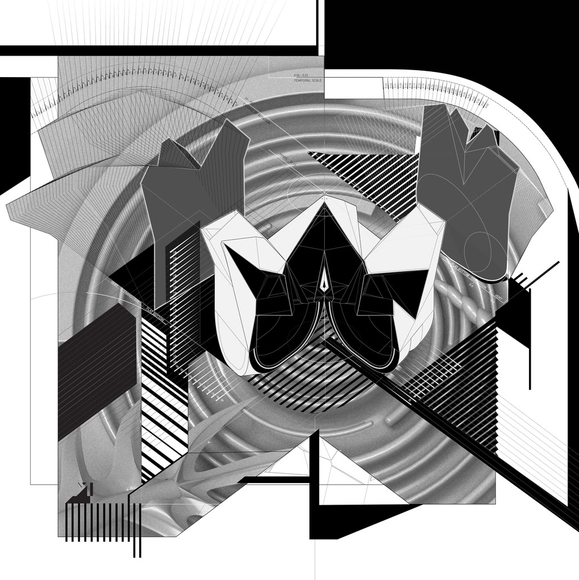
The Cooper Union is to host a new exhibition showcasing the impact of technology on architectural drawing. “Drawing Codes: Experimental Protocols of Architectural Representation: Volume II” will examine how “emerging design and production technologies impact the ways in which architects engage with traditional practices of architectural drawing and how rules inform the ways the built environment is documented, analyzed, represented, and designed."
The exhibition will feature 24 experimental drawings by firms such as Aranda\Lasch, Höweler + Yoon, and Outpost Office. The artists were challenged by the curators to consider at least one concept that expands on the notion of “code” in design and representation. A strict set of rules was enforced, including black and white media, and limiting the drawing to two dimensions.
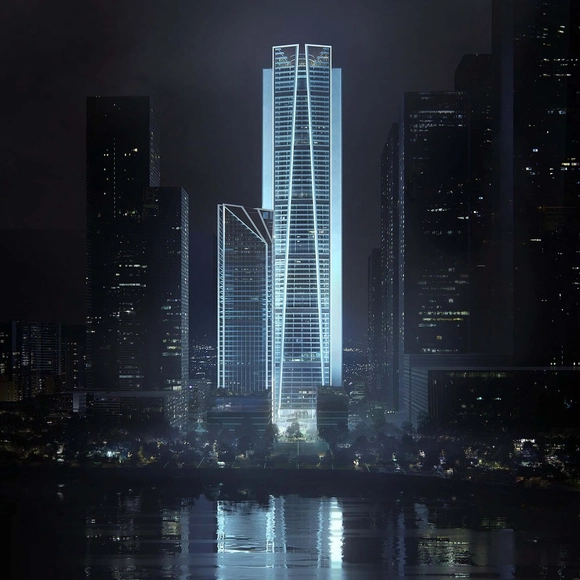
Foster + Partners has released details of their proposed China Merchants Bank HQ in Shenzhen. The soaring 350-meter tower, intended to house the bank’s 13,000-strong workforce, will be complemented by a sister tower 180 meters in height, containing a luxury hotel and mixed-use office, cultural, and retail spaces.
The taller office tower is comprised of large-span column-free floorplates supported by offset cores at either side. A glazed façade has been shaped to avoid downdrafts, thus making the surrounding open spaces on the ground floor more comfortable for the public.
.jpg?1546524182 "China Merchants Taiza Bay, Shenzhen. Image Courtesy of Foster + Partners")



Japanese practice Azusa Sekkei has been selected for the Newcastle Courthouse adaptive reuse in Australia. The project will become an international campus for the Tokyo-based Nihon University. The proposed facility will include the demolition of later modern additions to the courthouse that will be replaced by four story buildings. Designed with minimalist aesthetics, the project is made to follow the symmetry of the former courthouse while conserving the original structure for educational programs.

As an initiative of the Archiprix Foundation, Archiprix International 2019 recently invited all schools worldwide in Architecture, Urbanism and Landscape Architecture to select and submit their best graduation project. "This graduation work presents a wealth of ideas for a broad range of contemporary and future challenges", explains the organization on its website.
After analyzing all the submissions sent by universities from more than 100 countries, the jury —Francisco Díaz, Rosetta Elkin, Marta Moreira, Martino Tattara, and Sam Jacoby— nominated 22 projects for the awards in a special session held in Santiago, Chile. The winners of the awards will be announced at the Award ceremony on May the 3rd 2019 in the same city.
The complete list (in alphabetical order) of the projects nominated for the awards, below:
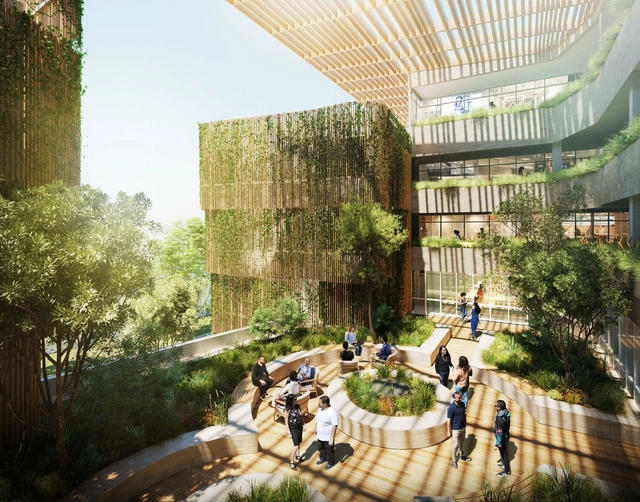
The University of Technology Sydney will open Australia's first Indigenous residential college to encourage more Aboriginal and Torres Strait Islander students into higher education. The $100 million facility will offer a comprehensive range of services to celebrate Indigenous identity and culture. Students from across Australia will be invited to apply and the cost of their accommodation and support services such as tutoring and mentorship will be covered by the university.
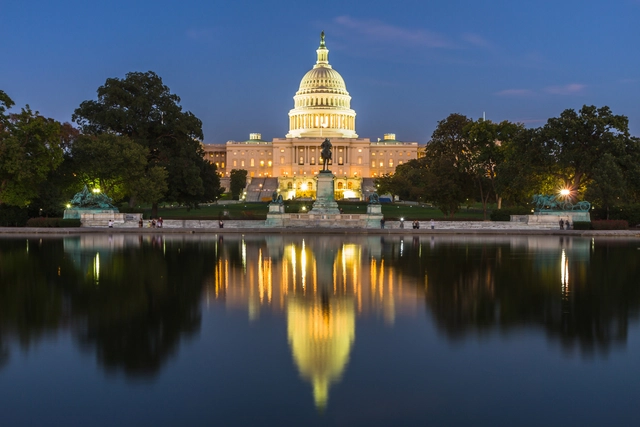
The United States Congress has passed a bill which will lead to architecture being officially recognized as a STEM subject. The Carl D. Perkins Career and Technical Education (CTE) Act was lobbied by the AIA in an effort to “encourage a more diverse workforce, fulfill the promise of design as the synthesis of art and science, and affect a fundamental change in educational curricula.”
The bi-partisan act will allow states to use federal money to modernize the Career and Technical Education curriculum, allowing for an increase in funds available for architectural education at a high-school level. The recognition of architecture as a STEM subject embodies the profession’s history of ingenuity and problem solving, and its operating spheres at the intersection of art and science.
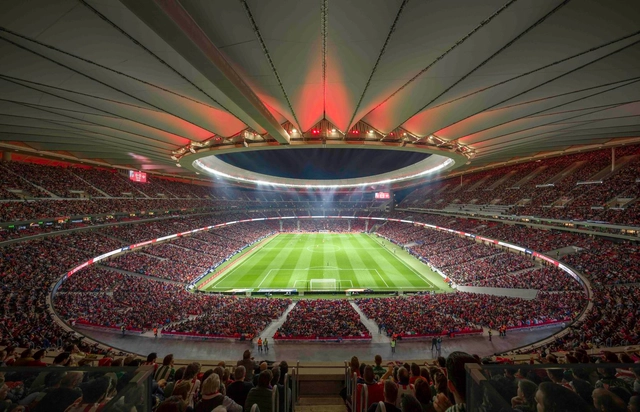
The recently-completed Wanda Metropolitano in Madrid by Cruz y Ortiz Architects has been named as the best stadium in the world during the World Football Summit 2018. The stadium was opened in September 2017 and is set to host the 2019 UEFA Champions League final in May of this year.
In awarding the accolade, the jury praised the scheme’s aesthetics, operational program, flexibility to hold a wide range of events, use of technology, and “above all, a unique experience for the spectator in terms of comfort, services, and safety.”
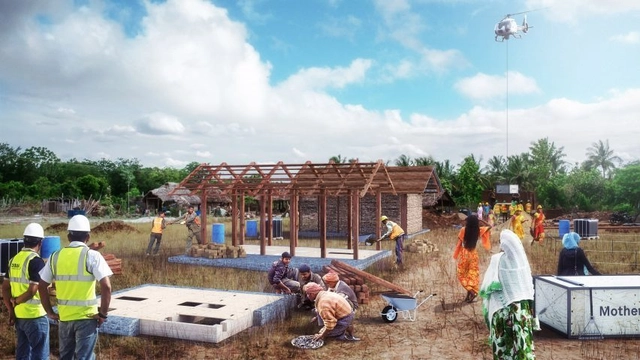
Architecture practice Carlo Ratti Associati has designed a low-cost prefabricated housing system for Indian non-profit WeRise. The new "Livingboard" system was made so that homeowners can build any structure they like on top of it. Made as a pilot project to encourage rural housing development, the system is being tested in a village outside Bangalore. As a portable "motherboard", the design provides homeowners prefabricated and flat-packed elements like waste management and water treatment systems.
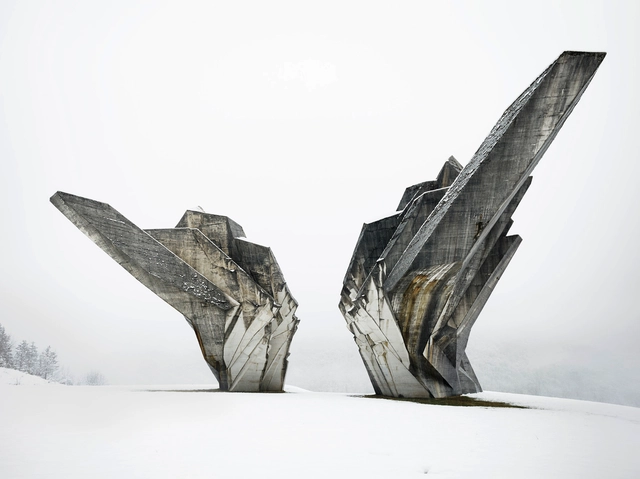
Since July 2018, the Museum of Modern Art (MoMA) has hosted an exhibition exploring the architecture of the former Yugoslavia. “Concrete Utopia: Architecture in Yugoslavia, 1948-1980” became the first major US exhibition to study the subject, through over 400 drawings, models, photographs, and films.
With the exhibition soon coming to an end, Martino Stierli (Chief Curator of Architecture and Design at MoMA) and Vladimir Kulic (Guest Curator and Architecture Historian) have presented a 7-minute-long video guiding viewers through the highlights of the exhibition.