
Conventional construction often begins with a specification: a particular brick, concrete mix, manufactured panel or finish selected for a proposed building. What changes when the design process begins with a material that has already been recovered, produced or made available? Today, projects approach material resources through different processes: recovery, recycling and the engineering of locally sourced bamboo. Taken together, the varied approaches will show how material sourcing and processing can influence architectural decisions before a product reaches the building site.
Working with recovered or locally available materials introduces a different set of conditions into the design process. Recovered components rarely arrive in standardized dimensions or predictable quantities. Architects need to establish how many usable components are available, what condition they are in and whether their dimensions suit the proposed application. The available stock can influence the building's dimensions, the distribution of materials and the sequence of construction.



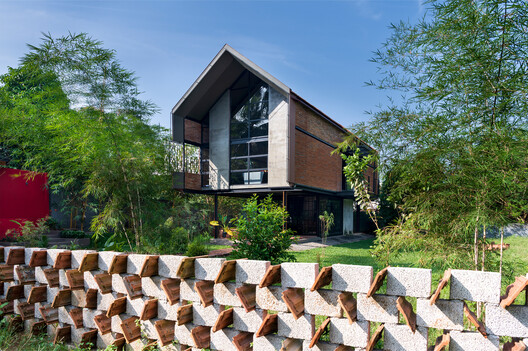
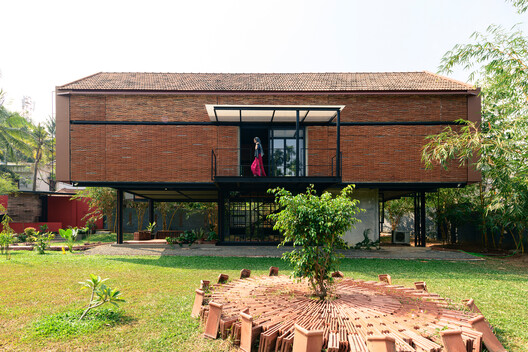
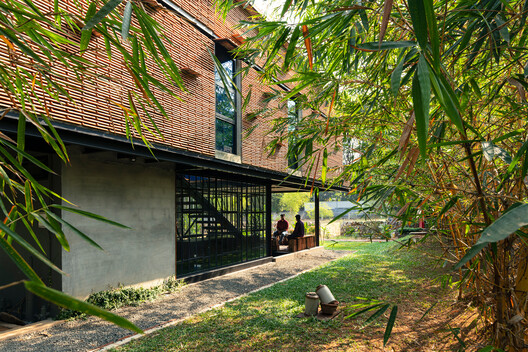
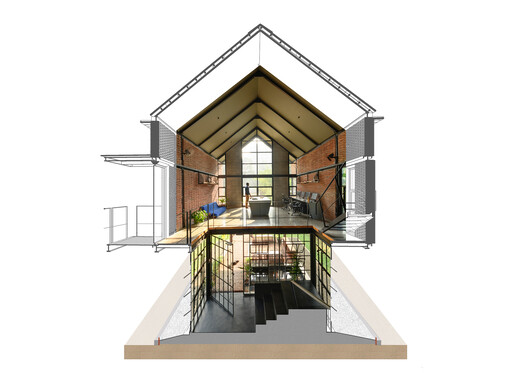
Designed by Koshish in Kochi, the house incorporates 14,858 reclaimed Mangalore tiles, as well as steel and windows salvaged from a textile factory eight kilometers from the site. The tiles were collected from four locations and reused across the building's pathways, walls and roof. Tiles conventionally used for roofing are also incorporated into pathways and walls. The available quantity and condition of the tiles influence where they can be used across the house.
Related Article
How to Measure the Life Cycle of a Construction Material?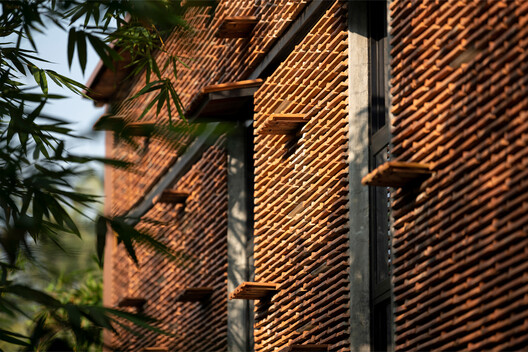
At Koshish House, the available materials influence design decisions that would ordinarily be made through specification and procurement. The number and condition of the tiles affect their distribution across the house, including their use on walls, pathways and the roof. Reusing these components also requires decisions about their condition and suitability for each application. Each component needs to be checked for damage and assessed against the demands of its proposed use. The design is therefore informed by the quantity and condition of the recovered stock, as well as the uses for which each component is suitable.
Recycling involves a different material process. Plastic recycling involves collecting and processing discarded material into a form that can be manufactured into new components. For architecture, the next step is to produce components with consistent dimensions and properties that meet the requirements of their intended use.
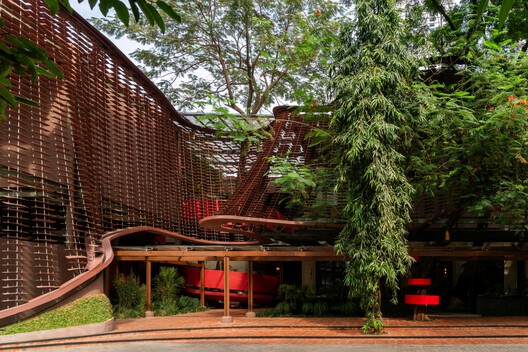
RAD+ar's Lattice Creative Garden in Jakarta uses recycled plastic to construct an external shading system. The project description states that 4,800 kilograms of plastic collected from the SCBD business district's waste stream were used to manufacture 16,800 lattice plates. The plates are suspended from a tensioned cable system, forming an undulating external screen designed to provide solar shading.
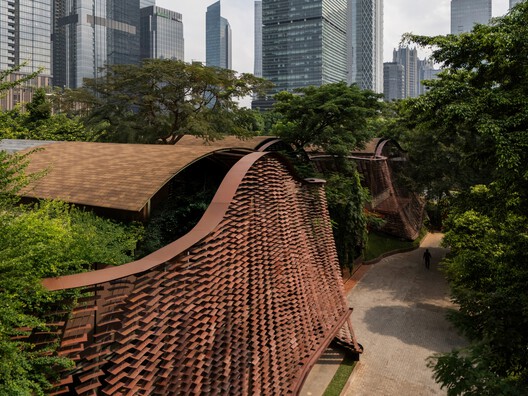
The architects relate the screen to traditional Indonesian latticework, adapting the use of patterned openings and filtered light through a system of recycled-plastic plates and tensioned cables. The repeated plates create the screen's pattern and determine how it is distributed across the façade. The recycled plates are therefore part of the building's shading system and visual composition, rather than a material used only for its recycled content.

The environmental performance of the resulting component depends on more than the fact that it contains recycled plastic. Its service life will depend on how the plastic responds to prolonged exposure, how often the plates need maintenance or replacement, and whether they can be recovered at the end of use. An assessment should therefore account for the material diverted from disposal, the component's service life and its end-of-life options. Material sourcing also involves resources that are newly harvested or produced for construction. The source of a material and the processes used to manufacture it can influence its structural properties, availability and relationship to local construction practices.
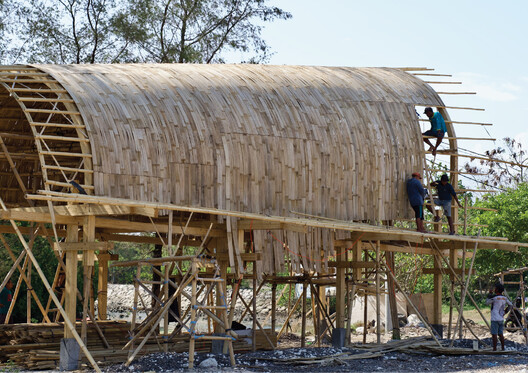
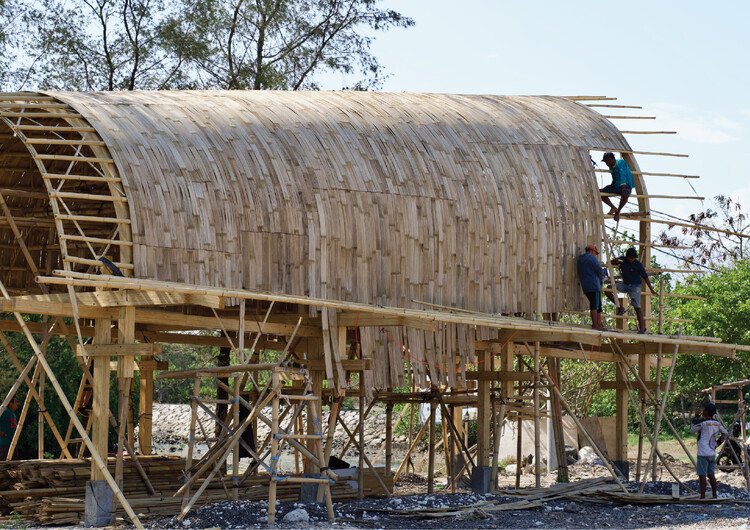
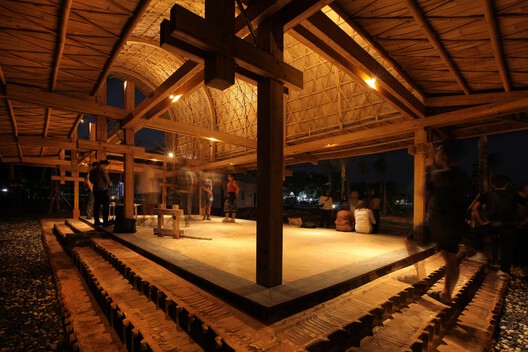
Located at Mertasari Beach in Bali, the 84-square-meters pavilion by Cave Urban reinterprets the Bale Banjar, a traditional Balinese community meeting space. The pavilion's laminated bamboo structure is supplied through Indobamboo, which links smallholder forestry cooperatives in Flores with manufacturing in Bali. The pavilion also incorporates other materials, including reclaimed roof tiles and Ulin wood. The curved laminated bamboo roof rises to approximately 8.5 metres, spanning an open pavilion beneath it.
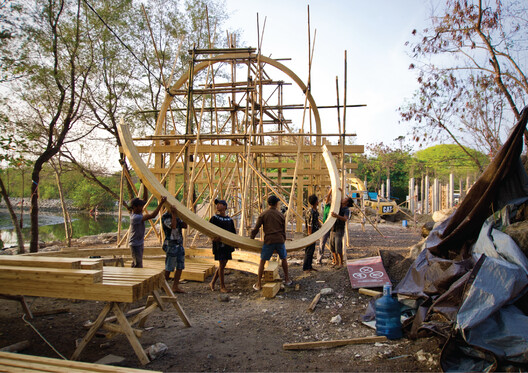
BaleBio extends the article's material focus from recovery and recycling to resource provenance and engineering. The project links the sourcing of bamboo in Flores with its engineering and manufacture in Bali. Lamination allows the bamboo to be manufactured into structural members, while the supply chain links forestry cooperatives in Flores with production in Bali. The pavilion retains the open communal character of the Bale Banjar while using an engineered bamboo roof to shape its contemporary form.
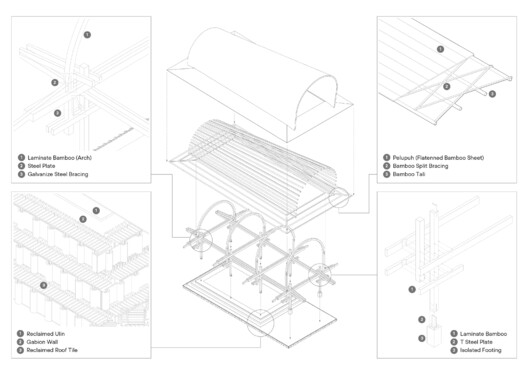
Material selection also involves decisions about where resources are sourced and how they reach the construction site. For bamboo, this means considering the source of the culms, the expertise involved in lamination and the organizations responsible for processing and transport. At BaleBio, the material supply chain can be traced from forestry cooperatives to the manufacturing and construction stages.
Each approach depends on a supply chain capable of delivering the material in a form suitable for construction. Reuse depends on systems for locating components, assessing their condition and storing them until they can be used. Plastic recycling requires collection and processing facilities, as well as manufacturers able to turn the material into consistent components. Natural materials such as bamboo also depend on the management of their source, suitable processing methods and coordination between producers, manufacturers and construction teams.
The United Nations Environment Programme's Global Status Report for Buildings and Construction 2025–2026 identifies buildings and construction as a major contributor to global emissions and material extraction. The figures underline the contribution of material extraction and construction to the sector's environmental impact, alongside the energy consumed during building operation.
In a 2020 systematic review published in Waste Management & Research, Kambiz Rakhshan and colleagues classify barriers to building-component reuse as economic, technical, social, regulatory and organisational. Concerns about component quality, regulatory compliance, liability and cost can make architects and contractors reluctant to specify recovered materials. Wider use will depend on reliable systems for assessing components, documenting their condition, establishing liability and coordinating procurement.
The projects also show how these supply-chain requirements differ between material recovery, recycling and engineered natural materials. At Koshish House, tiles from several locations and components from a former textile factory had to be brought together for use in the residence. At Lattice Creative Garden, the waste stream had to be converted into plates suitable for a repeated cable-supported screen. BaleBio links forestry cooperatives in Flores with bamboo manufacturing in Bali and the construction of the pavilion.
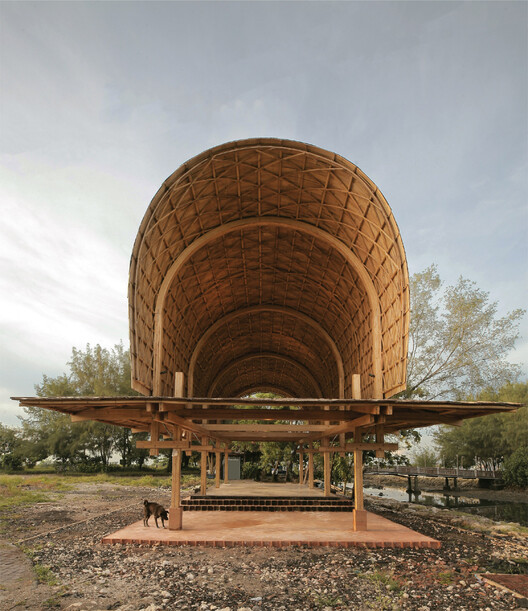
Life-cycle assessment can help compare the environmental impacts of material systems, provided the scope and assumptions of each assessment are clear. Eco-Mantra's life-cycle assessment of BaleBio reports a 110 percent reduction in Stage A emissions against its stated conventional baseline. The result is attributed primarily to the bamboo system, including the carbon stored in the material and the impacts associated with its production and transport. The result applies to BaleBio's stated assessment boundary and baseline; it cannot be generalized to other bamboo products, reclaimed materials or locally sourced components. Any wider comparison would also need to account for service life, maintenance, transport and end-of-life treatment.
Recovery, recycling and the engineering of natural materials involve different decisions about sourcing, processing and construction. Koshish House works with recovered building components, Lattice Creative Garden with recycled plastic, and BaleBio with engineered bamboo sourced through a regional production network. Together, the projects broaden the scope of material innovation to include the recovery, processing and engineering of available resources. Designers must account for the condition of recovered components, the processing required to manufacture new ones and the supply chains that support their use. Material selection can therefore begin with a closer assessment of available resources, their properties and the processes required to bring them into construction.
This article is part of the ArchDaily Topic: Beyond Buildings: Architectural Imaginaries and the Evolving Language of Design, proudly presented by Gendo.
Gendo is an AI design canvas built for architecture studios. Gendo supports this topic because the tools architects use to imagine have always shaped what they build. Understanding that shift matters more than any single render.
Every month we explore a topic in-depth through articles, interviews, news, and architecture projects. We invite you to learn more about our ArchDaily Topics. And, as always, at ArchDaily we welcome the contributions of our readers; if you want to submit an article or project, contact us.