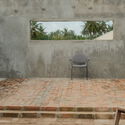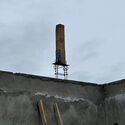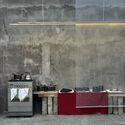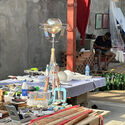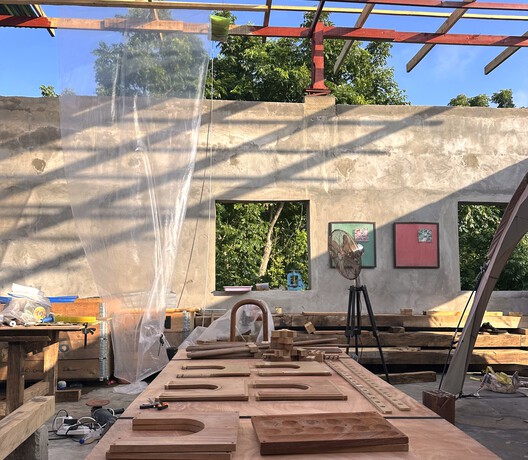
On Tarkwa Bay, off the coast of Lagos, the transformation of an abandoned building offers a way to consider how architecture might emerge from the materials, relationships and conditions already present in a place.
Architecture is often encountered at the end, when the uncertainties of making have been resolved into a building, a surface, a space. Less visible are the conditions that allow these outcomes to exist, the movement of materials, the availability of labour, the knowledge held by people and places, and the negotiations through which an idea becomes possible. On Tarkwa Bay, an island off the coast of Lagos accessible only by boat, these conditions are difficult to separate from the act of building itself.
The crossing from the Lagos mainland introduces a different relationship to access. People, tools and materials move across water; some resources are readily available, others less so. Materials move across water; reclaimed elements carry histories from elsewhere; salt and sun alter the behaviour of surfaces; and the availability of local artisans influences how work unfolds. These are not necessarily prohibitions; rather, they make visible the dependencies that building elsewhere can allow us to overlook.