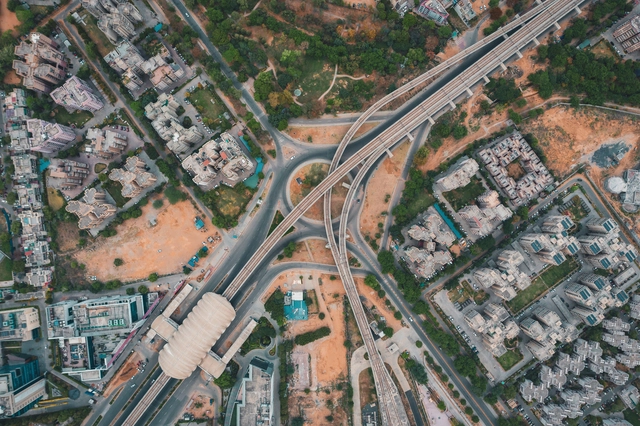
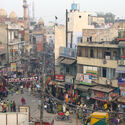
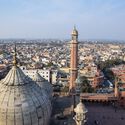
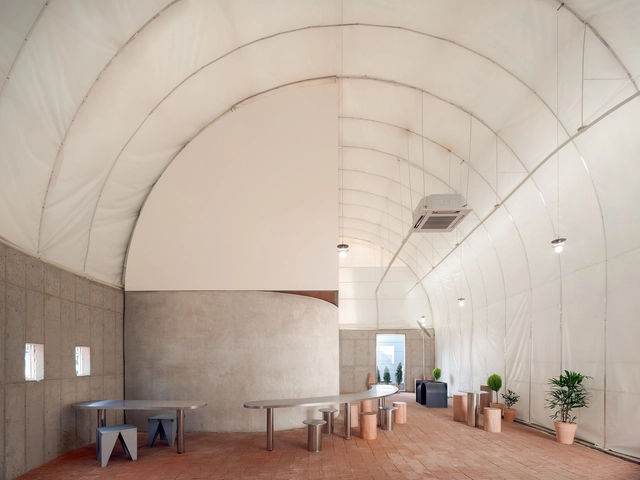
India has witnessed a surge in urbanization and population growth. As a result of natural population growth and migration, the megacities of India have experienced a continual increase in their residents. Standing as the most populous country in the world, India is at a critical junction, grappling with opportunities and challenges in molding its built environment. Population boom, however, is not a recent predicament but a persistent one that has spanned over a century. How have Indian cities dealt with population growth and the complexities it brings?
The selection of windows and doors plays a key role in the development of any architectural project, as it can significantly influence the final appearance of a building. A well-informed choice can convey values of modernity, craftsmanship, and elegance. On the other hand, inadequate specification can lead to problems such as air leakage, energy loss, and a less visually appealing aesthetic. It is also worth mentioning that windows and doors constitute a substantial part of a project's budget, which requires meticulous consideration. In this article, we examine four different residential projects, highlighting how their floor-to-ceiling glass sliding system effectively meets the needs of the residents and enhances their quality of life.
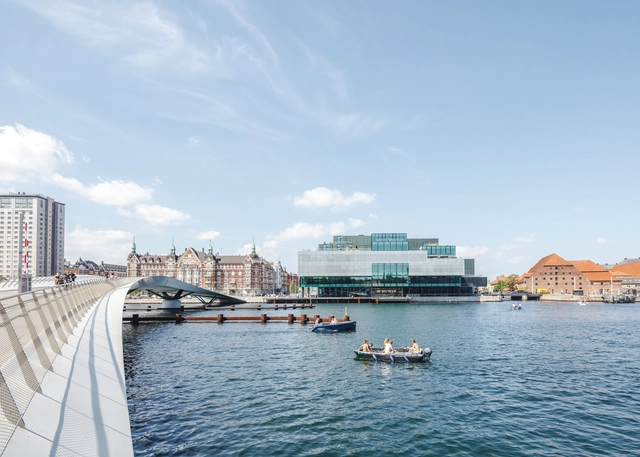
This year, the UIA World Congress of Architects gathers professionals from the construction industry to the Danish Capital to discuss and promote more sustainable ways of practicing architecture. This edition of the congress, happening between July 2nd and 6th, is centered around the UN 17 Sustainable Development Goals, highlighted by the overarching theme “Sustainable Futures – Leave no one Behind.” The world’s largest architecture congress offers a vast program of keynote dialogues, new findings presented on the science track, Next Gen sessions, workshops, exhibitions of new materials, and political talks. The packed schedule also includes the Obel Award Talks on the theme “Wellbeing Through Architecture”, Velux Daylight Talks, and Realdania Talks.
Fortaleza, Ceará. Photo: Arthur Fonseca, CC BY 3.0 BR, via Wikimedia Commons
To help celebrate World Bicycle Day on June 3, ten cities worldwide received a major boost: they were selected to receive key support for building innovative cycling infrastructure and sustainable mobility options for their residents. The Bloomberg Philanthropies initiative is called BICI, short for the Bloomberg Initiative for Cycling Infrastructure.
Fortaleza, Brazil, will receive a special prize of US$1 million. Addis Ababa, Ethiopia; Bogotá, Colombia; Lisbon, Portugal; Milan, Italy; Mombasa, Kenya; Pimpri-Chinchwad, India; Quelimane, Mozambique; Tirana, Albania; and Wellington, New Zealand, will each receive US$400,000 in funding.
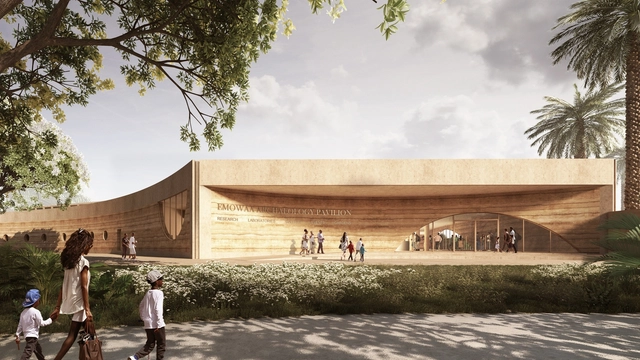
The Museum of West African Art (MOWAA) has just unveiled a 20-acre project for a Creative District in the historic center of Benin City in Edo State, Nigeria. MOWAA, in collaboration with Adjaye Associates, is planning to establish a comprehensive environment dedicated to the artistic and cultural realms of the past, present, and future. The space provides support and collaboration opportunities for young professionals in the creative and cultural fields while also fostering partnerships with institutions throughout West Africa. At the heart of the project is the Creative District’s role in contributing to economic growth and development.
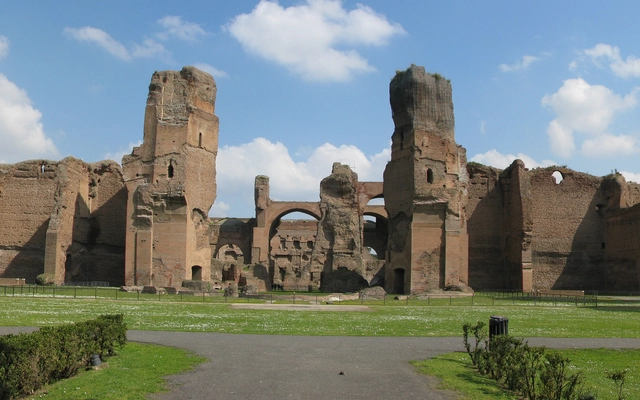
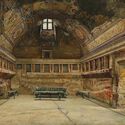
Within the canonical architecture, Vitruvius' treatises are the first treatises known. In addition to discussing the intellectual and cultural formation, interests, and sensitivity of the architect, or the "sacred" triad of architecture - venustas, firmitas, and utilitas (beauty, solidity, and functionality) - the treatise describes a design method, a kind of manual for Roman construction at the time. Complex and sophisticated, Roman architecture presented a variety of buildings with several functions. Among them were thermal baths, which did not escape Vitruvian prescriptions.
Under the titles of Optimism and Instability, this year’s global index score has returned to pre-Covid-19 days, highlighting that the world has fully recovered from the pandemic. Ranking living conditions in 173 cities based on stability, health care, culture and environment, education, and infrastructure, the survey suggests that nowadays, “life in cities is a bit better than at any time in the past 15 years”, although Stability scores dropped on average in 2023, due to worldwide clashes, political disruptions, social protests, inflation, and wars.
In a 2007 conference, Norman Foster stated: “As an architect you design for the present, with an awareness of the past, for a future which is essentially unknown." That talk was about the green agenda, which he termed the most important issue of the day, affirming that it is “not about fashion but about survival.” Admittedly, the rise in public interest in contemporary architecture that followed the creation of the Pritzker Prize in 1979 (Foster was the 1999 winner) has been focused on forms and personalities more than on substance. Philip Johnson, the first winner of the shiny award, made his view clear: “Architecture is art, nothing else.” Essays, magazines, and books have delighted in the foibles, verbal and sartorial, of celebrated architects, the hats, and eyeglasses of genius. Of course, figures like Frank Lloyd Wright and Le Corbusier did not wait for a prize to be famous, and it seems fitting that Wright’s literary alter-ego, Howard Roarke, would say: “Art is a selective re-creation of reality according to an artist’s metaphysical value judgments." The modern architect/artist as demiurge, responsible for fashioning and maintaining the universe: “…how like an Angel in apprehension, how like a God?”
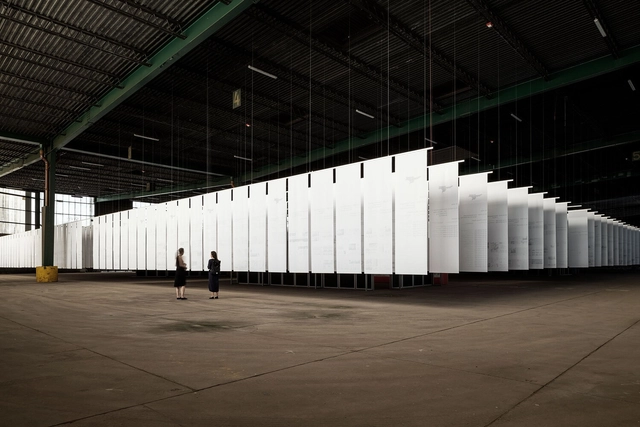
During the last decade a series of high profile architecture competitions have shaped the city, while opening opportunities to a diverse group of architects. From renowned firms behind landmark projects to breakthrough ideas from young firms. And while each competition yields one built result, they are also archives of knowledge and potential ideas that are often buried. That’s why the Die ganze Stadt (“The Entire City”) exhibit in Hamburg provides a unique opportunity to dive into an amazing archive of thousands of unrealized ideas. Designed and curated by German-Japanese firm Kawahara Krause Architects and the architecture critic Kaye Geipel, an array of more than a thousand hanging banners display the 1,427 singular entries from 171 competitions, forming one singular mass that fills the main hall of the Baakenhöft in HafenCity.
Year after year, organizations, government authorities, and other global entities face the challenge of implementing regulations and measures to address rising water scarcity: as of 2017, according to the World Health Organization, roughly 3 out of 10 people lacked access to safe drinking water at home, while 6 out of 10 lacked access to safely managed sanitation.