How to visualize architectural concepts in SketchUp using D5 Lite for faster design exploration.
How to visualize architectural concepts in SketchUp using D5 Lite for faster design exploration.

The 2023 United Nations Conference of the Parties, more frequently referred to as COP28 is a joining of over 160 countries that intrinsically agree to combat harmful human impacts on the climate. The International Climate Summit takes place annually, bringing together heads of state, delegates, and representatives from various countries to negotiate actions and agreements related to climate mitigation. Last year, COP 27 was held between November 6 and November 18, 2022, in Sharm El Sheikh, Egypt. As the upcoming COP 28 in the United Arab Emirates is around the corner, it is worth looking at the conference’s impact and what to expect.
COP 28 will convene from November 30 to December 12 2023 in Dubai, United Arab Emirates. In this year’s COP28, the program will be geared towards responding to the Global Stocktake and “closing the gaps to 2023.” The COP presidency has launched a consultation on thematic areas, encouraging international stakeholders to highlight the most pressing issues that should be prioritized in COP28. The themes for this year are Technology & Innovation, Inclusion, Frontline Communities, and Finance.
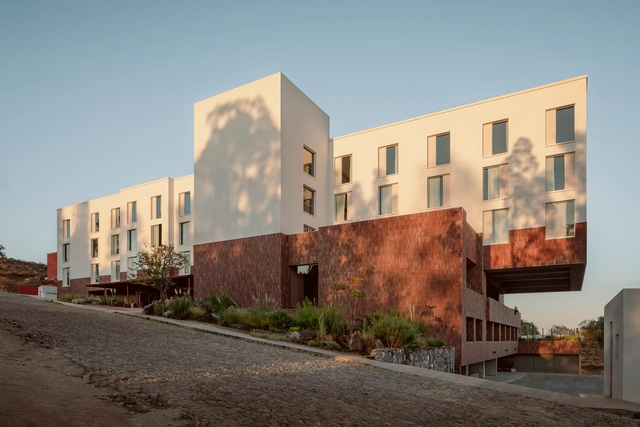
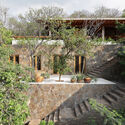
The city of San Miguel de Allende is located within the state of Guanajuato, in the central-northern region of Mexico, geographically bordering the states of Zacatecas, San Luis Potosí, Querétaro, Michoacán, and Jalisco. It covers an area of 43.6 hectares and is one of the most populated regions in its state. In 2008, it was declared a World Heritage Site by UNESCO and is characterized by its baroque and Spanish architecture. It is part of the list of magical towns in Mexico. Additionally, in this city, you will find the Parish of San Miguel Arcángel, built with the pink quarry stone typical of the region.
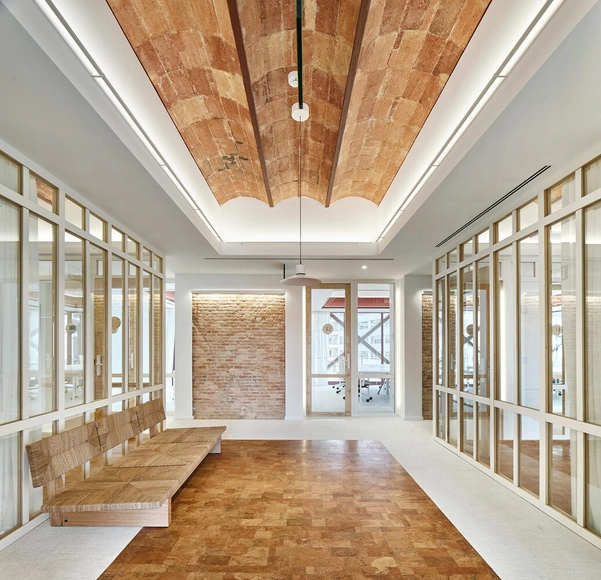
Designers and architects have a mountain of modern, high-performance flooring options at their disposal. From standard choices like wood, carpet, ceramic tiles, or natural stone; to heavy-duty commercial favorites like terrazzo, concrete, or poured epoxy. Add less well-tread options like cork and leather and then multiply them all with imitation solutions like laminate and luxury vinyl, and it’s easy for decision-makers to get lost in indecision.
Despite the size of the marketplace, however, we tend to just make our choices and stick with them, using just one type of floor for each room. Not so in the case of the following four projects, which select and arrange various flooring types together in the same room, adding functionality to the floor and helping to improve how we interact with the spaces above.

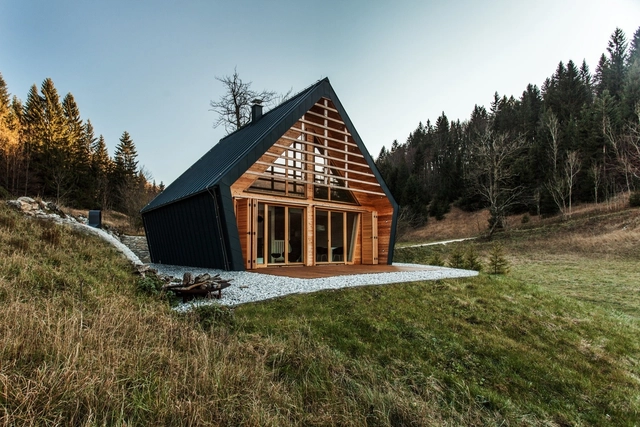
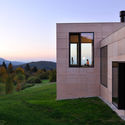
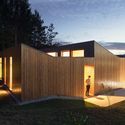
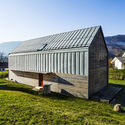
Slovenia has continuously redefined design across rural life. With an architecture that’s intimately tied to the country’s geography, Slovenia emerged as a crossroads of European cultural and trade routes. This produced hybrid building styles and typologies defined by history and exchange. Expanding upon modernist roots and the work of architects like Max Fabiani, Ivan Vurnik, and Jože Plečnik, contemporary building projects are designed through ideas on multiplicity and coupled programming.
James Wines, a New York architect and environmental artist, has been on a mission of sorts. He believes that architecture needs to be liberated from itself. This act of liberation is expressed in many radical projects that he and his company, SITE (Sculpture In The Environment) realized in 11 countries. Wines is world famous for such projects as Ghost Parking Lot (Hamden, CO, 1977), Highrise of Homes (theoretical project, 1981), Highway 86 (Vancouver, Canada, 1986), Fondazione Pietro Rossini Pavilion (Briosco, Italy, 2008), and Off-White Showroom for Virgil Abloh (Ginza, Tokyo, 2021). The very essence of the architect’s work is expressed in his fascinating stores for BEST Products Company, the key focus of my conversation with the architect that took place over Zoom on August 10, 2022, following many of our in-person meetings.


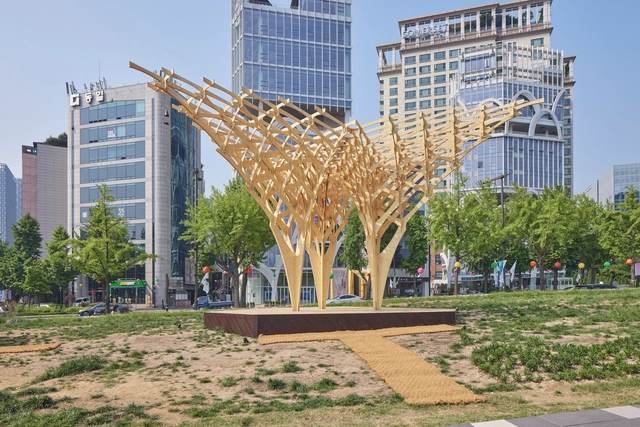



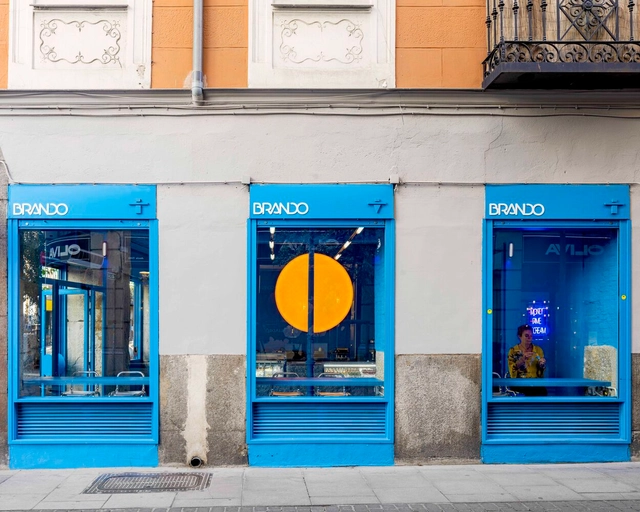
In the world of retail, competition is fierce. Brands find themselves in pursuit of distinguishing their presence and developing intimate connections with their customers. Amidst the array of products they offer, thoughtful brands recognize the value of curating immersive retail environments that empathize with the core of consumers' sentiments and desires. In retail design, color stands as a powerful instrument that affords brands the means to articulate their values, evoke emotions, and carve memorable shopping experiences into the minds of their patrons. Color transforms retail centers into more than spaces for transactions - it positions strategic interior design as a marketing tool to attract and retain customers.