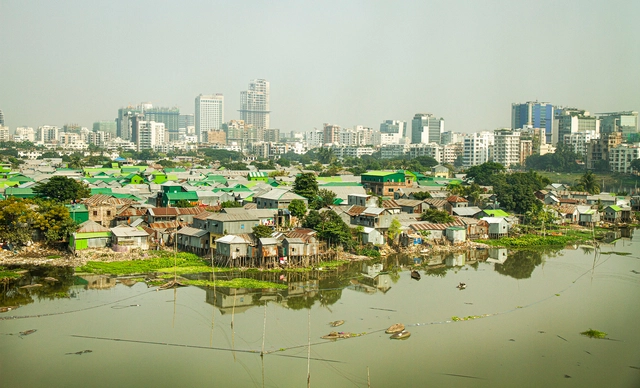
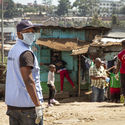
Bangladesh, Dhaka, Korail slum settlement in city centre. Image Courtesy of UN-Habitat
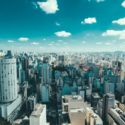
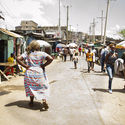
Across the globe, ever since 2014, every year on the 31st of October, World Cities Day is celebrated. To mark this event, UN-Habitat has released its World Cities Report 2020 on the value of sustainable urbanization, focusing on the most up-to-date and pressing topics. Analyzing the intrinsic value of cities in generating economic prosperity, mitigating environmental degradation, reducing social inequality, and building stronger institutions, the report highlights how together these can drive transformative change.
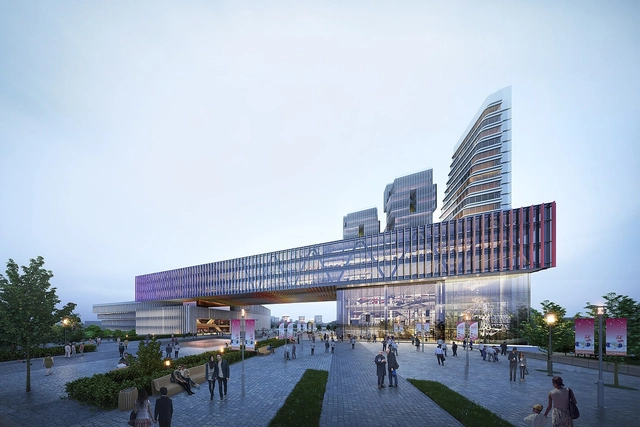
KCAP Architects & Planners won the international competition for one of the Bucheon Daejang New Town as part of the Seoul metropolitan region in South Korea. Titled Open Fields City, the proposal was made with DA GROUP to create new urban quarters characterized by "fields" and interconnected pathways.
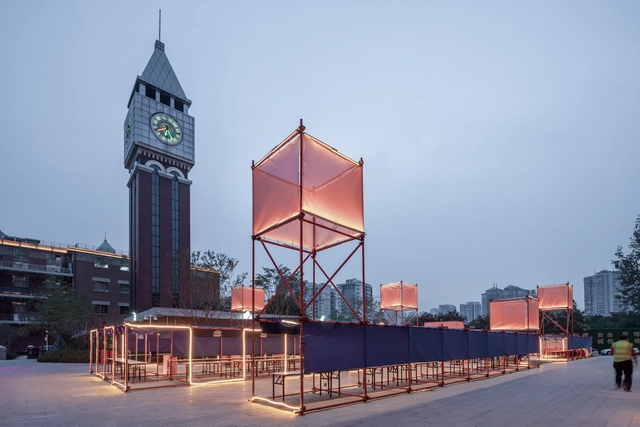
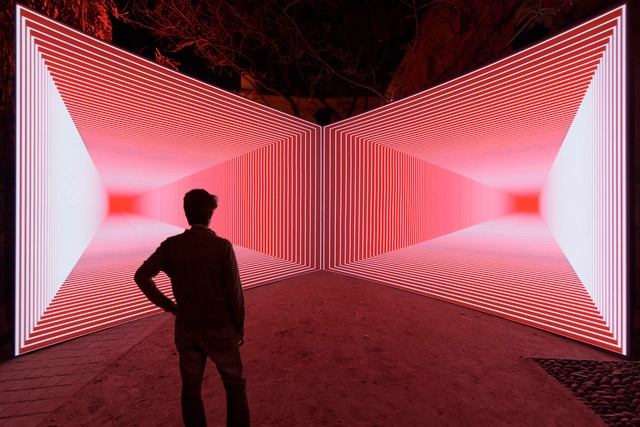
Using and controlling light can change the perception of a place; users perceive and feel the space differently depending on factors such as the type of light switch, color variations, and combinations. When used in temporary installations, light can break the boundaries between art and architecture, and also between tangible and intangible, transforming the elements of the project and creating new shapes and patterns.
Spurred by disasters like Hurricane Katrina and Superstorm Sandy, cities across the United States have, over the past 15 years, learned to “live with water.” After more than a century of filling wetlands, damming rivers, and diverting streams and stormwater flows into concrete channels, public officials, influenced by a coterie of landscape architects and planners, have embraced the opposite strategy, investing in open space networks that use dynamic natural systems to slow, store, and absorb floodwaters.
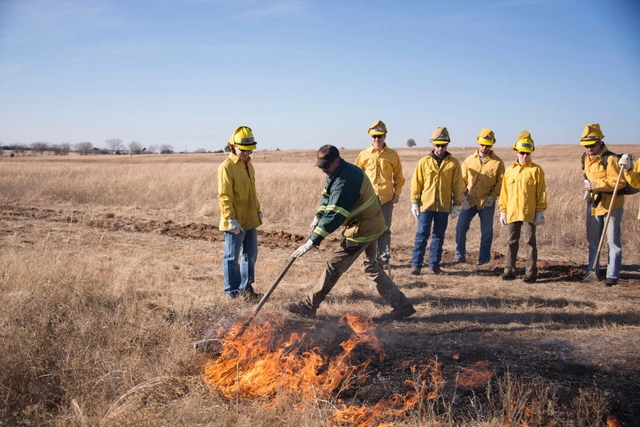
https://www.archdaily.com/950604/its-time-for-designers-to-embrace-fire-as-the-ecological-and-cultural-force-that-it-isTimothy A. Schuler







.jpg?1603209469)











.jpg?1603209719 "© Diez Veinte Estudio")
.jpg?1603208856 "© Andres Toquica")
.jpg?1603209895 "© Diez Veinte Estudio")
.jpg?1603209550 "© Diez Veinte Estudio")
.jpg?1603209469)