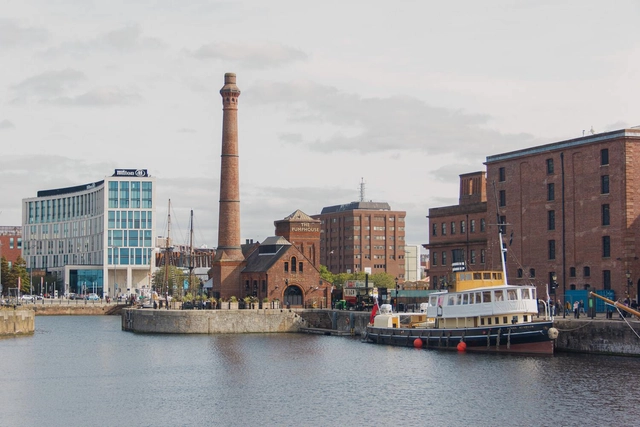
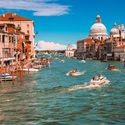
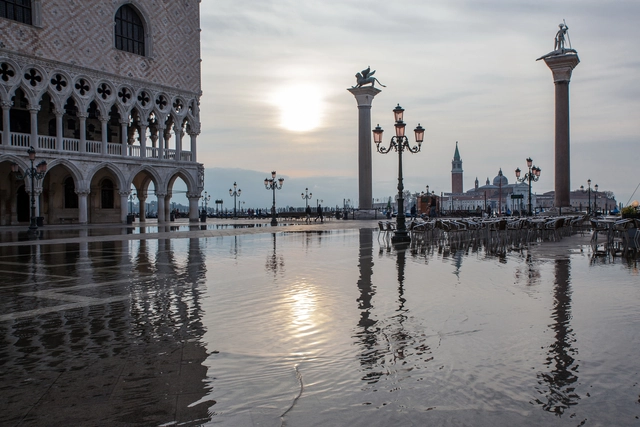
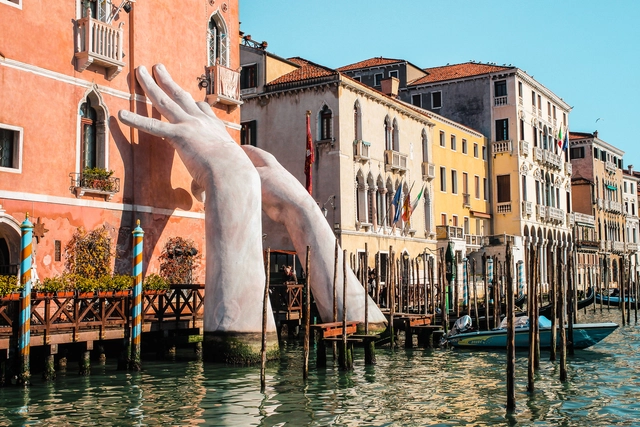
This month, UNESCO has announced a series of decisions concerning important heritage sites, giving rise to conversations around preservation and urban development. Last week, the World Heritage Committee decided to strip Liverpool of its heritage status, as the new developments are considered detrimental to the waterfront's integrity. These projects placed the city on the List of World Heritage in Danger in 2012, a designation which Venice managed to avoid earlier this week, due in great part to the recent ban on cruise ships.
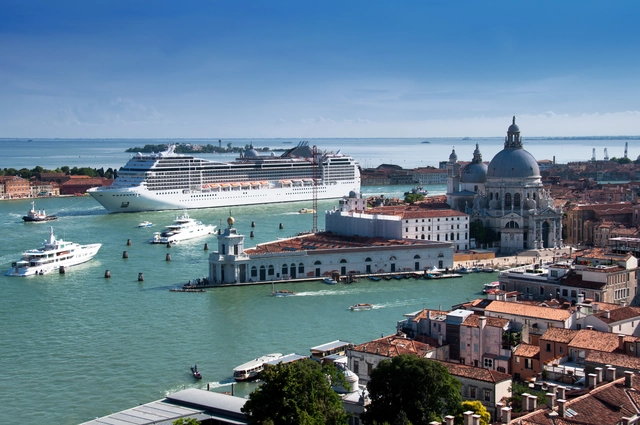
The Italian government has announced the permanent ban of large cruise ships in the Venetian lagoon, after several years of protests, petitions, and threats of being put on UNESCO’s endangered list. The ban will be effective as of August 1st, 2021, and will prohibit ships exceeding 180 meters in length or weighing 25,000 tons from entering the lagoon, hoping to sustain Venice's historic canals, waterways, and public squares.
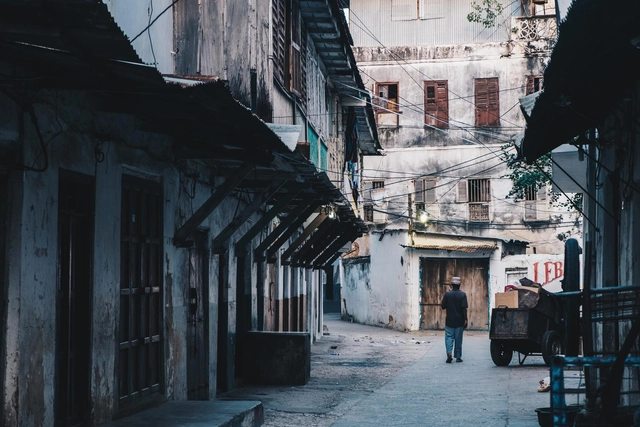
The world of travelling is a multifaceted one. There are the everyday trips one takes for work or school, commuting to a set location during the week, usually within the confines of a city. There are the longer trips too, the trips which usually involve getting into an aeroplane to visit someplace a bit farther from where the traveller usually resides. These trips are frequently done for business purposes, but for those who have the means to afford it, these trips are undertaken for learning and leisure – where the traveller can be defined as a “tourist”.
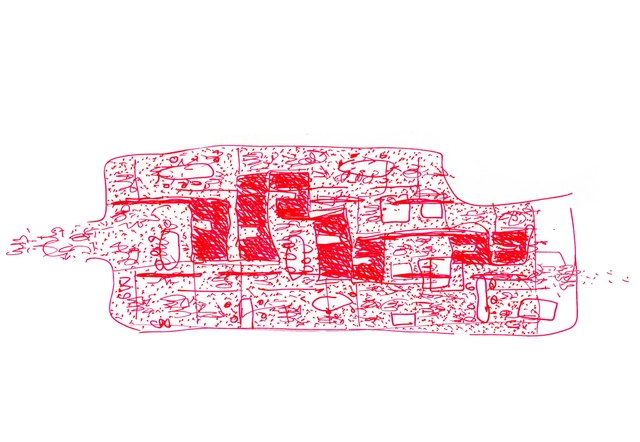
Developed by architect Gerardo Caballero, in collaboration with Paola Gallino, Sebastian Flosi, Franco Brachetta, Ana Babaya, Leonardo Rota, Emmanuel Leggeri, Sofia Rothman, Gerardo Bordi, Edgardo Torres, and Alessandro De Paoli, "The Infinite House", a project inspired by traditional Argentine houses, will represent Argentina in the upcoming 2021 VeniceArchitecture Biennale. The project reflects on the identity of Argentine public housing and the role collective housing, both public and private, has played in the country's history and society. The Infinite House aims to push the limits of the domestic and to highlight the importance of the collective rather than the individual by illustrating that a home extends beyond one's own living space: "it is the city, the country, and even the world."
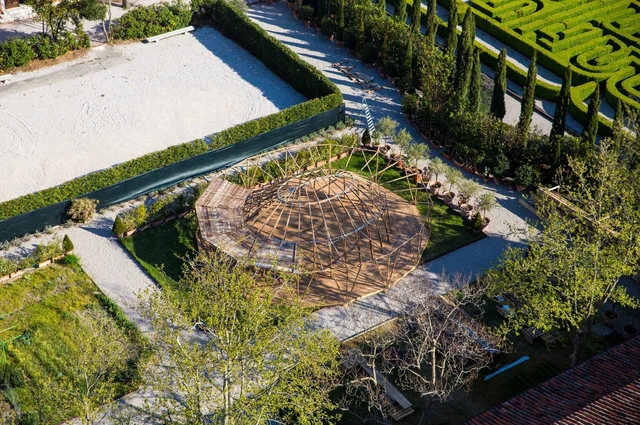
The Majlis undergoing construction at San Giorgio Maggiore. Image Courtesy of Caravane Foundation
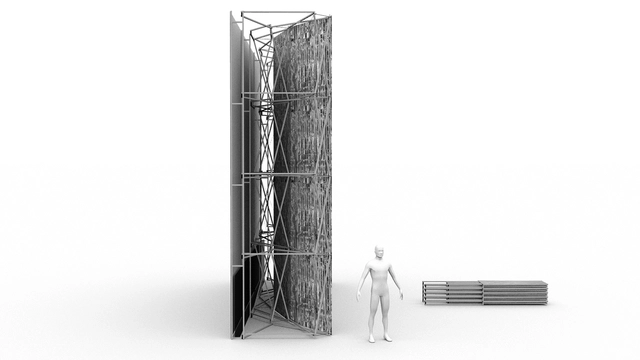
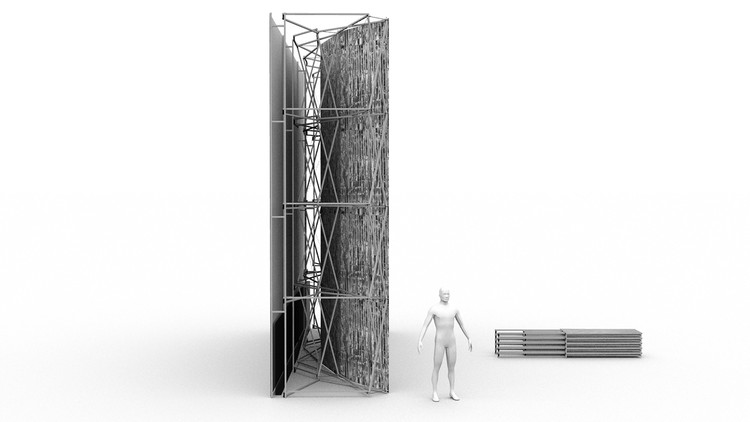
Part of the official collateral events of the 17th International Architecture Exhibition of la Biennale di Venezia, Caravane Earth Foundation will bring a unique bamboo Majlis, to the gardens of the Abbazia di San Giorgio Maggiore in Venice. Designed by internationally acclaimed bamboo architects Simón Vélez and Stefana Simic, the project will be on display from 22 May to 21 November 2021.
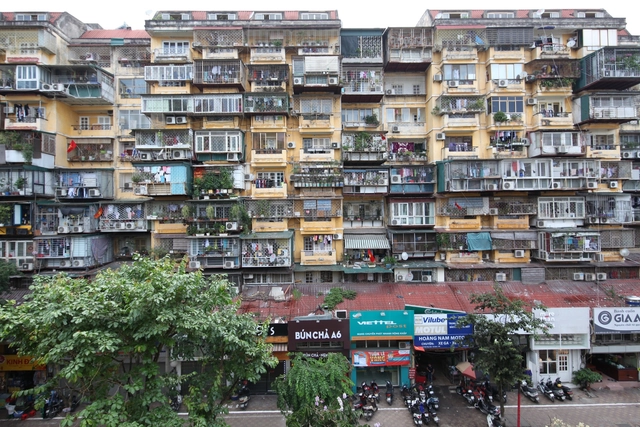
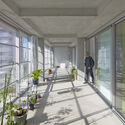
Overall view of a KTT apartment building; Hanoi, Vietnam – 2018. Image Courtesy of Christophe Hutin
The French pavilion at the 2021 Venice Biennale, “aims to reflect on the meeting between architectural know-how and the inhabitants’ own experiences of their living spaces”. Curated by Christophe Hutin, the intervention entitled “Communities at Work” will provide an immersive experience with the help of images in motion. Using five specific case studies on different continents: in Europe, Asia, America, and Africa, the exhibition presents a journey into a world where communities transformations their own living spaces, without following any formal schemes designed by an architect.
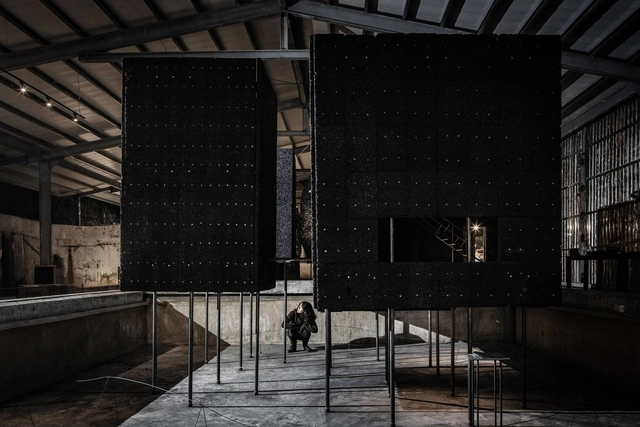
Entitled Primitive Migration from/to Taiwan, the National Taiwan Museum of Fine Arts (NTMoFA) and curatorial teams Divooe Zein Architects and Double-Grass International Co., organized an immersive exhibition for the Biennale Architettura 2021. Taiwan’s Collateral Event for the 17th International Architecture Exhibition of La Biennale di Venezia will run from 22 May to 21 November 2021 at Palazzo delle Prigioni.
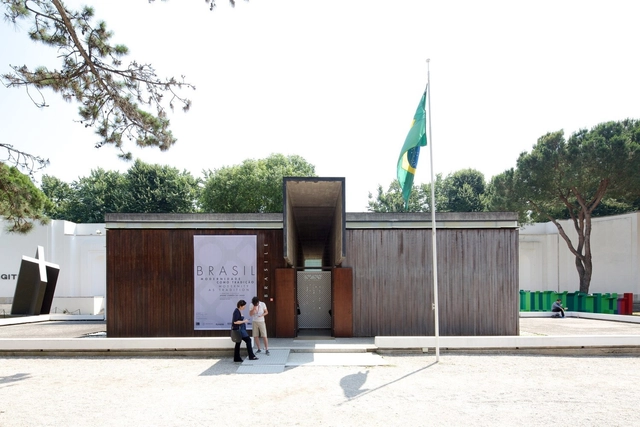
Entitled utopias of common life, Brazil's official participation in the 17th Bienalle Architettura 2021 is curated by the collaborative studio Arquitetos Associados and the visual designer Henrique Penha. The exhibition at the Brazilian Pavilion in the Giardini, in Venice, begins by mapping utopias that exist on Brazilian soil, from the Guarani world vision of a Land Without Evil to contemporary times, highlighting a few singular moments among them.
Conceived before the Covid-19 pandemic, which has temporarily suspended the possibility of physical proximity in a large part of the world, the proposal gains new meanings in the current context and dialogues with the overall theme, by curator Hashim Sarkis: How Will We Live Together?
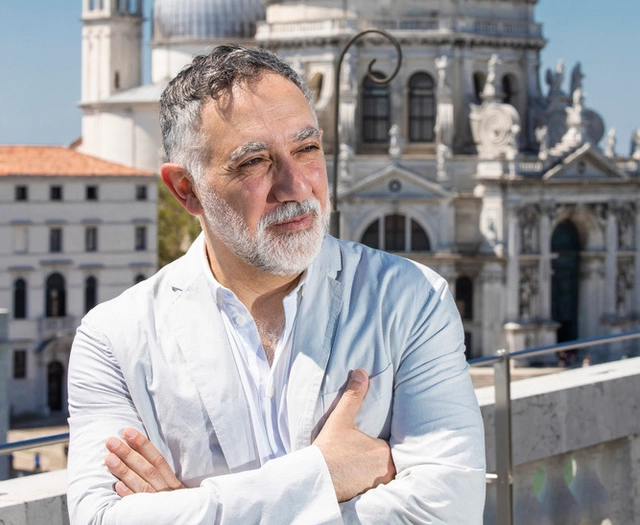
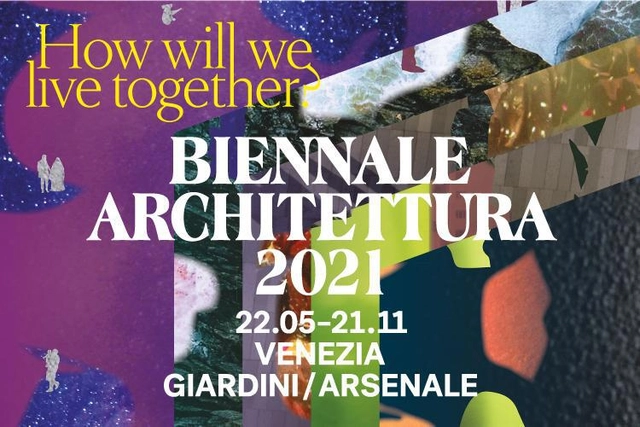
Scheduled originally from August to November 2020, the 17th Venice Architecture Biennale was postponed, like every other event this year, and will be held from May 22nd to November 21st, 2021, due to the pandemic. Questioning “How will we live together?” the original statement of curator Hashim Sarkis, called upon architects “to imagine spaces in which we can generously live together”. Relevant today more than ever, with the current worldwide circumstances, the theme of the Biennale is in fact the focus of interest of the global scene.
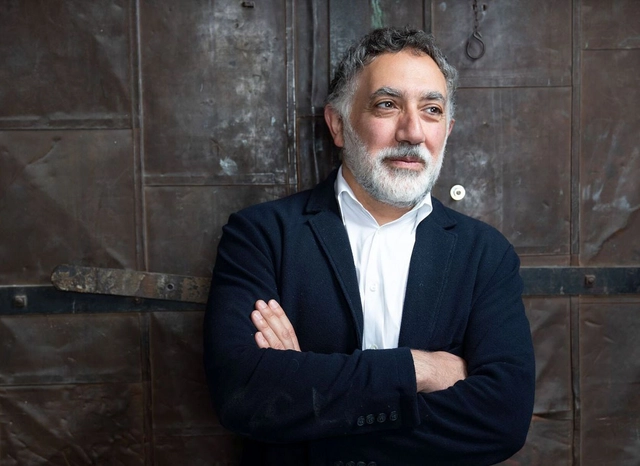
After having discussed “How will we live together?” in 2019 with Hashim Sarkis in Venice, ArchDaily had the chance to open the debate once more and re-examine the question of the Architecture Biennale. In a two-part interview, the architect tackles the theme, the Biennale, the present situation, and the future.
Factum Foundation, a nonprofit dedicated to the use of digital technology for cultural heritage conservation, in collaboration with the Fondazione Giorgio Cini, Ecole Polytechnique Fédérale de Lausanne (EPFL) and Iconem have recorded the Island of San Giorgio Maggiore, in Venice, Italy, in its entirety. For more than 10 days, the team using photogrammetry and LiDAR technologies scanned the 10-hectare island. The project entitled ARCHiVe, linked with EPFL's Venice Time Machine aims to "efficiently and effectively aid in the preservation of Venice's fragile cultural heritage".
In the second part of his interview with Archdaily, Hashim Sarkis reflects on the future of architecture as he tackles the timeless question of the 2021 Venice Biennale. The curator of the Biennale, which proposes the question of “How Will We Live Together?”, discusses the role of the profession in the midst of all these new paradigms, stating that “Architects do change the world […] by creating […] wish images for what the world could be”.
In this feature, the curator of the anticipated biennale and dean of MIT School of Architecture and Planning presents his views on the evolution of Architecture, and the new directions the academic world should take, to reflect “the complexity of the urban problems of today”. Sarkis also brings up Beirut, discussing reconstruction approaches, civil society, and the exasperating notion of resilience.
Cartography of Barcelona redrawn by air pollution. Image Courtesy of 300.000 Km/s
Catalonia in Venice - air/aria/aire, part of the Collateral Event of the Biennale Architettura 2021, is an exhibition curated by architect Olga Subirós, commissioned by the Institut Ramon Llull, with the participation of 300.000 Km/s, an urbanism studio in macro data-based strategic planning. Reflecting on the central theme of the Biennale “How will we live together?” the project investigates the role of architecture and urbanism within the context of the climate emergency and the public health crisis.
La Biennale di Venezia has just announced that the International Architecture Exhibition – How will we live together? — curated by Hashim Sarkis, will be postponed once more, and will be held from May 22 to November 21, 2021.
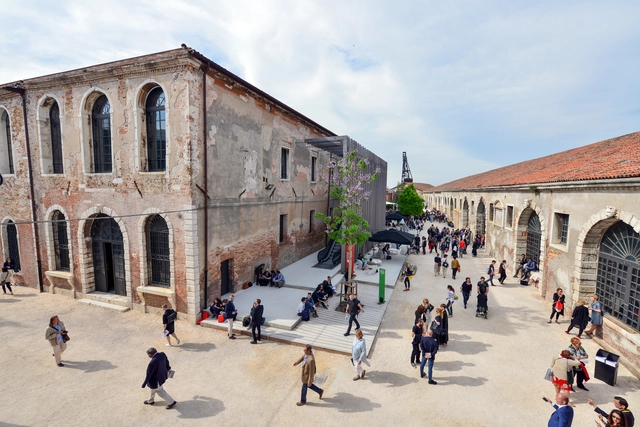
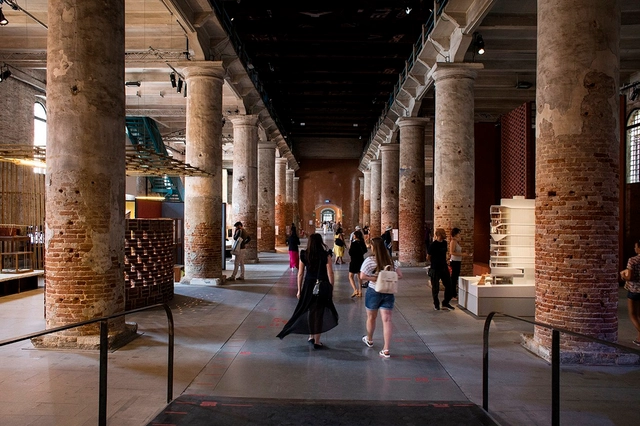
Arsenale. Image Courtesy of La Biennale di Venezia
Veteran Italian film producer and CEO of Luce Cinecittà Roberto Cicutto has been appointed president of the Venice Biennale. Cicutto was appointed by the Italian minister of culture Dario Franceschini, and will replace Paolo Baratta, who presided over the Biennale for 8 years. Cicutto’s term will run for four years with a maximum of three renewals.
For its 2021 edition, the Venice Biennale appointed the chief curator of the High Line’s art program in New York, Cecilia Alemani as artistic director. Alemani will become the first Italian woman to organize the festival, running in Italy starting May of next year.