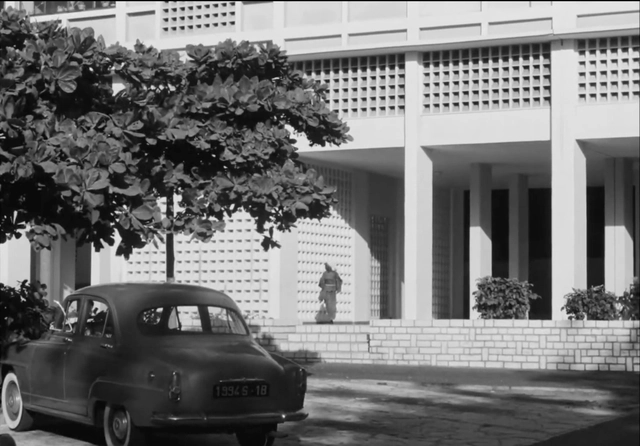
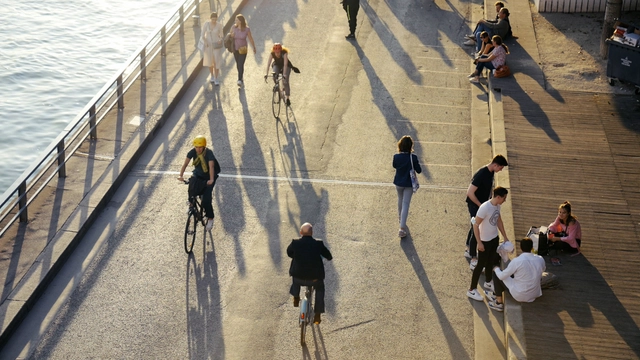
When examining the world of African cinema, there are few names more prominent than that of Senegalese director Ousmane Sembène. His films ‘La Noire de…’ and ‘Mandabi’, released in 1966 and 1968 respectively, are films that tell evocative stories on the legacies of colonialism, identity, and immigration. And whilst these two films are relatively slow-spaced, ‘slice-of-life stories, they also offer a valuable spatial critique of the setting where the films are based, providing a helpful framework to understand the intricacies of the post-colonial African city, and the contrast between the African and European metropolises.
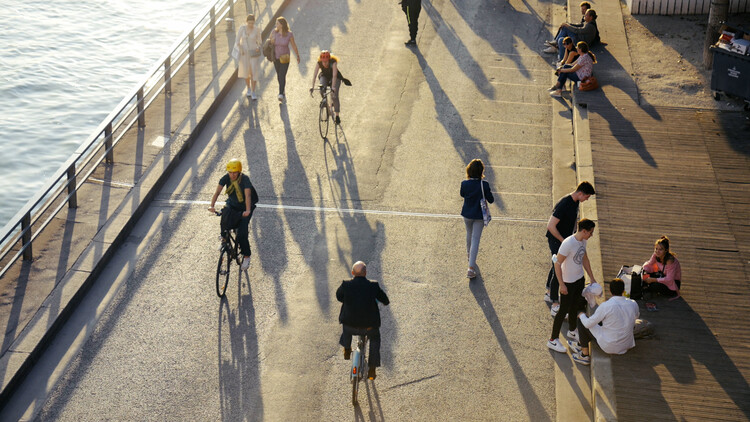
The 15-minute city urban theory receives the 2021 Obel Prize in recognition of the concept's value for creating sustainable and people-centric urban environments. First coined in 2016 by Sorbonne professor Carlos Moreno, the term defines a highly flexible urban model that ensures all citizens can access daily needs within a 15-minute distance, thus breaking the hegemony of the car and reintroducing the qualities of historic cities within contemporary urban planning.
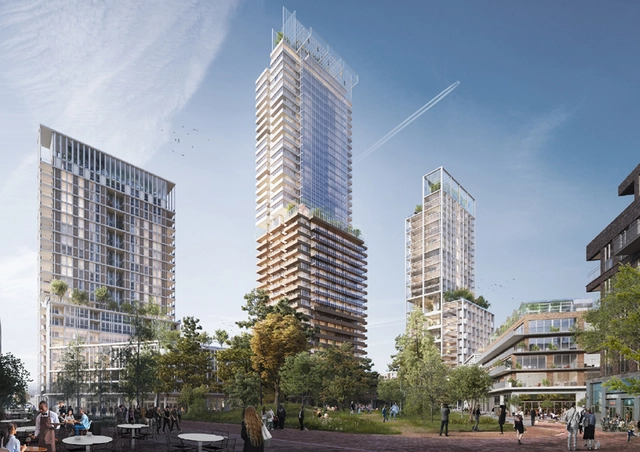
It is projected that by 2025, the world’s population will reach over 8.1 billion people- and a large majority of those people will be heavily concentrated in cities. While much of the focus has been on preparing and reconfiguring our already hyper-dense urban to absorb even more people, in the peripheral, smaller cities and towns around the globe have experienced significant expansion, and have defined themselves as “up-and-coming”. Places that were perhaps once overlooked are putting themselves on the map for their rapid growth, economic vitality, and affordability, among other characteristics.
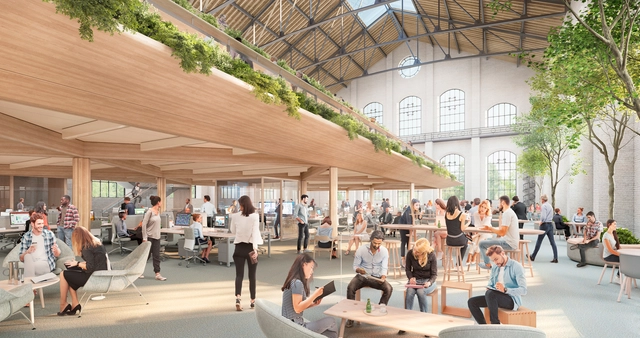
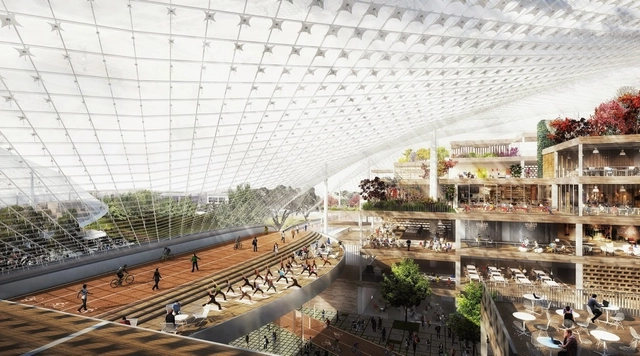
Office Building Conversion- Spain. Image via Foster + Partners
Cities around the globe have widely adopted the concept of adaptive reuse and the importance of investing in historic sites and bringing them into the present day. Instead of focusing on brand new, ground-up construction, many are seeing the value in repurposing structure for new programs. Old churches are becoming restaurants, factories are transformed into museums and apartments, and warehouses are designed to become iconic office spaces. But beyond individual buildings, some planners and preservationists are reimagining what it means to revitalize in a similar way, but at a city scale, and how we can determine the buildings that would benefit our neighborhoods if they are repurposed.
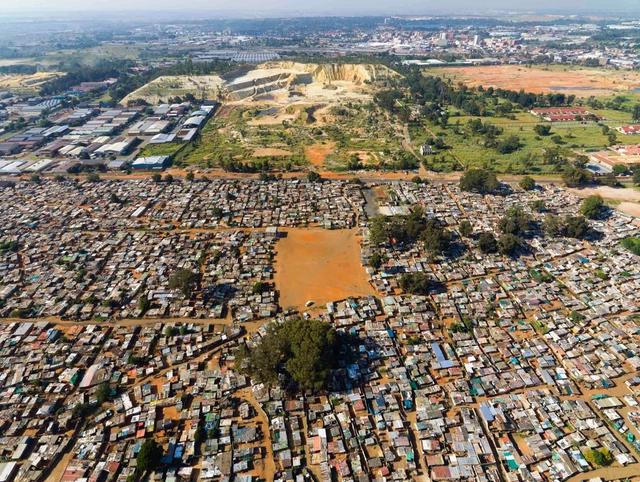
The urban settlements we inhabit today exist in their present form due to a host of reasons. There are cities that have grown due to their proximity to water – such as the growth of Dar es Salaam to the major port city it is today. There are the planned capital cities scattered around the world, governments of countries such as Brazil and Nigeria building cities from scratch from the input of acclaimed architects. There are also the settlements that exist and grow because of certain industries, such as Silicon Valley in the American state of California being home to giants of the technology industry. There’s an industry, however, that has spawned both pulsating cities and abandoned towns – the mining industry.
The concept of equity is different from equality; equity means everyone needs support, but not necessarily in the same way. Therefore, the concept of urban equity allows us to preserve the uniqueness of each region of a municipality, protecting diversity and richness without overlooking infrastructure needs, which directly affect the quality of public space and the basic services required for a private residence - it allows us to design and invest in the city fairly, regardless of the region.
The construction industry is known to be one of the most polluting industries on the planet, but we often find it difficult to associate the role of the architect and urban planner with this industry, thus avoiding the responsibility of being involved in one of the most harmful production chains in the world. Therefore, it is imperative to emphasize the importance of questioning not only the materials used in the projects but also the manufacturing systems involved.
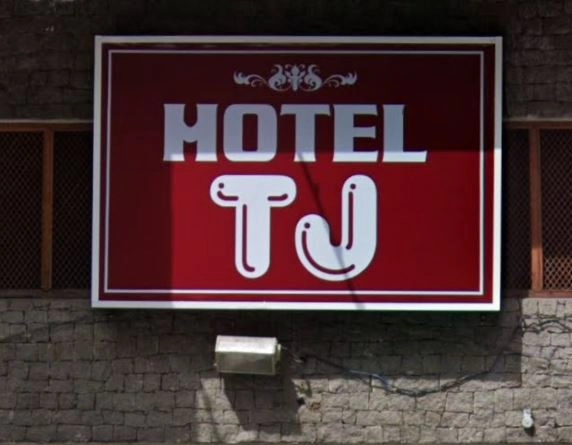
Hotel sign in downtown São Paulo. Image via Giovana Martino's collection
Sex Day is an unofficial holiday created by marketers celebrated on September 6th in Brazil, highlighting one of the greatest taboos in modern society: sexuality. From an architectural and urban point of view, the immorality associated with sexual activities, especially in exchange for payment, deeply impacts our society and also affects the territory.
While sometimes considered morally wrong, sinful, forbidden, and impure, sex, sexuality, and pleasure are all inherent to human physiology. Prostitution is sometimes referred to as "the world's oldest profession," playing a fundamental role in our societies, as well as in our territory, in the spatial organization and dynamics of cities. This practice is at the margins of modern society and therefore has ended up occupying segregated spaces in the cities.
The way our world looks like today is a result of centuries and centuries of human migration, of complex natural phenomena that has resulted in the geographic appearance of the world’s continents today. We understand this world through our lived experiences, but we also understand this world through a two-dimensional man-made invention – maps. Maps define the many contested borders of the world and have been used in an oppressive capacity, in particular places, for example, segmenting off sections of a place from marginalised societal groups.
Cities we live in today have been built on principles designed decades ago, with prospects of ensuring that they are habitable by everyone. Throughout history, cities have been catalysts of economic growth, serving as focal points for businesses and migration. However, in the last decade, particularly during the last couple of years, the world has witnessed drastic reconfigurations in the way societies work, live, and commute.
Today’s urban fabric highlights two demographic patterns: rapid urbanization and large youth populations. Cities, although growing in scale, have in fact become younger, with nearly four billion of the world’s population under the age of 30 living in urban areas, and by 2030, UN-Habitat expects 60% of urban populations to be under the age of 18. So when it comes to urban planning and the future of cities, it is evident that the youth should be part of the conversation.
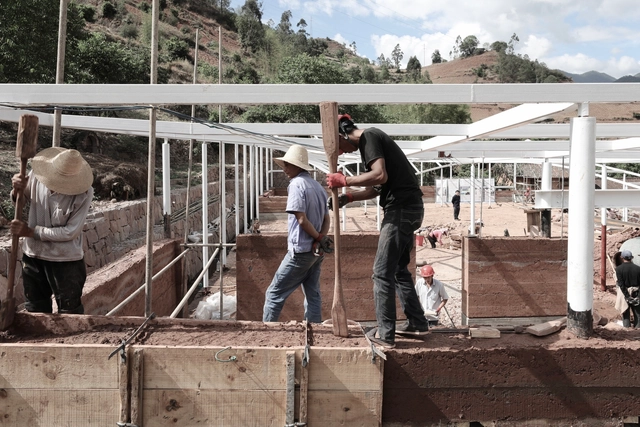
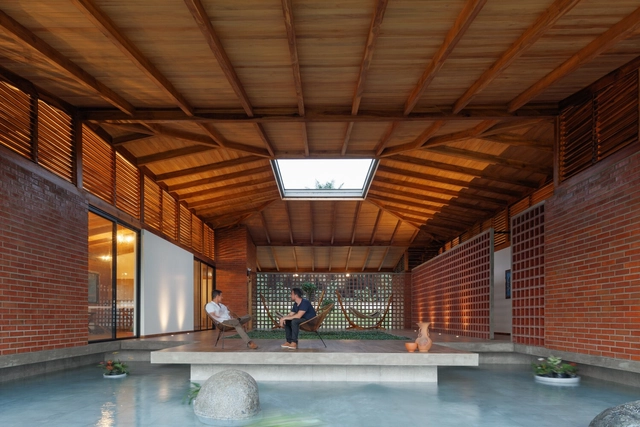
Vernacular techniques and local materials are becoming more and more relevant in architecture, but is it possible to bring these concepts to large urban areas?
In 1984, the Amazonian architect Severiano Porto had already pointed out the need to make architecture more connected to its location. Using local materials and techniques is becoming more important each day, considering the impacts of the commodity chain of building construction on the planet. Not surprisingly, the number of projects that use this approach is growing every day, as Severiano has already mentioned in his work since the 1980s.
August 5th is National Health Day in Brazil. Our readers have already expressed their opinion on how psychology is essential to build healthy and pleasant spaces to live in, and for this reason, we decided to explore the impacts of the spatial experience on each person's well-being, improving quality of life and reducing mental stress. In other words, architecture not only contributes to physical health through ergonomics but also affects our emotional comfort.
https://www.archdaily.com/967003/architecture-and-health-how-spaces-can-impact-our-emotional-well-beingEquipe ArchDaily Brasil
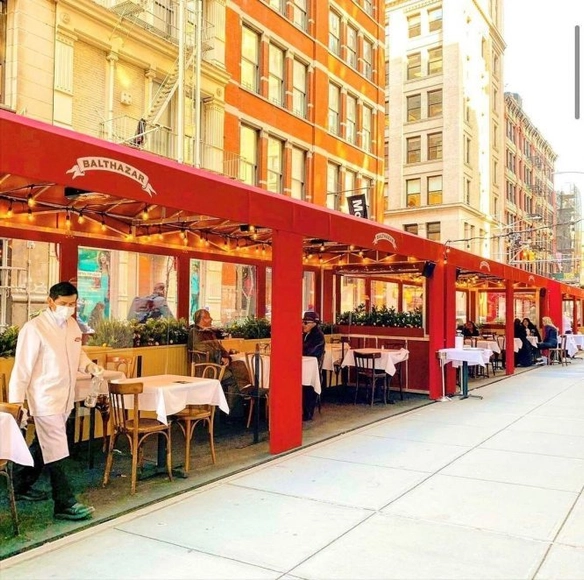
Over the last 18 months of the COVID-19 pandemic, restaurant owners around the globe have continuously suffered over the past year- especially small, independent establishments. If there’s one glimmer of hope that many of them have experienced, as public health guidelines continue to evolve, it’s that many cities have relaxed their policies and allowed restaurants to construct temporary shelters on sidewalks and in streets as a means to keep their businesses afloat. But in life after the pandemic, how should we address these setups? Should we turn them into something more permanent and allow outdoor dining to stay?
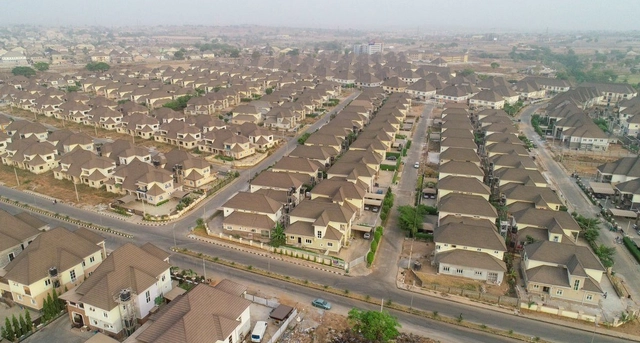
In spite of the lull in the global construction industry over the last couple of years, megacity projects in Africa have continued unabated, as new developments are springing up in major cities all over the continent. Though we’re inspired by the growth of modern African cities and the opportunities offered to city residents, we shouldn’t ignore their shortcomings, the glaring disconnect between the utopian visions of local city officials and the economic and cultural realities of the local populations who live here. Many questions whether these new cities could be built in other ways, or if Africans will ever have an alternative to the current model of placemaking, hodgepodge urbanism foisted on it, largely by colonialists.
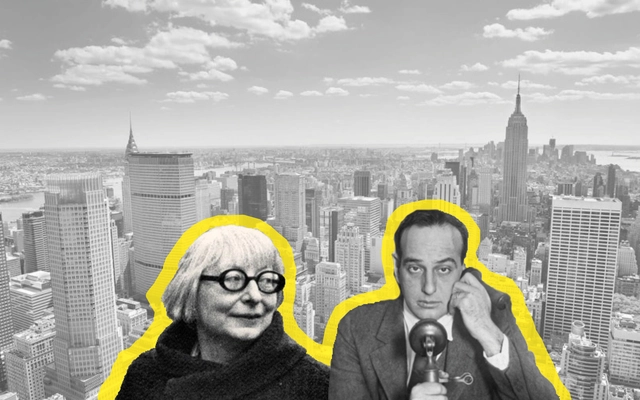
The development of cities has historically been a slow-moving process. In the everchanging urban landscape that faces the pushes and pulls of a variety of social, economic, and financial factors, it’s been hard to pinpoint just one main reason over another why each city has evolved over time into the way that we experience it today. And as designers and planners speculate about what the future of our cities should be, sometimes the reason that our cities look and operate in the way that they do has come down to a few famous battles between individuals with competing schools of thought.
Migration across towns, cities, states, countries, and continents is part of everyday life. As we move to seek out new opportunities in our personal and professional lives, our individual choices actually have greater impacts on the large, highly-interconnected socio-economical systems around the globe. Moving from a small farm town into a major metropolis, or from one continent to another comes with more implications than you may think- and architecture, paired with the concept of “Brain Drain”, might be helping to pull the strings behind the scenes, influencing you to go from one place to the next.
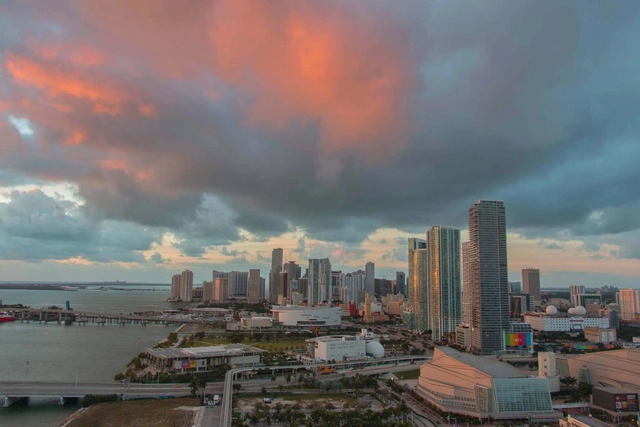
Earlier this month, the city of Miami released a draft version of its comprehensive plan to combat the effects of climate change. The so-called Stormwater Master Plan (SWMP) will be implemented to alleviate the threat of flooding throughout the city, improve the quality of water in Biscayne Bay, and fortify its coastline against stronger and more frequent storm surges over the next 40 years, at an overall cost estimate of $3.8 billion.
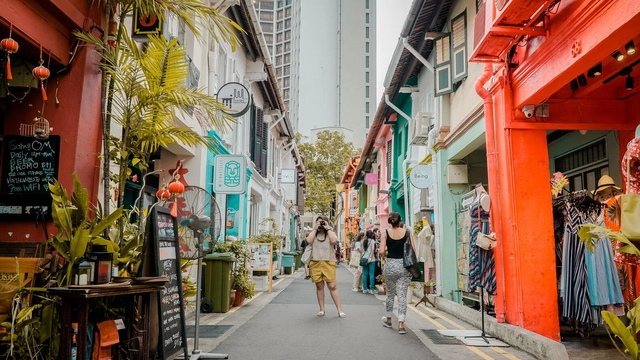
Haji Lane, Singapore. Photograph by Bna Ignacio, via Unsplash
Time Out, an online platform for urban culture that looks for the most vibrant locations around the globe, has recently ranked the 30 coolest streets in the world. The website, which usually focuses on cities as a whole, having already ranked the coolest neighborhoods, is now taking a more local approach due to the Covid-19 pandemic.