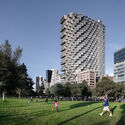
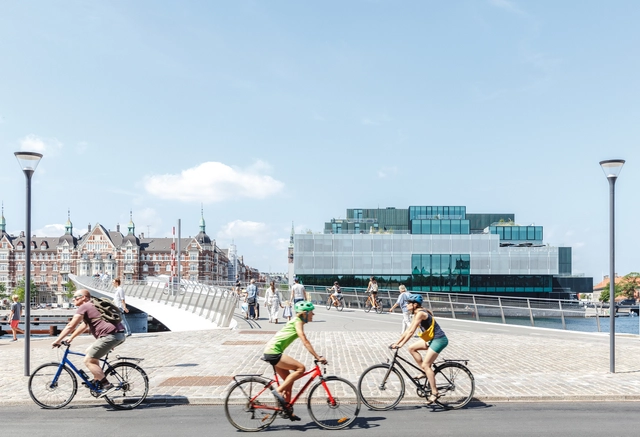
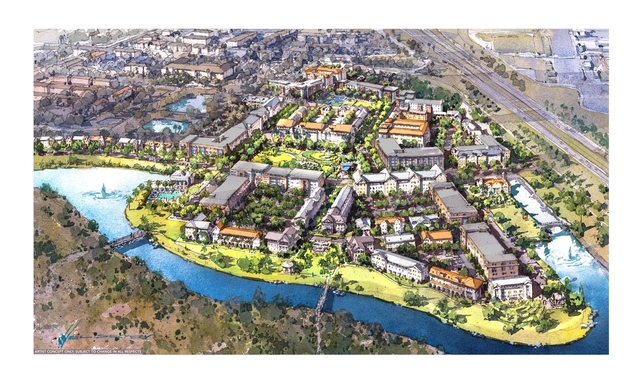
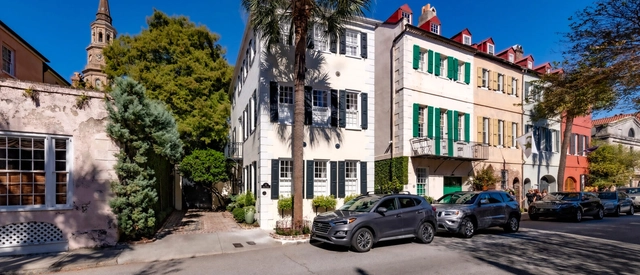
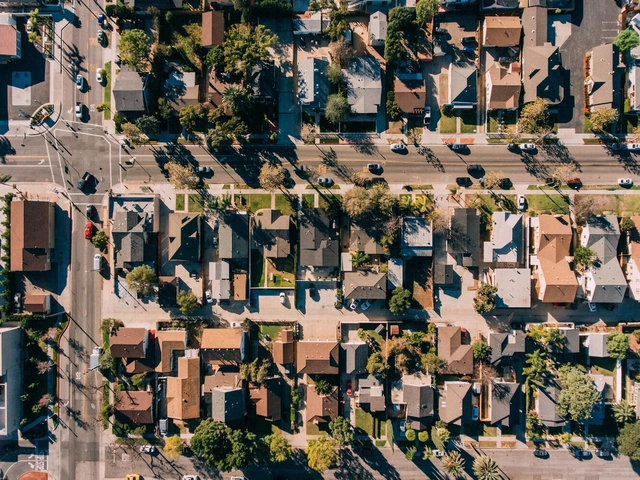
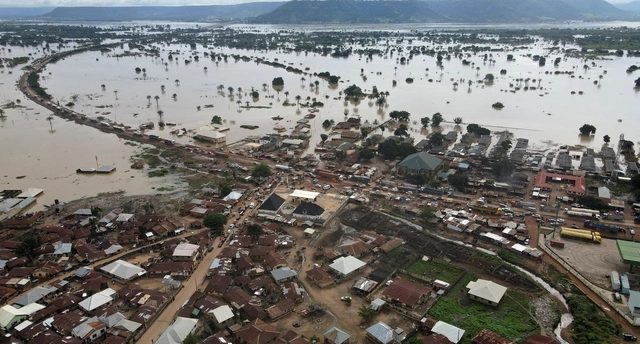
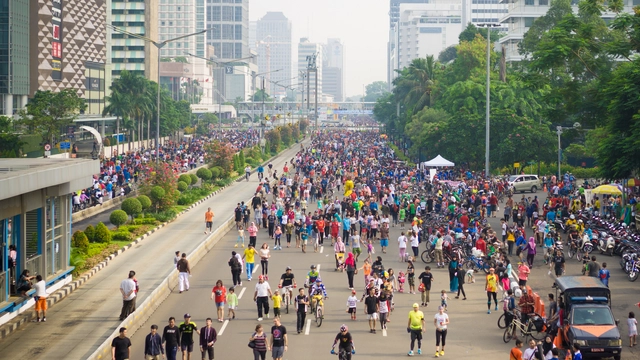
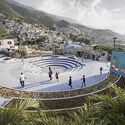
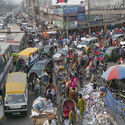
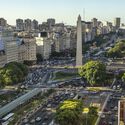
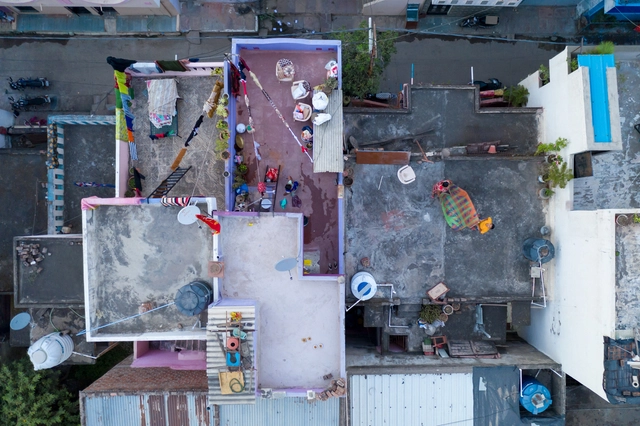
Master plans, or large-scale urban planning projects, are one of the main tools for shaping and structuring land use and development to ensure that the built environment is coherent and functional. The interventions vary in scope and approach. While some projects are extending the buildable area by creating floating neighborhoods off the coast of Florida, others are reusing the existing spaces and heritage to reimagine the future of their communities.
At a historical moment when industrialization and urbanization are continuing at a fast and predatory pace, we need to design and produce spaces that can adapt to new realities. Based on this need, concepts that can guide the transformation and production of future cities emerge.
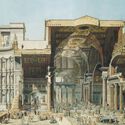
Recent surveys have revealed the average frequency of daily baths in some countries. While in Latin America, led by Brazil, Mexico and Colombia, people take 8 to 12 baths a week, in the vast majority of countries affected, the average is around 6 to 8. Bathing, throughout human history, involves health, religious, spiritual and even social aspects.
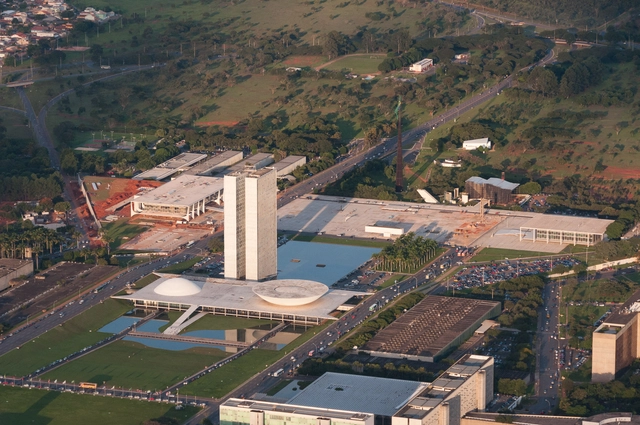
Few places in the world have an overlap of complexities as intense as Brasília. Even so, its architecture symbolizes the Republic and democracy of Brazil, and any act of attack on these symbols carries meanings and consequences for Brazilian memory and cultural heritage. The terrorist acts of January 2023 destroyed part of the heritage and raised questions beyond objects and architecture, touching on education, culture, and national political capital.
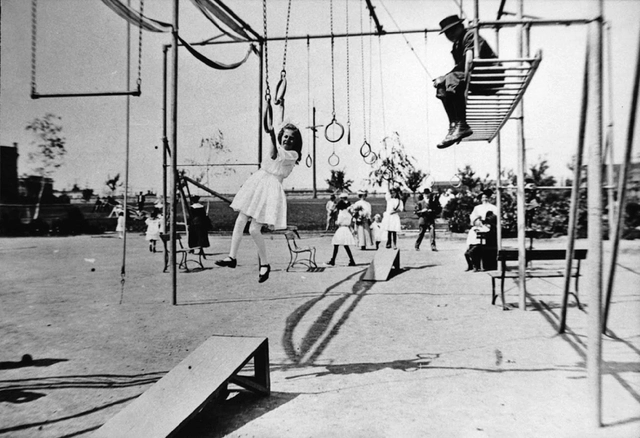
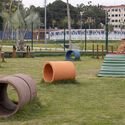
Playgrounds are spaces with equipment dedicated to children's leisure, where they can develop motor and social skills. However, these spaces are new to our cultures and cities and emerge from the recognition of childhood as a fundamental stage of human development.
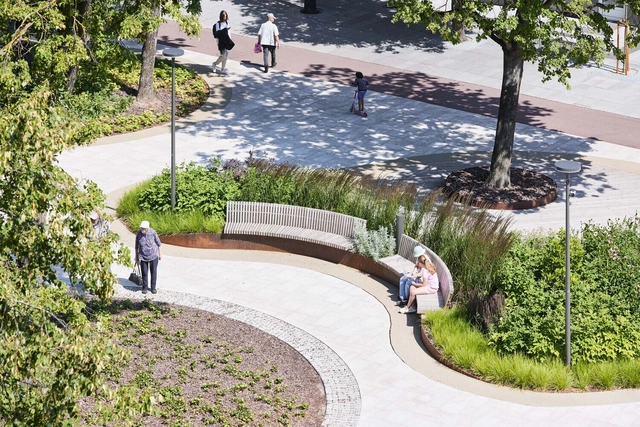
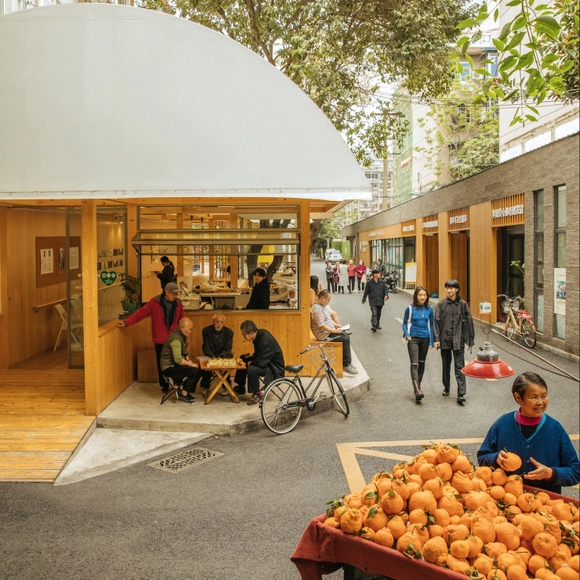
Urban public spaces can transform the life of neighborhoods and cities and, therefore, need to be open to the social, cultural and technological changes that occur in society. From urban vegetable gardens to pet spaces, from rain gardens to art pavilions, life in today's cities has created new demands and ways of using and appropriating public spaces.
What kind of city is a people-oriented city? This is a difficult question to answer because humanistic cities evaluate the city by "people”, and people are extremely diverse, producing individual different evaluation standards. For example, a city that is friendly to car drivers, may not be so friendly to pedestrians.
Nonetheless, there is a general perception that some cities seem to be more friendly to people than others. Why is this the situation?
In the 19th century, many Americans living in up-and-coming cities and towns oftentimes found themselves strolling through the winding paths of curated gardens, stopping to rest under the shade of a tree and share a picnic with family and friends. Dotted across the grassy areas were headstones, marking the burial locations of those who were laid to rest. While the concept of relaxing in a graveyard seems a bit taboo in the present day, it was sometimes the only option for people to find space for recreation and leisure and was one of the earliest examples of a public park. Many of the parks we have today were actually caused by the evolution and planning of historic cemeteries.
The new technologies of the digital world caused changes in architecture and urbanism. New materials, new construction techniques, and new ways of manufacturing and building have changed how we design and think about construction. Besides, these technologies reveal possibilities of interaction between society and architecture, transforming the understanding of architecture and its purpose.
Ambitious technologists have claimed for decades that self-driving cars are the future. Yet, looking at recent years, the biggest revolution has come from vehicles on two wheels, not four. Fueled by the pandemic, increased oil prices, climate change and the desire for healthier lifestyles, we are now living in the midst of a bicycle renaissance. But to understand how we got here, it is crucial to look back. When the automobile became more widespread in the early 1900s, it quickly became a symbol of progress along with all it entailed: speed, privatisation and segregation. Adopting a car-centric approach, urban planners had to reorganise entire cities to separate traffic. Cars took over public spaces that used to host dynamic city life and parking lots, highways and gas stations became common landscapes. Pedestrians that once ruled the streets were herded into sidewalks and children relegated to fenced playgrounds. Ironically, cities were being designed for cars (not humans).
Community development proposals in Disney World come from back days. One of Walt Disney's last visionary projects was the Experimental Prototype Community of Tomorrow (EPCOT), a center for American enterprise and urban living. Disney advocated that the problems of cities were the most critical issues facing society and planned a city that could develop in a controlled manner, contrary to the urban expansion in the USA during the first half of the last century. After Disney died in 1966, the "EPCOT" concept was abandoned as the company was uncertain about the feasibility of operating a city. Fifty- five years later, after a thorough search, Walt Disney World chose The Michaels Organization for its experience in building and managing attainable housing communities.
Authenticity seems impossible today, with places and the buildings in them assembled with products from the Industrial Development Complex that could be assembled almost anywhere else on Earth in a debauchery of placelessness, disharmony with nature, and meaninglessness that doesn’t age well. So how is authenticity in the built environment achieved?
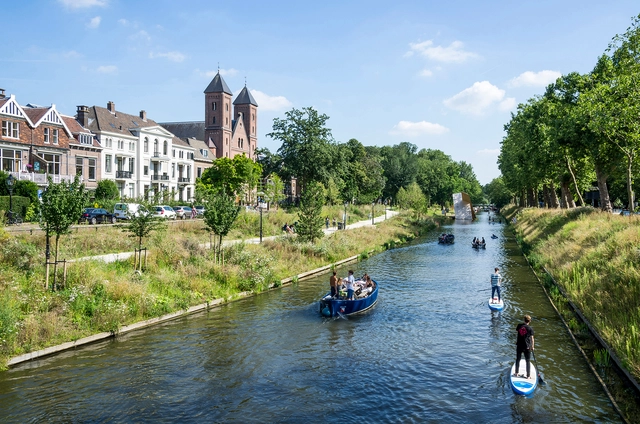
The Dutch firm OKRA landschapsarchitecten has been awarded the European Prize for Urban Public Space 2022 for its project to restore the Catharijnesingel canal in the city of Utrecht in the Netherlands. Being an initiative of the Center of Contemporary Culture of Barcelona (CCCB), this eleventh edition received 326 projects from 35 different countries showing those problems that European cities must face and proposing some solutions in the framework of a post-pandemic context focused on climate change and how to make cities more livable.
Envision your ideal neighborhood. Maybe it’s on a cul-de-sac in the suburbs, where every neighbor has a well-manicured lawn, a two-car garage, and everyone gives each other a friendly wave on their way to work. Or maybe you live in a high-rise building in a dense urban center, where you take public transit to the office five days a week and say hello to your doorman on your way out. Whatever your neighborhood might look like, there’s always a sense of wanting to know the people who live around your- or at least an unspoken reliance on one another to ensure that your surroundings are safe. What happens when technology brings you and your neighbors together to report on local happenings? Is it a good thing, or does it create a vigilante situation gone awry?
A few days ago, the world gathered at Sharm El Sheik, Egypt, for its annual climate change summit: COP27. Like the rest of Africa, Nigeria is represented by its retinue of bureaucrats, climate advocates, and other interest groups. Since the last meeting in Scotland (COP26), Nigeria signed the Climate Change Act into law, setting a target of attaining net-zero greenhouse gas emissions between 2050 and 2070. In the interim, Nigeria has developed an ambitious energy plan that would see it transition from fossil fuels to renewable energy, using its vast reserve of natural gas as a hedge. The country is at the forefront of the African Carbon Markets Initiative and plans to raise at least $500 million from carbon crediting trading to offset emitted carbon.
https://www.archdaily.com/992422/nigerias-ambitious-climate-agenda-and-its-misplaced-fixation-on-carbon-footprintMathias Agbo, Jr.
According to the World Population Clock, the human population reached 8 billion on November 15th. According to the UN, this milestone represents a celebration of human longevity due to improvements in public health and medicine, but it also comes with warnings about inequality, limited access to food and resources, and environmental damage. Despite the impressive number, the annual World Population Prospect report shows that the global population is growing at the slowest rate since 1950, and it predicts a continued deceleration in the second half of this century.
As more than half of the worldpopulation lives in cities, an estimated 55.7%, according to UN-Habitat’s latest reports, the urban challenges are growing exponentially. The UN expects this number to increase to 68% by 2050, with close to 90% of this increase taking place in Asia and Africa. Accelerated urbanization can pose significant risks, such as increasing inequality, poverty, sectorized development, social exclusion, and pollution. In this context, a well-balanced urban agenda becomes crucially important in achieving inclusive, safe, and sustainable cities.
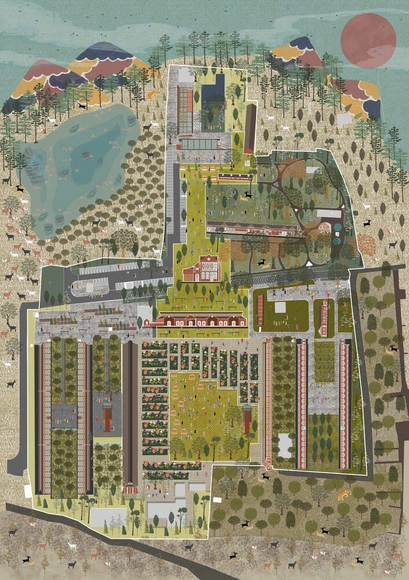
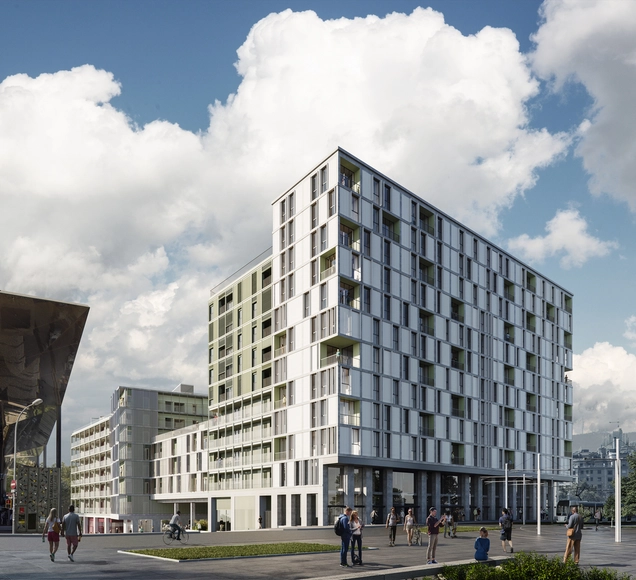
Illa Glories / CIERTO ESTUDIO. Image Cortesía de CIERTO ESTUDIO
CIERTO ESTUDIO was founded by six young architects in 2014. Since then, the team has not stopped growing and thus consolidating its professional practice in Barcelona. These six women architects are: Marta Benedicto, Ivet Gasol, Carlota de Gispert, Anna Llonch, Lucia Millet, and Clara Vidal.
The studio was born from plurality, therefore its thinking is inevitably diverse and this is reflected in its collaborative work methodology, always looking for the maximum architectural claim and its own character.
Aranya Community Housing / Vastu-Shilpa Consultants . Image Courtesy of Vitra Design Museum
In almost every Indian language, a colloquial term for “family” - ghar wale in Hindi, for example - literally translates to “the ones in (my) house”. Traditionally, Indian homes would shelter generations of a family together under one roof, forming close-knit neighborhoods of relatives and friends. The residential architecture was therefore influenced by the needs of the joint family system. Spaces for social interaction are pivotal in collective housing, apart from structures that adapt to the changing needs of each family. The nuanced relationship between culture, traditions, and architecture beautifully manifests in the spatial syntax of Indian housing.