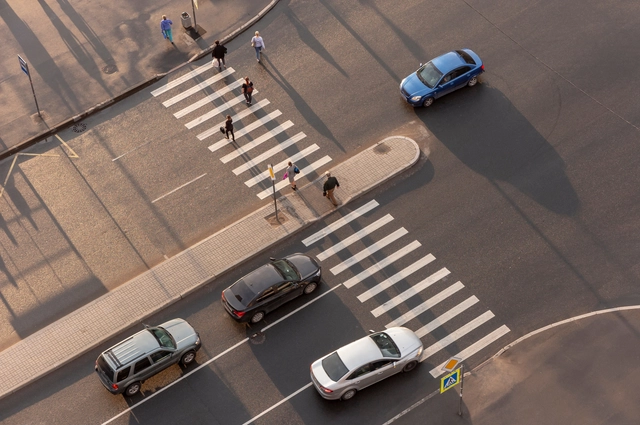
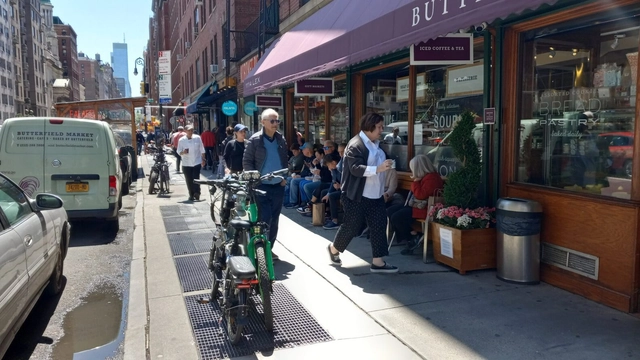
The fabric of our cities is shaped by millions of small decisions and adaptations, many of which have become integral to our experience. Nowadays taken for granted, some of these elements were revolutionary at the time of their implementation. One such element is the curb cut, the small ramp grading down the sidewalk to connect it to the adjoining street, allowing wheelchair users and people with motor disabilities to easily move onto and off the sidewalk. This seemingly small adaptation has proven to be unexpectedly useful for a wider range of people, including parents with strollers, cyclists, delivery workers, etc. Consequently, it lends its name to a wider phenomenon, the “curb cut effect”, where accommodations and improvements made for a minority end up benefiting a much larger population in expected and unexpected ways.
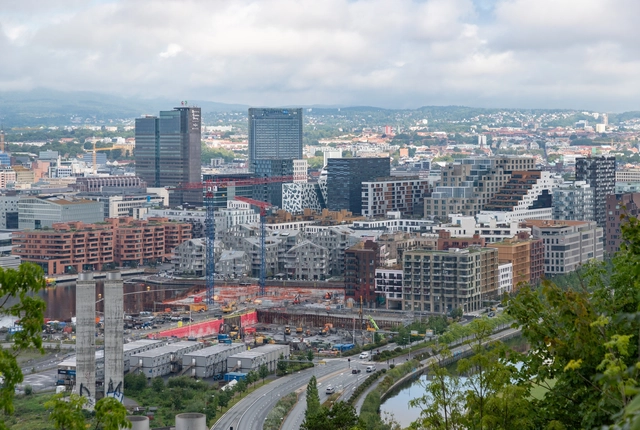
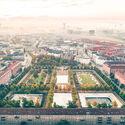
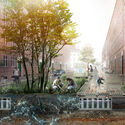
The Norwegian studio of Powerhouse, in collaboration with KIMA arkitektur, has won a design competition for the transformation and extension of one of the historical buildings located in the center of Landbrukskvartalet. Known as the Agricultural Quarter, a former farming and industrial site in central Oslo, the area is now scheduled to go through an urban revitalization process to be transformed into an active neighborhood based on the design philosophy of ‘new meets old’.
It has been a bull market for downbeat urban reporting since the pandemic arrived in town. And it isn’t hard to see why. In 2020, central U.S. cities went from “comeback” success stories to ghost towns; transit lost nearly all ridership; tens of thousands of stores and restaurants shuttered; and many of the affluent decamped to the suburbs and distant Zoom towns.
Violent cities result from social and economic inequality, which also affects the urban landscape and the way we live. In honor of International Cities Day, we have selected a series of projects to reflect on non-violent ways of using public space.
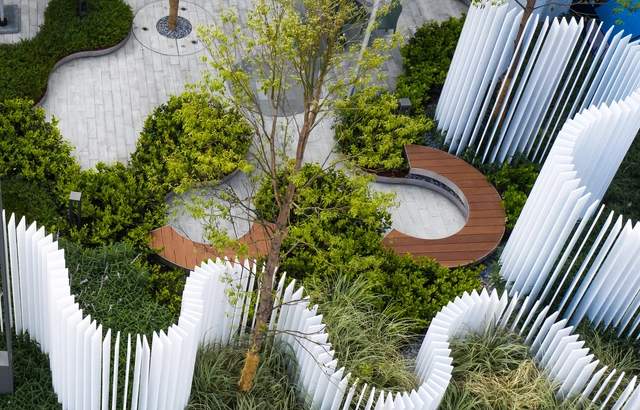
RoarcRenew Architects has been selected for ArchDaily's 2023 New Practices. In two of Shanghai's busiest commercial districts, Anfu Road and Columbia Circle, stores designed by RoarcRenew Architects attract large crowds. Within spaces covering just a hundred square meters, they meticulously design every architectural element, continuously exploring and innovating. Their recent bamboo installation, done in collaboration with Taikoo Li, is a remarkable showcase of sustainable design in commercial spaces.
Roarc Renew consistently conveys a clear architectural concept in its projects. The construction logic mirrors the fundamental principles governing our world, involving substances and joints: joints can both represent the substances in the physical world and connect them all. In their projects, Roarc Renew has introduced the JointsPavilion (JP) series for the construction system and the SoftJoints (SJ) series for home furniture systems. This allows them to utilize their expertise in creating elegant connections that simplify and enhance the beauty of various elements.
https://www.archdaily.com/1007358/designing-with-a-sustainable-and-product-oriented-approach-an-interview-with-roarcrenew-architects韩爽 - HAN Shuang
As has become customary in recent years, on the first Monday of October, we celebrate both World Architecture Day and World Habitat Day, serving as a reminder to the global community of its collective responsibility for the well-being of the built environment. This edition, like its predecessors, sheds light on the realm of architecture and the challenges faced by our cities, introducing new themes, contemplating the state of our urban areas, and proposing constructive strategies.
Since urban economies have encountered significant difficulties this year, the UN's World Habitat Day focuses on "Resilient Urban Economies: cities as drivers of growth and recovery." Launching Urban October, this event seeks to bring together diverse urban stakeholders to deliberate on policies to help cities recover after the dual economic impacts caused by the COVID-19 pandemic and conflicts worldwide. Aligned with this concept, World Architecture Day, created by the UIA in 1985, has chosen to concentrate on "Architecture for Resilient Communities," emphasizing the role and duty of architecture in fostering thriving community existence while initiating a global dialogue regarding the interconnectedness of urban and rural regions within every nation.
Environmental neuroscience is an emerging field devoted to studying the impact of social and physical environments on brain processes and behaviour. From the various opportunities for social interaction to noise levels and access to green spaces, the characteristics of the urban environment have important implications for neural mechanisms and brain functioning, thus influencing our physical state. The field paints a different image of how cities impact our health and well-being, thus providing a new, scientific layer of understanding that could help architects, urban planners, and decision-makers create more equitable urban environments.
In the realm of media architecture and its role in supporting struggles for social justice, the recent Media Architecture Biennale 2023 (MAB23) in Toronto, Canada, shed light on a captivating aspect: The rapid and vast propagation of solidarity lighting in response to Russia's invasion of Ukraine in 2022. The synchronized illuminations, infused with activism and global art projects, became a powerful emblem of worldwide support for Ukraine during its time of crisis. Two emphatic female political leaders in Europe initiated the lighting solidarity message. Surprisingly, the blue and yellow Ukrainian flag illumination on iconic buildings worldwide defined an image of solidarity even faster in the press than large crowds of people in anti-war protests the weekend after the war began.
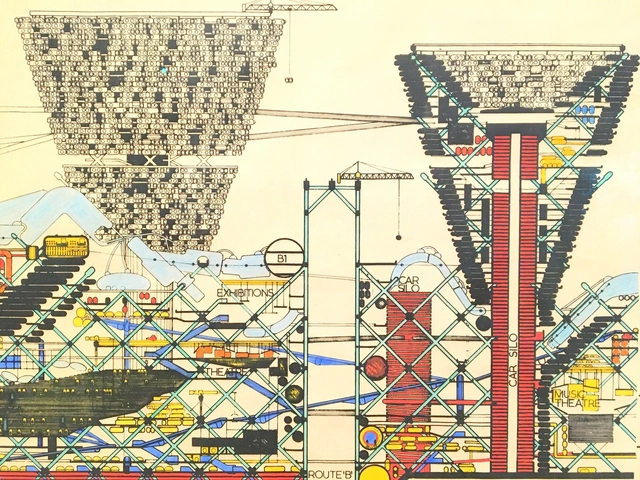
The concept of a city can be viewed as a constantly evolving system where both architects and users contribute to its design and redesign. While its framework may start with planners or designers, the character of the urban fabric is ultimately shaped by the societies and generations that inhabit it. The question of "city authorship" often arises in the context of masterplan design. Can architects and urban planners determine the extent to which a city will evolve through its initial design? The answer is no. User authorship then acknowledges that city planning should not be approached like building design, where designers attempt to predict every aspect of shape, pattern, behavior, and culture. Instead, it recognizes the role that people play in shaping the urban fabric through their personal taste in architecture, the development of neighborhood personality, and ongoing redesign that contributes to the story and spirit of a place. These factors should be considered in the initial design by engaging ideas related to future expansion, adaptable infrastructure, and empowering citizens to contribute to the city's architecture, thus making the city design democratic. This article explores conceptual radical cities where designers embrace the ideas of user authorship and the constant evolution of ephemeral architecture.
From the grid plans of ancient Greek cities to the Renaissance's idealized urban layouts, the history of urban planning is a reflection of evolving power structures and societal priorities. Across the world, many African and Asian cities simultaneously existed without clear visual manifestation. the organizational structure being deeply embedded in cultural needs and social relations. Urban development is marked by a dichotomy - the contrast between top-down planning strategies led by influential entities and governing bodies, and the bottom-up initiatives driven by local communities. This interplay shapes cities, influencing aspects from infrastructure and public spaces to housing models and urban character. Delving into the differences between these strategies is essential to crafting a harmonious urban landscape that caters to the needs of its residents.
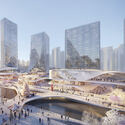
Mixed-Use Development in Nanjing / UNStudio. Image Courtesy of K.Wah
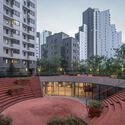
In recent decades, China's residential landscape has undergone a transformation setting primarily informed by social community ties now prioritizes the needs of rapid urbanization and modern lifestyles. Traditional courtyard houses of China once activated the urban realm, harmoniously blending private residential zones with public areas of the neighborhood. Today, the country is speckled with private developments and gated communities that have severed the connection between residential areas and the urban realm. Amidst this transformation, MAD Architects' Baiziwan Social Housing in Beijing emerges as a visionary attempt to reimagine urban living. By embracing a mixed-use program, this residential complex integrates itself with the surrounding neighborhood, fostering a renewed sense of unity with the bustling metropolis. Not limited to China alone, numerous housing endeavors worldwide have embraced this approach, reclaiming their ties to the urban realm.
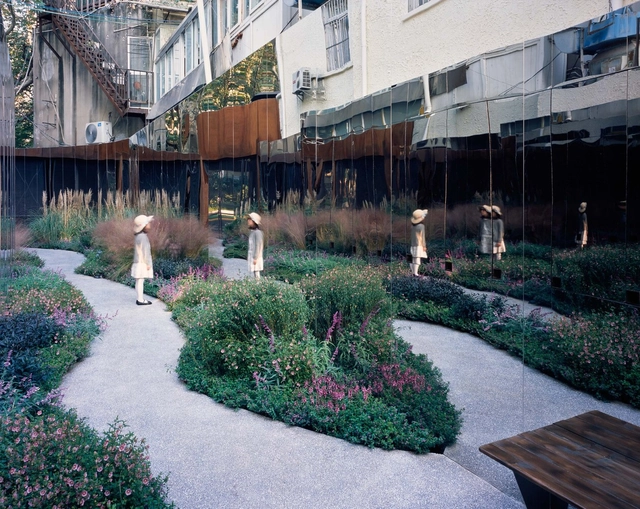
Far beyond its decorative features, landscaping brings with it biological and cultural issues that need to be addressed in projects. However, what can be seen in most public, residential, condominium, commercial and business gardens is a series of approaches that distance landscaping from all its attributes, reducing it to a decorative layer in the construction. Next, we have put together strategies to avoid the main problems of landscape design, joining aesthetics with its environmental and cultural possibilities.
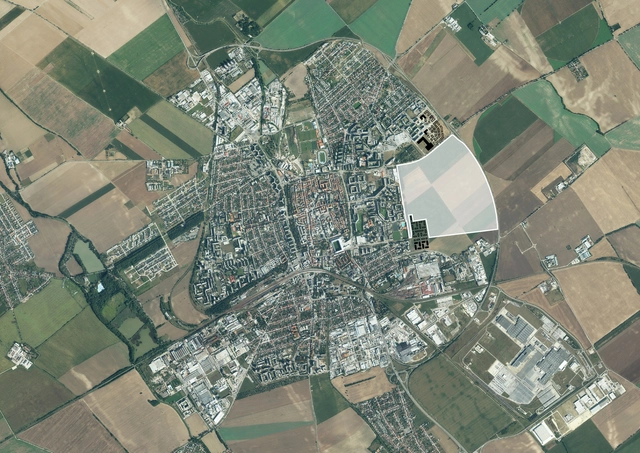
Trnava, the regional vision-having city of 62,000 inhabitants, launches an international two-stage urban design competition of an unprecedented scale across Slovakia. From the point of the history of the city ̓s development, this is a game-changer to be setting a new standard with respect to the preparation of The Land-use plan.
Memorium Nürnberger Visitor Center. Image Courtesy of Sebastian Brunke
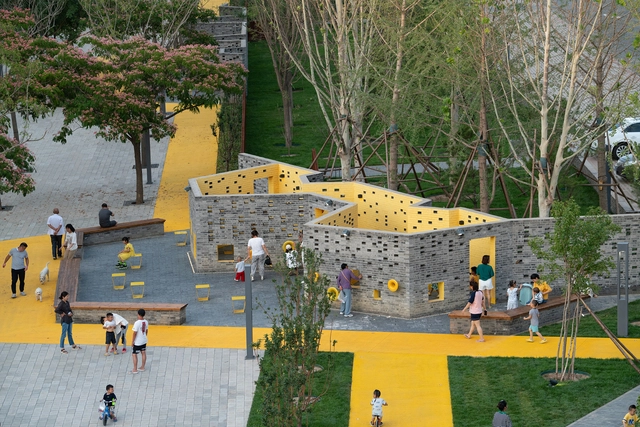
Public spaces are the beating heart of our cities. They act as the hubs of social and cultural activity where people congregate, interact, and escape the clamor of the city. These areas are crucial in determining a city's identity, character, and citizens' well-being and standard of living. Public spaces can define our communities and significantly impact how we live, work, and interact with one another through their architectural designs, facilities, and activities. Furthermore, they provide leisure, exercise, and recreation opportunities, allowing individuals to escape the confines of their daily routines and connect with nature.
This week's curated selection of Best Unbuilt Architecture highlights projects submitted by the ArchDaily community showcasing different proposals made to enhance public space. Ranging from reimagining central squares to placing massive land art in the urban epicenter, these public spaces enhance the quality of life for the city's locals. In Germany, the redesign of the entire Memorium Nürnberger Trials reimagines this as a place to come together, grounded in its history, while in Havana, the new Cuban Square reimagines the metaphor of unity in the city center. The design and accessibility of public spaces significantly impact our well-being and quality of life. Thoughtfully planned and inclusive spaces with seating, greenery, and pedestrian-friendly infrastructure can promote physical activity, mental health, and community engagement in a city.
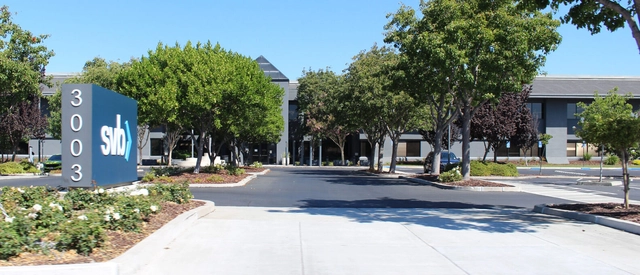
One of the principles of comedy is that you “punch up.” If you have to make fun of someone or something, make sure it’s more prominent than you, and deserving. You can’t get much higher than Santa Clara, California, and you can’t get much more deserving. Santa Clara is, arguably, the city at the heart of Silicon Valley, a globally famous urban region that is so ill-defined as to deny its own existence. Those ranch houses and corporate headquarters represent a distinctly 21st-century brand of power. And a distinctly 20th-century brand of urbanism.
In his latest TED Talk, Thomas Heatherwick decries a condition affecting areas of the city defined by monotonous buildings, or what he calls “an epidemic of boringness.” While recognizing the functionality which drove these designs, he states that functionality alone cannot ensure that the structures become active parts of urban life, as they often fail to provoke an emotional response from passers-by. Heatherwick explains that, in his view, this emotional function, or the ability of buildings to mean something to their users and visitors, is essential. When it succeeds, architecture can positively contribute to the quality of life and well-being of its residents, promote social cohesion and contribute to a sense of identity. So how can architecture provoke a positive emotional connection and provide an enjoyable backdrop to the communities it serves?