
Dolphin Villa / Idee architects


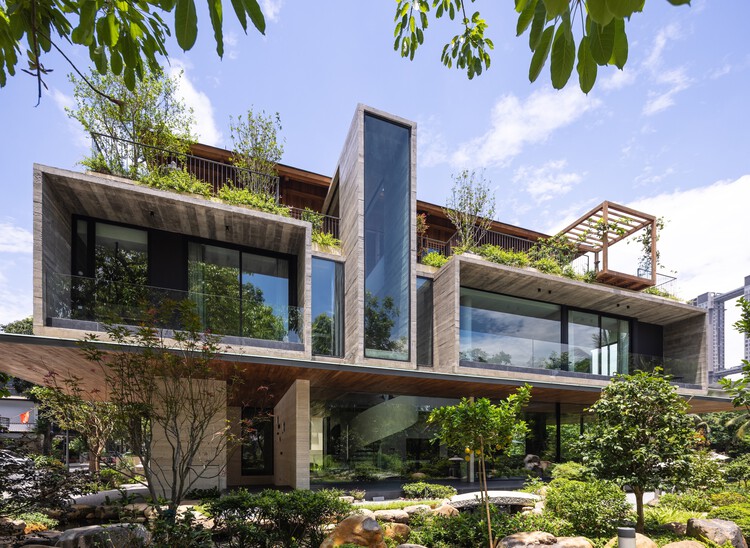
https://www.archdaily.com/1185015/dolphine-villa-idee-architectsMiwa Negoro
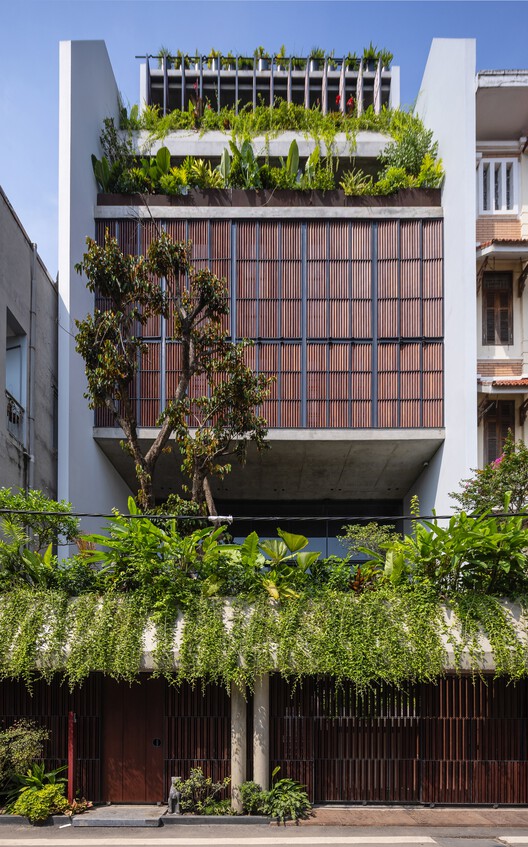
100 Windows House / Inrestudio


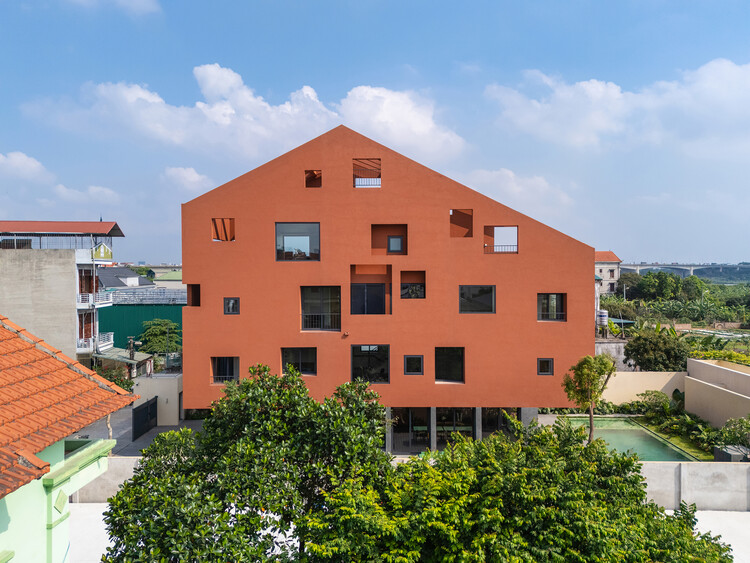
-
Architects: Inrestudio
- Area: 639 m²
- Year: 2025
-
Manufacturers: Ali Việt Nam, Konig, TexaCoat
https://www.archdaily.com/1182312/100-windows-house-inrestudioPratik Mour
NB01 House / TNT Architecture


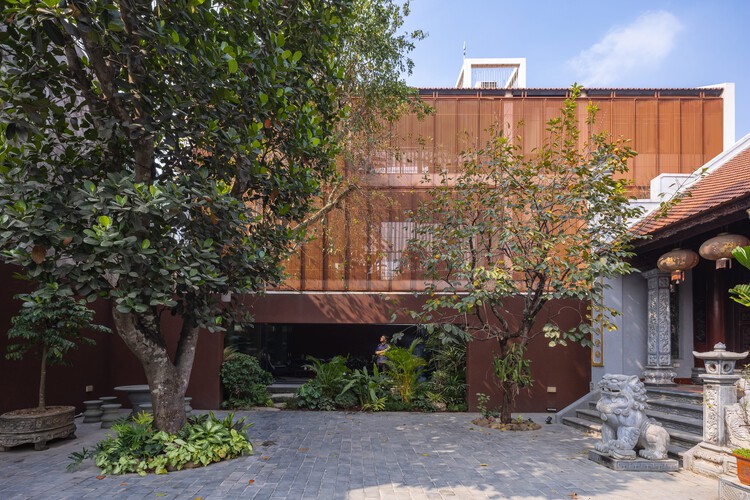
https://www.archdaily.com/1148557/nb01-house-tnt-architecturePratik Mour
Dusit Le Palais Tu Hoa Hotel / Baumschlager Eberle Architekten


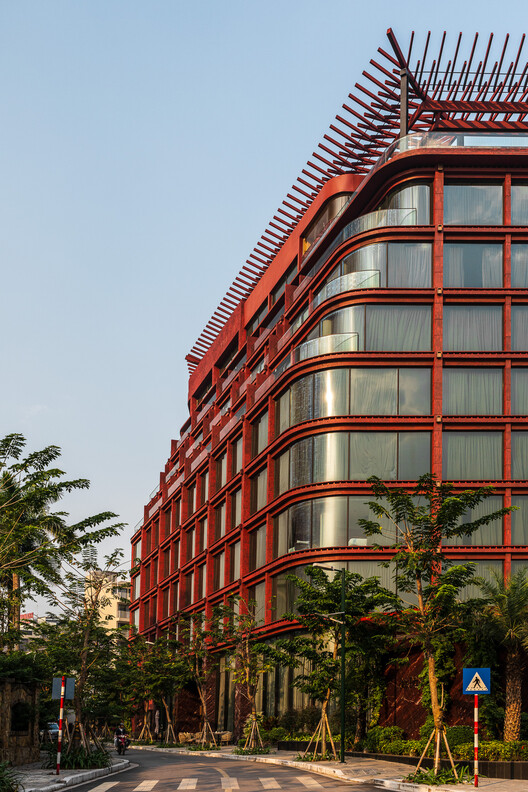
-
Architects: Baumschlager Eberle Architekten
- Area: 14152 m²
- Year: 2025
-
Manufacturers: Jotun Vietnam, KONE Vietnam
-
Professionals: Phuc Hung Holding Construction Jsc, ASA Lighting Design Studio
https://www.archdaily.com/1040228/dusit-le-palais-tu-hoa-hotel-baumschlager-eberle-architektenValeria Silva
Introducing the 75 Finalists of the 2026 ArchDaily Building of the Year Awards

Two weeks and over 85,000 nominations later, the finalists of this year's Building of the Year Awards are in. The selection is much like the ArchDaily audience that chose it: diverse in geography, generous in ideas, and precise in intent. With projects from 46 countries, in a variety of typologies and scales, they present a beautiful snapshot of the current architectural moment.
We invite you to sit back, browse, and vote for your ultimate favorites. Below, you will find all of the 75 finalists in their respective categories. Voting is open until February 18th at 18:00 EST. Thank you—your participation is key to making this the world's largest community-driven architecture award.
https://www.archdaily.com/1038674/introducing-the-75-finalists-of-the-archdaily-2026-building-of-the-year-awardsDaniela Porto
How Asia Built Schools in 2025: 5 Site-Sourced Rural Projects

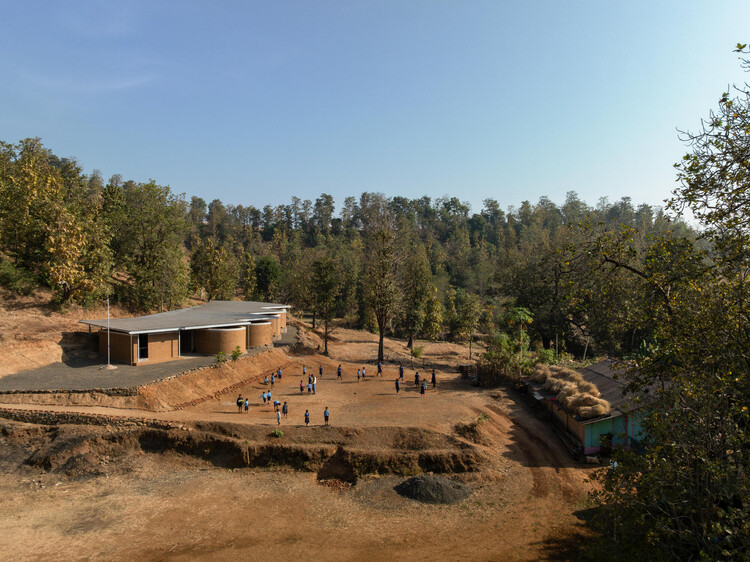
In the mountainous regions of Vietnam, the borderlands of Thailand, and the rugged Western Ghats of India, building school projects remains a challenge defined by logistics. In areas where infrastructure and industrial supply chains are limited or distant, transporting each kilogram of material can significantly increase costs and logistical complexity. During 2025, several school projects in rural contexts in Asia showed how the architect's role often shifted from a designer of form to a strategist of procurement. The primary challenge was not merely aesthetic but a matter of durability: using locally available materials and protecting them from monsoon rains, high-velocity winds, and sometimes seismic instability.


https://www.archdaily.com/1037417/how-asia-built-schools-in-2025-5-site-sourced-rural-projectsMoises Carrasco
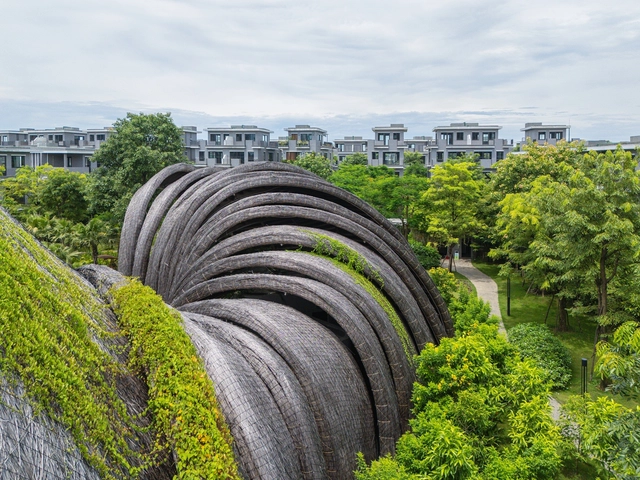
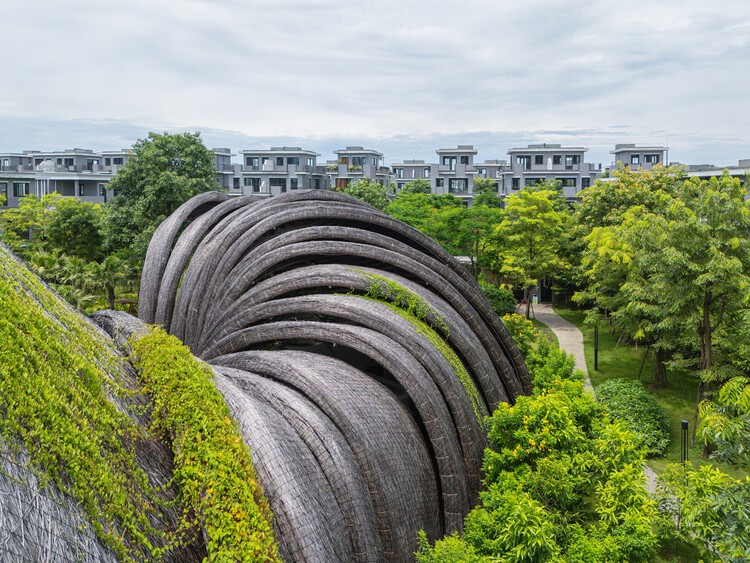
Guột Garden Club House / Ho Khue Architects


-
Architects: Ho Khue Architects
- Area: 530 m²
- Year: 2024
-
Manufacturers: Grohe
https://www.archdaily.com/1037026/guot-garden-club-house-ho-khue-architectsPilar Caballero
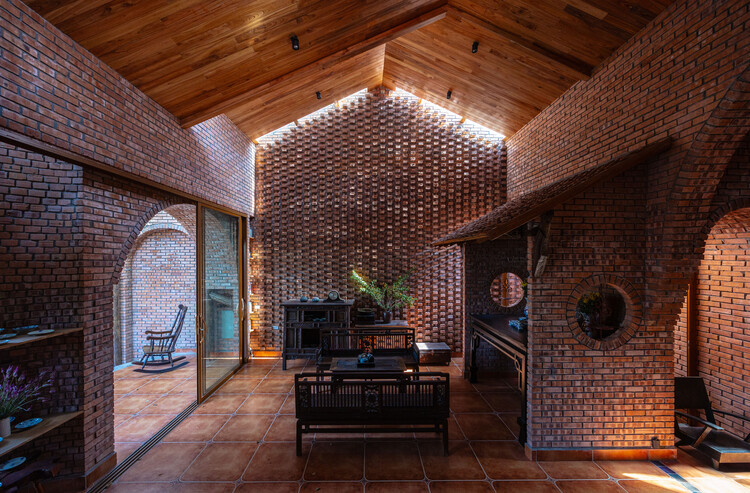
Nang House / Trung tran Studio


https://www.archdaily.com/1036666/nang-house-trung-tran-studioMiwa Negoro
LYM SPACE / PAK Architects


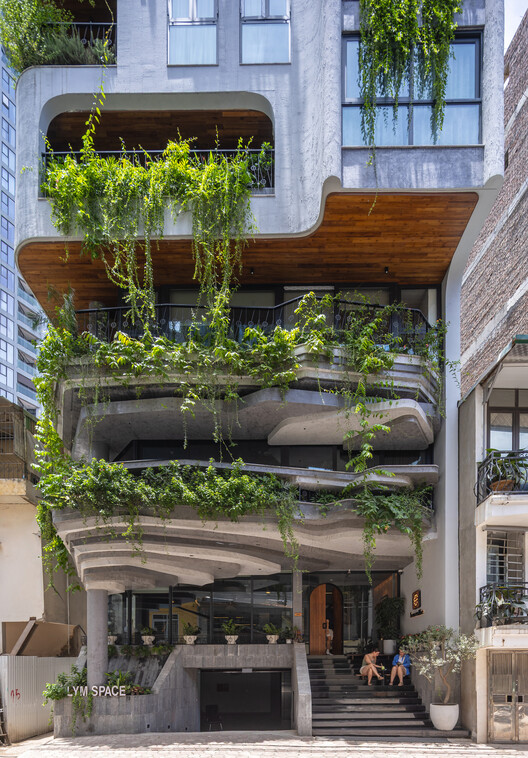
-
Architects: PAK Architects
- Area: 800 m²
- Year: 2025
https://www.archdaily.com/1036513/lym-space-pak-architectsMiwa Negoro
MA.DE Bistro / AN NAM Architecture
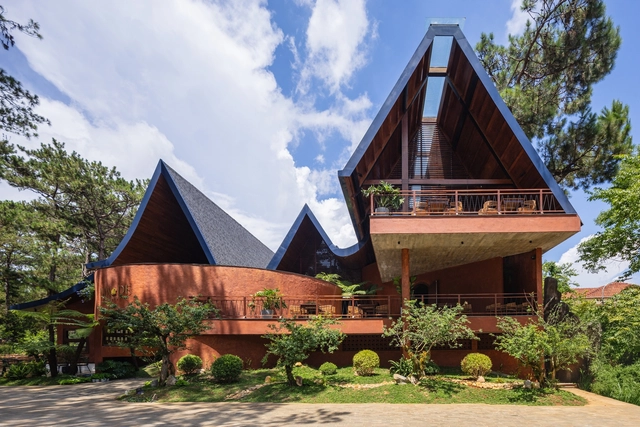


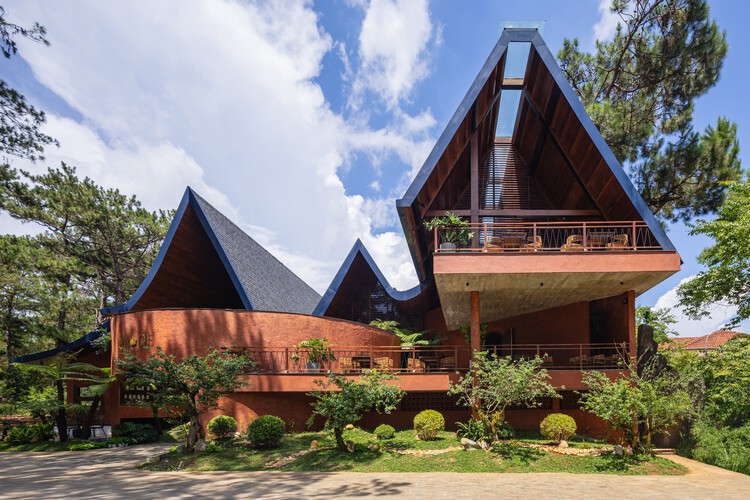
-
Architects: AN NAM Architecture
- Area: 1000 m²
- Year: 2024
https://www.archdaily.com/1036352/me-bistro-an-nam-architectureMiwa Negoro
Tam Dao Retreat House / Idee architects


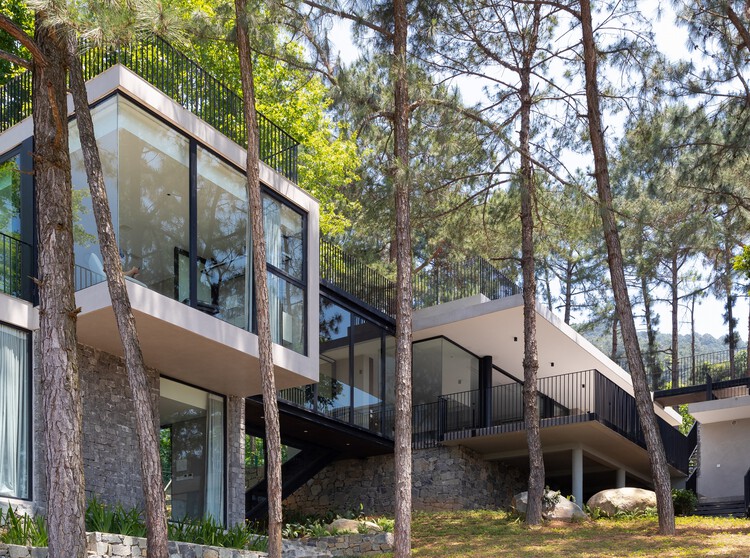
-
Architects: Idee architects
- Area: 2000 m²
- Year: 2023
-
Manufacturers: Eurowindows, Unios Lighting, Vietceramics
https://www.archdaily.com/1036322/tam-dao-retreat-house-idee-architectsMiwa Negoro


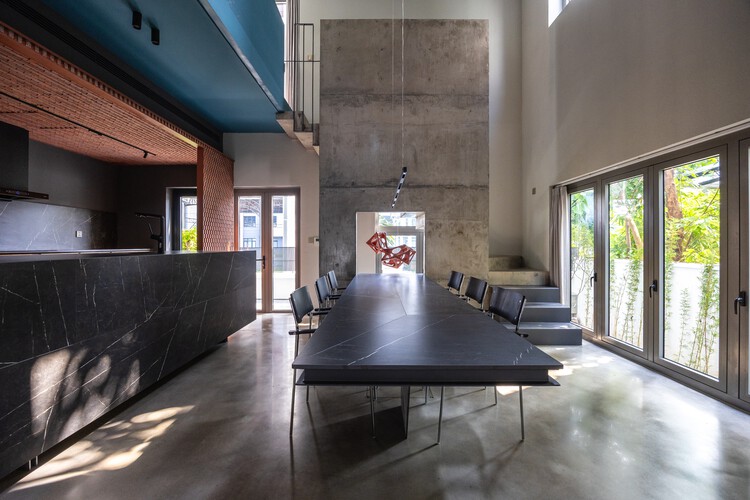
Nuoc Ui School / VTN Architects
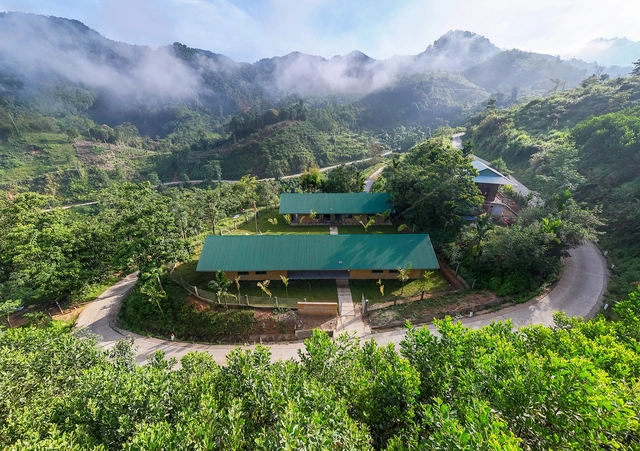


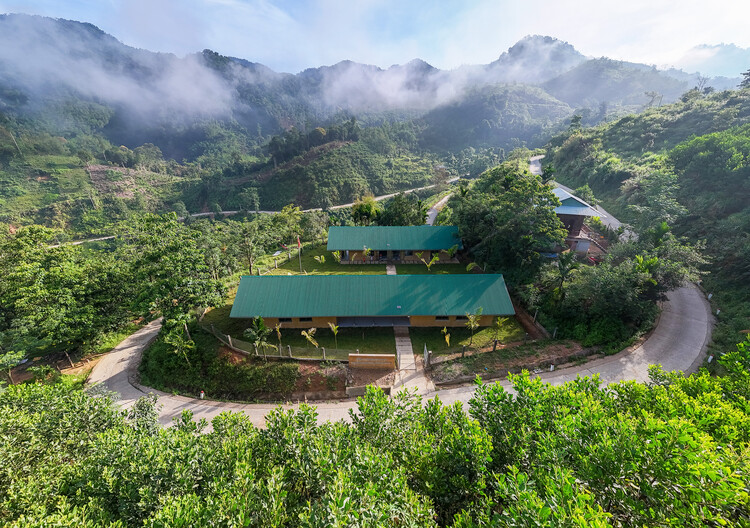
https://www.archdaily.com/1036052/nuoc-ui-school-vtn-architectsMiwa Negoro
Namia River Retreat / LJ-Group Landscape Architecture + T3 ARCHITECTS


https://www.archdaily.com/1035786/namia-river-retreat-lj-group-landscape-architecture-plus-t3-architectsMiwa Negoro
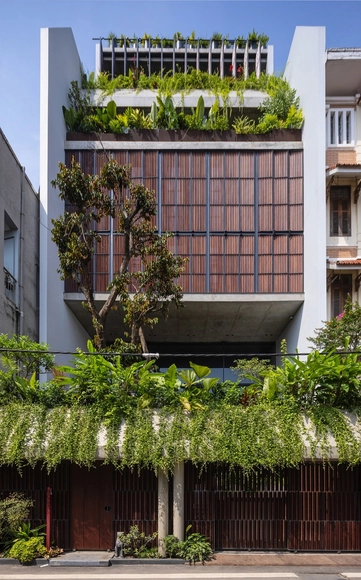


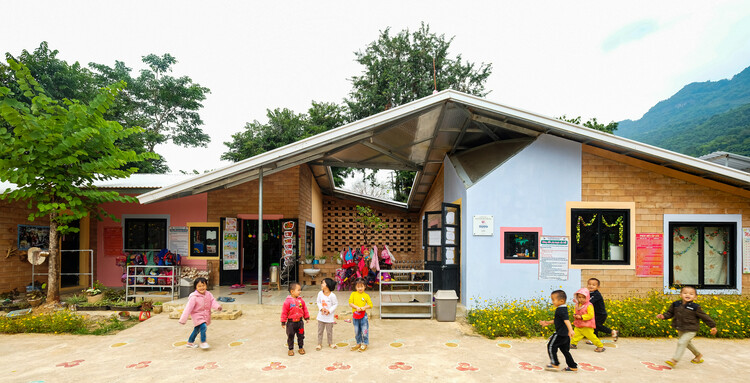
Chieng Ban Kindergarten / 1+1>2 Architects


-
Architects: 1+1>2 Architects
- Area: 105 m²
- Year: 2020
https://www.archdaily.com/1034717/chieng-ban-kindergarten-1-plus-1-2-architectsMiwa Negoro
Interiors of Pastry Shops and Bakeries: Design Strategies that Integrate Functions, Users, and Materials
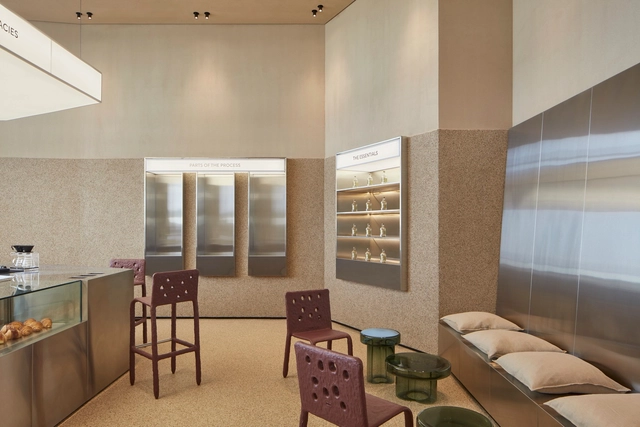
What is the link between architecture and pastry? What design strategies are applied in the contemporary interiors of bakeries and pastry shops? While architecture can serve as inspiration for the design of forms and configurations of edible elements, it also contributes the techniques of descriptive drawing, architectural composition, and staged planning to the culinary language. Focusing their thinking on people and their needs, both disciplines strive for precision, with interior design being a broad field where the use of figures, colors, materials, and various equipment can be explored to enhance user experiences.


https://www.archdaily.com/1020692/interiors-of-pastry-shops-and-bakeries-design-strategies-that-integrate-functions-users-and-materialsAgustina Iñiguez
Bridging the Gap: 15 Atypical Living Solutions in Urban Remnants
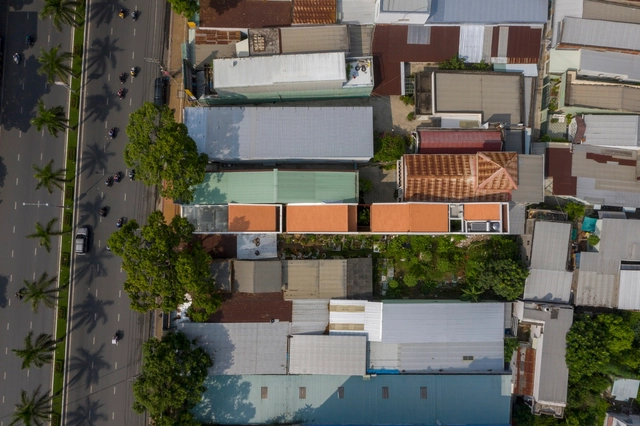
Behind facades lie vibrant lives, where the exterior melds with the interior, transforming neglected urban spaces into captivating residences. In cities around the world, architects, engineers and designers face the challenge of integrating new buildings into existing urban landscapes with limited space. Many architects are now embracing this concept, expanding their designs beyond conventional boundaries and transforming small city lots into layered and interconnected living spaces.


https://www.archdaily.com/1007392/bridging-the-gap-15-atypical-living-solutions-in-urban-remnantsHadir Al Koshta