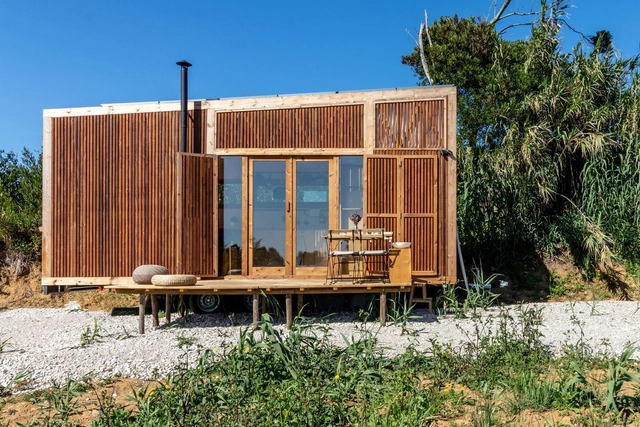
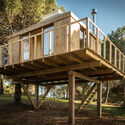
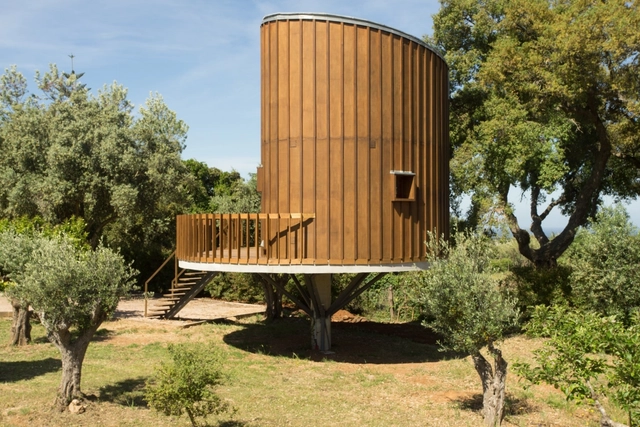
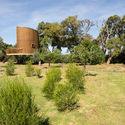
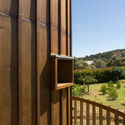
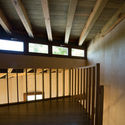
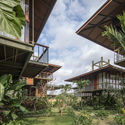
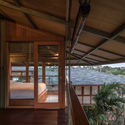
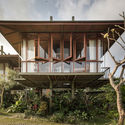
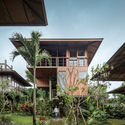
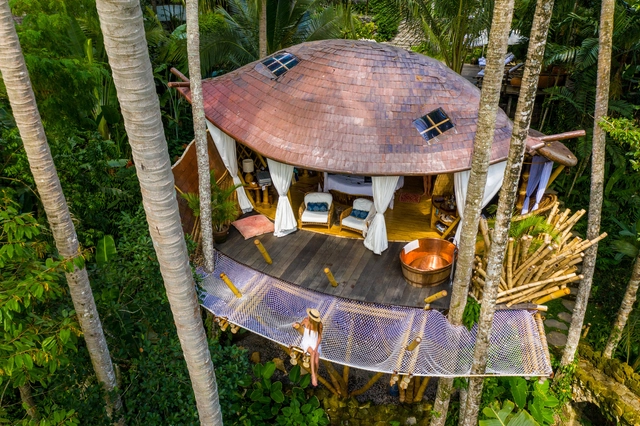
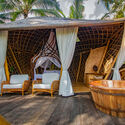
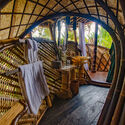
How is it possible to maximize livability in small spaces? What design decisions contribute to functionality and the fulfillment of the inhabitants' essential needs? Over the past decade, small-scale architecture has gained prominence in the quest to find new ways of living in connection with nature and in pursuit of relative self-sufficiency, among other reasons. From minimal homes or tree houses to fine carpentry solutions and sculptures, the Portuguese design studio Madeiguincho is dedicated to developing timber-based projects with the aim of promoting knowledge of wood craftsmanship as both a raw material and a building medium.
Despite their whimsical appearance, treehouses offer a unique platform for structural innovations and design explorations. Traditional treehouses rely on the trunks of trees for structural support, but, in order to ease the load supported by the tree, contemporary projects often introduce additional systems, such as stilts to maintain the image while offering additional support. One of the key advantages of elevating them in this way is the reduced environmental footprint. Treehouses can be designed to leave the forest floor untouched, preserving small-scale ecosystems. By freeing up the ground below, they minimize disruptions to native flora and fauna, allowing nature to thrive undisturbed. Similarly, many architects use the local topography to create seamless connections, incorporating ramps, stairs, or bridges that integrate with the landscape. These solutions not only improve accessibility but also enhance the overall experience creating an architectural promenade that moves between the treehouse and its surroundings.
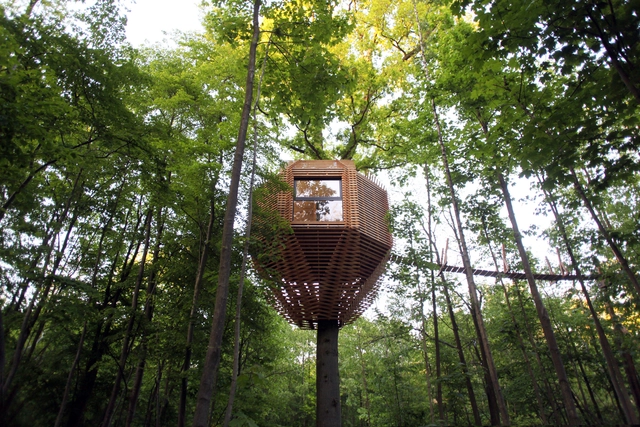
"This sensitivity to the environment is reflected not only in the structural design but also in the careful selection of materials. The use of natural materials like wood, also helps the structure blend with its environment. Some designers have gone further by employing alternative materials such as mirrored panels to reflect the surrounding forest and mask the treehouse's presence entirely, demonstrating that the choice of material can contribute to creating a project that feels like an extension of its setting rather than an imposition on it. This collection highlights notable examples from Sweden, Denmark, Indonesia, and France, showcasing their diverse approaches.
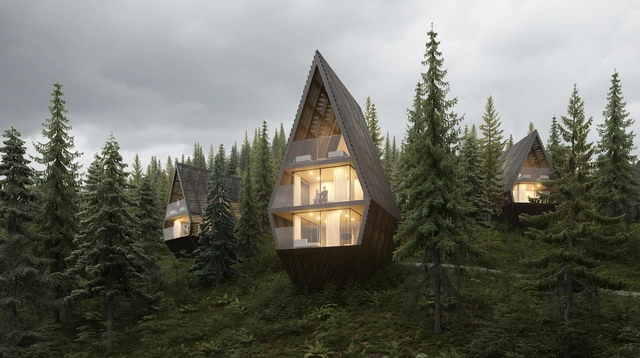
Milan-based architecture studio Peter Pichler has designed an eco-resort to develop a new concept of hospitality in the European Alpine region. Dubbed the YOUNA Nature Resorts, the complex follows the mountain’s silhouette to offer a maximized relaxation experience. The A-shape typology allows wide opens the front facade to connect with nature while reaching high-private interiors under the same roof. The resort is the last of the studio’s series of projects in the Italian rural area, including a hotel in Maranza and a prototype of a treehouse in the forest of the Dolomites.
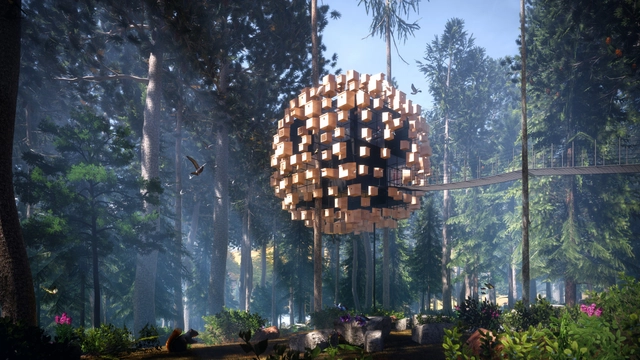
BIG revealed the design for a treetop hotel room wrapped in 350 bird houses created for the Treehotel in Lapland, Sweden. Designed in collaboration with ornithologist Ulf Ohman, the 34 square-metre Biosphere room seeks to enhance the surrounding biosphere by providing a habitat for local birds while allowing guests to be immersed in the surrounding forest. The project is the latest addition to the hotel's series of individually designed rooms created by some of Scandinavia's most renowned architects, such as Snøhetta, Rintala Eggerstsson, and Tham & Videgard.
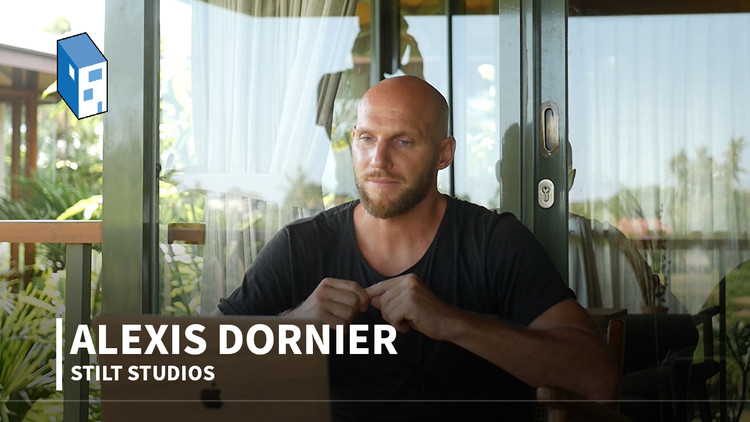
“It all started with the question: What if I’m going to build my own house?" It was this consideration that prompted Alexis Dornier to note that when he's providing architectural design service he's mostly catering, filtering and catalyzing input from other people that have budgets, preferences and tastes and it’s up to him to channel or organize that and let it "stream through" him. Using his craft to put it in order. "But what if you did not have that other hand [designer's help]? What would you do?”
Archdaily’s Hana Abdel, projects curator, sat down with Alexis Dornier to discuss his latest venture as co-founder of Stilt Studios, a company “focused on making Architectural design accessible to a greater audience of people. People who wouldn’t be able to afford an architect or don’t want to go through the trouble of working with an architect. So, what if we could create a product, or an architecture that almost works as a product.”
In the first of our video series with Arup, structural engineer Matt Clark addresses ArchDaily reader Hannah Worthington's inquiry, submitted via our facebook page: "How do you work out the structural capacity of a tree branch to build a tree house?"
Dying to get your question answered in the next "Ask Arup" video? Ask away in the comments below.