

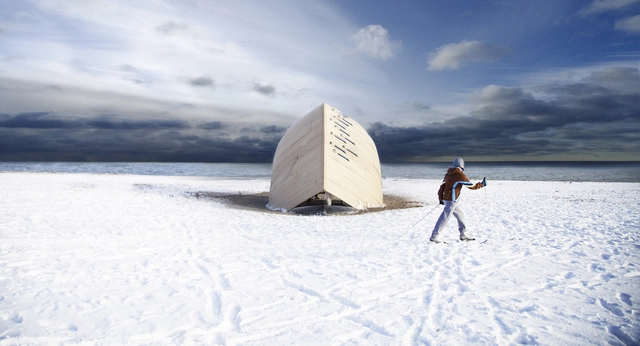
Toronto: The Latest Architecture and News
Steam Canoe / OCADU
_photo_Khristel_Stecher.jpg?1496668517 "© Khristel Stecher")
_photo_Khristel_Stecher.jpg?1496668741 "© Khristel Stecher")
_photo_Khristel_Stecher.jpg?1496668571 "© Khristel Stecher")
_photo_Khristel_Stecher.jpg?1496668531 "© Khristel Stecher")

https://www.archdaily.com/872935/steam-canoe-ocaduDaniel Tapia
Broadview Loft / Studio AC


-
Architects: Studio AC
- Area: 55 m²
- Year: 2017
-
Manufacturers: Article Furniture, Caesarstone, EQ3, Escenium HAUS, Model Space Designs
-
Professionals: Whitaker Construction
https://www.archdaily.com/871912/broadview-loft-studio-acAntonia Cayupe
Which Cities Have the Most Skyscrapers?
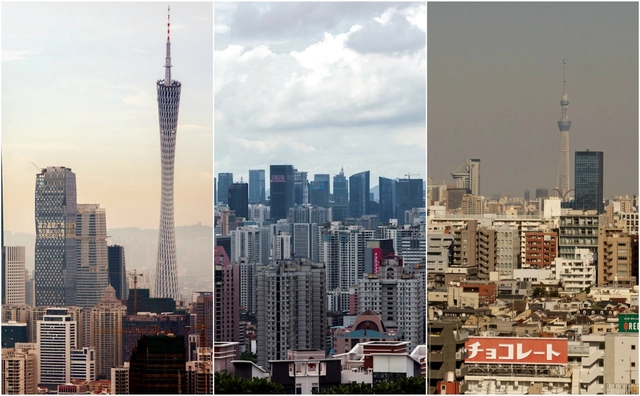
There’s a lot that the presence of skyscrapers can say about a city. They can be indicators of anything from wealth to modernization to density, or a combination of all three, depending on where you look. This potential to observe trends in a city through the height of its buildings makes data on those buildings valuable to a multitude of industries, so companies like Emporis conduct and distribute research on topics like the newest, tallest, and most expensive buildings in the world. Keep reading to find out about the ten tall cities that are home to the largest number of skyscrapers—as defined by Emporis' definition of a building that is 100 meters or more.
https://www.archdaily.com/869789/which-cities-have-the-most-skyscrapersIsabella Baranyk
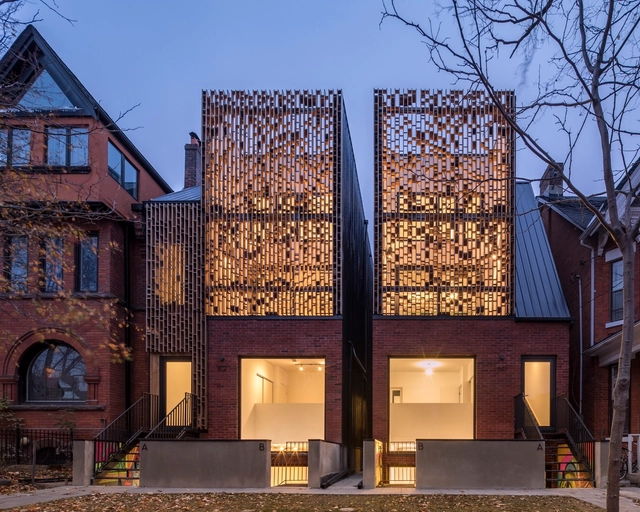
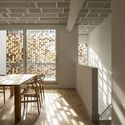
Double Duplex / Batay-Csorba Architects



-
Architects: Batay-Csorba Architects
- Area: 3500 m²
- Year: 2016
-
Manufacturers: VELUX Group, Kitchen, Thermal Wood Canada, Tiltco
https://www.archdaily.com/869886/double-duplex-batay-csorba-architectsValentina Villa
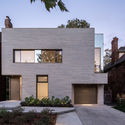
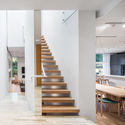
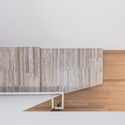
Rosemary House / Kohn Shnier Architects


-
Architects: Kohn Shnier Architects
- Area: 286 m²
- Year: 2016
-
Manufacturers: Harvest House:, Sistemalux
-
Professionals: Blackwell Engineering, MDK Construction
https://www.archdaily.com/869503/rosemary-house-kohn-shnier-architectsRayen Sagredo
Treepedia - MIT Maps and Analyses Tree Coverage in Major Cities
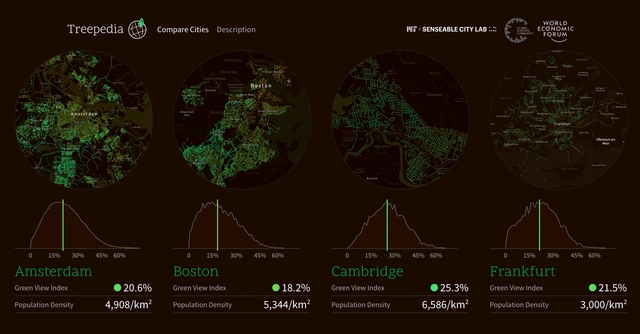
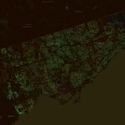
Researchers at the MIT Senseable City Lab have launched a new platform using Google Street View data to measure and compare the green canopies of major cities across the world. Treepedia, created in collaboration with the World Economic Forum, is an interactive website which allows users to view the location and size of their city’s trees, submit information to help tag them, and advocate for more trees in their area. In the development of Treepedia, the Senseable City Lab recognizes the role of green canopies in urban life, and asks how citizens can be more integral to the process of greening their neighborhoods.


https://www.archdaily.com/869611/treepedia-mit-maps-and-analyses-tree-coverage-in-major-citiesNiall Patrick Walsh
Bahá’í Temple of South America Wins 2017 Innovation in Architecture Award

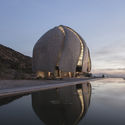
Toronto-based Hariri Pontarini Architects’ Bahá’í Temple of South America has won the 2017 Innovation in Architecture Award presented by the Royal Architectural Institute of Canada (RAIC).
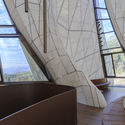
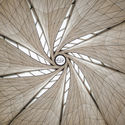
Located in the foothills of the Andes Mountains outside Santiago, Chile, the domed building was designed and built using computer modeling, measuring, and fabrication software, as well as custom glass, all of which culminated in nine monumental veils that frame an open worship space for up to 600 visitors. Completed in 2016, the project took 14 years to realize.


https://www.archdaily.com/868562/bahai-temple-of-south-america-wins-2017-innovation-in-architecture-awardSabrina Santos
Riverdale Townhomes / Studio JCI

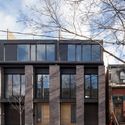
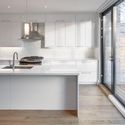

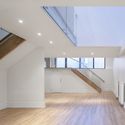

-
Architects: Studio JCI
- Area: 1650 m²
- Year: 2016
-
Manufacturers: Extira, Sioux City Brick
https://www.archdaily.com/806168/riverdale-townhomes-studio-jciValentina Villa
Toronto’s Urban Farming Residence Will Bridge the Gap Between Housing and Agriculture
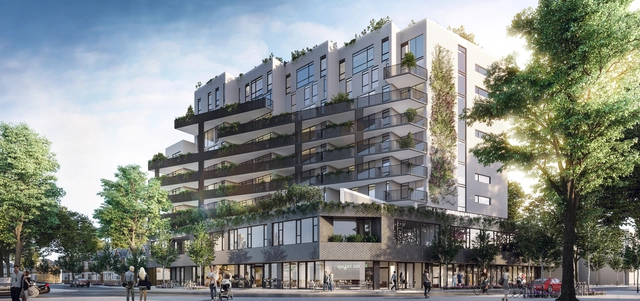
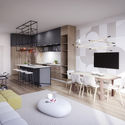
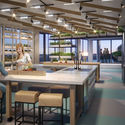
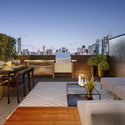
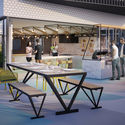
With the ever-expanding global population, cities around the world today are caught in the midst of mass urbanization; the resultant problems are the topic of much of the current architectural discourse. From these trends stems the challenges of providing adequate amounts of both housing and urban green space, and by extension, providing adequate food production. In order to address this divide, Toronto will soon be home to The Plant – a mixed-use community revolving around sustainable residential urban farming and social responsibility in the Queen Street West neighborhood.
“It might seem extreme, but we orientated this entire project around our connection to food,” says Curated Properties partner Gary Eisen, one of the developers involved in the project. “It’s our guiding principle and the result is a building that lives and breathes and offers a better quality of life to the people who will live and work here. The Plant is a community that fits with the foodie culture that has come to define Queen West.”

https://www.archdaily.com/867594/torontos-urban-farming-residence-will-bridge-the-gap-between-housing-and-agricultureOsman Bari
Humber College Student Welcome & Resource Centre / Moriyama Teshima Architects
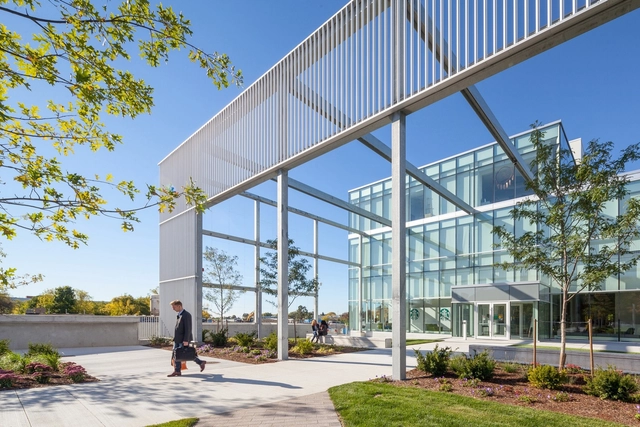


-
Architects: Moriyama Teshima Architects
- Area: 43380 ft²
- Year: 2016
-
Manufacturers: Endicott, Kingspan Insulated Panels, 3A Composites, Alumicor, Armstrong Ceilings, +2
-
Professionals: Valcoustics Canada Ltd., A.M. Candaras Associates Inc., Entro, MBTW Group, Stephenson Engineering, +1
https://www.archdaily.com/867214/humber-college-student-welcome-and-resource-centre-moriyama-and-teshima-architectsValentina Villa
Studio Gang to Design Toronto Mixed-Use Tower for First Canadian Project
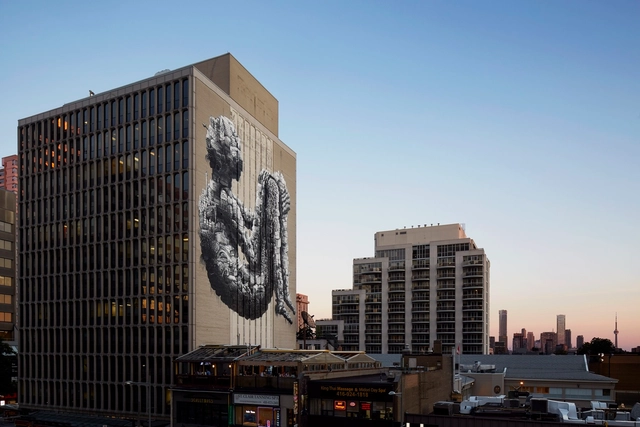
Studio Gang has been commissioned to design their first project in Canada, a mixed-use tower that will be located in the Toronto neighborhood of Yonge + St. Clair. The project is one of several commissioned by Toronto’s Slate Asset Management as part of a larger effort to revitalize the district through the use of public art, world-class design and vibrant streetscapes and open spaces. The area’s first intervention, an 8-story mural by renowned artist Phlegm, was completed last summer.
“Yonge + St. Clair is on its way back,” says Brandon Donnelly, Vice President of Development at Slate Asset Management. “Having occasion to bring Studio Gang’s first project in Toronto to the neighbourhood signals to the rest of the city that we would like to create something special here.”
https://www.archdaily.com/866981/studio-gang-to-design-toronto-mixed-use-tower-for-first-canadian-projectPatrick Lynch
RAIC Honors Roger du Toit with Posthumous 2017 Gold Medal
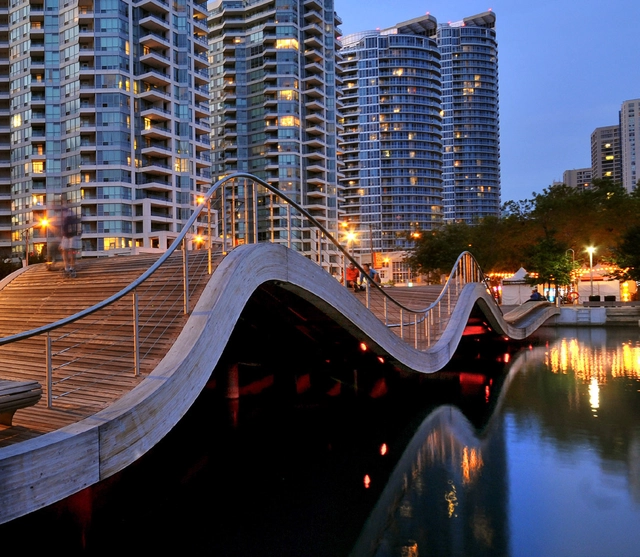
Canadian architect, landscape architect and urban designer Roger du Toit has been posthumously awarded the Royal Architectural Institute of Canada’s 2017 Gold Medal. The influential designer, who passed away in 2015, amassed a rich, diverse portfolio throughout his 45-year career, including Toronto’s CN Tower, Regina’s Wascana Centre, and 45 projects across 25 Canadian university campuses.
His RAIC Gold Medal, recognizing a significant and lasting contribution to Canadian Architecture, will be accepted by his widow Sheila du Toit and two sons at the RAIC/OAA Festival of Architecture in Ottawa in May.




https://www.archdaily.com/806361/raic-honors-roger-du-toit-with-posthumous-2017-gold-medalNiall Patrick Walsh
8 Architectural Winter Stations Brighten Up Toronto's Beaches
.jpg?1488222197&format=webp&width=640&height=580)
Eight “Winter Stations” have been installed along Toronto’s beachfront, injecting new life into the shoreline during the Canadian city’s winter months. Completed as a result of the annual Winter Stations design competition, the eight projects responded to this year’s theme of “Catalyst,” which sought installations that “open up the waterfront landscape and reinvent the space for visitors” while considering how materials may be repurposed or reused for future iterations.
https://www.archdaily.com/806229/8-architectural-winter-stations-brighten-up-torontos-beachesPatrick Lynch
8 Projects Selected to Transform Toronto's Beachfront in the 2017 Winter Stations Design Competition

The Toronto Winter Stations design competition has selected the five professional and three student teams that will add sculptures to the Toronto beachfront this winter for the third edition of the annual event. Under the theme of “Catalyst,” the jury sought installations that “open up the waterfront landscape and reinvent the space for visitors,” while considering how materials may be repurposed or reused for future iterations.


https://www.archdaily.com/804603/8-projects-selected-to-transform-torontos-beachfront-in-the-2017-winter-stations-design-competitionPatrick Lynch
Morphosis, Teeple Architects Among Firms to Lead OCAD University's Expansion in Toronto
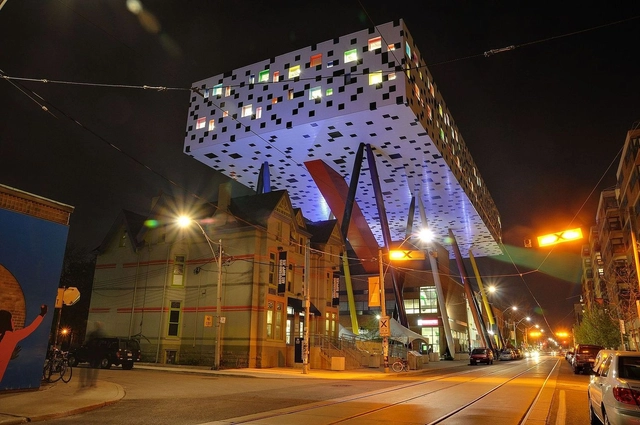
The Ontario College of Art and Design University (OCAD U) has selected firms Morphosis Architects, Teeple Architects, and Two Row Architect to manage the design and execution of the university’s new Creative City Campus (CCC) expansion project.
The project aims to extend and reinvigorate the campus core along McCaul Street in downtown Toronto and will include approximately 55,000 square feet of new construction, in addition to the renovation of 95,000 square feet of existing campus space.
https://www.archdaily.com/803612/morphosis-teeple-architects-among-firms-to-lead-ocad-universitys-expansion-in-torontoOsman Bari
The Dunn House / The Practice of Everyday Design


-
Architects: The Practice of Everyday Design
- Area: 3520 ft²
- Year: 2014
-
Manufacturers: AXOR, Dornbracht, Hansgrohe, Authentic Windows & Doors, Bouroullec Brothers for Hansgrohe, +7
https://www.archdaily.com/801863/the-dunn-house-the-practice-of-everyday-designCristobal Rojas
Ubiquity and Uniformity: Why Toronto's Condominiums All Look the Same

In June last year, PARTISANS published Rise and Sprawl: The Condominiumization of Toronto with architecture historian and critic Hans Ibelings. An effort to contextualize the role of the condo in Toronto’s unprecedented and intense growth over the past ten years, this thoughtful, if provocative, work offers a scathing criticism of the architecture (or lack thereof) deployed in much of the recent residential constructions in the city. It is a formal demand that the city be built more thoughtfully.
Alex Josephson is a founding partner of PARTISANS, one of Toronto’s youngest and more innovative architecture practices. Only in its fifth year, PARTISANS has already earned accolades and awards from the American Institute of Architecture, the Ontario Association of Architects, Architect Magazine, Interior Design Magazine, and the World Architecture Festival (WAF).


https://www.archdaily.com/802984/ubiquity-and-uniformity-why-torontos-condominiums-all-look-the-sameAD Editorial Team
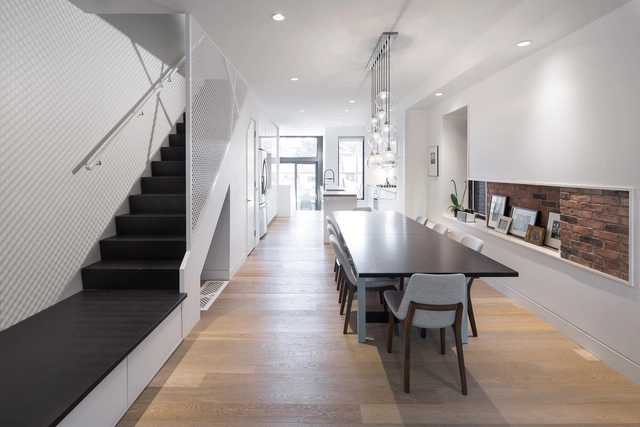
Junction Shadow House / POST Architecture


-
Architects: POST Architecture
- Area: 2600 m²
- Year: 2015
-
Manufacturers: Caesarstone, E-Stairs, Ikea, James Hardie, Marvin, +2
-
Professionals: Laneway Millwork, Armenta Levy Interiors Inc.
https://www.archdaily.com/802375/junction-shadow-house-post-architectureCristobal Rojas