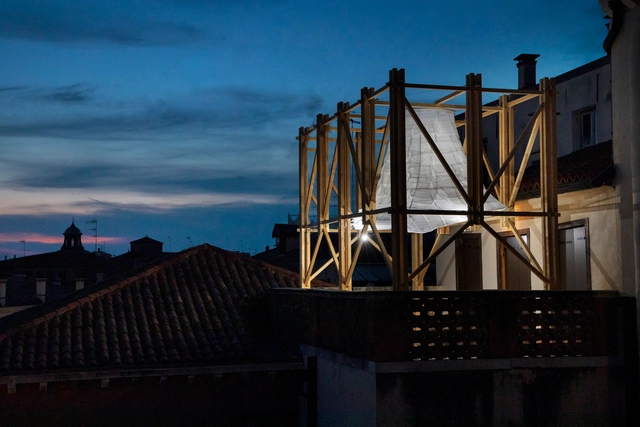
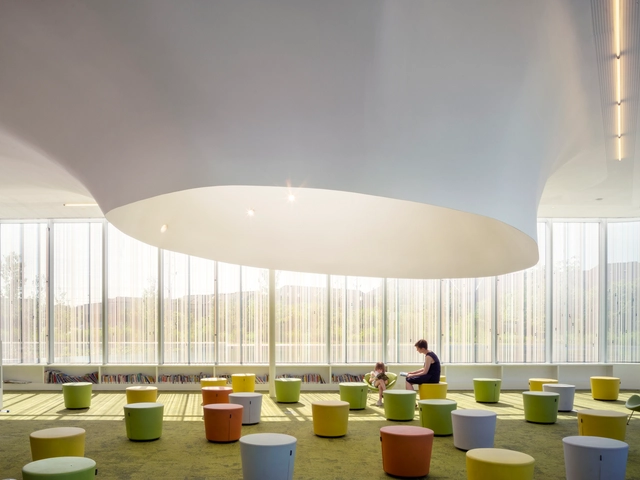
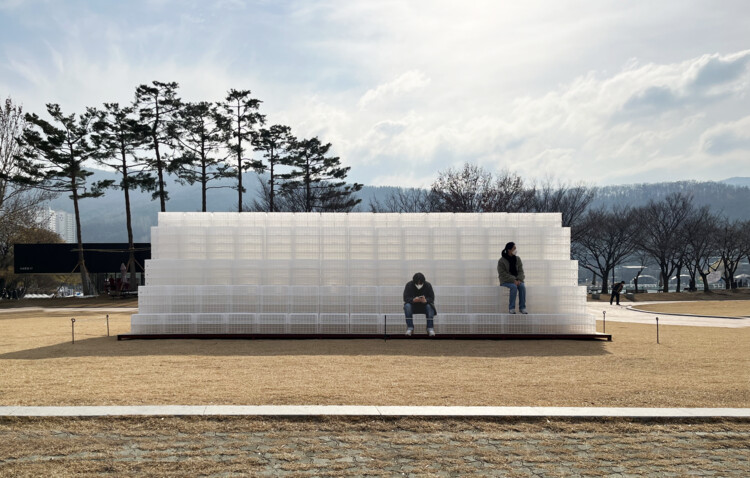
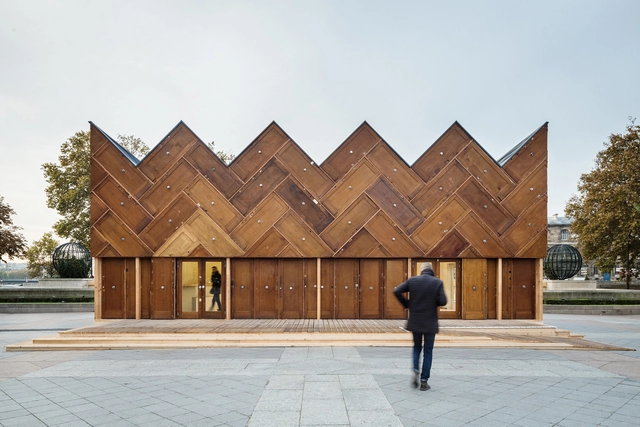
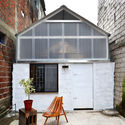
In parallel to this year's Venice Architecture Biennale, The European Cultural Centre (ECC) presented the sixth edition of its extensive architecture exhibition titled Time Space Existence. The 2023 iteration of the group show draws attention to expressions of sustainability in its numerous forms, ranging from a focus on the environment and urban landscape to the unfolding conversations on innovation, reuse, community, and inclusion. A total of 217 projects by established participants like Snøhetta or MADWORKSHOP and emerging players such as Urban Radicals or ACTA are currently on show through the 26th of November, 2023, at Venice's Palazzo Bembo, Palazzo Mora, and Marinaressa Gardens.
In response to climate change, the installations on show investigate new technologies and construction methods that reduce energy consumption through circular design and develop innovative, organic, and recycled building materials. Participants also address social justice by presenting living solutions envisioned for displaced communities and minorities, while others examine the tensions between the built urban environment and the nature surrounding it to identify opportunities for coexistence.
Subscriptions are quickly becoming an integral part of everyday life. For example, streaming platforms have completely replaced the need to own video cassettes, while ride-sharing services partially cover the need to own a private car. Subscriptions have been largely understood as digital services, but a new trend suggests that the same concept could be transferred to physical objects in the near future. Instead of owning a fridge, a washing machine, or even light bulbs, one could acquire a subscription to ensure the freshness of produce, clean clothes, and a well-lit home.
The concept is known as the “subscription-based economy,” a variant of the “circular economy” notion. It postulates that instead of owning some of the objects used every day, one could subscribe to a service to gain access to the same benefits, but without the need to own, maintain or dispose of the object in question. Consumers no longer buy products; they buy access to services. Sometimes, it would mean simply leasing the object instead of purchasing it, but the model goes one step further. It inscribes a shift of responsibility and mentality. Because consumers no longer own the objects, the responsibility to reuse and recycle falls to the producers, who are now in charge of the entire life cycle of the objects they create.
Refurbishment and adaptive reuse have been at the forefront of architectural discourse in recent years. This demonstrates that the profession is becoming increasingly aware of its impact on the environment and the opportunities presented by reusing what has already been built. Architecture 2030 has recently launched CARE, or Carbon Avoided Retrofit Estimator, a new digital tool that enables designers, owners, and communities to quantify the carbon benefits of adaptive reuse. By entering a streamlined set of project information, such as energy targets and potential building interventions, users can quickly estimate both operational carbon emissions generated by the use of the building and embodied carbon emissions, which are tied to the building materials employed.
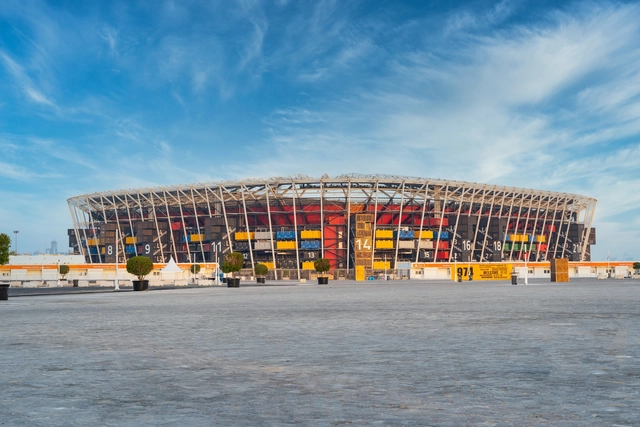
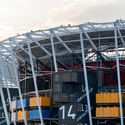
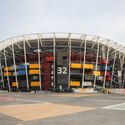
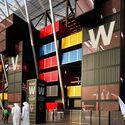
Reports show that authorities have begun dismantling Stadium 974 after it hosted seven matches during FIFA World Cup, with six group games and one Round of 16 knockout matches. It was also the only stadium built for the World Cup without air conditioning, so it only hosted evening matches. According to the BBC, construction workers moved on the site on 9 December to “take the stadium out of tournament mode.” The structure was designed to be the first FIFA-compliant stadium that can be fully dismantled and re-purposed after the tournament ends. While Qatar called this a “beacon of sustainability,” experts warn that the real sustainability of the scheme depends on several factors, including when and where the stadium will be reused.
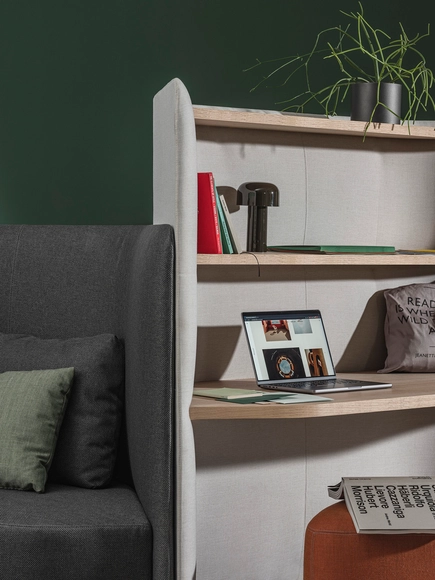
In Out Office / Alfredo Häberli. Image Courtesy of Andreu World
Interior architects and designers have often claimed that a well-designed office space will translate into greater productivity, creativity and worker satisfaction –yet the impact is greater than most tend to imagine. Recent studies suggest that good design positively impacts company culture, fosters a sense of community and creates a healthy, happy and motivating environment. In fact, it directly influences the recruitment and retention of talent: “workplace design significantly increases the attractiveness of employers to potential candidates.” Proper lighting, a flexible layout and biophilic features are all important factors to consider during the planning stage. But to fully address user comfort and well-being, these must be combined with excellent furniture design. After all, integrating high-quality ergonomic pieces is a simple way to boost mood and enhance functionality and aesthetics when creating or redecorating the workspace.
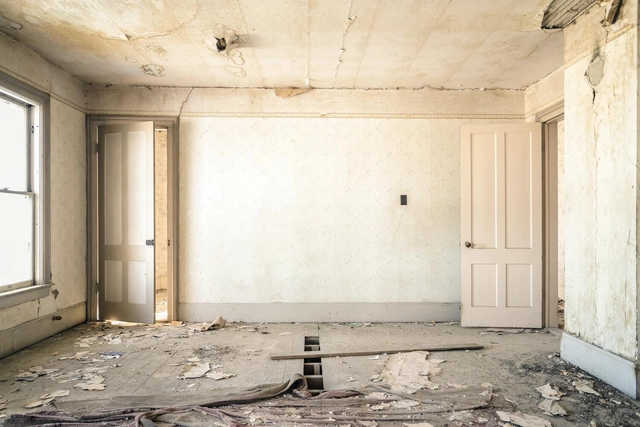
With the scarcity of open spaces, the high concentration of empty buildings in areas already consolidated in cities, and an awareness of the impact of new constructions on the environment, refurbishments are increasingly part of both the architect's work routine and the client's choice. At the same time, they are often synonymous with unexpected surprises and problems, causing delays and discomfort. This text presents four pre-work strategies that can help you better prepare for this moment.
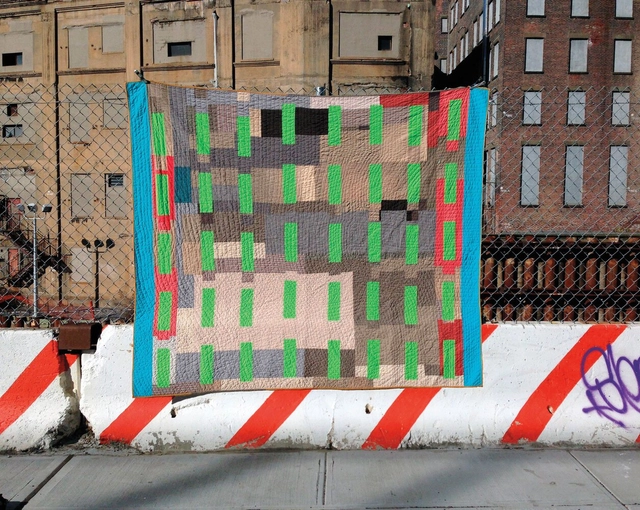
Reinvention is one of the founding myths of the United States of America. For those lucky enough to come here on the decks of ships rather than chained in the hold, this country offered a chance to be someone else, somewhere else. For them and generations of immigrants who followed, America seemed to put a safe distance between their pasts and a boundless future.
But the illusion was eventually flipped on its head. Around the turn of the millennium, reinvention was a prevailing theme for movie characters intent on getting out of small-town America; in architecture, that sentiment took the form of building dream cities anywhere but here. In Dubai and Shanghai our brightest design minds conjured up hermetically sealed towers, malls, and museums largely disconnected from history, community, and climate.
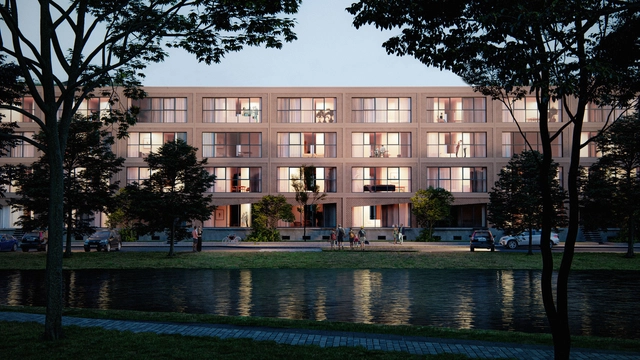
HA-HA, in partnership with BIK Bouw and Wooncompas Housing, will develop four social housing blocks for the community of Ridderkerk, near Rotterdam, Netherlands. The project uses materials from the existing social housing estate, built in the 1950s, and employs an innovative modular-timber system to create sustainable human-centered housing. The old buildings are planned to be disassembled and their components reused and integrated into the new development, which will increase the number of affordable units by 13%.
As the city continues to evolve and transform, dead edges in the cityscape begin to emerge, subsequently reducing the level of activity in our built environment. These 'dead edges' refer to the areas that lack active engagement, they remain empty and deprived of people, since they no longer present themselves as useful or appealing. As the Covid-19 pandemic draws to an ultimate close, the first issue we may face post-pandemic is to revive our urban environment. A kiss of life into a tired and outdated cityscape...
The focal element in creating an active and healthy urban environment is by increasing vitality through placemaking. Creating diverse and interesting places to reside, thrive, and work. Here are five regenerative strategies that animate the cityscape and ultimately produce resilient, attractive, and flexible environments.
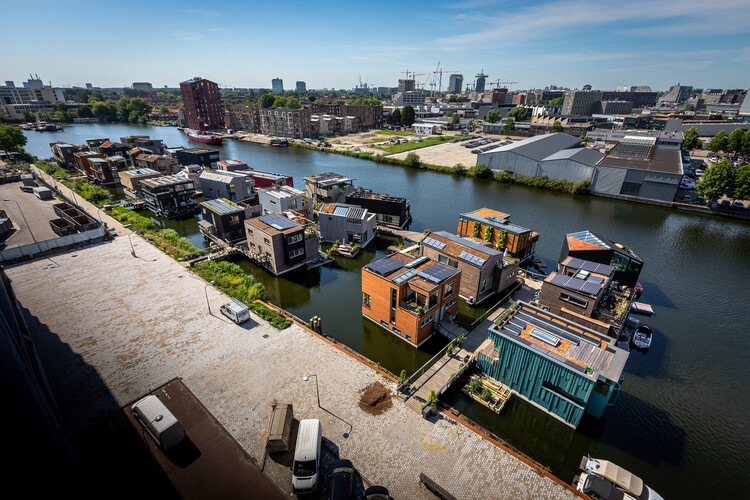
While circular economy is often discussed in relation to the architectural object through the lens of material recycling, design for disassembly, and material passports, the framework is most fully enacted at the neighbourhood and city scale. Whether it is visions of circular communities that hint at some level of self-sufficiency or policies set in motion by cities, urban-scale projects exemplify the guiding principles of the circular economy, providing a glimpse into what a fully-fledged version of it might look like. The following explores the strategies used in circular urban environments, from architecture and construction materials to energy production, waste management and food production, as well as the processes and operations that govern these designs, providing insights into the conditions that inform circularity.
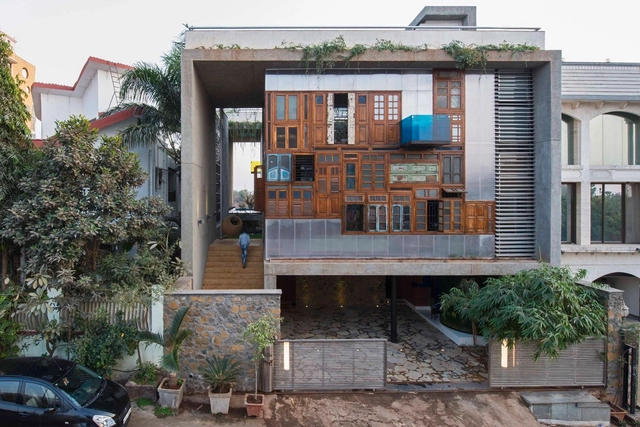
Casa Collage / S+PS Architects. Image Cortesia de S+PS Architects
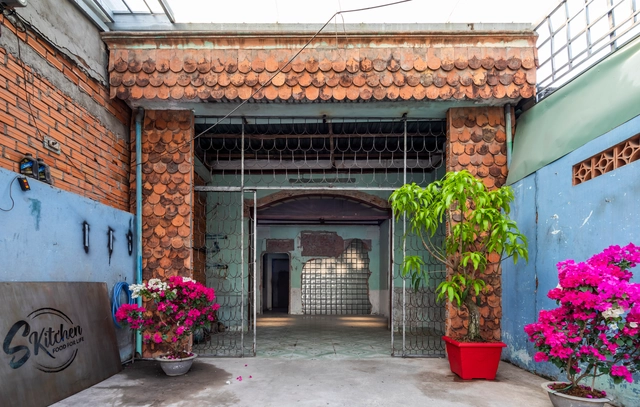
Reform and adaptation of spaces represent a significant parcel of projects ordered to architecture firms, and reuse of preexisting structures is not newness. Functions and needs change over time, therefore adaptations are required to meet new demands. However, no matter how much the maintenance of a building is, in most cases, preferred in economic and ecological sense to its demolition and a new construction from the beginning, the logic of the reuse of a space does not usually extend to its parts that become, thus, rubble.
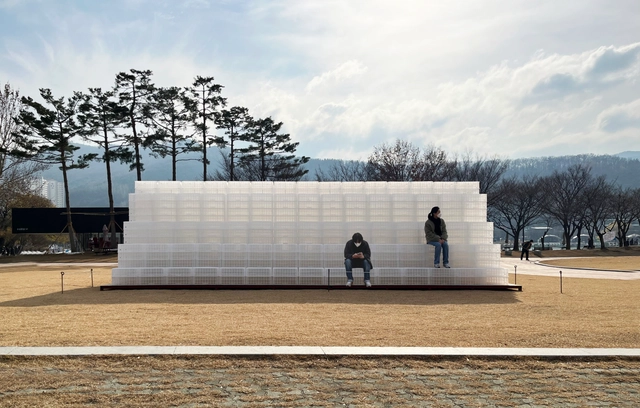
Italian architecture practice Spacelab designed an energy self-sufficient shelter for temporary use, a parametric project that can be built without foundations on any site, leaving no trace and no damage to the site at the end of its life cycle. Named Zero in reference to the lack of waste during construction or removal and its zero-emissions operation, the structure can be demounted and reassembled multiple times, tapping into issues of circular economy, impermanence and reuse.
"For more than a generation, federally funded historic tax credits (HTCs) have been instrumental in incentivizing developers to revive and reuse historic buildings and keep them economically viable, rather than replace them with shiny new objects. These credits create jobs, promote responsible development, and leverage billions in private investment to enable income-generating buildings". Read the interview between Justin R. Wolf and Meghan Elliott, founding principal of New History, a firm specializing in adaptive reuse.
https://www.archdaily.com/966687/why-use-is-the-best-form-of-preservationJustin R. Wolf
For this year's edition of the Venice Biennale, the Japan Pavilion invites visitors to reflect on the movement of goods fuelling mass consumption and rethink sustainability and reuse in architecture. Titled Co-ownership of Action: Trajectories of Elements, the project curated by Kadowaki Kozo involves dismantling an old wooden Japanese house and transporting it to Venice to be reconstructed in a new configuration with the addition of modern materials. The exhibition exemplifies how old materials could be given an entirely new existence by putting the current movement of goods in the service of reuse rather than consumption.
As levels of pollutant emissions have increased over the years, awareness has also grown regarding actions that can be taken to minimize the damage caused to the planet. As a way to promote waste reduction or prevention, the 3 R's rule is created: reduce, reuse and recycle. These actions, together with sustainable consumption standards, have been promoted as a means to protect natural resources and minimize waste.