Expanded polystyrene (EPS) is a plastic material widely used for thermal insulation (and in some cases, acoustics) in building envelopes.
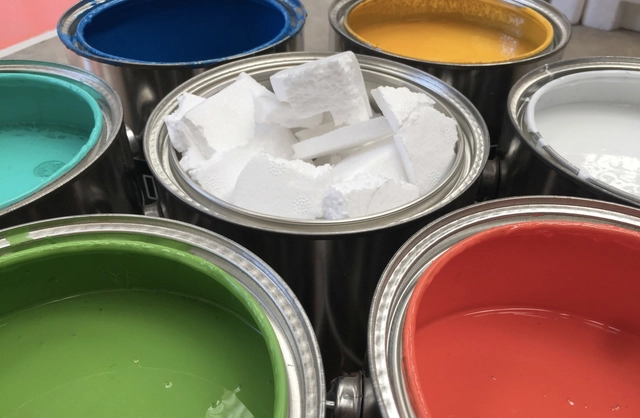
So is it possible to recycle it and apply it again in other construction processes? Yes, EPS can be crushed and compacted to be used in the manufacture of new plastic products. But it can also be recycled and live again in the construction of architectural and urban projects in the form of paints and coatings.
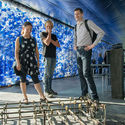
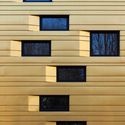
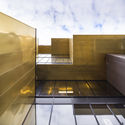
This renovation project by Peter Ebner and friends ZT GmbH is about the history of a place and changing tastes and times. It is about not needing a large scale to radically improve the space around. It is about the beauty and character of the city with its reflected sparkling life, gloomy evening sky, raindrops and lights of passing cars. It is about people who are mostly in a hurry, but who still sometimes stop for a few seconds to take note of a special, glittering room.
It is, once again, the time of year where we look towards the future to define the goals and approaches that we will take for our careers throughout the upcoming year. To help the millions of architects who visit ArchDaily every day from all over the world, we compiled a list of the most popular ideas of 2018, which will continue to be developed and consolidated throughout 2019.
Over 130 million users discovered new references, materials, and tools in 2018 alone, infusing their practice of architecture with the means to improve the quality of life for our cities and built spaces. As users demonstrated certain affinities and/or demonstrated greater interest in particular topics, these emerged as trends.
https://www.archdaily.com/910525/the-trends-that-will-influence-architecture-in-2019Pola Mora
Since its discovery in 8700 B.C., copper has been one of the most used metals in the history of humankind. It has a variety of uses from coins and weapons to statues and even architecture. One of its first architectural uses was in Ancient Egypt for the massive doors of the temple to Amen-Re at Karnak in 300 B.C.
The versatility of the material continues in architecture to this day, allowing for a variety of unique designs and uses. The innovative, efficient, and lightweight material is versatile in its use, ranging from facades to roofs, interior applications, and high tech solutions. Sustainable in its natural form, the material is 100% recycled. As the state of architecture becomes more focused on sustainability, copper becomes the ideal material for the buildings of today.
Below, we’ve selected 7 projects that use architecture's original bling.
https://www.archdaily.com/907537/copper-facades-architectures-original-blingMartita Vial della Maggiora
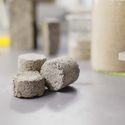
Some years ago, researchers in the United States previously tested the concept of using synthetic urine-based substances to fabricate building materials. However, new research conducted by Masters student Suzanne Lambert at the University of Cape Town, South Africa, puts forth a zero-waste process of producing urine-based bricks by using collected human urine for the first time.
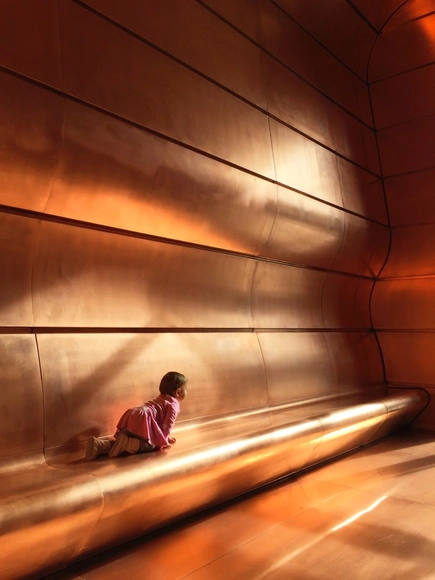
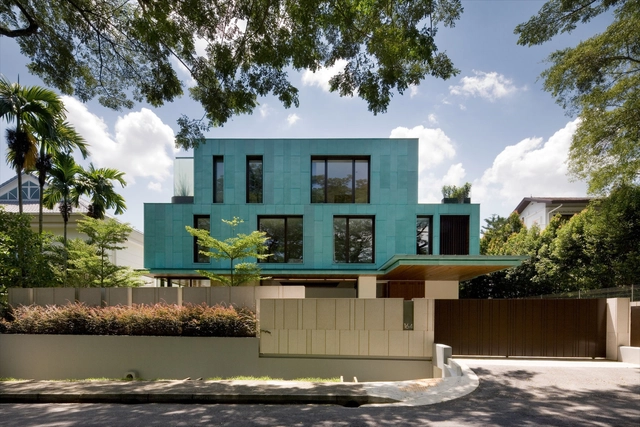
Patinated copper, also called oxidized, is a metal coat that "ages well" with excellent weathering resistance. Due to its capacity for transformation over time, when coming into contact with atmospheric conditions, the material does not require major maintenance, giving a unique aspect to the facades.
In addition to orange-colored plates, this material also gives off a blue / green appearance through a controlled chemical oxidation process. Its coloration is defined by the amount of crystals contained in the surface of the material. With the appearance of natural light, the panels display various shades and nuances of color.
When it comes to sustainability, the Netherlands has always been at the forefront. In recent news, Zwolle, one of the country's "greenest cities," implemented the world's first bicycle lane composed of post-consumer waste that would normally be discarded or incinerated.
To create the material, Zwolle used old, plastic bottles, festival beer cups, cosmetic packaging, and plastic furniture. Still, in the pilot phase, the bike path contains 70% recycled plastic in its 30-meter pathway. Although, the city hopes to create a bike path made entirely of recycled plastic in the future.
It’s no mystery why we put people in our designs. People are the quickest way to an emotional connection. With the right visual cues, you can evoke deep feelings, turning a simple image into a source of awe or aspiration. In architectural visualization, we try to shape those feelings, working off the perceptions most of us share. While we are all creatures of circumstance, using our experiential knowledge to guide us day-to-day, a lot of our conditioning is the same. Which is why it is so important to consider how you use people when you create visualizations of your designs.
Entourage are your visual guides, alerting the viewer to the story or feelings you want to convey. Sometimes that story is one of usage, an explanation of how someone interacts or moves about a space. Other times, it’s a bit more abstract. Whatever the direction, the art of entourage is really a study of composition, conditioning, and narrative. The more you know about each topic, the better your visualization will turn out—especially when you have a complicated brief.
In this piece, I’d like to show you how we approach entourage at Kilograph. Since our backgrounds are diverse—artists, architects, brand experts, and VR technicians—we are constantly having discussions about how to make people stand out, from a psychological and aesthetic perspective. Here’s what we’ve found.
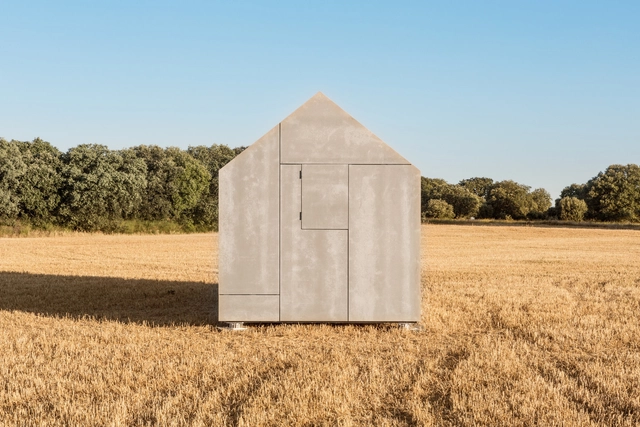
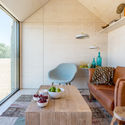
Tiny houses have become popular in recent years as housing prices continue to soar. Whether as an off-the-grid retreat or a way to live more simply and economically, tiny homes offer a more flexible way to live. They are even being used by charity organizations such as the Tiny Homes Foundation in Australia as a way to tackle the issue of homelessness in cities and the need for social housing. As the popularity and need for tiny homes become ever more prevalent, knowing the necessary skills to design a tiny house for yourself or a client is a useful skill to have.
Below are 6 tips to keep in mind when designing and building a tiny house:
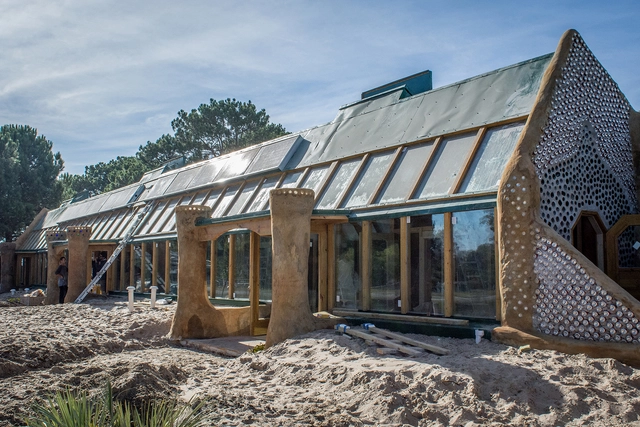
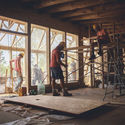
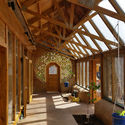
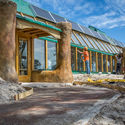
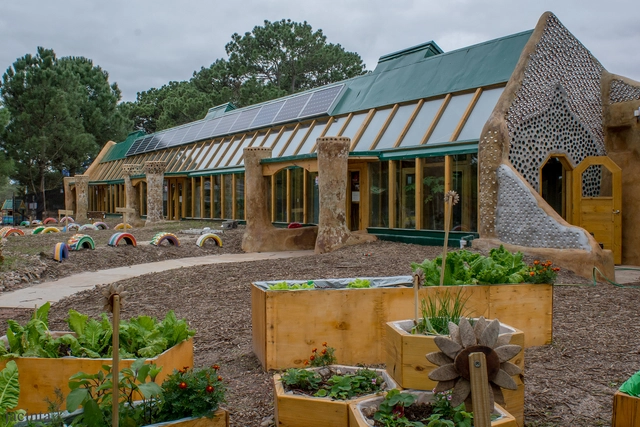
Seeking to combine traditional education with the responsible use of resources and the development of sustainable human relations, the first sustainable public school in Latin America was created. Designed under a constructive method developed by the North American architect Michael Reynolds, who has now built such schools around the world.
The 270 square meters building is on the coastal portion of Jaureguiberry, Canelones and was raised in only seven weeks. Its construction is made up of approximately 60% recycled materials (covered with plastic and glass bottles, cans, cardboard) and 40% of traditional materials.
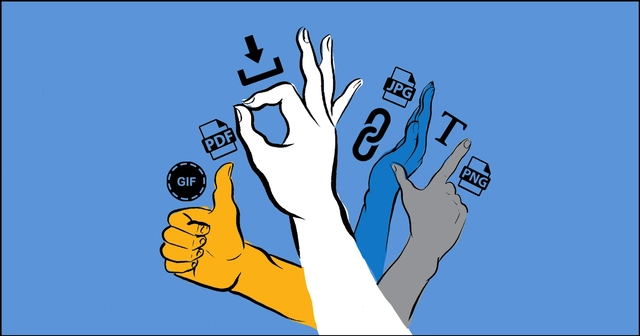
Architecture is a collaborative discipline, where a day’s work often involves sharing files, emails, and information in the process of completing a project. Whether you are entering competitions, applying for jobs or getting your work published, being tech-savvy when sharing files is a crucial skill to have—while failing to be tech-savvy can lead to frustrated colleagues, wasted time, and even missed career opportunities.
To help you ensure you're not making any mistakes, we’ve put together a few pointers you can use to share work online more efficiently and effectively.
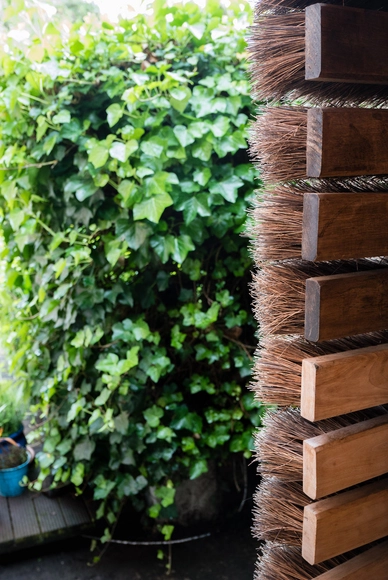
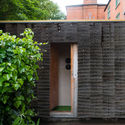
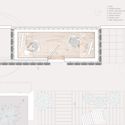
“Hairy” isn’t typically a term used to describe architecture. However, a “hairy” exterior is perhaps the defining characteristic of this micro-office by 2hD Architecture Workshop in the UK—the outer facades are entirely clad in natural coco-fiber broom heads.
The details and junctions of the broom heads are largely concealed as to let the broom bristles interlock, providing a continuous and visually diffuse surface. This hides any clue as to what is occurring on the interior—the structure existing merely as an object of intrigue.
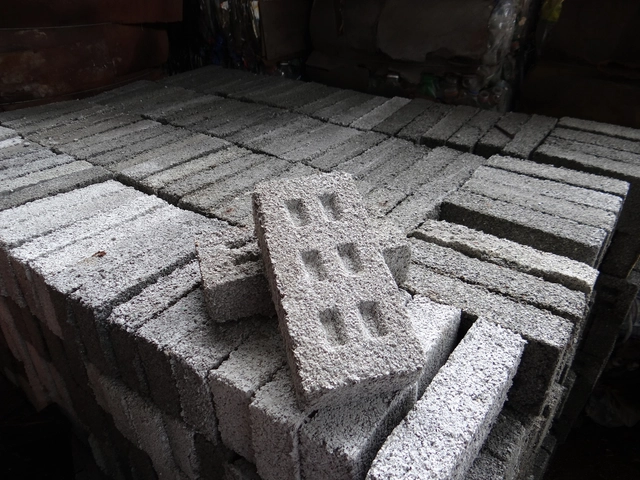
The Fundación EcoInclusión - winner of the first prize in the regional competition Google.org Challenge - is an Argentine non-profit organization that was born in 2015, from the hands of a group of young people that promote the construction of a fairer, equitable and sustainable society.
Located in the Alta Gracia city, province of Córdoba, Ecoinclusión works in the reduction of PET bottles waste with the production of bricks made of plastic residues destined to the construction in vulnerable sectors, with the aim of generating environmental and social impact and cultural participation in the communities.
https://www.archdaily.com/885340/housing-construction-in-argentina-uses-recycled-pet-bricksArchDaily Team
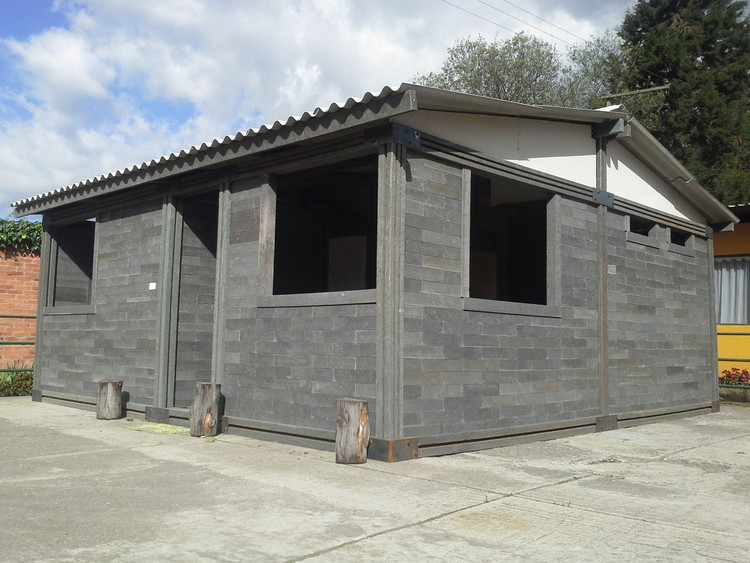
Ten years ago when Colombian Fernando Llanos tried to build his own house in Cundinamarca, he realized that moving the materials from Bogota was going to be very difficult. After mulling it over, he decided to build his house out of plastic, and after a series of trials and errors, he ended up meeting architect Óscar Méndez, who developed his thesis on the same subject, and together they founded the company Conceptos Plásticos (Plastic Concepts) in 2011.
The innovative local company managed to patent its system of bricks and pillars made of recycled plastic, which is then put together like Lego pieces in a construction system that lets you build houses up to two stories high in five days.
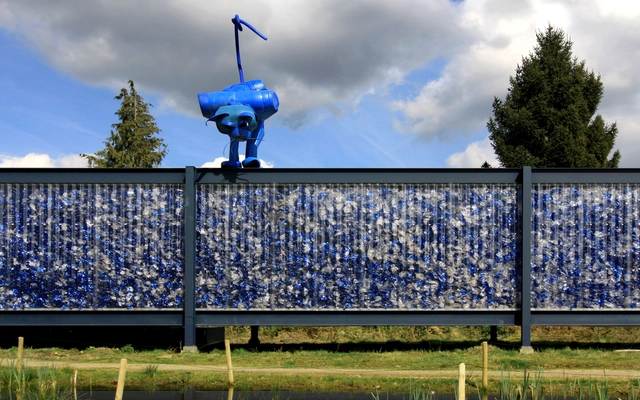
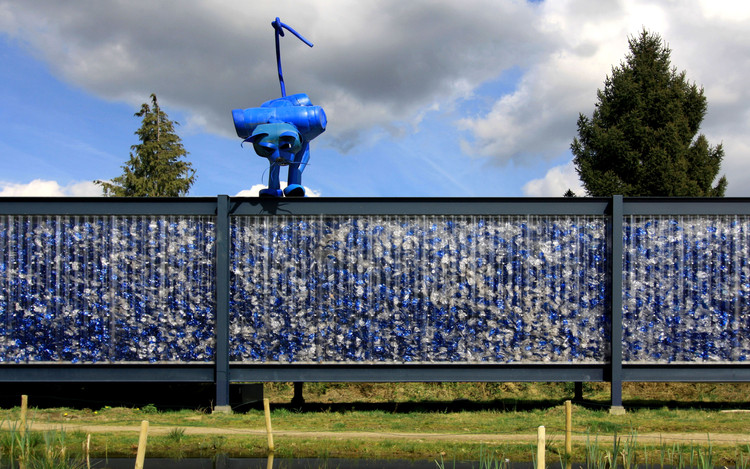
Project.DWG and LOOS.FM have unveiled their PET pavilion, a temporary structure in a community park in The Netherlands that focuses on issues of sustainable building, recycling, and waste by rethinking the ways that buildings are developed, built, and used. Specifically, the pavilion is a study of the use of plastic waste as a building material.
Using the elevated framework of Ludwig Mies van der Rohe’s Farnsworth House, the structure consists of two monumental slabs in a steel framework. “From floor to ceiling, double-walled transparent corrugated sheets hold over 40,000 plastic bottles,” with bottle caps attached to bottlenecks supporting the system.





.jpg?1548884950&format=webp&width=640&height=580)











.jpg?1537110386&format=webp&width=640&height=580)