1. ArchDaily
  2. Rebuilt

Rebuilt: The Latest Architecture and News

In the Wake of the 2024 Floods in Southern Brazil: Restore the Past or Rethink the Future?

Audio available

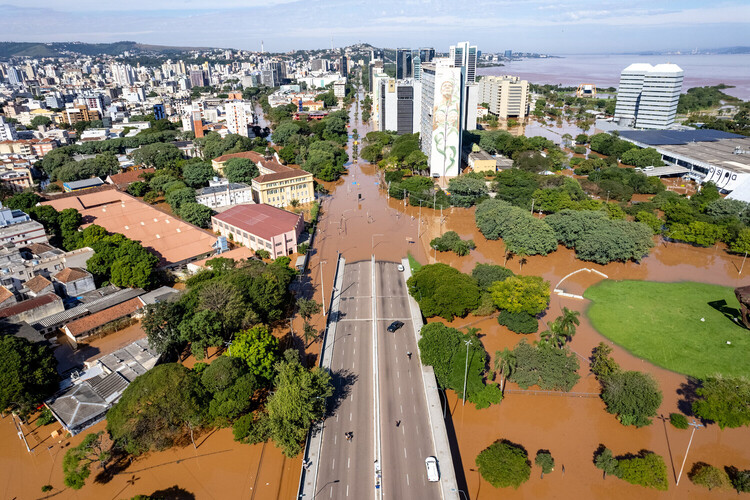
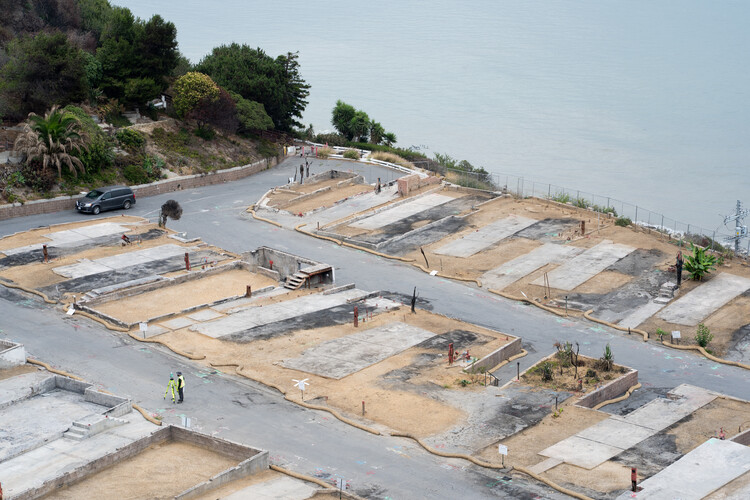
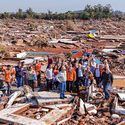
In May 2024, the floods that hit Rio Grande do Sul exposed a contradiction common to contemporary cities. Many were built alongside rivers and shaped by their presence, yet spent decades trying to control water without incorporating its dynamics into urban planning. Extreme weather events will intensify that vulnerability. More than two years later, reconstruction in the Brazilian state has progressed, infrastructure has been restored, and new protection strategies are taking shape. But are these cities rebuilding their relationship with water, or only restoring the systems that failed?

The occupation of flood-prone areas, soil sealing, ecosystem degradation, and reliance on aging drainage systems have increased municipalities' vulnerability. The disaster was not merely hydrological; it also resulted from decades of urban planning decisions that urgently need reconsideration. 
In the Wake of the 2024 Floods in Southern Brazil: Restore the Past or Rethink the Future? - 1 的图像 4In the Wake of the 2024 Floods in Southern Brazil: Restore the Past or Rethink the Future? - 2 的图像 4In the Wake of the 2024 Floods in Southern Brazil: Restore the Past or Rethink the Future? - 3 的图像 4In the Wake of the 2024 Floods in Southern Brazil: Restore the Past or Rethink the Future? - 4 的图像 4In the Wake of the 2024 Floods in Southern Brazil: Restore the Past or Rethink the Future? - More Images+ 5

AI-Powered Robotics Support Rebuilding Homes in Los Angeles Fire Zones

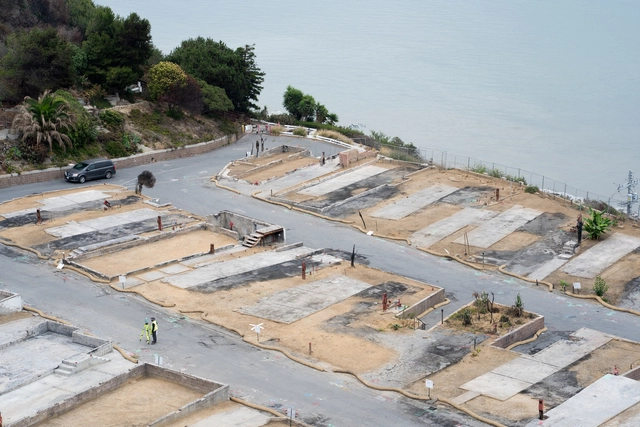
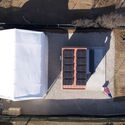
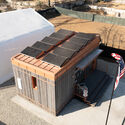
ABB Robotics and US-based construction technology company Cosmic Buildings have deployed a mobile robotic microfactory in Pacific Palisades, California, to support the rebuilding of homes destroyed by the 2025 Southern Californian wildfires. Designed as a temporary, on-site manufacturing facility, the system aims to reduce construction time, costs, and material waste while producing housing that meets high standards of safety and sustainability. By combining AI-powered automation with modular construction techniques, the collaboration demonstrates how robotic manufacturing can be adapted to remote and disaster-affected locations. The companies suggest that such approaches could become a key tool in delivering resilient, affordable housing on a large scale.

AI-Powered Robotics Support Rebuilding Homes in Los Angeles Fire Zones - Imagen 1 de 4AI-Powered Robotics Support Rebuilding Homes in Los Angeles Fire Zones - Imagen 2 de 4AI-Powered Robotics Support Rebuilding Homes in Los Angeles Fire Zones - Imagen 3 de 4AI-Powered Robotics Support Rebuilding Homes in Los Angeles Fire Zones - Imagen 4 de 4AI-Powered Robotics Support Rebuilding Homes in Los Angeles Fire Zones - More Images+ 11

Subscriber Access

Architectural Grafting: A Strategy for Sustainable Design

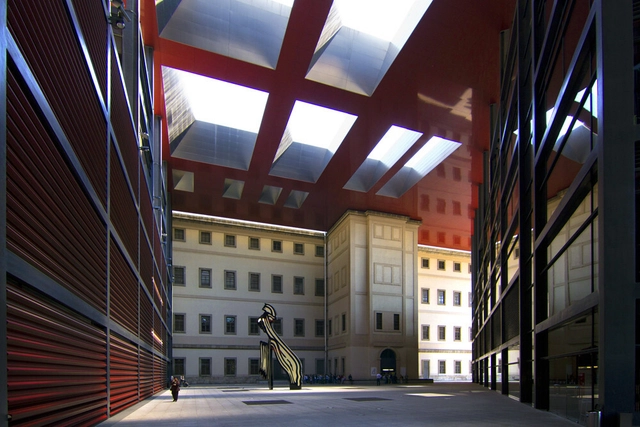
Architectural grafting, a concept recently popularized by Jeanne Gang in The Art of Architectural Grafting, presents a transformative approach to urban regeneration and sustainability. Drawing inspiration from botanical and horticultural practices — where new growth is added to existing plants for enhanced resilience — this architectural method integrates new structures with existing ones, allowing them to coexist and adapt. Rather than pursuing demolition, grafting prioritizes adaptation, extending the life of buildings while safeguarding their cultural and historical significance.

While Studio Gang has played a pivotal role in advancing this method, architectural grafting embodies a broader principle that architects have long used to enhance sustainability, conserve resources, and honor heritage. Across scales — from individual buildings to urban landscapes —grafting reshapes the relationship between past and present, adapting existing structures for contemporary needs while addressing environmental demands. By reimagining historic buildings for modern use, this approach fosters a sustainable evolution of cityscapes.

Architectural Grafting: A Strategy for Sustainable Design - 1 的图像 4Architectural Grafting: A Strategy for Sustainable Design - 2 的图像 4Architectural Grafting: A Strategy for Sustainable Design - 3 的图像 4Architectural Grafting: A Strategy for Sustainable Design - 4 的图像 4Architectural Grafting: A Strategy for Sustainable Design - More Images+ 59

Subscriber Access

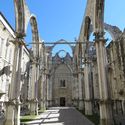
How Cities have Rebuilt from the Ashes

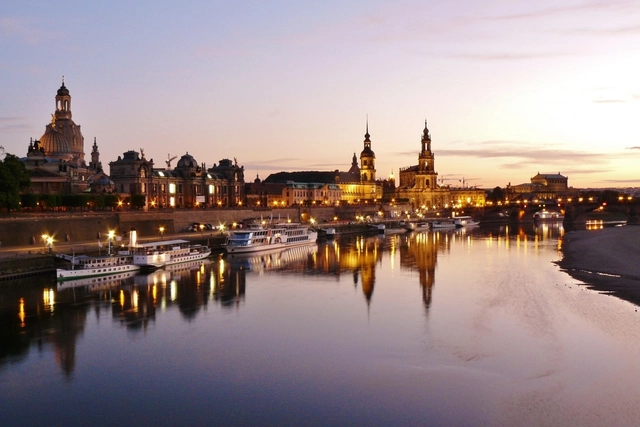
Every city has a story. Throughout history, many natural and man-made changes have altered the way cities were originally laid out. For some, the urban form developed as a result of political disputes, religious separations, or class divides. For others, a more mixed approach has allowed for uniquely mixed cultural atmospheres. And while development of cities is typically slow, occasionally cities experience dramatic and immediate changes to the urban fabric - the results of natural disaster, military conflict, or industrial catastrophe.

What happens next - if anything - can reveal a great deal about not just the city itself, but the local culture. Do cities rebuild exactly as they were? Or do they use disaster as an opportunity to reinvent themselves? The following is a roundup of cities that have moved past catastrophe to be reborn from the ashes.

How Cities have Rebuilt from the Ashes - Image 1 of 4How Cities have Rebuilt from the Ashes - Image 2 of 4How Cities have Rebuilt from the Ashes - Image 3 of 4How Cities have Rebuilt from the Ashes - Image 4 of 4How Cities have Rebuilt from the Ashes - More Images+ 37