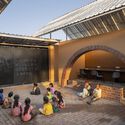
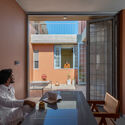
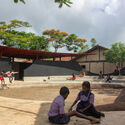
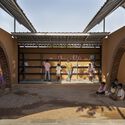
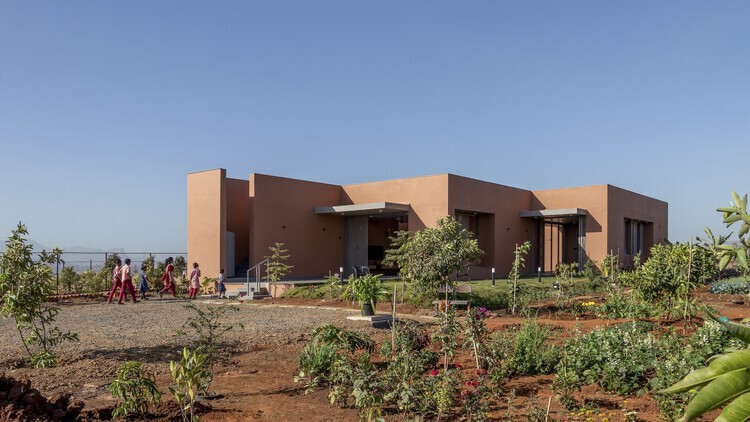
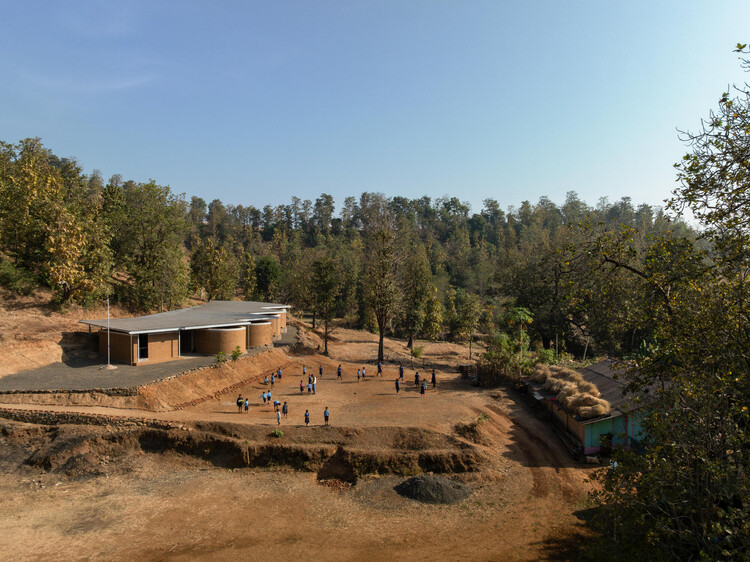
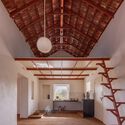
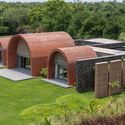
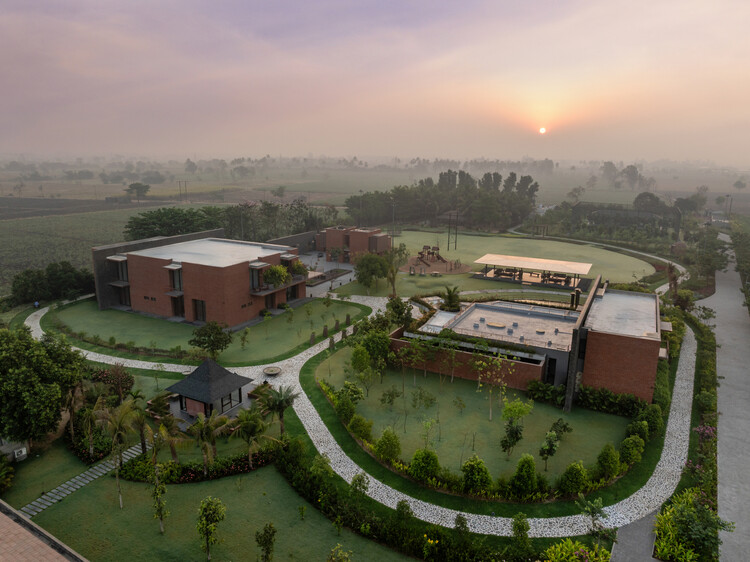
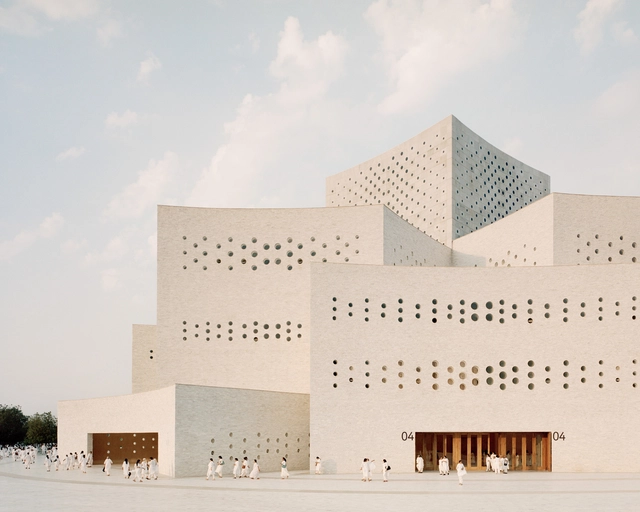
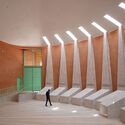
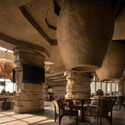
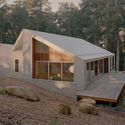
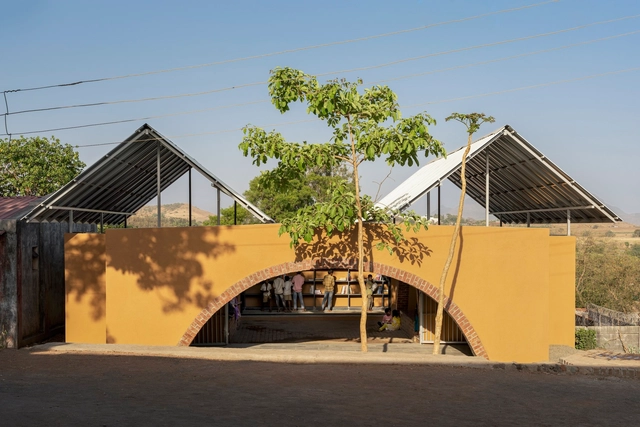
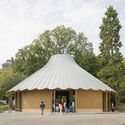
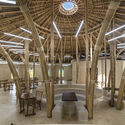
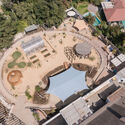
Founded as a practice working across architecture and community-focused projects, pk_iNCEPTiON is based in Maharashtra, India. The studio, one of the winners of the ArchDaily 2025 Next Practices Awards, works on rural schools, houses, libraries, and public buildings, with a focus on spatial organization and adaptability. Operating across varied social and climatic contexts, pk_iNCEPTiON approaches design through careful attention to movement, scale, and the relationship between built form and open space.
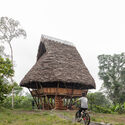
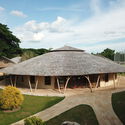
In the mountainous regions of Vietnam, the borderlands of Thailand, and the rugged Western Ghats of India, building school projects remains a challenge defined by logistics. In areas where infrastructure and industrial supply chains are limited or distant, transporting each kilogram of material can significantly increase costs and logistical complexity. During 2025, several school projects in rural contexts in Asia showed how the architect's role often shifted from a designer of form to a strategist of procurement. The primary challenge was not merely aesthetic but a matter of durability: using locally available materials and protecting them from monsoon rains, high-velocity winds, and sometimes seismic instability.
In contemporary architectural discourse, scale is often mistaken for influence. Large firms, landmark projects, and master-planned developments dominate visibility. It goes on to reinforce the idea that architectural ambition is measured by size, reach, or spectacle. Yet across India and similar contexts, a quieter but equally consequential body of work is emerging. It is led by small but mighty practices operating with limited resources, close client relationships, and an intimate understanding of local conditions.
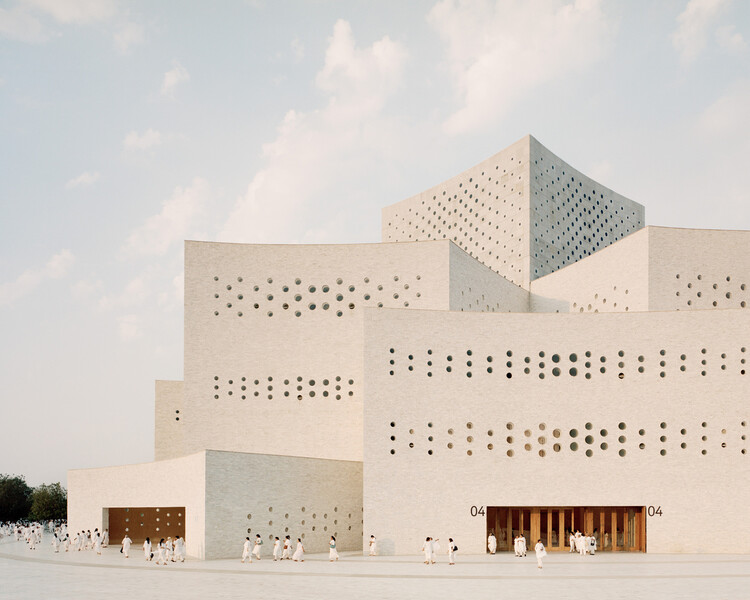
As the year culminates, it's once again time for the ArchDaily team of curators to reflect on the best-performing projects of 2025 and consider what readers were most interested in. Through this diverse overview, we assess the cross-continental similarities and differences in trends and construction development. This year brought us many grand cultural and public spaces by Lina Ghotmeh, BIG, Zaha Hadid Architects, DnA, and Serie Architects, who populated events like Expo Osaka and the Venice Biennale, as well as a surprising number of museums and public or landscape works in China and the rest of the Asian continent. However, while these were sought-after projects, the leading works remained, unsurprisingly, residential projects.
More specifically, the houses that were most viewed on the ArchDaily global site were concrete houses that bore considerable injections of greenery and landscape focus. They propose layouts highlighting voids and double heights, as well as inner courtyards or large openings to the exterior. While some references did suggest traditional or vernacular elements, modernist revivals were still predominant. Material trends are much more tame, with a recurrence of raw concrete use, as wood and stone were common accent elements. Still, the more interesting thing about the works this year is the efforts brought by architects in situating and setting the projects within their surroundings, bringing special attention to landscape and how projects merged with nature.
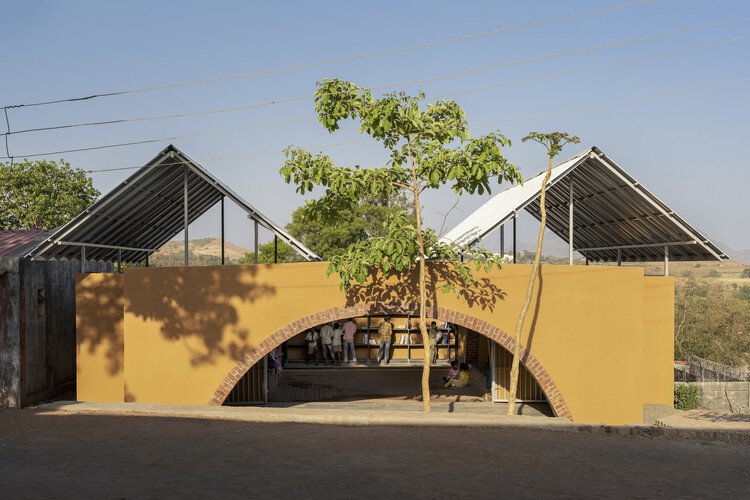
In many parts of the world, remoteness is not only defined by distance. It may describe a mountain settlement far from infrastructure or an urban and suburban neighborhood on the margins of visibility and opportunity. Across these diverse contexts, the library has been one of the most vital typologies—a space where architecture embodies the modes of accessibility, inclusivity, and community care.
ArchDaily is proud to reveal the winners of the 5th edition of Next Practices, recognizing 20 groundbreaking architectural practices from around the globe. These firms embody the creativity, innovation, interdisciplinary approach and social responsibility that are shaping the future of architecture and expanding its horizons.
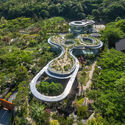
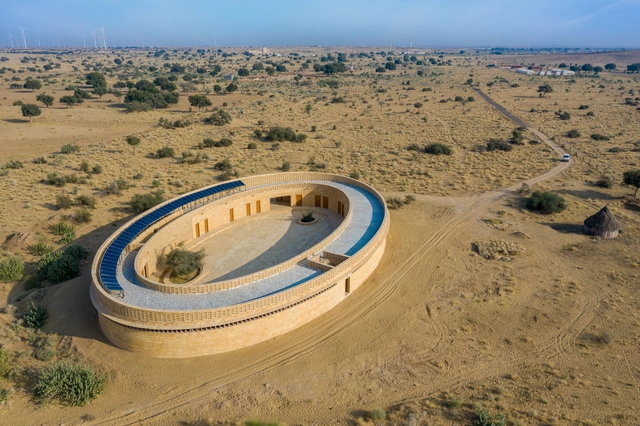
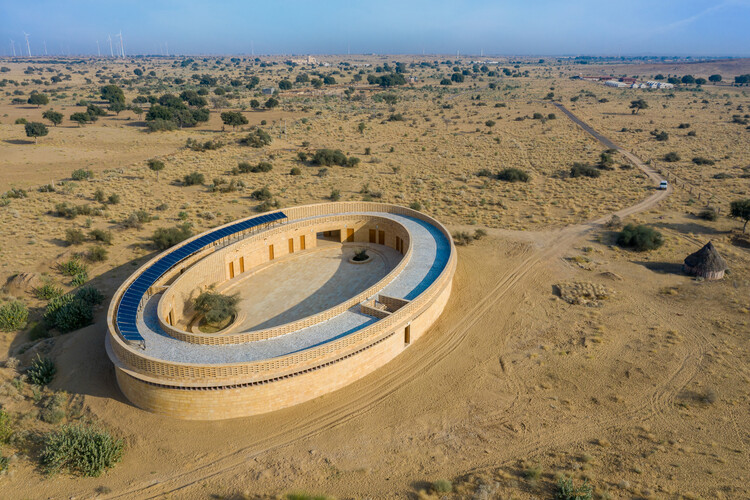
Creating an educational setting is a specific and sensitive task. Merging children's safety and learning optimization requirements with an aesthetic appeal and solid concept can birth some of the most beautiful, unique projects around. One common configuration is the elliptical or circular school. A circular, more specifically ringlike educational setting can suggest a sense of protectiveness and safety with the construction of the embracing surrounding membrane. It is also a practical setup that envelopes multiple functions while linking them, consequently allowing interactive instances through the central courtyard.